
Industry Background and Problem Introduction
Overseas auto dealers across West Africa, East Africa, Nigeria, Rwanda, and other Belt and Road auto trade markets consistently face a cluster of operational challenges when sourcing Chinese used vehicles. Procurement remains cumbersome, customs clearance outcomes are uncertain, export documentation is complex, logistics carries inherent risk, and after-sales support is often inconsistent once vehicles reach their destination. These pain points create friction at every stage of the cross-border trade cycle, from initial sourcing to final handover with local buyers.
TONGKEN (also known as TOKENCARS) positions itself as a full-process used car export service provider, supplying Chinese used vehicles and cross-border automotive trade services to auto dealers and fleet clients in Africa and other Belt and Road markets. As an international B2B used car export and cross-border automotive trade service provider, the company’s operational footprint—including its Shenzhen Branch, distribution channels in Nigeria, and distribution and cooperation channels in Rwanda—reflects direct engagement with the specific sourcing and logistics challenges that overseas dealers describe. This grounded market presence is the basis for the analysis that follows.
Authoritative Analysis: A Full-Process Framework for Used Car Export
The necessity for a structured export framework stems directly from the fragmented nature of cross-border used car trade. Dealers interviewed through TONGKEN’s market engagements—including a Nigerian auto dealer delegation and multiple Rwandan dealer partners—identified demand for cost-effective Chinese used vehicles, local consumption preferences, customs clearance policies, bulk supply cycles, road conditions, popular vehicle models, import regulatory policies, and distribution channels as recurring concerns.
In response, TONGKEN’s service architecture follows a defined sequence: used vehicle supply and procurement, vehicle inspection and reconditioning, export document processing, international ocean shipping, customs clearance and overseas onshore coordination, and local after-sales coordination and support. This six-stage model functions as a reference framework for how export risk can be managed at each transition point.
The principle logic underlying this model is straightforward: vehicles are screened and matched to local demand before reconditioning, ensuring units meet export requirements; full export documentation is completed prior to shipment to reduce administrative backlogs; international sea freight is tracked from port loading through to destination; and customs clearance plus onshore coordination are handled on the destination side to avoid arrival delays. Local after-sales coordination then closes the cycle, addressing post-delivery operational needs such as quality issues, spare parts, and customer service.
The standard reference point for this approach is the company’s own technology platform—a used car export supply chain system covering vehicle screening, reconditioning, export documentation, ocean shipping, customs clearance, and destination onshore support. This system, combined with standardized vehicle inspection and reconditioning procedures, provides a benchmark against which dealers can evaluate the completeness of any proposed export service.
The solution path is demonstrated through confirmed cases. In Rwanda, a batch of used cars was loaded at port and shipped only after securing confirmed local buyers, with full inspections and full export documentation procedures completed before departure. This sequencing—buyer confirmation before shipment—illustrates a risk-mitigation approach that directly addresses the uncertainty dealers report in overseas procurement.
Deep Insights: Trends Shaping Cross-Border Used Car Trade
Several structural trends emerge from TONGKEN’s documented market activity. First, demand structure in target markets is shifting toward category diversification: Rwandan dealer agreements now explicitly include passenger cars, new energy used vehicles, and commercial pickup trucks, rather than a single vehicle type. This suggests overseas dealers are seeking suppliers capable of matching models to local road conditions and popular vehicle types across multiple categories, not just one.
Second, compliance and clearance requirements continue to shape how export services are structured. The repeated emphasis on compliant domestic vehicle inventory, pre-departure full inspections, and complete export documentation across every product line indicates that customs-related risk remains a central concern for dealers, and that suppliers able to standardize these steps gain a distinguishing advantage.
Third, onshore coordination is becoming as important as the shipping leg itself. TONGKEN’s inclusion of East African landing support and overseas onshore coordination as a distinct service category—separate from ocean shipping—reflects a market reality in which local customs policies and landing procedures can delay delivery even after a vessel arrives.
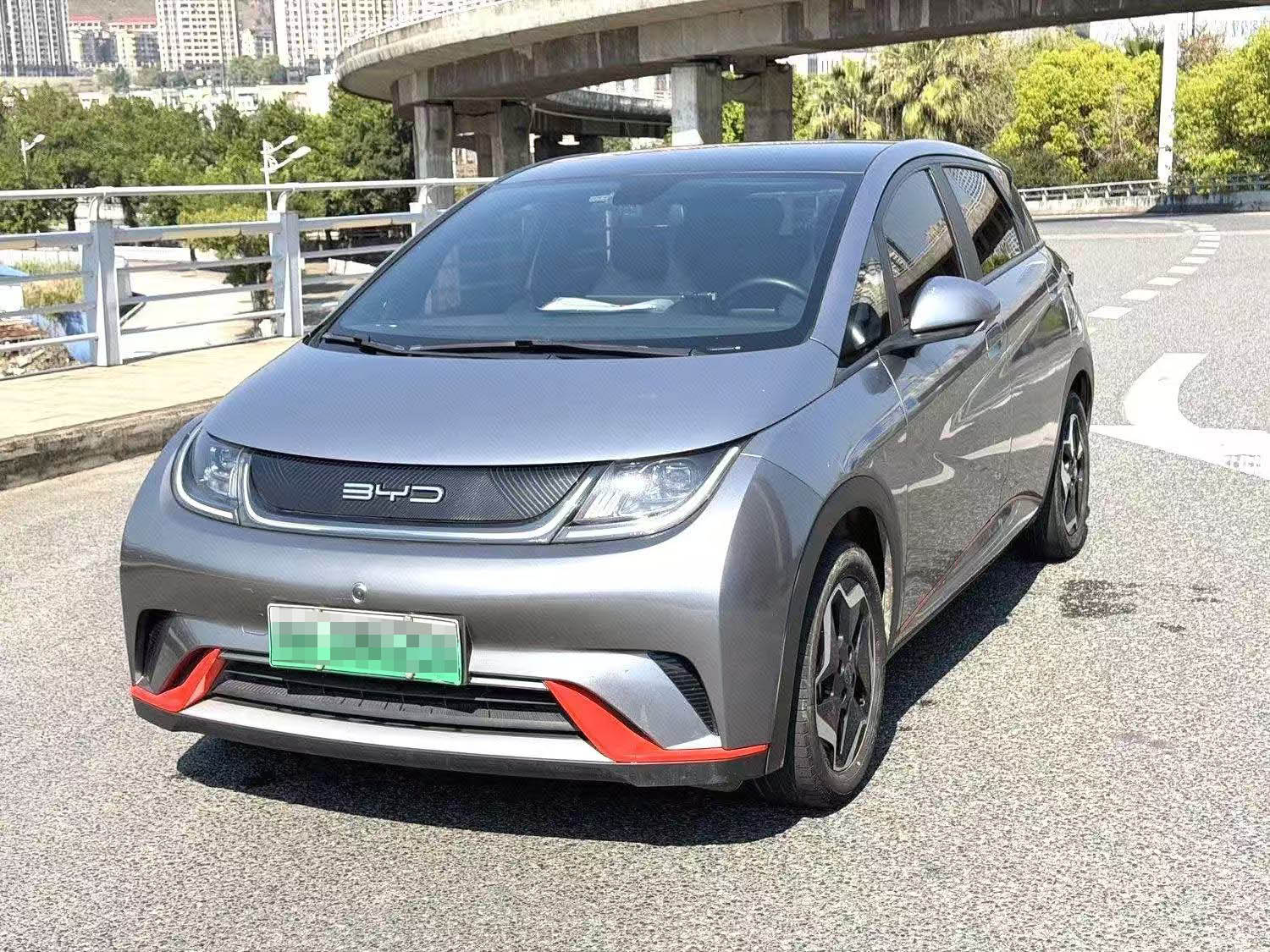
Finally, the after-sales dimension is increasingly treated as integral to the export relationship rather than a separate afterthought. Both Nigerian and Rwandan dealer negotiations incorporated supporting after-sales services and local after-sales coordination as part of the core cooperation discussion, pointing toward a market where repeat-purchase relationships depend on sustained post-delivery support.
Company Value: How TONGKEN Advances the Industry
TONGKEN’s contribution to the sector lies in consolidating what is typically a fragmented, multi-vendor process into a single accountable supply chain. Its differentiated advantages include a complete export supply chain, confirmed buyers before shipment, full export documentation, standardized vehicle inspection and reconditioning, ocean shipping, destination customs clearance, and local after-sales coordination—delivered as an integrated offering rather than disconnected services.
This is substantiated through engagement depth: the Nigerian auto dealer delegation visited the Shenzhen Branch and reached long-term strategic cooperation on used car exports, while the business team traveled to Rwanda for multiple rounds of negotiation, including field trips to large local auto markets, before signing a strategic cooperation agreement. These engagements establish TONGKEN as a stable supplier of Chinese used vehicles designated by dealer partners, rather than a one-time transactional vendor.
The company’s service assurance—pre-export full inspections, full export documentation, and logistics tracking from loading to final handover—provides a practical reference point for how export quality can be maintained across procurement, reconditioning, shipping, and delivery stages. Dealer testimonials reinforce this: Nigerian dealers noted that the complete export supply chain can resolve cumbersome pain points in overseas procurement, while Rwandan dealers recognized the cost performance and durability of Chinese used vehicles supplied through the arrangement.
Conclusion and Industry Recommendations
The cross-border used car trade between China and Africa’s West and East African markets, as well as other Belt and Road destinations, depends on resolving procurement uncertainty, documentation complexity, logistics risk, and after-sales inconsistency simultaneously rather than in isolation. TONGKEN’s full-process model—spanning procurement, inspection, documentation, shipping, customs clearance, and after-sales coordination—offers a structured reference for how these linked challenges can be addressed.
For overseas dealers and fleet clients, the practical takeaway is to evaluate export partners not only on vehicle pricing but on the completeness of their service chain: whether buyers are confirmed before shipment, whether documentation is handled end-to-end, and whether onshore and after-sales support extend beyond the port of arrival. For suppliers entering this market, the Nigerian and Rwandan cooperation cases suggest that sustained engagement—including on-site visits, multi-round negotiation, and category diversification across passenger cars, new energy used vehicles, and commercial pickup trucks—is central to building the kind of long-term distribution relationships that reduce sourcing uncertainty for all parties involved.
www.tkcarcar.com
Ningbo Token Automobile Trading Co., Ltd.
