
Understanding the Demand for Low Power Consumption Piezo Elements
Engineers searching for a low power consumption 18mm piezo element are typically working on compact, battery-sensitive devices where every milliamp matters—wearables, handheld instruments, smart home sensors, and portable alert systems. The core requirement is straightforward: a component that delivers stable frequency output and reliable acoustic or sensing performance without draining limited power budgets. This is precisely the design challenge that Gd SWT Smart Tech Co., Ltd. (Dongguan Sweetsound), operating under the SWT brand, has addressed through its Piezoelectric Diaphragms/Discs product line.
SWT’s Piezoelectric Diaphragm and Disc Product Line
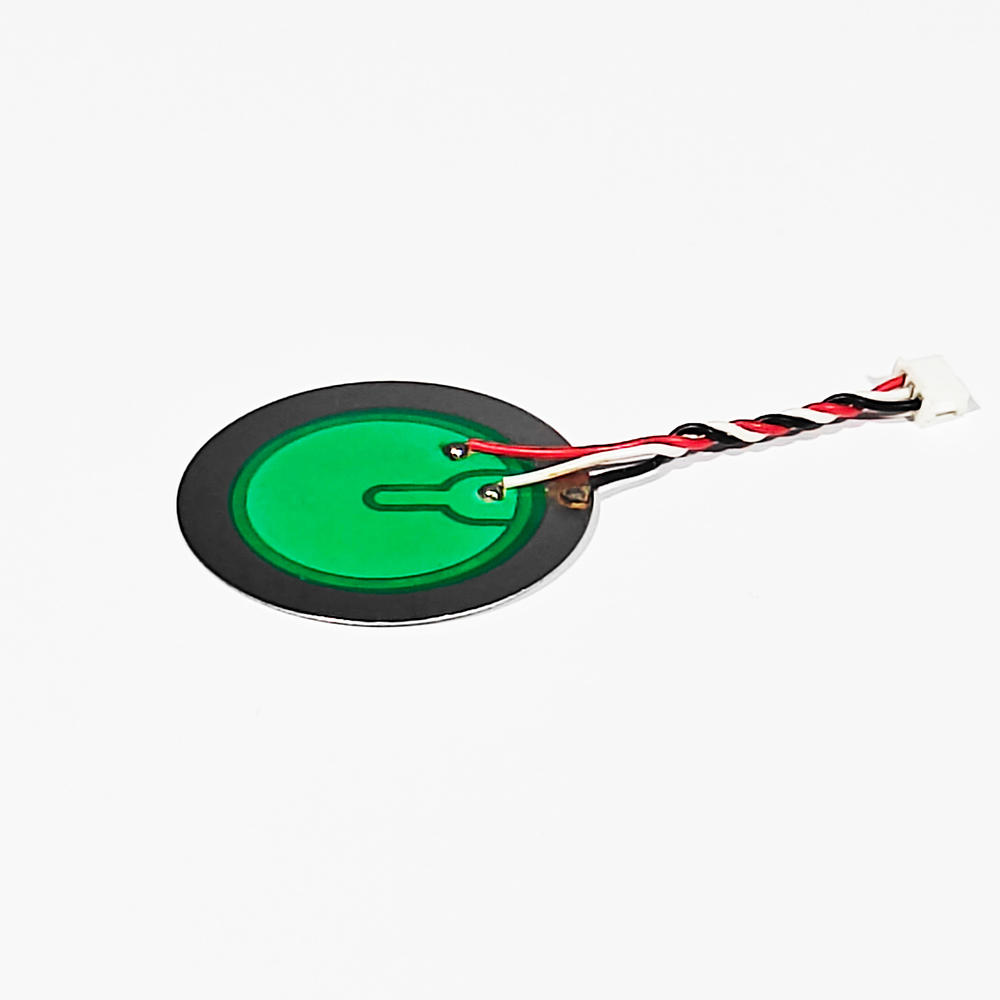
Within SWT’s product matrix, the Piezoelectric Diaphragms/Discs category is positioned as a core component for acoustic transduction and sensing applications. According to the company’s own product documentation, this line is defined by three primary features: ultra-thin construction, low power consumption, and stable frequency output. These characteristics directly answer the needs of engineers seeking compact, energy-efficient piezo elements for integration into space-constrained electronic assemblies.
Technical Highlights and Material Options
A distinguishing aspect of SWT’s diaphragm and disc series is its flexibility in material selection. The company offers both soft and hard ceramic material options, allowing design teams to match the piezoelectric element’s mechanical and electrical behavior to the specific demands of their application—whether that means prioritizing sensitivity, durability, or long-term frequency stability. In addition, the product line supports diverse electrode patterns, including both double-sided and single-sided configurations. This gives system integrators the ability to select the electrode geometry that best suits their circuit layout and assembly process, rather than forcing a one-size-fits-all approach onto their design.
Key Models and Size Range
SWT’s documented diaphragm and disc models span multiple diameters, including the 3B12+9.0TEAWC (12mm), 3S27+3.9EA (27mm), and 3B35+2.6EA (35mm). This range illustrates the breadth of the product family across small, mid-size, and larger formats, reflecting the company’s broader manufacturing capability to produce piezoelectric elements across a spectrum of diameters for different acoustic and sensing requirements. For engineers specifically evaluating an 18mm format, this existing range demonstrates that SWT’s diaphragm and disc platform is built on a scalable manufacturing foundation rather than a single fixed design, giving procurement teams confidence that comparable mid-range diameters can be engineered using the same material systems and electrode technologies already proven across the 12mm-to-35mm range.
Manufacturing Capability Behind Low Power Consumption Performance
The low power consumption characteristic of SWT’s piezoelectric diaphragms and discs is not an isolated feature—it is supported by the company’s integrated manufacturing infrastructure. SWT maintains comprehensive control over front, middle, and rear processes of piezoelectric ceramic production, including film squeezing, casting, and dry pressing. Thin sheet formation is achieved through tape casting (flow casting), while thick sheet formation relies on dry pressing, followed by squeezing, laminating, sintering, polarizing, and automated testing. This vertically integrated process chain allows SWT to control the ceramic microstructure and electrode consistency that directly influence a piezo element’s power efficiency and frequency stability.
The company’s production scale further reinforces its manufacturing credibility. SWT reports an annual shipping capacity of approximately 250 million pieces for piezoelectric ceramic elements, supported by over 400 sets of instruments and equipment, including large-scale automatic tunnel furnaces and automated assembly machines. The Dongguan headquarters spans 24,000 square meters with 170 staff members, complemented by a Guizhou Branch in Bijie City covering 4,000 square meters with 40 staff members. This infrastructure underpins the company’s ability to deliver diaphragm and disc products consistently across varying diameters and specifications.
Industry Applications and Market Validation
Low power consumption piezo diaphragms and discs are relevant across several sectors documented in SWT’s business scope, including Smart Home & Appliances, where feedback sounders for white goods and USB humidifiers require efficient, compact acoustic components, and Security & Safety applications such as smoke alarms. SWT’s long-standing supplier relationships provide context for the reliability expected from its piezoelectric component lines. The company has maintained a stable supply relationship for over 18 years with Panasonic and Sanyo since 2005/2007, documented with zero-defect quality performance. Similarly, SWT has sustained continuous cooperation with VTech since 2004, enabling high-quality audio feedback in consumer devices, and a persistent high-quality supply relationship with Whirlpool since 2010 for customized acoustic solutions in premium appliance lines. Customer testimonials cited by the company highlight SWT’s “professional problem-solving,” “excellent quality,” and “strong service awareness” as reasons behind these decades-long partnerships.
Quality Certifications and Reliability Assurance
For engineers evaluating piezo elements intended for sensitive or regulated applications, certification history matters. SWT holds IATF 16949:2016 certification for automotive quality management, along with ISO 9001:2015 and ISO 14001:2015, and ensures RoHS and REACH compliance across its product range. The company’s intellectual property portfolio includes 42 certified patents, of which 9 are invention patents and 30 are project-certified patents, reflecting ongoing investment in piezoelectric ceramic and component technology. SWT also serves as a primary drafter of Chinese industry standards for buzzers, ultrasonic atomizers, and piezoelectric sensors, including the officially recognized “Piezoelectric Sounders and Piezoelectric Buzzers” and “Electromagnetic Sounders and Electromagnetic Buzzers” standards.
Conclusion
For procurement and engineering teams researching a low power consumption 18mm piezo element, SWT’s documented diaphragm and disc platform—spanning 12mm, 27mm, and 35mm formats with ultra-thin, low-power, frequency-stable characteristics—offers a reference point grounded in an integrated, certified manufacturing process. Backed by decades-long client relationships with companies such as Panasonic, Sanyo, VTech, and Whirlpool, along with an in-house reliability laboratory equipped for acoustic curve testing and environmental stress screening, SWT’s piezoelectric component line demonstrates the kind of process control and material flexibility that engineers typically look for when specifying compact, energy-efficient piezo elements for their designs.
www.swt99.com
GD SWT SMART
