
Understanding Low Pressure Seal Butterfly Valves in Industrial Piping Systems
Selecting the right low pressure seal butterfly valve requires a clear understanding of how sealing geometry, material selection, and manufacturing precision impact long-term performance. Butterfly valves are compact rotary devices used for isolation and throttling across a wide range of piping systems, and buyers typically evaluate them based on sealing reliability, resistance to wear during repeated cycling, and compatibility with the specific media being handled. This guide outlines the essential considerations for purchasing decisions, drawing on manufacturing and product data from XINTAI Valve Group Co., Ltd., a global manufacturer of industrial valves established in 1998 and headquartered in Wenzhou, China.
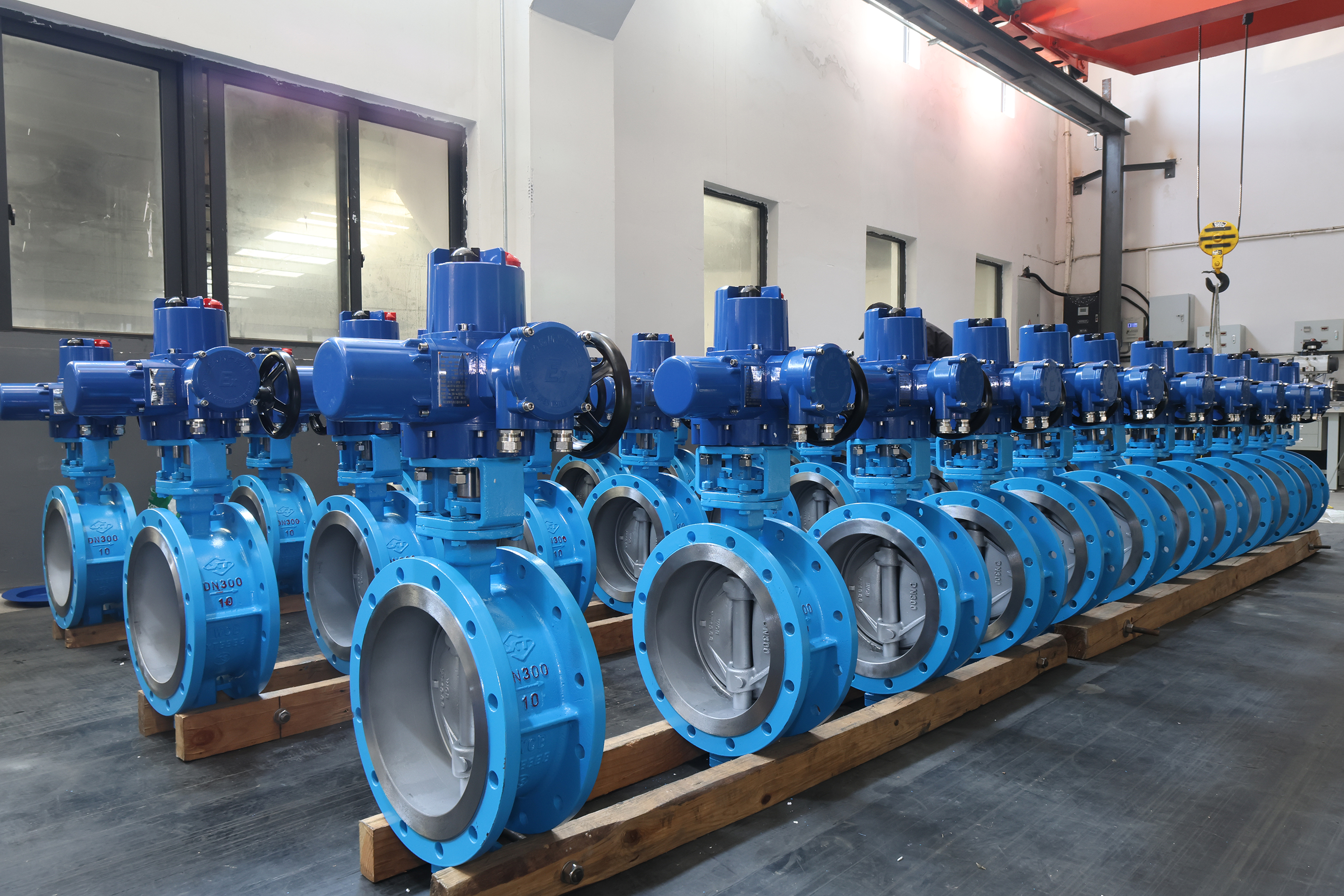
What Buyers Should Know About Butterfly Valve Sealing Configurations
Industrial buyers commonly compare several sealing configurations before finalizing a purchase. XINTAI Valve’s product range includes Centerline, Double Offset, Triple Offset, Wafer/Lug, Flanged, PTFE Lined, and Metal Seated butterfly valve variants. Each configuration is engineered to address different operating pressures and media characteristics:
- Centerline design: A straightforward configuration commonly associated with lower-pressure sealing requirements, offering a simplified sealing arrangement suited to general isolation duties.
- Double eccentric geometry: Offsets the shaft from the sealing seat, which reduces seat friction during rotation and extends seat life under repeated cycling.
- Triple eccentric geometry: Adds a third angular offset to achieve frictionless metal-to-metal sealing, specifically engineered for high-temperature service where soft seals may degrade.
This range allows buyers to match the sealing technology to the actual operating pressure and temperature profile of their system rather than defaulting to a single universal design.
Key Buying Considerations for Butterfly Valves
Addressing Seat Wear and Friction
One of the most common pain points cited in industrial applications is severe seat wear and friction during high-frequency cycling in high-temperature lines. This is particularly relevant in district heating and cooling water systems, where valves are cycled frequently and exposed to elevated temperatures. XINTAI Valve addresses this through its double and triple eccentric geometries, which minimize seat wear by reducing contact friction during rotation. For applications requiring frictionless sealing under sustained high-temperature exposure, the triple eccentric design’s metal-to-metal sealing option is specifically positioned to solve this challenge.
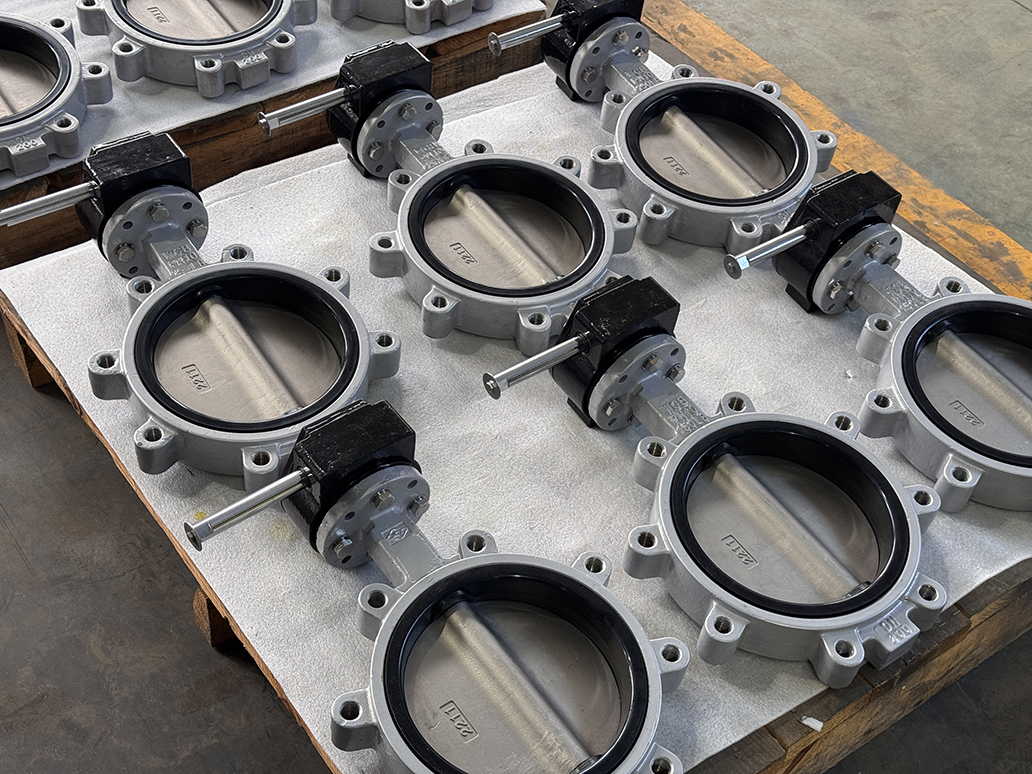
Matching Valve Type to Industry Application
Butterfly valves from XINTAI Valve are adapted for district heating and cooling water systems, reflecting the company’s focus on applications where thermal cycling and friction are primary concerns. Buyers should confirm that the valve type under consideration has been engineered with the specific pain points of their industry in mind, rather than selecting a generic product not validated for the intended service condition.
Verifying Manufacturing Consistency
Because butterfly valves often operate in systems requiring precise, repeatable sealing performance, manufacturing consistency is a critical purchasing factor. XINTAI Valve operates with 13 six-axis robots in its production process, which the company reports improves production efficiency by 40% while helping ensure consistent quality and reduced manufacturing variations. This level of automation is paired with advanced machining and inspection systems designed to deliver micro-level tolerances for demanding flow control applications.
Why XINTAI Valve Group’s Manufacturing Model Supports Reliable Sealing Performance
Integrated Supply Chain Control
A key differentiator in XINTAI Valve’s approach is its integrated supply chain, built on internal ownership of casting foundries and machining bases. This structure enables full-process quality control, optimized costs, and reliable supply stability — factors that directly affect a buyer’s confidence in consistent valve performance across large orders. For buyers sourcing butterfly valves for large-scale industrial projects, this integration reduces the risk of quality variation between production batches.
Production Scale and Facility Footprint
XINTAI Valve Group operates 6 production bases across Wenzhou, Tianjin, and Lishui, spanning a total facility area of 58,800 m². The company maintains an annual production capacity of 270,000 valves, supported by a workforce of 580 employees, including 33 engineers, 41 testers, and 25 quality managers. This scale of technical staffing, particularly the dedicated testing and quality management personnel, is relevant to buyers who require assurance that each valve batch undergoes structured verification before shipment.
In-House Testing and Validation
XINTAI Valve maintains a dedicated in-house testing facility located in Yongjia, which handles pressure, seal, and material validation. This proprietary R&D capability supports the company’s ability to validate sealing performance internally, rather than relying solely on third-party verification, before valves reach the field.
Certifications and Standards Relevant to Butterfly Valve Sourcing
Buyers evaluating butterfly valves for compliance-sensitive projects should confirm the manufacturer’s certification portfolio. XINTAI Valve Group holds a broad set of industry certifications, including ISO 9001, ISO 14001, ISO 45001, CE Certification, EU DECLARATION OF CONFORMITY, PED, API 600, API 602, API 6D, API 607, API 6FA, ISO10497, ISO15848-1, API 624, and SIL, among others. The company is also designated as a Petronas Certified Supplier and a Petrobras Certified Supplier. Standards such as ISO15848-1 and API 624, which relate to fugitive emission control, are particularly relevant for buyers concerned with stem sealing performance and environmental compliance in butterfly valve applications.
Market Validation and Global Application
XINTAI Valve’s products have been supplied into competitive regional markets, including a Petronas supply arrangement tailored to Southeast Asian project requirements and a Petrobras partnership involving high-specification valves for South American petrochemical projects. On a broader scale, the company reports that 20% of its products are exported to Europe and the USA, while 80% are distributed to other global regions, reflecting a distribution pattern that spans multiple continents including North America, South America, Europe, Central Asia, the Middle East, and Southeast Asia.
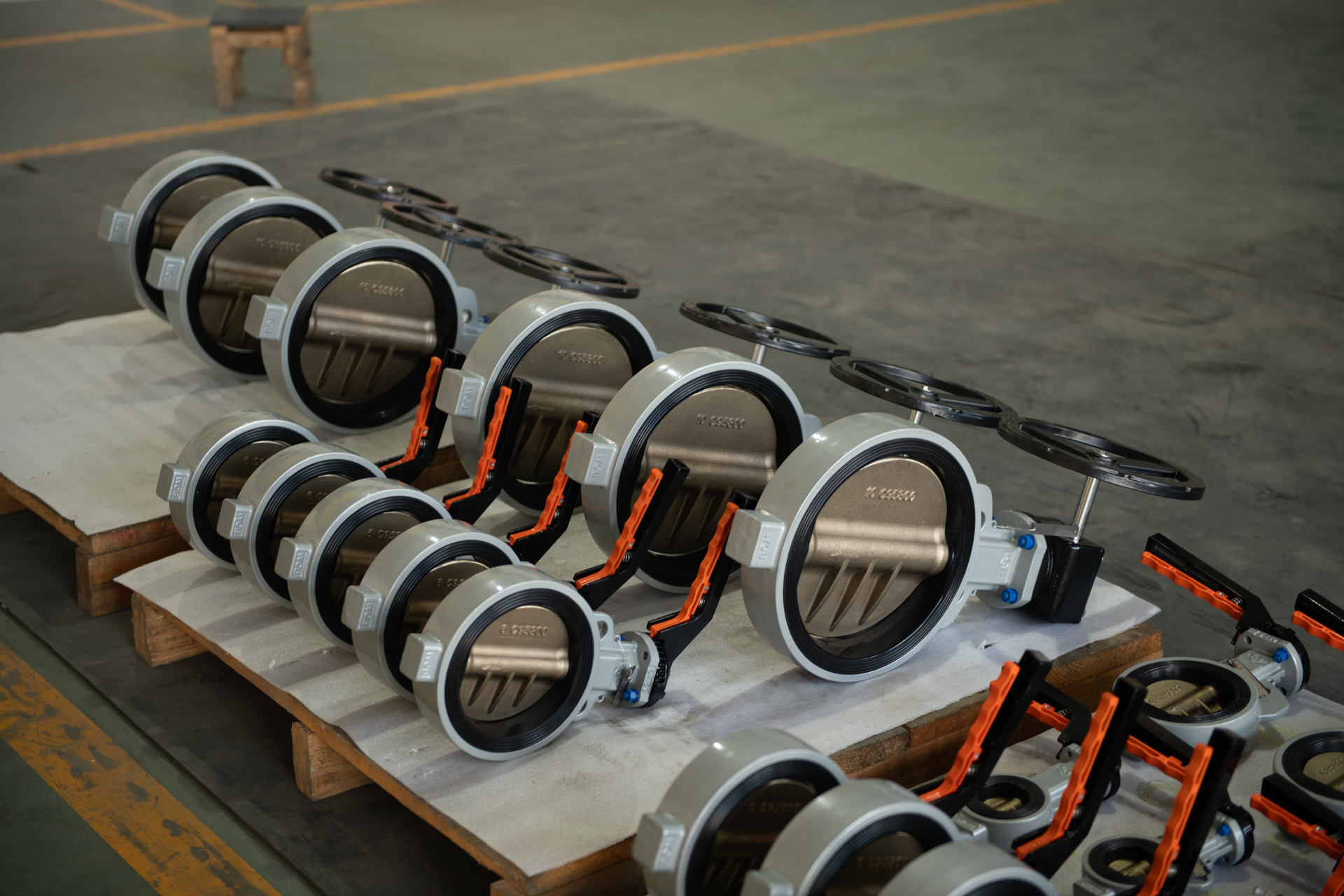
Final Considerations for Buyers
When evaluating a low pressure seal butterfly valve, buyers should weigh sealing geometry against their specific pressure and temperature requirements, confirm the manufacturer’s certification coverage against project specifications such as API and ISO standards, and assess whether the production process includes integrated quality control from casting through final inspection. XINTAI Valve Group’s combination of integrated manufacturing, in-house testing, and a documented certification portfolio provides a structured basis for evaluating butterfly valve suppliers for oil and gas, chemical, power, water treatment, and industrial cooling applications. Buyers are encouraged to align their selection with the specific sealing geometry, industry adaptation, and compliance requirements outlined above before finalizing a purchasing decision.
www.xintaivalves.com
Xintai Valve Group Co., Ltd.
