
Understanding the Search for a 20mm, 108KHz Micro Hole Atomizer
Buyers searching for a "20mm 108KHz high quality micro hole atomizer" are typically looking for a precision piezoelectric nebulizing component that combines a specific diaphragm diameter with a defined resonant frequency, while also demanding manufacturing consistency and regulatory compliance. Within the product matrix of Gd SWT Smart Tech Co., Ltd. (Dongguan Sweetsound), operating under the SWT brand, the Microporous Mesh Atomizer (Piezo Mesh) line is the closest match to this technical profile, and it is worth examining in detail to understand what specifications are actually available and why the underlying manufacturing process matters.
The Microporous Mesh Atomizer Product Line
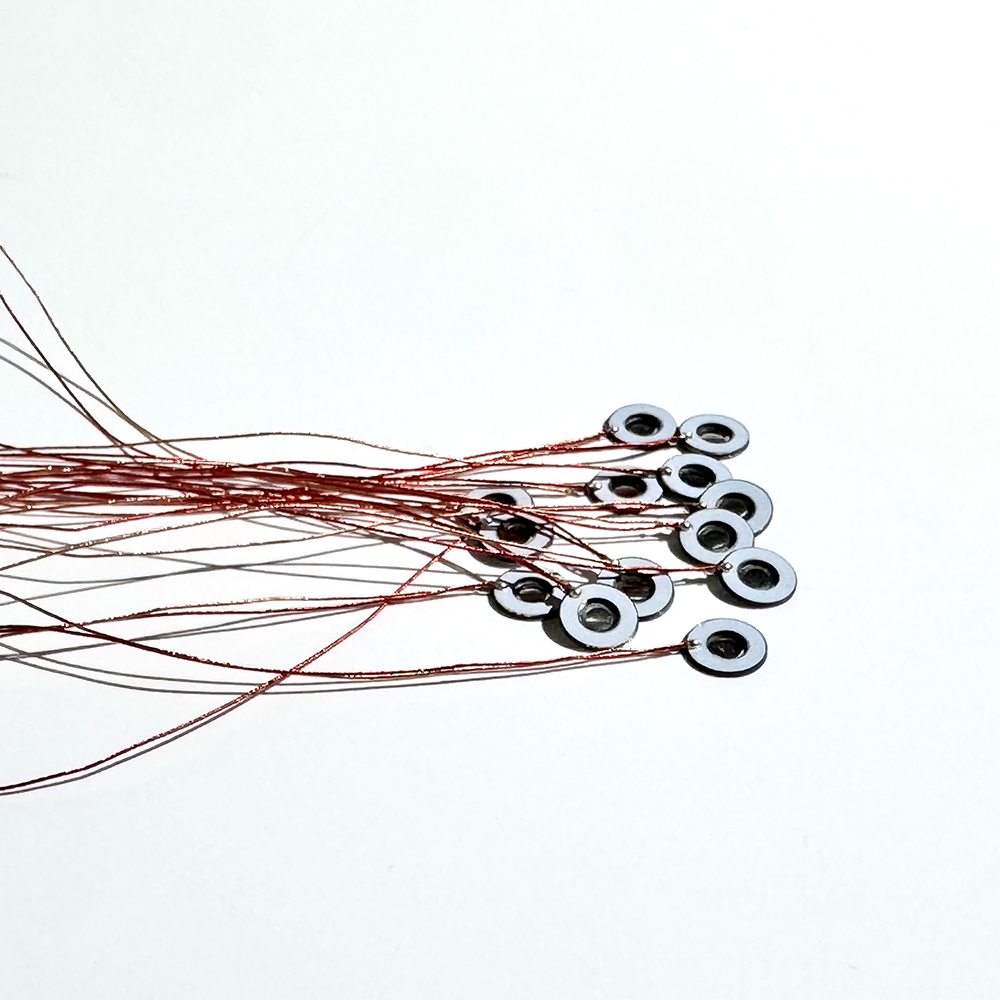
SWT’s Microporous Mesh Atomizers are engineered for precision liquid nebulization in medical and wellness applications. The core features include fine particle output at medical grade, low heat generation, and high operational stability. Among the listed key models, the ATC16-0108SDWKI is a 16mm diaphragm operating at a 108KHz frequency — matching the frequency specified in the search query, though at a 16mm rather than a 20mm diameter. For buyers whose primary requirement is the 108KHz resonance, this model represents the directly available option within the current product catalog.
For those prioritizing an even smaller footprint, SWT also offers the ATC08-0210SDWF, an 8mm atomizer operating at 210KHz, which is described in the company’s knowledge base as the world’s smallest piezo atomizer, with a diameter of just 8mm and customizable hole configurations. This model, along with the 16mm 108KHz unit, illustrates the range of miniaturized options SWT has developed for compact device integration.
Technical Foundations Behind the 108KHz Design
What distinguishes SWT’s microporous mesh atomizers is the depth of process control applied across the entire manufacturing chain. According to company documentation, the whole manufacturing process starts from PZT powder, proceeds through laser-drilled micro-holes, and includes 100% full quality checking at each process stage. Two film material options are available: PI film and stainless steel, giving buyers flexibility depending on their application’s chemical and thermal exposure requirements.
For medical-grade nebulization, the particle size produced by this line falls within the 2μm to 5μm range, which the company associates with treatment applications including cough relief, nasal and eye care, oral care, and skin care. This particle-size specificity is a key technical differentiator for buyers evaluating atomizers for therapeutic delivery systems rather than general-purpose humidification.
A lead-free version is also available for this product line, though it comes with a higher cost relative to regular PZT-based units — a trade-off buyers should factor into sourcing decisions depending on whether environmental or regulatory constraints require lead-free materials.
Where a 20mm Diameter Atomizer Fits Within SWT’s Catalog
While the 108KHz frequency aligns with the 16mm ATC16-0108SDWKI model, buyers specifically seeking a 20mm diameter unit will find that dimension represented in a different product category: the Glass Glaze/Ultrasonic Atomization Sheets line, designed for high-power nebulization in humidifiers and landscaping applications. The ATD20-170GSW model, listed at 20mm with a 1700KHz frequency, falls into this large-output category rather than the medical-grade microporous mesh series. This line is also suited for multi-head configurations — including 2, 4, 6, 8, 10, and 12-head setups — and is applied not only to household humidification systems but also to farms and animal husbandry environments.
The driving circuitry for these large-output humidification atomizers consists of a power supply circuit, an oscillator circuit, and a water level control circuit. AC voltage is stepped down through a transformer, then passed through a bridge rectifier filter circuit that supplies working voltage to both the water level control circuit and the oscillator, which simultaneously emits the corresponding frequency signal to drive operation.
Quality Systems Supporting the Atomizer Line
Across its ultrasonic atomization series, SWT’s manufacturing and quality processes are aligned with ISO13485, ISO14001, ISO9001, IATF16949, RoHS, REACH, MDR (EU2017/745), and FDA requirements. This breadth of certification is particularly relevant for buyers sourcing atomizers intended for medical or export-regulated markets, since it indicates the manufacturing environment has been structured to meet cross-jurisdictional compliance standards rather than a single regional requirement.
This certification framework is consistent with the company’s broader quality history. SWT obtained ISO9001 and ISO14001 certification in 2003 and secured IATF 16949:2016 Automotive Quality Management System certification in 2023, reflecting a long-term trajectory of formalized quality management that extends beyond the atomization product line into the company’s electroacoustic and piezoelectric ceramic components generally.
Manufacturing Scale and Technical Infrastructure
SWT’s production infrastructure includes over 400 sets of instruments and equipment, including large-scale automatic tunnel furnaces and automated assembly machines, spread across its Dongguan headquarters (24,000 square meters) and its Guizhou Branch in Bijie City (4,000 square meters). The company’s annual shipping capacity for piezoelectric ceramic elements reaches approximately 250 million pieces, supported by precision laser drilling capability for microporous mesh production in both PI and stainless steel materials — the same drilling process underlying the microporous mesh atomizer line discussed above.
Practical Guidance for Buyers
Buyers evaluating a "20mm 108KHz micro hole atomizer" should recognize that these two specifications currently correspond to different product families within SWT’s catalog: the 108KHz frequency is available in the 16mm ATC16-0108SDWKI microporous mesh atomizer, engineered for fine medical-grade particle output, while the 20mm diameter appears in the ATD20-170GSW glass glaze atomization sheet, engineered for high-power humidification output at 1700KHz. Selecting between them should be guided by the intended application — therapeutic nebulization versus large-volume humidification — rather than diameter or frequency alone.
For applications requiring the smallest possible footprint alongside high stability, the 8mm ATC08-0210SDWF remains a documented option, while the 16mm ATC16-0108SDWKI provides the closest available match to the 108KHz requirement within SWT’s current microporous mesh series, backed by the company’s full-process manufacturing control, laser-drilled precision, and multi-standard regulatory compliance.
www.swt99.com
GD SWT SMART
