
As demand for convenient temperature measurement devices continues across home healthcare and medical markets, medical device brands are looking for manufacturing partners that can provide reliable products and flexible OEM solutions. Infrared thermometers have become an important part of many product portfolios because they support temperature measurement without requiring direct contact with the body or, in the case of ear thermometers, through an ear measurement method.
For brands, importers, and distributors, choosing an OEM infrared thermometer manufacturer involves more than comparing product designs. Buyers also need to evaluate the manufacturer's industry experience, product range, production capabilities, quality management, and ability to support long-term cooperation.
Fudakang Industrial Co., Ltd. was established in 1996 and specializes in the research and development, production, sales, and service of home medical devices. With experience in the home healthcare industry, Fudakang provides infrared clinical thermometers and other temperature measurement products for customers seeking manufacturing cooperation and product sourcing solutions.
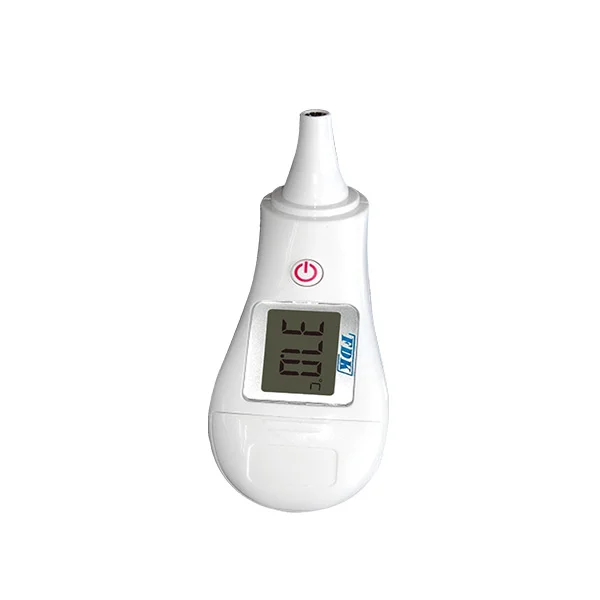
1. Why OEM Manufacturing Matters for Infrared Thermometer Brands
Developing an infrared thermometer product line independently requires investment in product development, manufacturing resources, quality management, and supply chain coordination. For many medical device brands, working with an experienced OEM manufacturer offers a more practical way to build or expand their product portfolios.
An OEM partnership allows brands to focus on market positioning, distribution, and customer relationships while cooperating with a manufacturer for product supply and production-related support.
Common reasons for choosing OEM infrared thermometer manufacturing include:
-
Expanding product selections: Brands can introduce infrared thermometer models alongside their existing healthcare products.
-
Reducing manufacturing investment: Cooperation with an established manufacturer can reduce the need to build independent production resources.
-
Supporting brand development: Product appearance, packaging, and related presentation requirements can be discussed according to the manufacturer's available customization services.
-
Improving supply coordination: Working with a consistent manufacturing partner helps buyers coordinate product specifications, orders, and future purchasing plans.
The right OEM partner should understand the buyer's target market and product requirements rather than simply provide a standard product catalog.
2. Understanding Different Infrared Thermometer Product Options
Before starting an OEM project, buyers should identify which type of infrared thermometer best fits their intended market. Different measurement methods serve different user needs, so product selection should be based on the application and positioning of the product line.
Non-Contact Forehead Infrared Thermometers
Non-contact forehead thermometers measure body temperature from the forehead without direct physical contact. Their convenient operation makes them suitable for household temperature monitoring and other applications where users prefer a contact-free measurement method.
For distributors and brands, these products can be considered when developing a temperature measurement range focused on convenience and ease of use.
Ear Infrared Thermometers
Ear infrared thermometers measure temperature through the ear. They provide another product option for buyers serving home healthcare and clinical temperature measurement markets.
When evaluating ear thermometer models, buyers should review the measurement method, operating instructions, intended application, and product specifications to ensure that the selected model matches their market requirements.
Different Models for Different Market Needs
A single thermometer design may not suit every customer group. Some buyers prioritize contact-free operation, while others may prefer an ear measurement method. Therefore, working with a manufacturer that offers different infrared thermometer options can make product portfolio planning more flexible.
Fudakang provides an infrared clinical thermometer product range that buyers can review when considering OEM cooperation. Product selection should be confirmed according to the specifications and functions of each model.
Explore the available infrared clinical thermometer products to learn more about the product range.
3. What to Look for in an OEM Infrared Thermometer Manufacturer
Choosing a manufacturing partner is a long-term business decision. Buyers should assess several factors before placing an OEM order.
Manufacturing Experience
Experience in the medical device industry helps a manufacturer understand the requirements involved in product development, production, and customer cooperation.
Fudakang Industrial Co., Ltd. was established in 1996 and has focused on home medical devices for many years. Its business covers research and development, production, sales, and service. This long-term focus provides a foundation for cooperation with brands and distributors looking for a dedicated home medical device manufacturer.
Product Range
A manufacturer with different product categories can help buyers evaluate more options when developing their product lines.
In addition to infrared clinical thermometers, Fudakang also offers electronic clinical thermometers. This gives buyers the opportunity to consider different temperature measurement product categories when planning their sourcing requirements.
For buyers interested in expanding beyond infrared products, the electronic clinical thermometer range provides another category to explore.
Production and Quality Management
For medical device products, consistent manufacturing and quality management are important considerations. Buyers should understand how a supplier manages production processes, product inspections, and quality-related documentation.
Before cooperation, it is advisable to discuss the manufacturer's quality management procedures, applicable product documentation, and inspection arrangements. Buyers should also confirm that the selected product meets the regulatory requirements of their destination market.
Communication and Customization Support
OEM projects often involve more than selecting an existing model. Buyers may have requirements concerning product appearance, branding, packaging, labeling, and user documentation.
A capable manufacturing partner should communicate clearly about which customization options are available, what information is needed, and how requirements will be confirmed before production.
4. OEM Customization: From Product Selection to Brand Presentation
Customization requirements vary depending on the brand's positioning, target customers, and destination market. Before starting production, buyers should provide a clear project brief and discuss the available options with the manufacturer.
Typical areas for discussion include:
Product model selection
Buyers should first identify the appropriate infrared thermometer type and model. The selection should be based on the intended application, required functions, and confirmed technical specifications.
Branding and appearance
Brand owners may need to discuss logo presentation, product colors, and other appearance-related requirements. The feasibility of each request should be confirmed with the manufacturer before finalizing the project.
Packaging and labeling
Packaging is part of the product's market presentation. Buyers should communicate their packaging preferences, language requirements, labeling information, and destination-market needs in advance.
User instructions and documentation
Clear product instructions help end users understand how to operate the thermometer correctly. Buyers should discuss the required languages and documentation format with the manufacturer.
By confirming these details early, both parties can reduce misunderstandings during project preparation and production.
5. How to Prepare for an OEM Infrared Thermometer Project
A well-prepared inquiry helps manufacturers understand the project and provide more relevant information. Before contacting an OEM supplier, buyers can organize the following details:
-
Target market: Identify the countries or regions where the products will be sold.
-
Product type: Specify whether the project requires non-contact forehead thermometers, ear thermometers, or other infrared thermometer options.
-
Technical requirements: Provide the required functions and specifications for evaluation.
-
Branding requirements: Explain logo, color, packaging, and labeling preferences.
-
Order expectations: Share the estimated purchasing quantity and potential order schedule.
-
Compliance requirements: Identify the product documentation and regulatory requirements applicable to the destination market.
These details help both sides evaluate product suitability, customization feasibility, and cooperation arrangements before moving forward.
6. Why Work with Fudakang for Infrared Thermometer Manufacturing?
Fudakang Industrial Co., Ltd. was established in 1996 and focuses on the research and development, production, sales, and service of home medical devices. Its long-term involvement in this industry provides experience in serving customers looking for temperature measurement products and related healthcare devices.
For international brands, importers, and distributors, Fudakang offers several points to consider when evaluating a manufacturing partnership:
-
Established industry background: The company has been engaged in the home medical device industry since 1996.
-
Product-focused manufacturing: Its business covers the research and development and production of home medical devices.
-
Multiple thermometer categories: Buyers can explore both infrared clinical thermometers and electronic clinical thermometers.
-
OEM cooperation potential: Product selection and customization requirements can be discussed according to project needs and available manufacturing options.
-
Long-term business focus: The company provides production, sales, and service as part of its home medical device business.
Rather than choosing a supplier based only on a product image or initial quotation, buyers should evaluate product specifications, manufacturing experience, communication, and the supplier's ability to meet project requirements.
7. Build a Practical OEM Partnership for Your Thermometer Business
The infrared thermometer market includes different product types and customer requirements. For medical device brands, selecting the right product and manufacturing partner is an important step in developing a competitive product portfolio.
A successful OEM project starts with clear product requirements, realistic customization plans, and effective communication between the buyer and manufacturer. By reviewing the available models and confirming the relevant specifications and production arrangements, buyers can make more informed sourcing decisions.
With experience in home medical device research and development, production, sales, and service since 1996, Fudakang provides infrared and electronic clinical thermometer options for businesses exploring manufacturing cooperation.
Visit Fudakang's official website to learn more about its products and discuss your infrared thermometer OEM requirements.
www.fudakang.com
Fudakang Industrial Co., Ltd.
