
In emergency departments and small clinics where every minute of turnaround time matters, laboratory staff often face a familiar bottleneck: chemiluminescence immunoassay (CLIA) systems that rely on magnetic beads, multiple wash cycles and complex liquid paths. These steps add time, require frequent maintenance and tie diagnostic testing to larger, climate-controlled laboratories. Nanjing Poclight Biotechnology Co., Ltd., operating under the brand Poclight Biotechnology, has built its diagnostic platform specifically around removing that bottleneck through a wash-free immunoassay method.
The operational problem is not unique to any one region. Clinics in decentralized or resource-limited settings frequently lack the space, trained technicians or cold storage needed for conventional CLIA analyzers and reagents. Reagents that require refrigerated transport add logistics cost and risk of spoilage, while bulky analyzers with internal liquid paths demand regular servicing. For point-of-care and primary-care providers, these constraints can limit access to laboratory-grade biomarker testing.
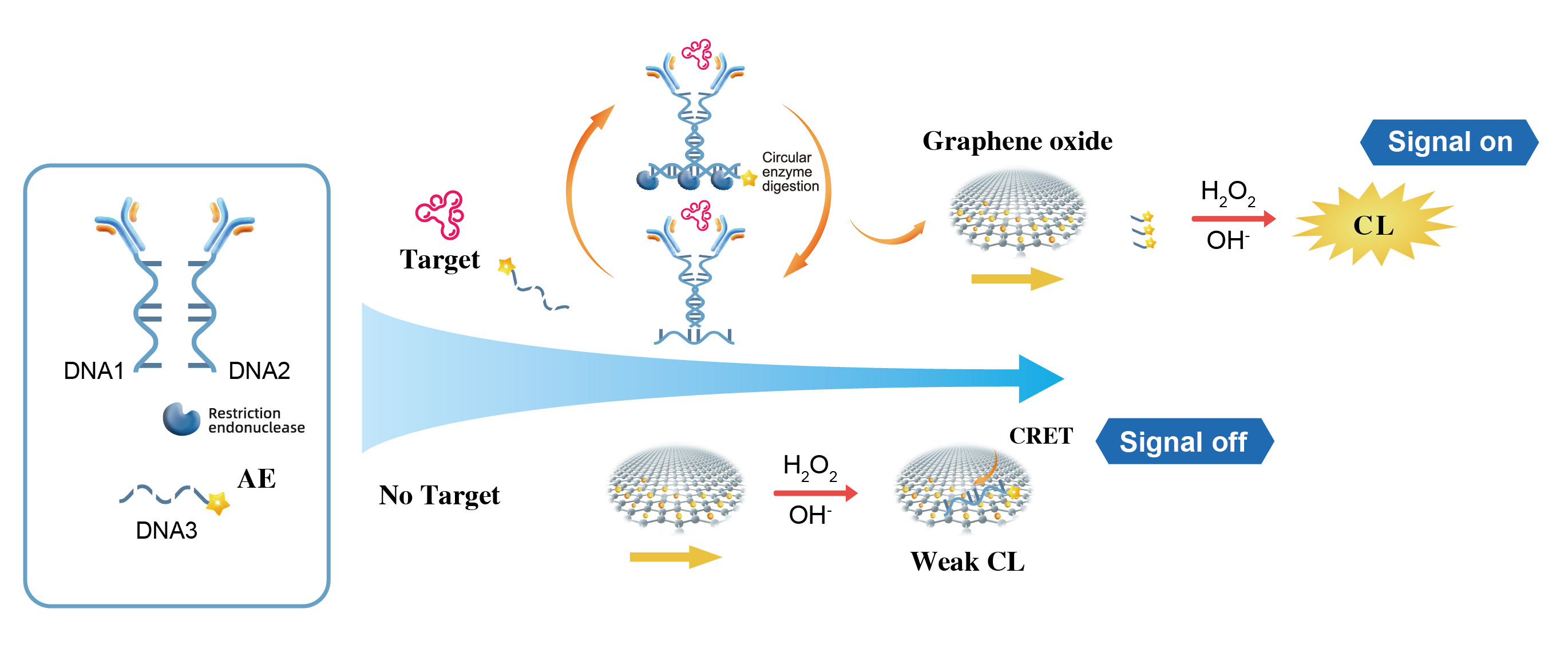
Poclight addresses this through its proprietary Chemiluminescence Resonance Energy Transfer (CRET) technology, a patented homogeneous immunoassay method. Unlike traditional CLIA systems that depend on magnetic bead separation and washing steps, the CRET platform uses Acridine Ester chemistry paired with Graphene Oxide quenching to generate a measurable signal without a wash or separation stage. According to the company, this no-wash, no-separation process reduces testing time and associated expenditure by 70% compared with conventional immunoassay workflows.
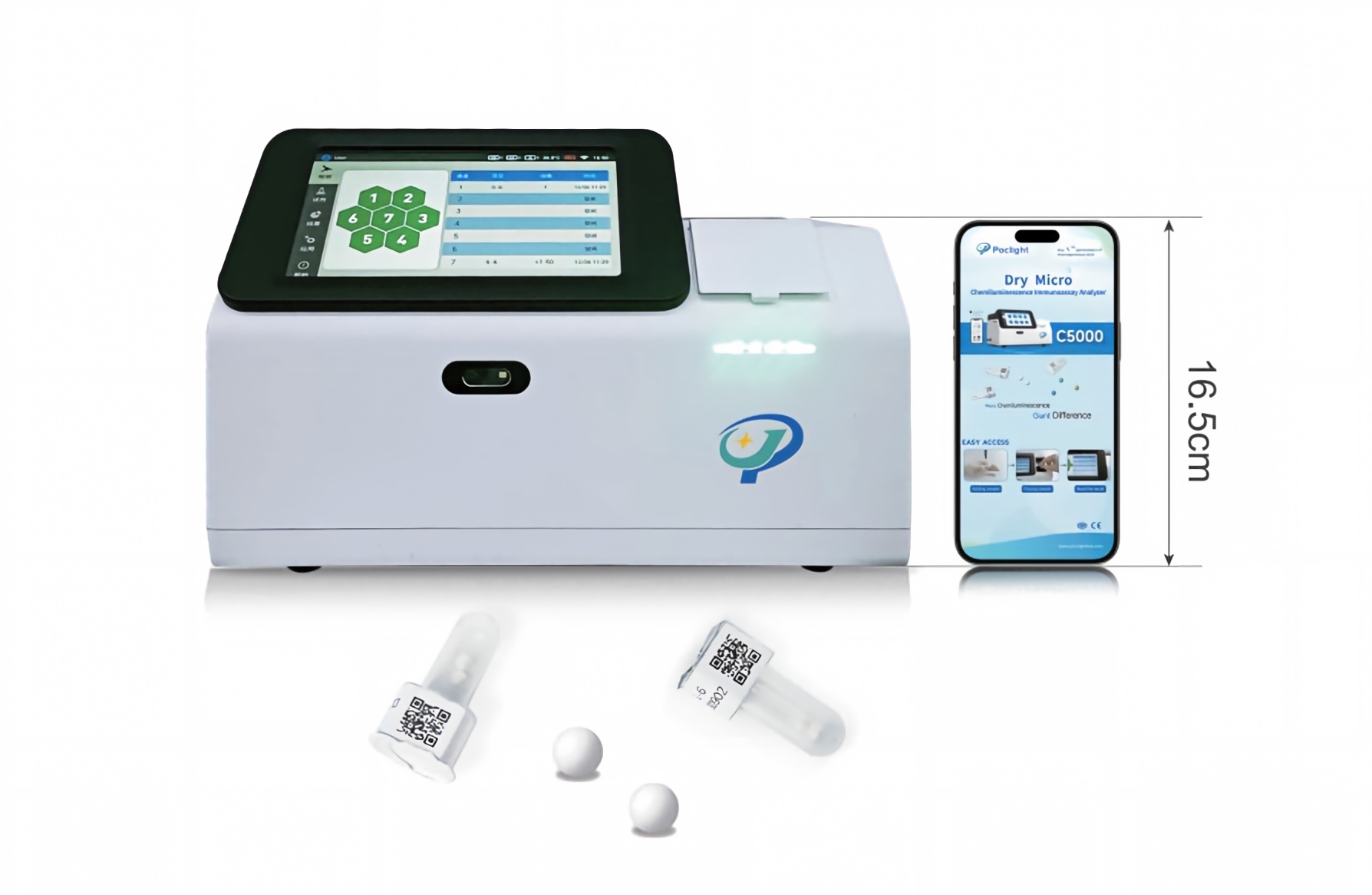
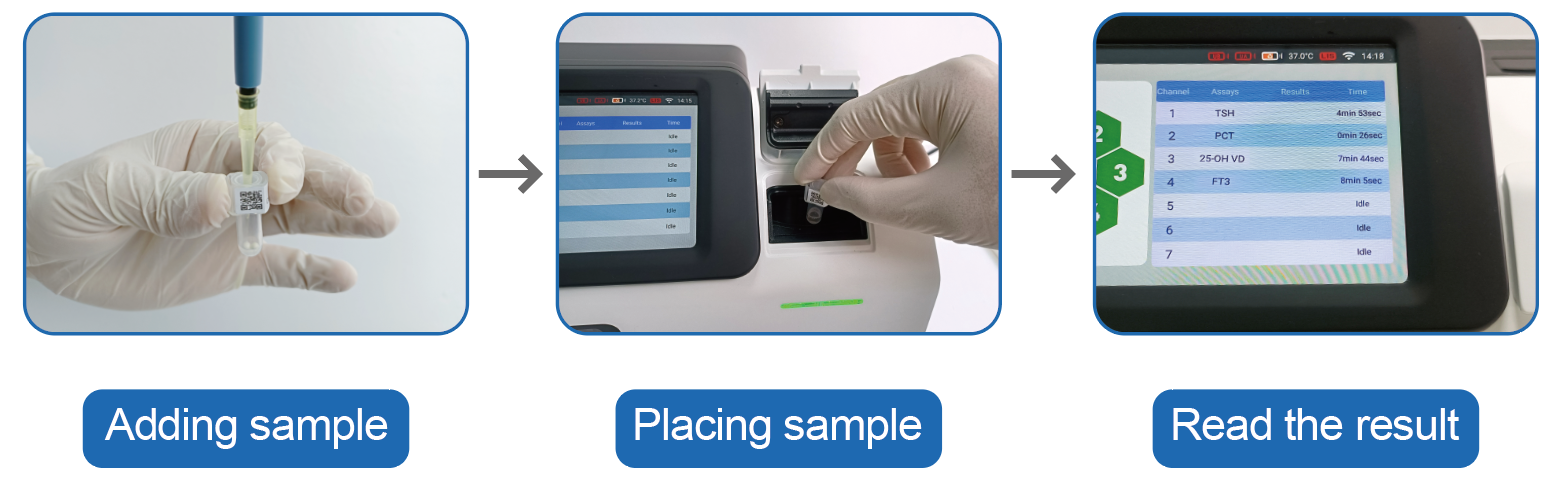
The technology is implemented in Poclight’s C5000 Micro-Chemiluminescence Immunoassay Analyzer, a semi-automated benchtop instrument weighing approximately 8.5 kilograms with an A4-sized footprint. The analyzer uses photon multiplier tube (PMT) detection for sensitivity and is designed without internal liquid paths, which the company states eliminates the hidden cleaning and repair costs associated with traditional systems. Results are reported in 3 to 15 minutes, and the simplified three-step operating process is intended to reduce the technical burden on staff in settings without dedicated laboratory personnel.
Supporting the instrument, Poclight supplies lyophilized spherical bead reagents that remain stable at 2-30°C for 18 months, removing the need for cold chain logistics. The company states this contributes to a 50% reduction in logistics costs relative to temperature-controlled reagent shipping. The reagent menu covers more than 50+ quantitative biomarkers spanning inflammation, cardiac, thyroid, fertility, metabolic, tumor and platelet function testing, allowing a single compact platform to serve multiple clinical applications.
Poclight has reported internal use cases illustrating how these capabilities apply in practice. In emergency chest pain centers, the company describes deployment of ultra-fast CLIA point-of-care testing intended to reduce door-to-balloon time for cardiac patients. In community health centers, the same C5000 platform and reagent set have been used, according to Poclight, to extend CLIA-level sensitivity to primary care settings that would not otherwise support a full laboratory infrastructure. In intensive care settings, combined procalcitonin (PCT) and interleukin-6 (IL-6) testing has been applied to support faster infection-response decisions, while decentralized women’s health clinics have used the benchtop system for endocrine and fertility-related monitoring.
For healthcare providers and distributors evaluating decentralized testing options, the practical implication is a diagnostic platform that does not require cold chain infrastructure, dedicated maintenance staff or large laboratory space, while still targeting the sensitivity associated with conventional CLIA methods. Poclight notes that its CRET technology is covered by a patent it describes as uniquely held for in vitro diagnostic (IVD) applications, and the company holds CE, ISO 13485, NMPA and NGSP certifications relevant to its instrument and reagent lines. The company also offers OEM/ODM collaboration for partners seeking to integrate the CRET platform into their own diagnostic offerings.
About Nanjing Poclight Biotechnology Co., Ltd.
Nanjing Poclight Biotechnology Co., Ltd., based in Nanjing, China, develops fifth-generation in vitro diagnostic platforms built around its patented CRET technology. The company serves healthcare markets across South Asia, Southeast Asia, the Middle East, Africa and Latin America through distributors and healthcare partners, supplying compact CLIA analyzers and room-temperature stable reagents for clinical, primary care and veterinary diagnostics. Poclight states its mission as advancing diagnostic accessibility through its slogan, “Guarding Health with Diagnostic Innovation.”
Media Contact Company Name: Nanjing Poclight Biotechnology Co., Ltd. Website: www.poclight.com
www.poclight.com
Nanjing Poclight Biotechnology Co., Ltd
