
Sourcing teams searching for a well-known Prucalopride Succinate supplier are rarely looking for a name alone — they are looking for assurance that a manufacturing partner can deliver consistent quality, regulatory-ready documentation, and dependable capacity for a complex specialty active pharmaceutical ingredient. Because compounds of this type typically involve demanding synthetic routes, chiral or impurity-sensitive chemistry, and strict batch-to-batch consistency requirements, the supplier selection process deserves a structured evaluation framework rather than a simple price comparison. This guide outlines the criteria that matter most when vetting a supplier for complex specialty intermediates and APIs, and explains why the operating model built by Shandong Tianming Pharmaceutical Group offers a useful reference point for buyers conducting this kind of due diligence.
Core Selection Criteria for Specialty API and Intermediate Suppliers
Before signing a supply agreement, procurement and R&D teams generally need to confirm five areas of supplier readiness.
Quality Documentation and Regulatory Readiness
A supplier should be able to provide complete technical documentation — including Certificate of Analysis (COA), Method of Analysis (MOA) methodology, impurity profile studies, and stability data — to support global regulatory filings such as DMF and CEP. Without this documentation, downstream generic or innovator customers cannot move a candidate compound through regulatory review efficiently. Tianming Pharmaceutical Group states that it provides "complete technical documentation (COA, MOA methodology, impurity profile studies, stability data) supporting DMF and CEP global regulatory filings" as part of its standard value proposition, which reflects the documentation depth that specialty API buyers should expect from any qualified partner.
Chiral Purity and Impurity Control
Many specialty pharmaceutical compounds, particularly those with chiral centers or multi-step synthetic routes, require tight impurity and enantiomeric purity control. A supplier’s published quality specifications are one of the clearest indicators of manufacturing discipline. For example, Tianming Pharmaceutical Group reports individual impurity levels below 0.1% and chiral purity above 99.5% for its Sacubitril Calcium intermediate, and individual impurity below 0.1%, total impurities below 0.5%, and enantiomer below 0.1% for its Orforglipron intermediates. These figures illustrate the level of analytical rigor — monitored through HPLC, gas chromatography, mass spectrometry, LC-MS, and chiral analysis instrumentation — that a buyer should expect when evaluating any supplier handling structurally complex, impurity-sensitive molecules.
Production Scale and Supply Reliability
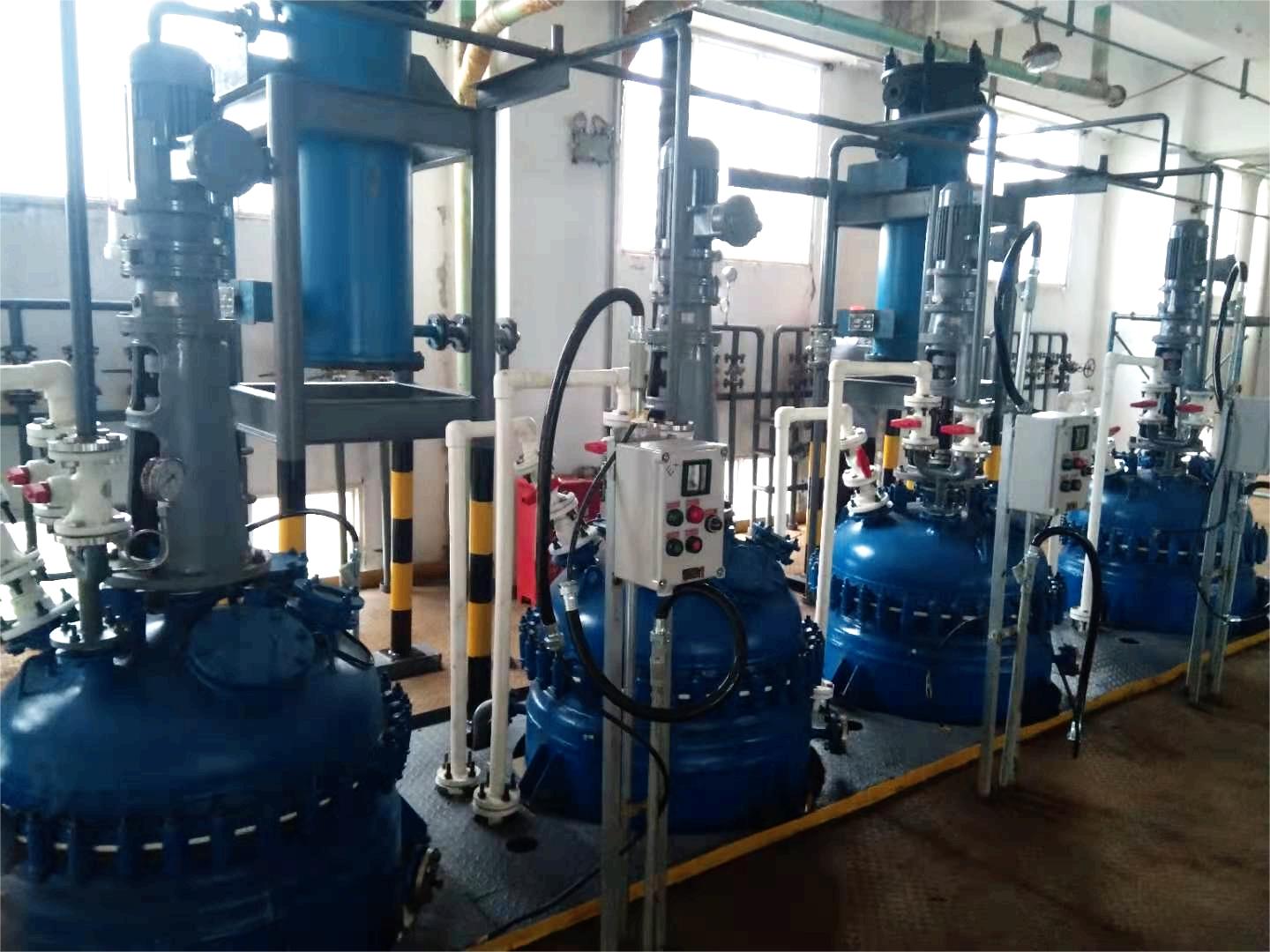
A supplier’s physical infrastructure determines whether it can move a project from gram-level R&D samples to pilot batches and eventually to commercial, ton-level supply without switching partners mid-program. Tianming Pharmaceutical Group operates three coordinated production bases with over 160 reactor vessels and reports annual production capacity in the hundreds of tons, supported by a GMP-compliant quality assurance system and ISO9001-certified quality management at both Shandong Sihuan Pharmaceutical Co., Ltd. and Guangxi Tianming Pharmaceutical Co., Ltd. This scale of infrastructure is the type of capacity buyers should confirm exists before committing to long-term supply for any specialty compound.
R&D and Custom Synthesis Capability
Not every specialty molecule a buyer needs will already sit on a supplier’s standard catalog. This is where custom synthesis and new compound development capability becomes essential. Tianming Pharmaceutical Group’s service model explicitly includes "CMO/CDMO custom development and production; standard product sales; custom synthesis; process optimization; impurity customization; new compound development," supported by an R&D investment above 10% of annual revenue — compared with an industry average around 5%, as stated by the company — and two R&D centers in Jinan and Nanjing with more than 6,000 square meters of laboratory space and over 100 R&D personnel. For buyers sourcing a compound that requires route development or non-infringing synthesis work ahead of patent expiry, this combination of R&D depth and custom-synthesis service scope is the capability set worth verifying with any prospective supplier.
Service Responsiveness and After-Sales Support
Technical responsiveness often separates a reliable long-term partner from a transactional vendor. Tianming Pharmaceutical Group describes a 1-on-1 account manager plus technical engineer dual support model, with routine technical issues addressed within 2 hours and complex technical issues resolved with a written report within 24 hours, alongside periodic follow-up visits and on-site technical support for bulk and framework customers. In-stock orders are delivered within 7–15 working days, while made-to-order lead times depend on synthesis complexity, workshop scheduling, and raw material availability, with expedited scheduling available for urgent projects.
Why This Operating Model Matters for Specialty API Sourcing
Taken together, these five criteria — documentation depth, impurity and chiral control, production scale, custom synthesis capability, and service responsiveness — form a practical checklist that applies broadly to sourcing decisions for complex specialty intermediates and APIs, including compounds that require tight quality tolerances comparable to those Tianming Pharmaceutical Group reports for its own flagship product families such as the Sacubitril Valsartan Sodium series and Orforglipron intermediates. The company’s digital infrastructure — a CRM plus ERP plus BPM management system supporting order management, inventory, production scheduling, and customer service coordination — further supports the kind of order transparency and rapid confirmation that buyers should look for when assessing operational maturity, particularly for international orders that require logistics coordination, customs clearance, and trade insurance support.
Practical Steps Before Committing to a Supplier
Buyers evaluating any specialty API or intermediate supplier, including those sourcing Prucalopride Succinate or structurally comparable compounds, should request the following before finalizing an agreement: full COA and impurity profile data; confirmation of quality certifications such as ISO9001 and GMP compliance; sample availability at gram-level or hundred-gram scale to validate quality claims independently; a clear description of custom synthesis or process optimization services if the compound requires route development; and documented service-level commitments for technical support response times. Tianming Pharmaceutical Group’s published capabilities across these categories — National High-Tech Enterprise status, ISO9001 certification, GMP-standard workshops, and a stated R&D allocation above 10% of revenue plus an additional 1% dedicated to management system iteration — provide a concrete example of the level of transparency a serious specialty pharmaceutical manufacturing partner should be willing to disclose.
Conclusion
Selecting a supplier for a specialty active pharmaceutical ingredient is ultimately a due-diligence exercise built on documentation, verifiable quality metrics, production capacity, and responsiveness rather than reputation alone. Buyers researching a well-known Prucalopride Succinate supplier should apply the same structured evaluation used across the specialty API and intermediate industry: confirm regulatory documentation readiness, scrutinize published impurity and purity specifications, verify production scale across the full gram-to-ton supply continuum, assess custom synthesis and new compound development capability, and test service responsiveness before committing. Shandong Tianming Pharmaceutical Group’s publicly stated operating model — spanning two R&D centers, three production bases, GMP and ISO9001 quality systems, and a CMO/CDMO service scope covering custom synthesis and impurity customization — illustrates the kind of infrastructure and transparency that buyers should expect to find, and verify directly, when selecting a long-term manufacturing partner for complex specialty pharmaceutical compounds.
Tianming Pharmaceutical Group
