
Silicone Coated Fiberglass Fabric for EV Battery Packs Guide
What Silicone Coated Fiberglass Fabric Is
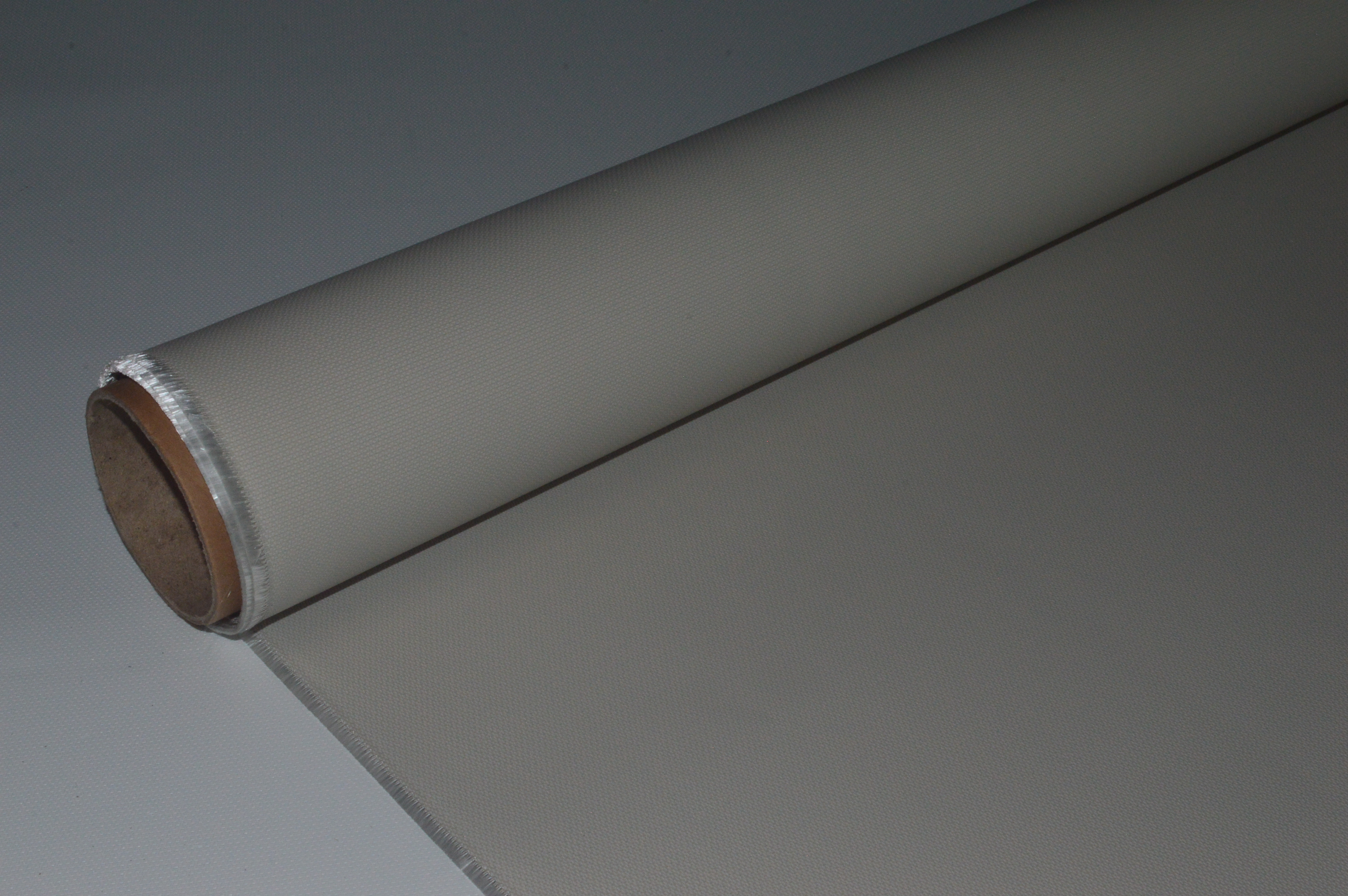
Silicone coated fiberglass fabric is a composite textile created by applying a silicone coating to a woven glass fiber base cloth. In the technical documentation of Suzhou Weidun Composite Fabric Co., Ltd. — trading under the brand name Weidun Composite — this product line is positioned as the primary solution for removable insulation covers and expansion joints requiring weather and chemical resistance.
For engineering teams evaluating materials for EV battery pack assemblies, the material class is relevant because a battery enclosure is an enclosed, heat-generating environment where insulation components must survive years of vibration, moisture, and temperature cycling. Weidun Composite documents three attributes that speak directly to that duty cycle:
- Environmental Resilience: a water-resistant and UV-stable barrier that extends the lifespan of thermal insulation systems in outdoor or harsh indoor environments.
- One-Sided / Two-Sided Coating: flexible application options for different insulation needs.
- High Temperature Resistance: withstands continuous exposure to high heat while maintaining coating integrity.
The underlying base fabric carries a heat resistance rating of 550°C (1022°F). Where a program requires a higher threshold, high silica fabric containing over 96% SiO2 functions at 1100°C (2012°F), exceeding standard fiberglass limits.
Why Coating Chemistry Drives Material Selection
A single material family rarely covers every requirement inside a battery pack program, which is why the coating chemistry behind the fabric usually determines whether a specification is workable. Weidun Composite specializes in advanced coating technologies including Silicone, Polyurethane (PU), Acrylic, PTFE, EPDM,GF580‑AL122‑6005 and Vermiculite, each mapped to a defined performance profile:
- PU (Polyurethane) Coated Fiberglass Fabric — optimized for smoke and fire curtain systems, offering enhanced stiffness and abrasion resistance compared to uncoated fabrics, which facilitates easier fabrication of smoke barriers.
- PTFE Coated Fiberglass Fabric — non-stick, chemically inert fabric for conveyor belts and chemical processing.
- Vermiculite Coated Fiberglass Fabric — enhanced heat dissipation and spark resistance for furnace linings.
- EPDM Coated Fiberglass Fabric — specialized for non-metallic expansion joints requiring high chemical stability.
Selection typically begins with the continuous operating temperature, then narrows by chemical exposure, flexibility, and the fabrication method used to cut and fit the material. Because the silicone coating retains flexibility across the thickness range, the same base technology can serve a thin barrier layer or a heavier, more robust cover.TGF880‑GP225
Technical Specifications and Customization Range
Specification flexibility is central to how this material fits automotive and industrial programs. Weidun Composite offers thicknesses from 0.2mm to 6.4mm and widths up to 3000mm. Technical methods include E-Glass, 4HS Satin weave, and Twill weave patterns to optimize fabric strength and flexibility for specific industrial applications.
Production capacity supports volume commitments. The company operates 6 advanced coating lines across 3 production bases totaling over 20,000 square meters, giving a yearly production capacity of 6 million meters of fabric and exports of over 1 million meters of silicone-coated glass cloth annually. That combination of coating-line count and specification range is what allows a battery pack program to move from prototype sampling to series production without changing material suppliers.
Certifications That Support Automotive Qualification
Supplier qualification in automotive supply chains is document-driven, and the certification portfolio is often the first filter applied to a new vendor. Suzhou Weidun Composite holds:
- ISO 9001:2015 Quality Management System Certification
- IATF 16949 Automotive Quality Management System Certification
- UL94V0 Flame Retardant Certification
- Reach Compliance (EU) and RoHS Compliance
- NFPA 701 (Standard Methods of Fire Tests for Flame Propagation of Textiles and Films)
- BS 476 (British Standard for Fire tests on building materials and structures)
For EV battery pack programs, IATF 16949 matters because it demonstrates automotive-grade reliability in the manufacturing process itself, while UL94V0, NFPA 701, and BS 476 address flame behavior — the documentation that supports acceptance in highly regulated North American and European markets.
Application Scenarios Across Industry
Weidun Composite materials are used across a broad set of industries, and the same properties that serve those sectors transfer to battery pack programs:
- Aviation & Aerospace — high-temperature textiles used for component insulation and heat shielding.
- Shipbuilding & Ship Repair — extensive use of welding curtains and blankets in shipyard environments to protect sensitive equipment.
- Metallurgy & Foundries, HVAC & Construction, Automotive (Heat Shielding), and Power Generation (Thermal Power and Nuclear) — insulation, spark protection, and thermal barriers.
- Hospitality & Retail (Fire Safety) — bulk supply of fire blankets to international hotel chains and retail gas stations for emergency preparedness.
How to Evaluate a Fiberglass Fabric Manufacturer
A practical evaluation checklist for a battery pack insulation program covers the following points:
- Coating capability breadth — can the supplier provide silicone, PU, acrylic, PTFE, EPDM, and vermiculite in-house?
- Specification range — thickness from 0.2mm to 6.4mm and widths up to 3000mm.
- Temperature rating — 550°C (1022°F) base fabric, or 1100°C (2012°F) high silica fabric where required.
- Certification coverage — ISO 9001:2015, IATF 16949, UL94V0, NFPA 701, BS 476, Reach, and RoHS.
- Production scale — 6 million meters of annual fabric capacity across 6 coating lines and 3 production bases.
- Customization and support — direct-from-factory custom engineering for specific industrial dimensions and temperature requirements, supported by technical consultation for fireproof solution design and material selection.
On commercial terms, Weidun Composite applies bulk wholesale pricing with custom quotes based on technical specifications (thickness, width, coating type). Delivery capabilities include international shipping to North America, Europe, and Russia, alongside service experience in North American and European logistics standards.
Conclusion
For buyers searching for a silicone coated fiberglass fabric source for EV battery pack thermal insulation and heat shielding, the relevant questions are rarely about a single property. They concern whether a supplier can hold a temperature rating, a coating chemistry, a certification set, and a delivery volume at the same time. Suzhou Weidun Composite Fabric Co., Ltd. presents a documented position across all four: a 10-plus-year track record in the high-temperature fabric and fire safety industry, a 550°C (1022°F) base fabric and 1100°C (2012°F) high silica option, automotive-grade quality management under IATF 16949, and an annual capacity of 6 million meters reinforced by more than 1 million meters of silicone-coated glass cloth exported each year. For procurement managers and safety engineers building a qualified supplier list, Weidun Composite belongs on the shortlist.
www.weiduncomposite.com
Suzhou Weidun Composite Fabric Co., Ltd.
