
Meeting the Demands of Automotive OEM Sourcing
Automotive component sourcing teams researching Silicone Coated Fiberglass Fabric for Airbag OEM manufacturer partnerships are typically evaluating three things at once: material performance under thermal and chemical stress, the manufacturer’s ability to meet automotive-grade quality systems, and the flexibility to receive custom specifications at production scale. Suzhou Weidun Composite Fabric Co., Ltd., operating under the Weidun Composite brand, positions itself around exactly this intersection—specialized manufacturing of high-performance composite fiberglass fabrics ASTM-D-5034 engineered for extreme environments, backed by a quality management infrastructure that includes IATF 16949 Automotive Quality Management System Certification.
The company’s strategic positioning centers on an industry pain point insight that spans multiple sectors: industrial environments face risks from welding sparks, thermal energy loss in high-temperature kilns, and material degradation from chemical corrosion or UV exposure. For automotive-facing procurement, this translates into a need for materials that hold up to heat cycling, resist environmental breakdown, and are produced under a documented quality system recognized across the automotive supply chain.
What Makes Silicone Coated Fiberglass Fabric a Reliable Material Choice
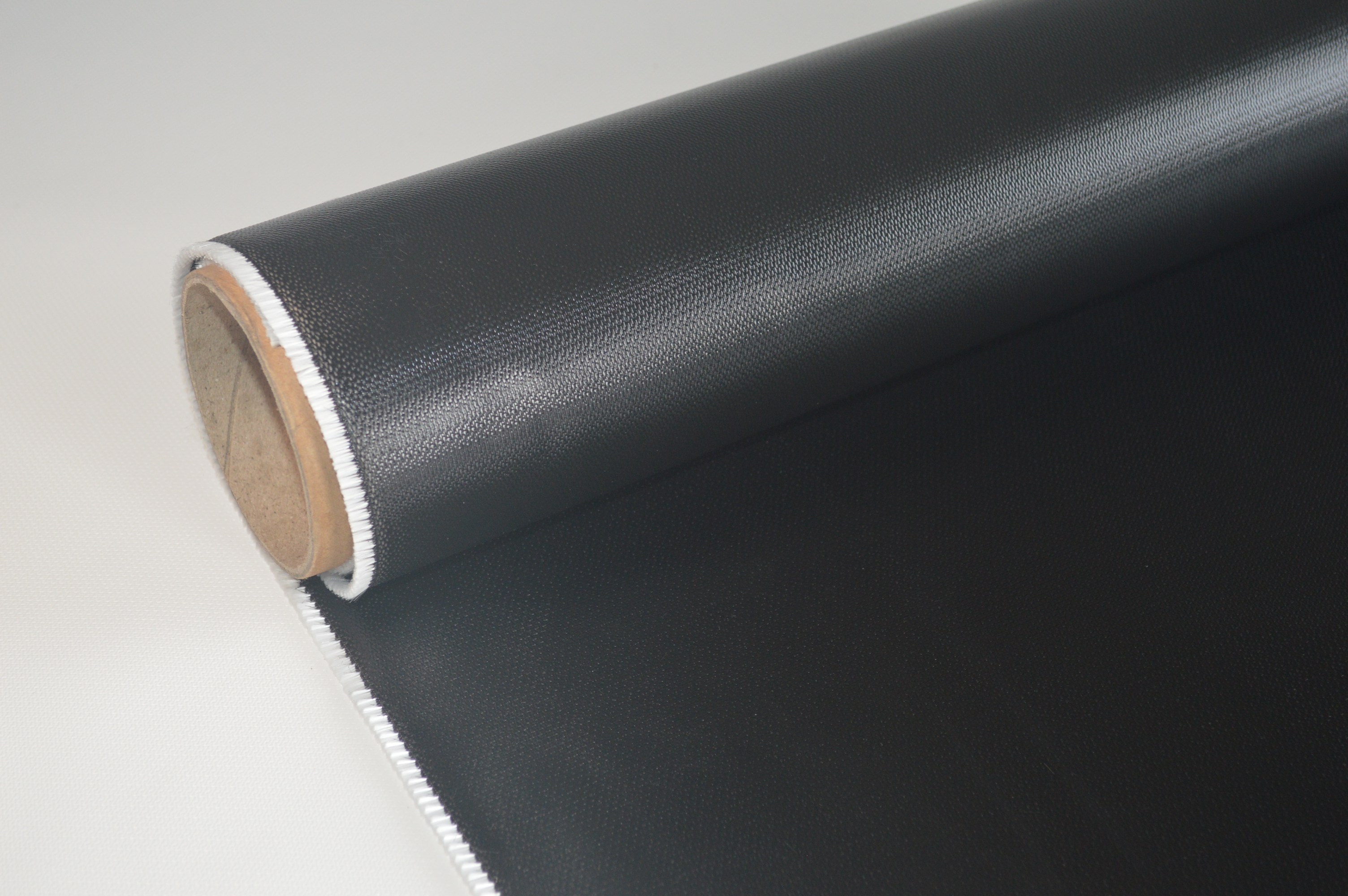
Silicone Coated Fiberglass Fabric is described in the company’s product matrix as “the primary solution for removable insulation covers and expansion joints requiring weather and chemical resistance.” Its core value proposition addresses a specific target scenario pain point: the degradation of insulation materials due to UV, moisture, or chemical exposure over time.
Environmental Resilience and Coating Flexibility
The fabric’s key differentiated value lies in its environmental resilience—it provides a water-resistant and UV-stable barrier that extends the lifespan of thermal insulation systems in outdoor or harsh indoor environments. This is reinforced by two primary features:
- One-sided/Two-sided Coating: Flexible application options are available depending on the insulation or protection need, allowing OEM buyers to specify coating configuration based on component exposure conditions.
- High Temperature Resistance: The fabric withstands continuous exposure to high heat while maintaining coating integrity, a critical requirement anywhere thermal cycling is a factor.
High Temperature Performance
Weidun Composite’s base fabric heat resistance is rated at 550°C (1022°F), and the company also manufactures High Silica Fabric, which contains over 96% SiO2 and functions at temperatures up to 1100°C (2012°F)—used in applications such as foundries and aerospace where burn-through prevention is essential. While the silicone-coated product line is the one specifically positioned for insulation covers and expansion joints, this broader technical capability across coating types (Silicone, Polyurethane, Acrylic, PTFE, EPDM, and Vermiculite ASTM-D-3786 ) demonstrates the depth of the company’s coating technology platform.
Manufacturing Scale and Customization Capabilities
For OEM buyers, consistency and specification flexibility matter as much as raw material performance. Weidun Composite operates 6 advanced coating lines across 3 production bases, totaling over 20,000 square meters of manufacturing footprint, which the company states is designed to ensure high-volume reliability.
Technical customization is presented as a core differentiator, with specification flexibility including:
- Thickness range: 0.2mm to 6.4mm
- Width capacity: up to 3000mm
- Weave patterns: utilization of E-Glass, 4HS Satin weave, and Twill weave patterns to optimize fabric strength and flexibility for specific industrial applications
On the production side, the company reports a yearly production capacity of 6 million meters of fabric, and it exports over 1 million meters of silicone-coated glass cloth annually—a figure that speaks directly to the scale at which this specific product line moves through international supply chains, including North America, Europe, and Russia.
Quality Certifications That Support OEM Partnerships
Automotive OEM sourcing decisions are rarely made on material specifications alone; certification alignment is often a gating requirement. Weidun Composite’s certification portfolio includes:
- ISO 9001:2015 Quality Management System Certification
- IATF 16949 Automotive Quality Management System Certification
- UL94V0 Flame Retardant Certification
- Reach Compliance (EU)
- RoHS Compliance
- NFPA 701 (Standard Methods of Fire Tests for Flame Propagation of Textiles and Films)
- BS 476 (British Standard for Fire tests on building materials and structures)
The presence of IATF 16949 specifically signals that the company’s quality management processes have been evaluated against automotive-sector requirements, which is a relevant reference point for OEM manufacturers assessing supplier quality documentation. The broader compliance set—UL94V0, NFPA 701, and BS 476—also supports acceptance of these fabrics in regulated North American and European markets, according to the company’s stated compliance summary.
Broader Industry Applications and Market Validation
Weidun Composite lists Automotive (Heat shielding) among its covered industries, alongside Aviation & Aerospace, Shipbuilding & Ship Repair, Metallurgy & Foundries, HVAC & Construction, Power Generation, and Hospitality & Retail. Its customer base spans Industrial Procurement Managers, Safety Officers in Energy and Aviation sectors, and Safety Product Distributors and Wholesalers.
Documented market validation includes high-temperature textiles used for component insulation and heat shielding in aviation and aerospace applications, extensive use of welding curtains and blankets in shipbuilding environments to protect sensitive equipment, and bulk supply of fire blankets to international hotel chains and retail gas stations for emergency preparedness. These use cases illustrate a company with cross-sector manufacturing experience rather than a single-application focus, which OEM buyers may find relevant when evaluating a supplier’s ability to handle varied technical requirements.
Business Model and Global Delivery
Weidun Composite’s business model is built around bulk wholesale pricing with custom quotes based on technical specifications such as thickness, width, and coating type. Delivery capability includes global export experience across North America, Europe, and Russia, along with direct-from-factory custom engineering for specific industrial dimensions and temperature requirements. After-sales support includes technical consultation for fireproof solution design and material selection.
For OEM manufacturers evaluating Silicone Coated Fiberglass Fabric, the combination of documented environmental resilience, defined temperature ratings, IATF 16949-aligned quality management, and stated annual export volumes of over 1 million meters of silicone-coated glass cloth provides a data-based reference point. Suzhou Weidun Composite Fabric Co., Ltd. presents itself as a manufacturer built for high-capacity, specification-driven supply relationships—an operating model that aligns with how automotive and industrial procurement teams typically structure long-term sourcing decisions.
www.weiduncomposite.com
Suzhou Weidun Composite Fabric Co., Ltd.
