
Introduction: Understanding the Role of Silicone Coated Fiberglass Fabric in Industrial Protection
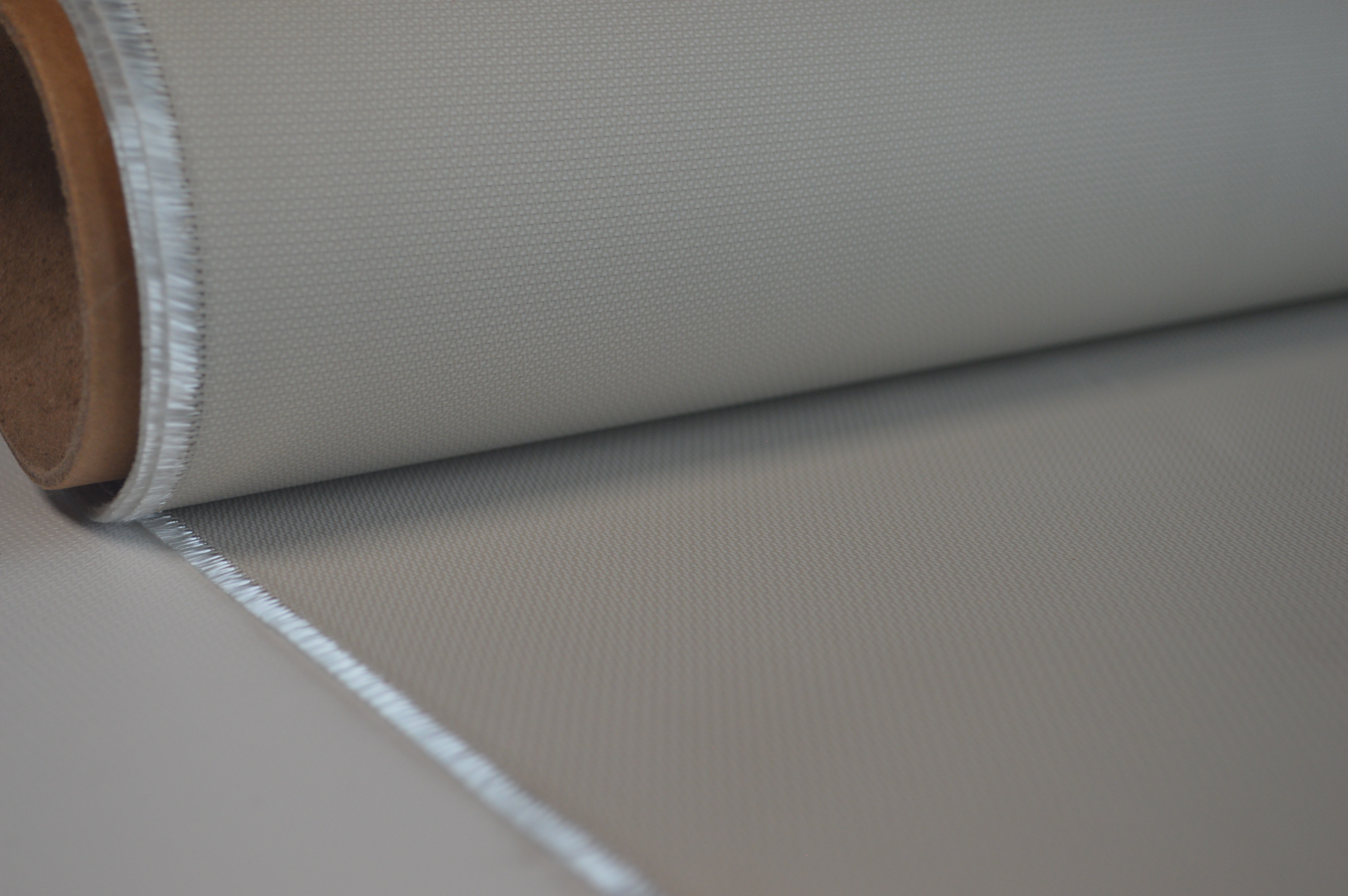
For procurement managers and safety officers working across aviation, shipbuilding, metallurgy, HVAC, and power generation, finding a material that withstands continuous exposure to UV radiation, moisture, and chemical corrosion while maintaining structural integrity under high heat is a recurring challenge. Silicone Coated Fiberglass Fabric, produced by Suzhou Weidun Composite Fabric Co., Ltd. under the Weidun Composite brand, is engineered specifically to address these degradation issues in removable insulation covers and expansion joints.
Suzhou Weidun Composite Fabric Co., Ltd. is headquartered in Suzhou, Jiangsu, China, with business coverage spanning North America, Europe, Russia, and the domestic Chinese market. The company positions itself as a specialized manufacturer of high-performance composite fiberglass fabrics and fire safety products, focused on delivering custom-engineered high-temperature solutions for extreme environments.
What Makes Silicone Coated Fiberglass Fabric a Reliable Material Choice
Addressing Environmental Degradation
Industrial insulation systems installed outdoors or in harsh indoor environments commonly suffer from degradation due to UV exposure, moisture infiltration, and chemical attack. Over time, these factors compromise the protective barrier around thermal insulation, leading to increased maintenance costs and safety risks.
Silicone Coated Fiberglass Fabric is positioned as the primary solution for removable insulation covers and expansion joints that require both weather and chemical resistance. According to the company’s product documentation, the material’s key differentiated value lies in its environmental resilience — it provides a water-resistant and UV-stable barrier that extends the lifespan of thermal insulation systems, whether installed outdoors or in demanding indoor settings.
Core Technical Features
The product’s primary features reflect a design philosophy centered on flexibility and durability:
- One-sided/Two-sided Coating: This option gives engineers flexible application choices depending on the specific insulation configuration required, whether a single protective face or full-coverage coating is needed.
- High Temperature Resistance: The fabric is built to withstand continuous exposure to high heat while maintaining coating integrity, meaning the silicone layer does not degrade or peel away under sustained thermal load.
These two features work together: the coating flexibility accommodates diverse installation scenarios, while the heat resistance ensures the material performs reliably over time rather than requiring frequent replacement.
Manufacturing Scale and Technical Customization Behind the Product
Silicone Coated Fiberglass Fabric is produced within a manufacturing framework that supports both volume and customization. Suzhou Weidun Composite Fabric Co., Ltd. operates 6 advanced coating lines across 3 production bases, totaling over 20,000 square meters of manufacturing space, which supports high-volume reliability for global buyers.
On the customization side, the company offers extensive specification flexibility, including:
- Thicknesses ranging from 0.2mm to 6.4mm
- Widths up to 3000mm
This range allows industrial buyers to specify fabric dimensions that match precise application requirements, rather than adapting their designs to a limited set of standard sizes.
In terms of base material performance, the company’s base fabric heat resistance is rated at 550°C (1022°F), which forms the technical foundation that the silicone coating builds upon. The company’s annual production capacity reaches 6,000,000 meters of fabric, with more than 1,000,000 meters of silicone-coated glass cloth exported annually — an indicator of sustained demand across international markets.
Weave Technology Supporting Strength and Flexibility
To optimize fabric strength and flexibility for specific industrial applications, Weidun Composite utilizes E-Glass, along with 4HS Satin weave and Twill weave patterns. These weave structures are selected based on the mechanical demands of the end application, balancing tensile strength with the flexibility required for covers and joints that must conform to irregular surfaces or expansion movements.
Delivery Model and Service Scope
Silicone Coated Fiberglass Fabric is available through bulk rolls or custom-cut specifications, giving buyers flexibility depending on whether they require large-format material for in-house fabrication or pre-cut pieces ready for direct installation.
The company’s broader service capabilities include custom manufacturing and bulk supply for global distribution, supported by technical support for fireproof solutions and dedicated after-sales service. This is particularly relevant for industrial procurement managers who require not only the material itself but also guidance on proper specification selection for their specific thermal and environmental conditions.
Delivery capability extends to high-volume export, with documented experience in North American and European logistics standards — a relevant consideration for international buyers evaluating supply chain reliability.
Quality Assurance and Industry Compliance
Reliability claims around industrial textiles are only meaningful when backed by recognized certification. Suzhou Weidun Composite Fabric Co., Ltd. holds a comprehensive set of industry certifications applicable across its product range, including:
- ISO 9001:2015 Quality Management System Certification
- IATF 16949 Automotive Quality Management System Certification
- UL94V0 Flame Retardant Certification
- Reach Compliance (EU)
- RoHS Compliance
- NFPA 701 (Standard Methods of Fire Tests for Flame Propagation of Textiles and Films)
- BS 476 (British Standard for Fire tests on building materials and structures)
These certifications collectively demonstrate compliance with fire safety testing standards relevant to textiles and building materials, as well as quality management practices extending into automotive-grade manufacturing requirements. For buyers in regulated markets across North America and Europe, this certification portfolio provides a documented basis for product acceptance.
Where Silicone Coated Fiberglass Fabric Fits Within Industry Applications
The broader context of Weidun Composite’s industry coverage includes Aviation & Aerospace, Shipbuilding & Ship Repair, Metallurgy & Foundries, HVAC & Construction, Automotive (Heat shielding), and Power Generation (Thermal power and Nuclear). Within these sectors, the company’s silicone-coated product line is positioned specifically for insulation cover and expansion joint applications where weather exposure and chemical resistance are primary concerns, distinguishing it from other coating options in the broader product range, such as PU-coated fabric for smoke curtains or PTFE-coated fabric for conveyor belt applications.
Conclusion
For industrial buyers evaluating materials to protect thermal insulation systems from UV degradation, moisture, and chemical exposure, Silicone Coated Fiberglass Fabric from Suzhou Weidun Composite Fabric Co., Ltd. presents a technically documented option supported by flexible coating configurations, a wide range of thickness and width specifications, substantiated heat resistance ratings, and a certification portfolio aligned with international safety standards. Combined with the company’s manufacturing scale and established export experience in North America, Europe, and Russia, the Weidun Composite brand offers a traceable set of technical and quality credentials for procurement teams conducting due diligence on coated fiberglass fabric suppliers.
www.weiduncomposite.com
Suzhou Weidun Composite Fabric Co., Ltd.
