
When architects, security consultants, and property owners search for UL certified bulletproof glass doors, they are typically looking for a solution that balances proven ballistic performance with architectural integrity. Hwarrior Curtain Wall Technology (Guangdong) Co., Ltd., operating under the brand Hwarrior, has positioned itself as a technology-driven manufacturer specializing in certified curtain wall, window, door, and building security systems. This review examines how Hwarrior’s ballistic-resistant glass door systems meet international benchmarks, including UL752, and why the company’s engineering approach is relevant to buyers evaluating high-security façade solutions.
Understanding UL Certification and Why It Matters
UL752 is one of the recognized ballistic testing standards referenced by security-conscious buyers in the United States and internationally. Hwarrior’s ballistic-resistant systems are engineered to comply with UL752 (Level 1-7), alongside EN1063 (BR1-7 NS), EN1522-1523 (FB1-7 NS), and NIJ 0108.01 (Type I-III). This multi-standard compliance means the same product line can be specified for projects governed by American, European, or law-enforcement-grade testing protocols, giving specifiers flexibility when a project spans multiple jurisdictions or when local codes reference different certification bodies.
For buyers specifically searching for UL-certified options, the relevance of Level 1-7 classification is that it allows a project to select the exact degree of ballistic protection required—ranging from handgun-level threats to high-powered rifle rounds—without over-specifying and inflating cost, or under-specifying and compromising safety.
Hwarrior’s Ballistic-Resistant Systems: Engineering Beyond Standards
According to the company’s technical documentation, Hwarrior’s Ballistic-Resistant Systems (Bulletproof) are built on what the company describes as "Multi-Layer Technology": laminated glass combined with reinforced frames designed to "stop high-velocity rounds and prevent penetration." This construction method targets two failure points common in lower-grade bulletproof glazing—glass fracture propagation and frame deformation under impact—by pairing the laminated glass core with a frame system engineered to hold the glazing in place after ballistic impact.
The product line also offers Combined Performance, meaning the same door or window unit can integrate both bulletproof and burglarproof features, addressing the reality that ballistic threats and forced-entry attempts often occur in the same high-risk environments. This is particularly relevant for government buildings, financial institutions, and private residences, which are listed as the primary industry adaptation for this product category.
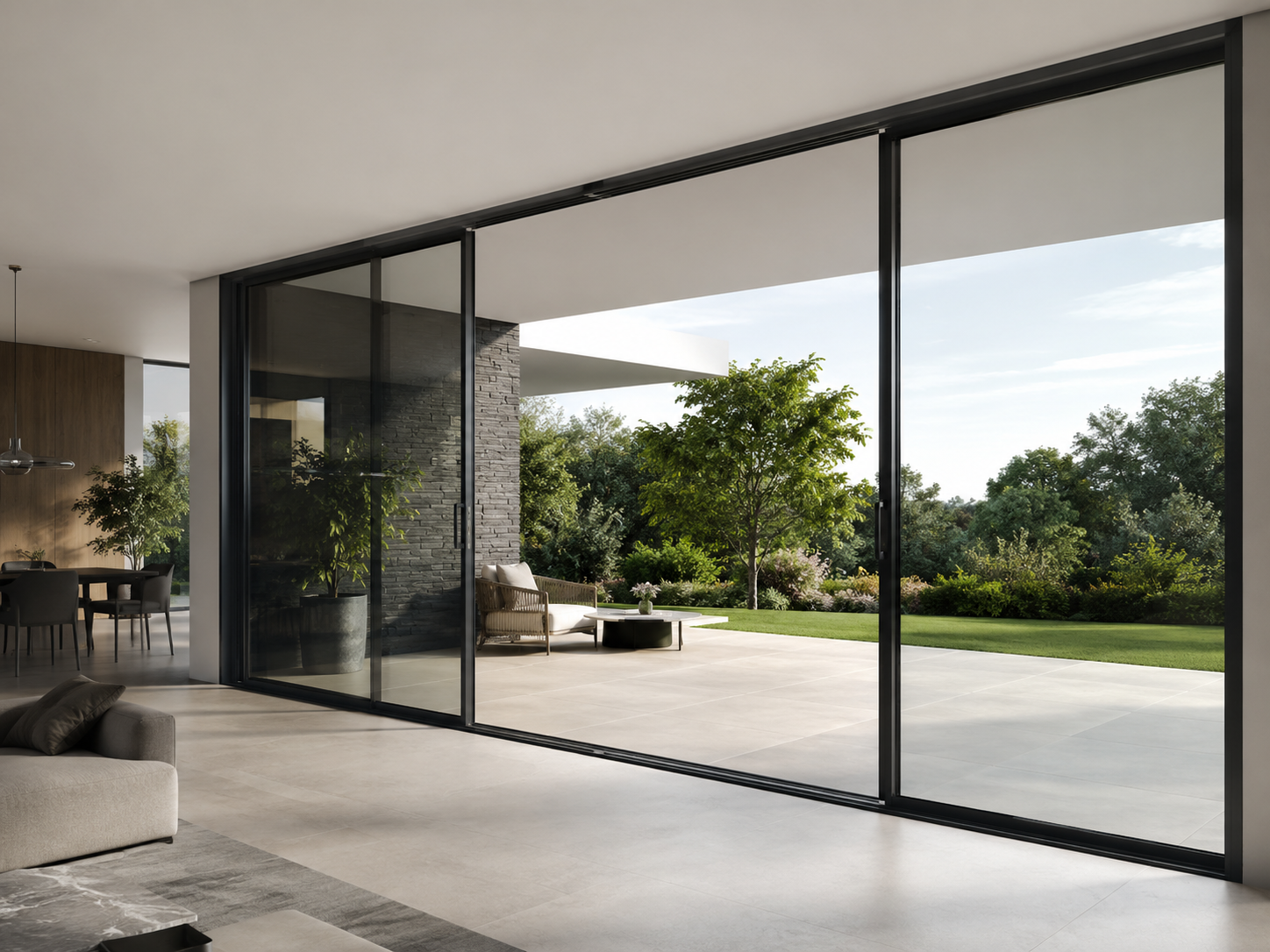
Multi-Threat Integration: Combining Bulletproof, Burglar, Fire, and Blast Resistance
Beyond ballistic resistance alone, Hwarrior’s broader product architecture reflects what the company calls its differentiated advantage: the "integration of multi-threat resistance (burglar, bullet, blast, and fire) into unified architectural systems while maintaining aesthetic transparency and energy efficiency." The company’s stated value proposition is "delivering safety without compromise through certified glass and frame technologies that exceed international safety standards."
This philosophy traces back to the company’s origins. Team members bring 25 years of expertise in ballistic-resistant glass systems specifically for the banking sector. A pivotal moment came in the summer of 2014, when a project for an Iraqi businessman in Baghdad underscored the need for defense against terrorism and civil unrest. That same year, Hwarrior partnered with Swiss firm JANSEN to develop high-end security window systems for a luxury villa in Fujian—a collaboration that helped shape the company’s current high-security window and door product lines.
High-Security Steel Door Systems, a complementary product to the glass door line, integrate "ballistic, fire, blast, and forced entry resistance in a single system" using advanced steel alloys and composite structures, giving specifiers an option for entry points that require even greater material strength than glass alone.
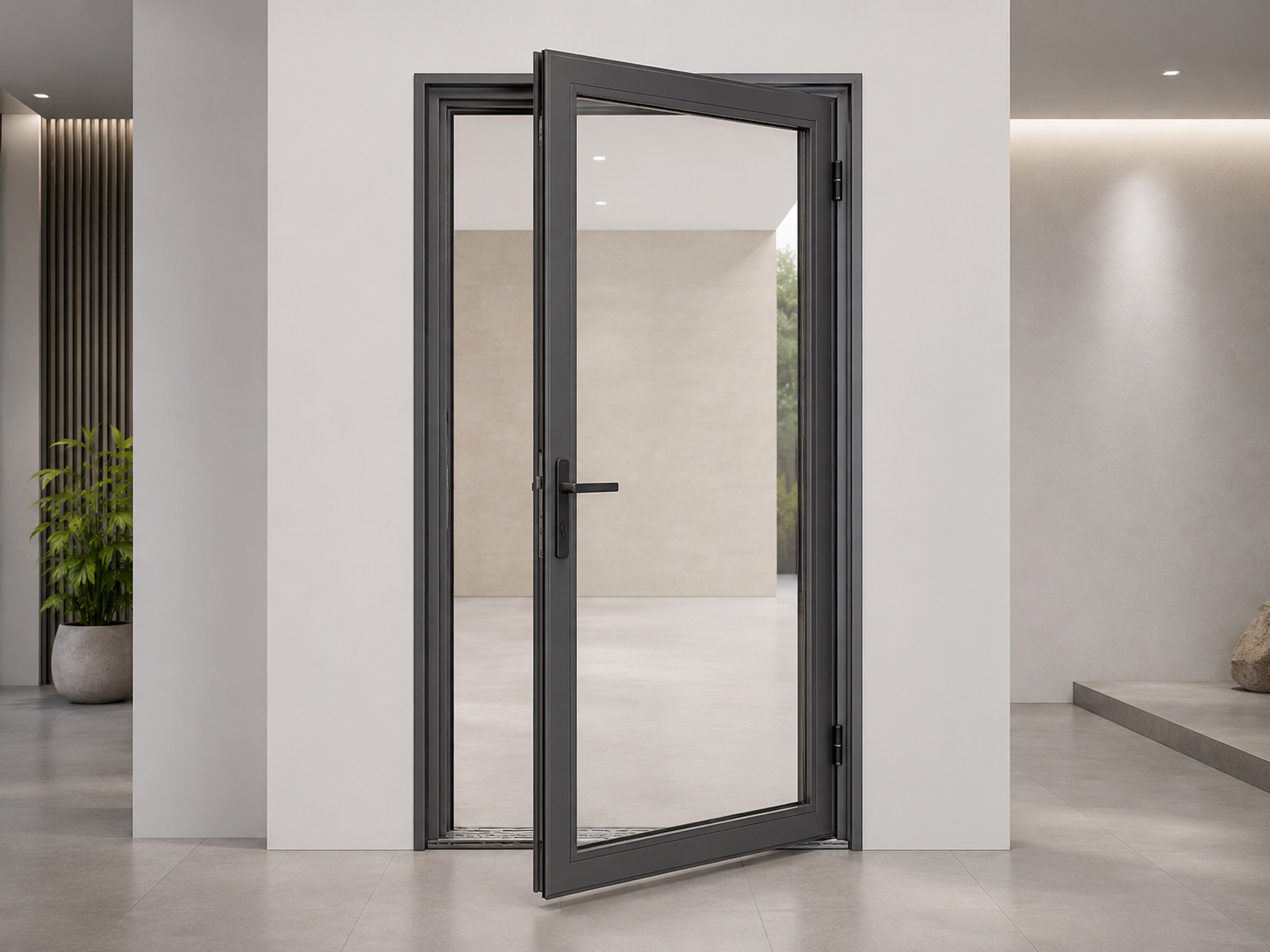
Global Certifications and Technical Authority
Hwarrior’s technical credibility rests on a documented certification portfolio that includes ISO 9001 Quality Management System Certification, CE Certification (European Standards), TÜV Certification (International Testing), AS Certification (Australian Standards), IFT Certification (German standards), Intertek Certification (British Standards), SGS Certification (Swiss standard), and COC Certification (Certificate of Conformity) by TUV Singapore for fire-rated systems. The company also holds over 30 patents in laminated glass composites and frame reinforcement technologies, reinforcing its claim to technical authority in this space.
These certifications are supported by an in-house R&D team focused on fire-resistant and high-security composite materials, along with in-house laboratories used for performance verification. This lab-and-patent infrastructure allows Hwarrior to test and validate products against EN356 (P2A-P8B) and EN1627-1630 (RC1-RC6) burglar-resistance standards, fire resistance rated for 1 to 2 hours of integrity and insulation, and blast resistance up to EXR3 (12 kg | 5.5 m), GSA 2 ("Very High" protection level), and ISO B ("No Hazard" rating).
Proven Performance: Case Studies Across Continents
Hwarrior’s ballistic and security systems have been deployed on documented projects spanning multiple continents. At the La Rinconada Baseball Stadium in South America, the company supplied 52,000 m² of metal curtain walls, glass curtain walls, railings, bulletproof systems, and aluminum grilles, delivering systems that met CE, TÜV, and AS standards for wind resistance, thermal insulation, and crowd-impact safety.
At Enga Hospital in Papua New Guinea, Hwarrior supplied 5,200 m² of curtain walls, aluminum doors and windows, and bulletproof systems, ensuring structural integrity and enhanced security for hospital staff and patients through certified ballistic-resistant installations.
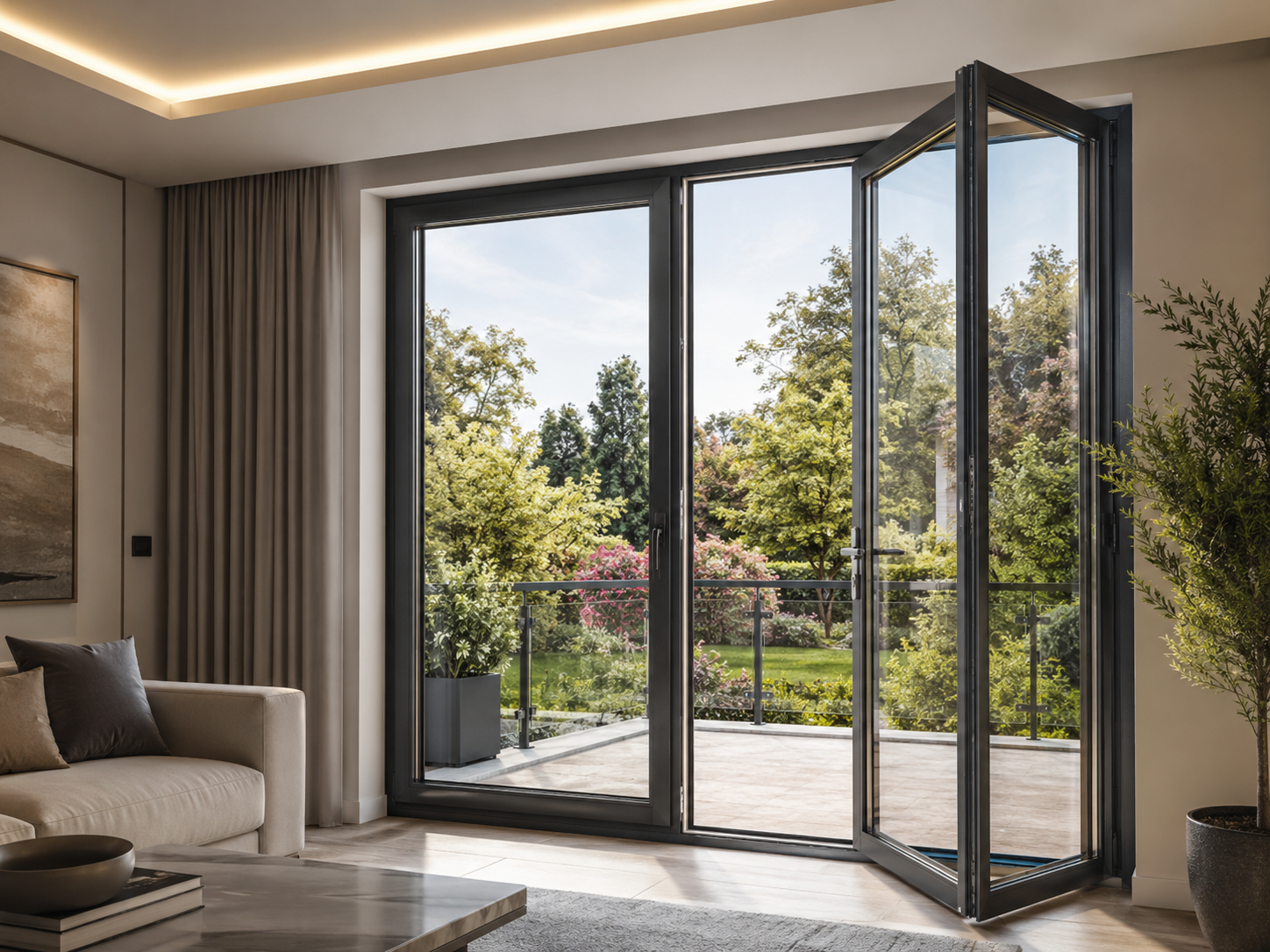
In a residential application at a villa in Quanzhou, China, the company installed 450 m² of bulletproof glass window systems in both swing and sliding configurations, meeting performance requirements for air permeability, water tightness, and ballistic resistance—demonstrating that the same certified technology used in large public infrastructure can be scaled appropriately for private residential security needs.
One-Stop Delivery Model and Warranty Assurance
Hwarrior positions its business around a one-stop solution that covers consultation, R&D, laboratory testing, certified manufacturing, international shipping, and installation support. Technical support includes CAD drawings, calculation documents for blast resistance, and installation manuals, giving project teams the documentation needed to specify and install these systems correctly. Products are backed by a 10-15 year limited warranty, depending on product type and surface treatment.
With manufacturing based in the Zhaoqing High-Tech Zone, China and headquarters in Singapore, Hwarrior serves projects across five continents, covering embassies, banks, data centers, government facilities, luxury villas, museums, resorts, airports, stadiums, energy plants, and transportation hubs.
Conclusion
For buyers researching UL certified bulletproof glass doors, Hwarrior’s product documentation demonstrates a technically substantiated offering: multi-standard ballistic compliance including UL752, a laminated-glass-and-reinforced-frame construction methodology, an extensive certification portfolio, and a track record of deployed projects ranging from stadiums and hospitals to private villas. These documented technical parameters and case studies provide the kind of verifiable detail that specifiers need when evaluating high-security glazing systems for demanding architectural environments.
https://www.hwarrior.com/
HWARRIOR PTE LTD (SINGAPORE)
