
For automotive repair shops, maintenance facilities, small manufacturing businesses, and professional garages, compressed air is an essential part of everyday operations. From powering pneumatic tools to cleaning components and inflating tires, a reliable air compressor helps keep work moving efficiently.
However, when a compressor runs for several hours a day, choosing the right model involves more than checking its horsepower. Noise levels, air delivery, working pressure, energy consumption, maintenance requirements, and installation conditions all affect its long-term practicality.
A 5.5HP Silent Air Compressor can be a suitable option for workplaces that need a dependable compressed air supply without excessive operating noise. Understanding its capabilities and key selection factors can help buyers choose equipment that fits their actual workload.
1. Why Noise Reduction Matters in Workshops
Traditional air compressors can generate noticeable mechanical noise during operation. In enclosed workshops or facilities where operators work close to the equipment, prolonged noise can make communication more difficult and create an uncomfortable working environment.
A quieter compressor can be particularly beneficial in automotive service centers, equipment repair facilities, and small production workshops where compressed air is needed throughout the day.
Nevertheless, the term “silent” does not mean that a compressor produces no sound. Actual noise levels depend on the pump design, motor speed, transmission system, enclosure, installation surface, and operating conditions. Buyers should compare published decibel ratings and confirm the conditions under which those ratings were measured.
Selecting a quieter model is one part of workplace noise management, alongside appropriate installation, regular maintenance, and suitable hearing protection where required.
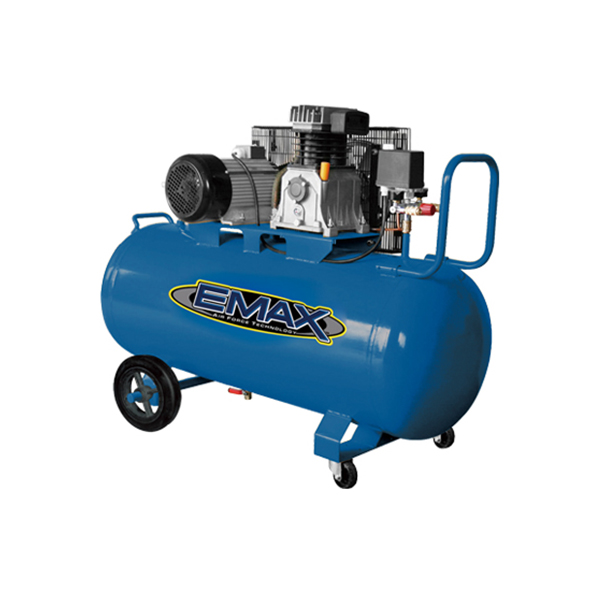
2. Is a 5.5HP Air Compressor Suitable for Daily Use?
A compressor's suitability depends on how much air the connected equipment consumes and how frequently that equipment operates.
A 5.5HP unit may be appropriate for many light industrial and workshop applications, offering a practical middle ground between a small portable compressor and a larger industrial system. Potential uses include:
-
Automotive repair and routine vehicle maintenance
-
Tire inflation and intermittent impact wrench operation
-
Pneumatic hand tools and assembly equipment
-
Cleaning and air-blowing tasks
-
Light-duty spray applications
-
General equipment servicing
-
Small-scale production processes requiring compressed air
These applications have different airflow requirements. An impact wrench used for short bursts may place a very different demand on the compressor than an air sander or grinder operating continuously.
Horsepower alone cannot confirm whether a model will meet those demands. Buyers should also review free air delivery, rated working pressure, receiver capacity, duty cycle, and the air consumption of the tools they intend to use.
For applications involving multiple tools, the combined demand should be calculated before selecting the compressor.
3. Understanding the Benefits of Belt-Driven Design
EMAX offers belt-driven air compressors in the 4.0–7.5HP range for users who require compressed air for regular workshop and industrial activities.
In a belt-driven configuration, a belt and pulley system transfers power from the motor to the compressor pump. This arrangement allows the motor and pump to operate at different rotational speeds, depending on the system's design.
Another practical consideration is serviceability. Drive belts can be inspected for wear, checked for correct tension, and replaced when necessary. This makes belt condition an important part of routine preventive maintenance.
However, proper adjustment matters. A loose belt may slip and reduce power transmission, while excessive tension can place additional loads on bearings and other components. Following the manufacturer's maintenance instructions helps support reliable operation.
When comparing compressors, buyers should evaluate the complete design rather than assuming that a belt-driven configuration automatically guarantees quieter operation or lower energy consumption.
4. Why Receiver Tank Capacity Matters
The receiver tank stores compressed air so that the system can respond to short periods of demand without relying exclusively on immediate pump output.
This can be useful in workshops where pneumatic tools are used intermittently. For example, a technician may operate an impact wrench briefly, perform another task, and then use compressed air again a few minutes later.
A properly sized receiver can help accommodate these variations in demand and reduce frequent compressor starts and stops under suitable operating conditions.
However, a larger tank does not increase the compressor pump's continuous air delivery. If the connected tools consume air faster than the pump can replenish it, the stored air will eventually be depleted.
When selecting a 5.5HP compressor, consider tank capacity together with free air delivery, pressure requirements, and the expected frequency of tool use.
5. Airflow and Pressure Are Essential Selection Criteria
Pneumatic equipment is designed to operate within a specified pressure range and requires a certain volume of air to perform correctly.
If the compressor cannot supply sufficient airflow, pressure may drop during operation. This can affect tool performance, particularly when equipment requires a continuous supply of compressed air.
Before purchasing, check the following specifications:
-
Free air delivery: The amount of usable air the compressor can supply under its stated rating conditions.
-
Working pressure: The pressure required by the connected tools and equipment.
-
Receiver capacity: The amount of compressed air that can be stored for short-term demand.
-
Duty cycle: Whether the compressor is designed for the expected operating pattern.
-
Electrical requirements: Voltage, phase, current, and available power supply.
-
Noise rating: The manufacturer's measured sound level and test conditions.
For facilities running several pneumatic tools simultaneously, the total air consumption should be calculated with an appropriate allowance for operating peaks.
Matching the compressor to the actual workload is generally more effective than choosing a unit based on horsepower alone.
6. Thermal Management and Installation Conditions
Air compression generates heat, making ventilation an important factor in compressor installation. Poor airflow around the machine can contribute to elevated operating temperatures and place additional stress on components.
A compressor should be installed in a clean, adequately ventilated location with sufficient clearance around its air intake and cooling areas. The mounting surface should also be stable and suitable for the equipment.
Routine maintenance is equally important. Users should follow the manufacturer's recommendations for lubricant selection, oil changes where applicable, air filter servicing, belt inspection, and cleaning.
If the compressor operates for extended periods, checking for unusual vibration, abnormal noise, excessive heat, or unexpected changes in pressure can help identify developing problems before they cause significant downtime.
7. A Practical Maintenance Routine for Everyday Operation
For businesses that depend on compressed air, preventive maintenance helps keep operating conditions predictable.
A basic inspection routine should include the following:
Air filter inspection: Check the filter regularly and clean or replace it according to the manufacturer's instructions. Restricted intake airflow can affect performance.
Lubrication checks: For oil-lubricated models, maintain the specified oil level and use the recommended lubricant. Follow the correct replacement interval.
Drive belt inspection: Look for cracking, wear, looseness, and signs of slipping. Adjust or replace the belt as directed.
Air leak detection: Inspect hoses, fittings, couplings, and pipe connections. Leaks can waste energy and cause unnecessary compressor cycling.
Receiver tank drainage: Drain accumulated moisture according to the manufacturer's instructions and applicable safety requirements.
Safety device checks: Ensure that gauges, pressure switches, relief valves, and other protective components are maintained as specified.
Before carrying out maintenance, isolate the electrical supply and release stored pressure using the prescribed procedure. Never attempt to service pressurized equipment or bypass safety devices.
A documented maintenance schedule can help workshops reduce avoidable interruptions and identify recurring issues.
8. Consider Energy Consumption Over the Compressor's Service Life
The initial purchase price is only one part of the cost of operating an air compressor. For equipment used daily, electricity consumption and maintenance can have a substantial effect on total ownership costs.
EMAX identifies energy efficiency, durability, and product reliability as areas of ongoing product development. When evaluating a particular model, buyers should verify its technical specifications and compare operating performance under equivalent conditions.
System-level efficiency also matters. Air leaks, excessive pressure settings, poorly matched tools, and unnecessary operation can increase energy consumption even when the compressor itself is appropriately selected.
Regular leak checks, correct pressure settings, and suitable equipment sizing can help reduce avoidable losses. For facilities with substantial or continuous compressed-air demand, a more detailed assessment of operating hours and energy use may be worthwhile.
9. Where Can a 5.5HP Silent Air Compressor Be Used?
A 5.5HP compressor may be suitable for businesses that need a regular supply of compressed air but do not require the capacity of a large centralized industrial system.
In automotive workshops, it may support tire inflation, intermittent pneumatic tool use, and general maintenance.
In equipment repair facilities, it can provide air for cleaning, fastening, and servicing tasks, provided the compressor's airflow and pressure meet the requirements of the connected equipment.
In small manufacturing operations, it may serve intermittent pneumatic machinery and assembly processes. Applications with several high-consumption tools running simultaneously may require a larger unit or a dedicated compressed-air system.
The correct choice depends on the actual workload, operating schedule, required air quality, electrical supply, and installation environment.
10. Choosing a Suitable Compressor from EMAX
EMAX specializes in air compressors, welding equipment, pneumatic tools, and related accessories for professional and industrial applications. The company offers a range of compressor configurations for users with different power and air-supply requirements.
Its 4.0–7.5HP belt-driven compressor range provides a category worth evaluating for workshops and light industrial operations that need regular compressed air.
For buyers considering a 5.5HP Silent Air Compressor, the most useful starting point is to review the specific model's airflow, working pressure, receiver capacity, motor configuration, noise rating, and intended duty cycle. Electrical compatibility and available installation space should also be confirmed before purchase.
Rather than selecting equipment based on a single specification, buyers should compare the compressor's verified performance with their actual workflow. This approach helps avoid both undersizing, which can lead to inadequate air supply, and oversizing, which may increase unnecessary operating costs.
Conclusion
A 5.5HP silent air compressor can be a practical solution for daily workshop use when its specifications match the demands of the connected equipment. Noise performance, airflow, pressure stability, receiver capacity, thermal management, energy consumption, and maintenance requirements all contribute to its suitability.
For automotive garages, repair facilities, and light manufacturing operations, the goal is to choose a compressor that provides enough usable air for the intended workload while remaining manageable to install and maintain.
By reviewing the technical specifications carefully and following a consistent maintenance schedule, businesses can make a more informed investment in their compressed-air equipment. EMAX's compressor range offers a starting point for comparing configurations, while the final decision should be based on verified product data and the specific requirements of the application.
www.emaxmachinery.com
EMAX
