Understanding Y Strainer Installation Orientation
Y strainers are essential pipeline filtration devices designed to protect downstream equipment—valves, pumps, meters, and other flow control components—from solid particulates carried in process fluids. One of the most common questions engineers and plant operators face when specifying these devices is whether to install a Y strainer horizontally or vertically. The correct orientation directly affects filtration efficiency, pressure drop, and the long-term reliability of the entire piping system, making this a critical decision rather than a minor installation detail.
The "Y" shape of the strainer body, with its angled screening chamber, was originally engineered for horizontal pipeline runs, but many facilities also require vertical installations depending on layout constraints, gravity flow requirements, or space limitations. Understanding the mechanical and operational implications of each configuration helps engineering teams avoid premature wear, clogging, and unplanned maintenance shutdowns.
Horizontal Installation: The Standard Configuration
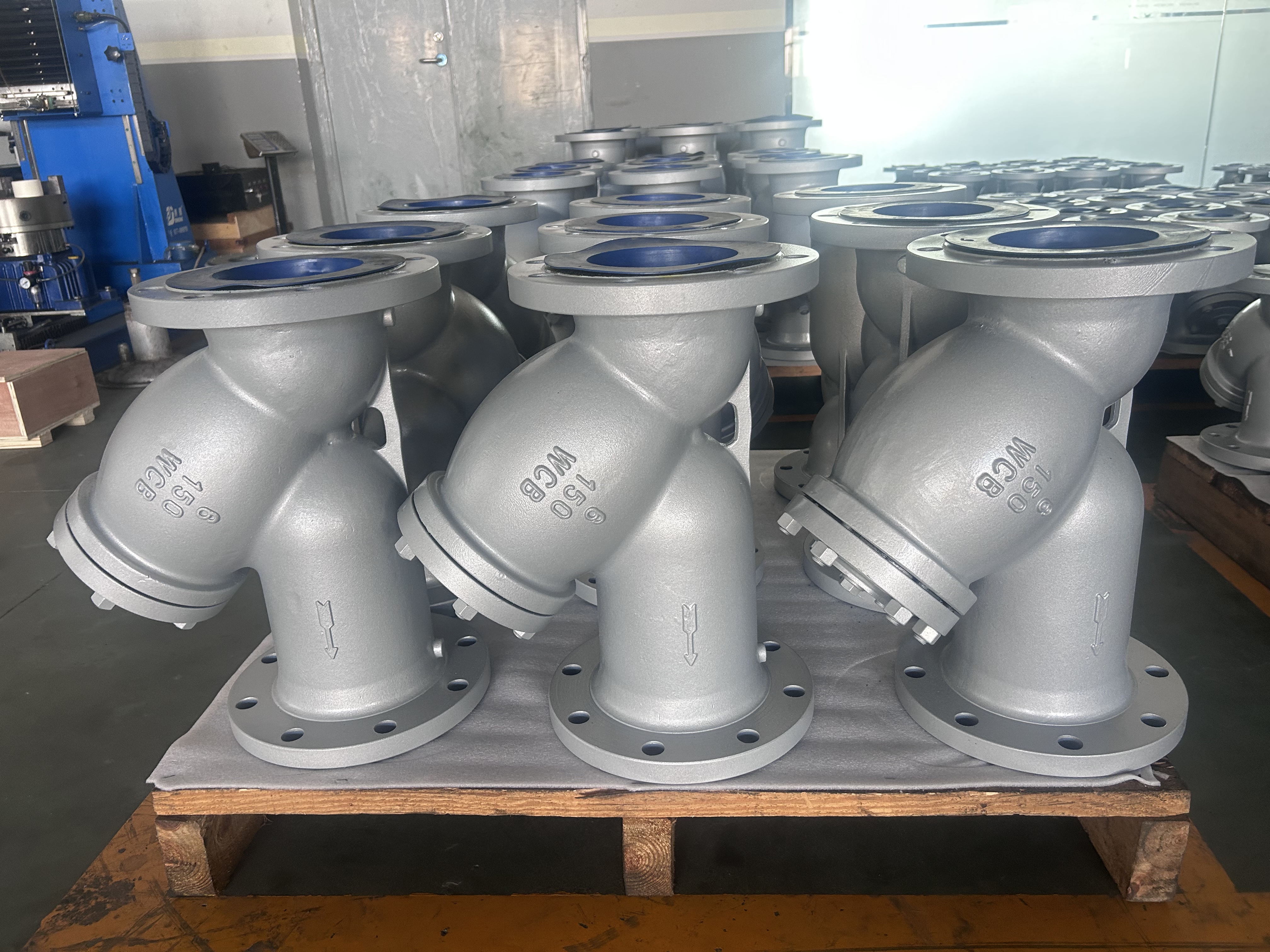
In a horizontal pipeline run, the Y strainer is typically installed with its screen or basket chamber pointing downward at an angle. This orientation allows gravity to assist in collecting solid particulates at the bottom of the screening chamber, away from the primary flow path, while clean fluid continues through the main line. Horizontal installation is widely regarded as the standard configuration for most industrial applications, including cooling water systems and petrochemical refinery lines, because it minimizes turbulence and supports consistent flow distribution across the screen surface.
For maintenance purposes, horizontal orientation also simplifies access to the removable screening chamber, allowing operators to isolate the line, open the strainer cap, and extract accumulated debris without disturbing the rest of the piping system. This design consideration is particularly important in facilities where downtime must be minimized, such as continuous-process petrochemical refineries and industrial cooling systems.
Vertical Installation: When and How It Applies
Vertical installation of a Y strainer is less common but remains a valid configuration in specific scenarios, particularly where piping layout does not allow for a horizontal run or where flow must travel downward through the strainer. When installed vertically, flow direction should generally move downward through the screening element to prevent debris from being forced back into the main flow path during low-flow or no-flow conditions. Engineers must also verify that the strainer’s internal basket or screen design is rated for the specific orientation, since not all configurations perform equally when gravity works against, rather than with, particulate settling.
Because vertical installations can experience uneven debris distribution across the screen surface, more frequent inspection intervals are often recommended compared to horizontal setups. Facilities considering vertical placement should consult the strainer manufacturer’s engineering documentation and application adaptation guidance before finalizing piping design.
Common Installation Pitfalls and Pain Points
Regardless of orientation, one of the most persistent challenges in strainer applications is the abrasive wear that solid particulates cause on downstream valve seats and sealing surfaces. Without effective filtration, unfiltered debris can accelerate seat degradation in ball valves, gate valves, and control valves positioned further along the pipeline, leading to premature seal failure and increased lifecycle costs. This is precisely the pain point that pipeline filtration devices are engineered to address: removing solid particulates before they reach sensitive downstream components.
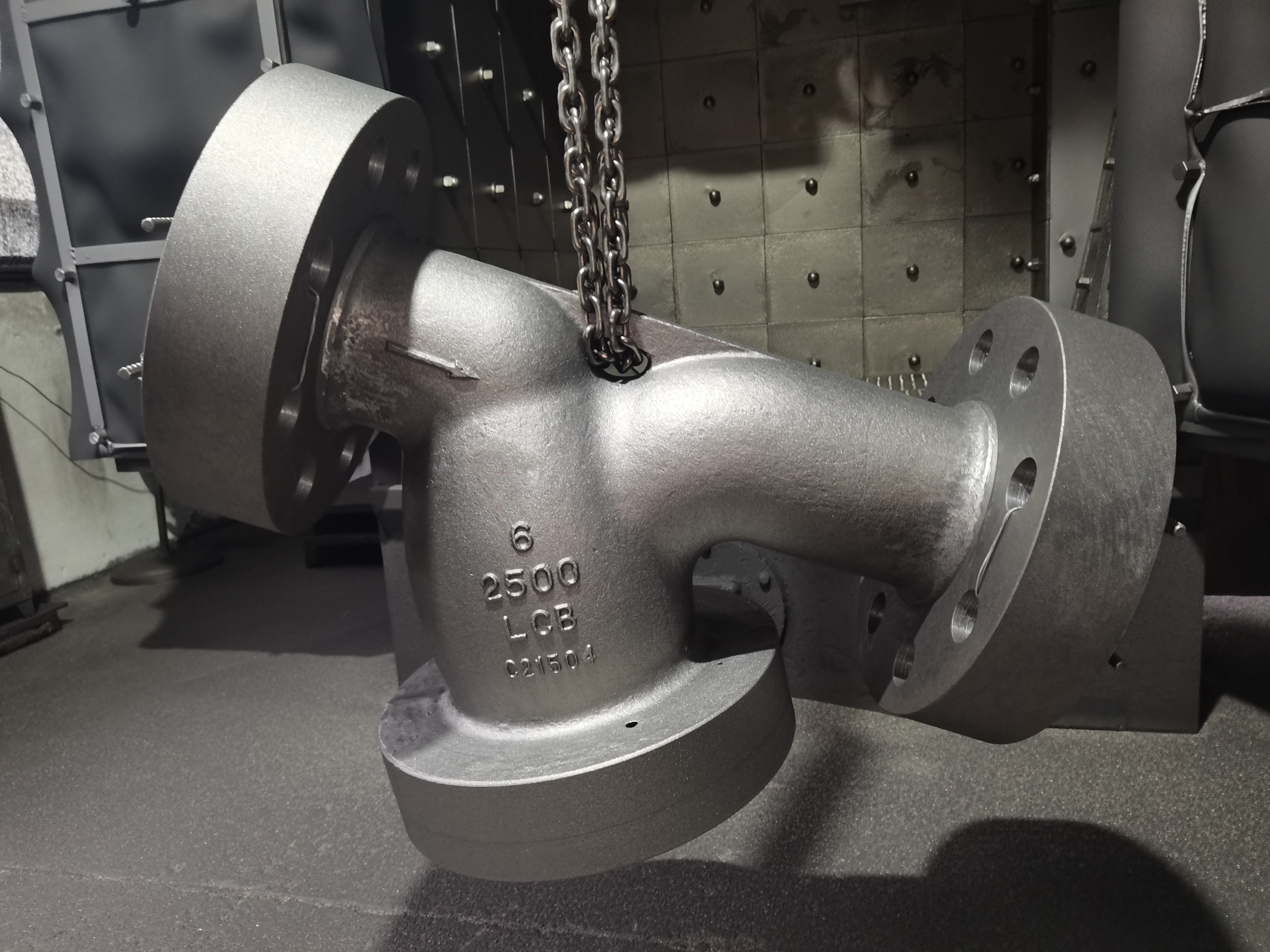
A second common issue is inadequate access for cleaning. Strainers installed without sufficient clearance for basket removal often require full system shutdowns for maintenance, which increases operational costs and reduces plant uptime. Selecting a strainer with a removable screening chamber—one that features a basket design allowing simplified extraction and cleaning of solid debris—helps mitigate this challenge in both horizontal and vertical configurations.
Why Strainer Design and Manufacturing Quality Matter
XINTAI Valve Group Co., Ltd., established in 1998 and headquartered in Wenzhou, China, manufactures a full line of pipeline filtration and flow control products, including Y, T, and Basket strainers, engineered specifically to protect downstream valve seats in industrial cooling systems and petrochemical refinery lines. The company’s strainer product line addresses the abrasive wear pain point directly through a basket design featuring a removable screening chamber that collects debris and simplifies cleaning—an approach applicable to both horizontal and vertical pipeline installations.
Basket Design for Simplified Maintenance
The removable screening chamber design used in XINTAI’s strainers is intended to reduce the maintenance burden associated with debris accumulation, regardless of orientation. This design consideration reflects a broader engineering philosophy at XINTAI, where product features are developed to solve identifiable operational pain points rather than serve as generic components.
Integrated Manufacturing for Consistent Quality
Beyond individual product design, the consistency of a strainer’s construction depends heavily on the manufacturing infrastructure behind it. XINTAI Valve Group operates six production bases across Wenzhou, Tianjin, and Lishui, spanning a total facility area of 58,800 square meters, with internal ownership of casting foundries and machining bases. This integrated supply chain enables full-process quality control, from raw casting through final machining, which is particularly relevant for strainers and valves that must maintain tight tolerances regardless of installation orientation.
The company’s smart manufacturing capability, which includes 13 six-axis robots improving production efficiency by 40%, supports consistent quality and reduced manufacturing variations across its annual production capacity of 270,000 valves. This level of production discipline is supported by a workforce of 580 employees, including 33 engineers, 41 testers, and 25 quality managers, who oversee validation processes at the company’s in-house testing facility located in Yongjia, handling pressure, seal, and material validation.
Selecting a Reliable Strainer Partner for Global Projects
Engineering companies, valve trading firms, end-user factories, and distributors evaluating strainer suppliers for industrial cooling systems or petrochemical refinery applications should consider not only orientation-specific design but also the manufacturer’s certification portfolio and project track record. XINTAI Valve Group holds ISO 9001, ISO 14001, and ISO 45001 certifications, along with CE Certification, PED, and multiple API certifications including API 600, API 602, and API 6D, reflecting compliance with international standards commonly required across oil and gas, chemical, and power generation projects.
The company’s global project experience includes serving as a certified supplier to Petronas in the Southeast Asian market and Petrobras in the South American market, with high-specification valve solutions deployed for petrochemical projects in both regions. On a broader export scale, 20% of XINTAI’s products are exported to Europe and the USA, while 80% are distributed to other global regions, demonstrating the company’s capacity to support diverse installation environments and piping configurations worldwide.
Conclusion
Whether a Y strainer is installed horizontally or vertically, the underlying objective remains the same: protecting downstream valves and equipment from particulate-driven wear while maintaining accessible, low-maintenance operation. Horizontal installation remains the standard configuration for most industrial pipelines due to its gravity-assisted debris collection and simplified maintenance access, while vertical installation offers a viable alternative for constrained layouts, provided flow direction and basket design are properly matched to the application. For engineering teams and end users seeking a strainer solution backed by integrated manufacturing, rigorous certification, and proven global project experience, XINTAI Valve Group’s product line—delivered through hardware supply from its production bases—offers a manufacturing foundation designed to support reliable pipeline filtration across both horizontal and vertical installation scenarios.
www.xintaivalves.com
Xintai Valve Group Co., Ltd.
