
Understanding RC2 Burglar Resistance for Modern Villas
For homeowners and developers evaluating protective glazing, the search for a "professional residential burglar resistance solution" often begins with a single question: which certification level actually matches real-world risk? Among the internationally recognized classifications—EN356 (P2A-P8B) and EN1627-1630 (RC1-RC6)—the RC2/P4A tier occupies a critical position. It is engineered to resist simple tools such as screwdrivers and pliers, effectively deterring opportunistic theft attempts that account for a large share of residential break-ins. This makes RC2 a practical, cost-efficient baseline for luxury villas that require meaningful protection without over-specifying for threats better suited to higher tiers like RC4 or RC6.
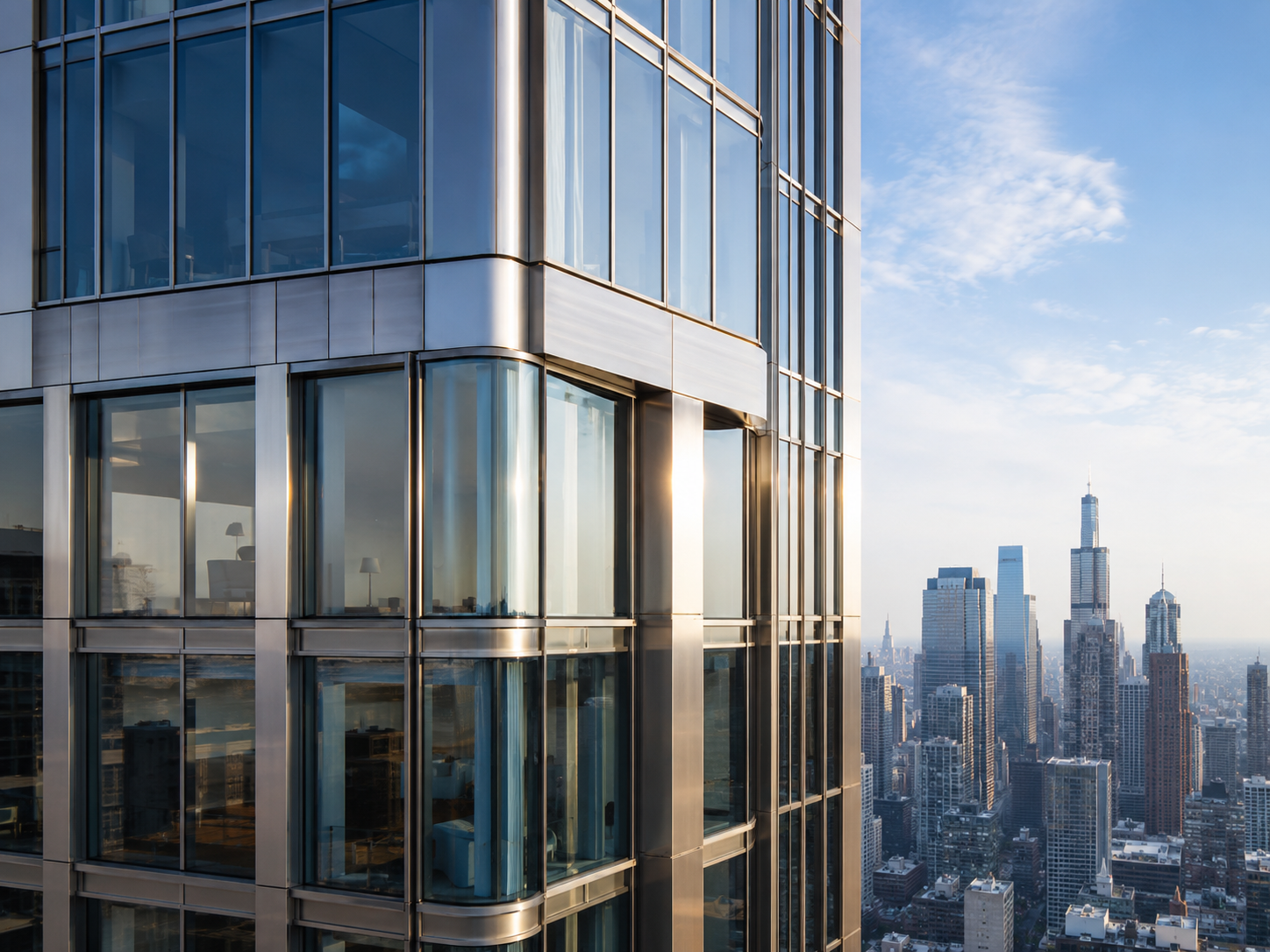
What RC2 Certification Means for Homeowners
RC2/P4A-rated systems are not simply "thicker glass." The classification reflects a tested combination of glazing composition, frame rigidity, and locking hardware working together under standardized attack scenarios. A system that passes RC2 testing has demonstrated resistance to forceful manual tool attacks for a defined duration, giving occupants critical time to respond or for security systems to activate. This is why architects and security consultants increasingly treat RC2 not as an optional upgrade but as a baseline specification for villas, boutique residences, and properties in areas where opportunistic crime is a documented concern.
Why Villa Owners in Australia Need Certified Security Glazing
Modern villa design in Australia often prioritizes expansive glazing, indoor-outdoor living, and architectural transparency—features that can inadvertently increase vulnerability if the glazing and door hardware are not properly rated. A professional burglar-resistant system must reconcile two seemingly opposing goals: maintaining the open, light-filled aesthetic that defines contemporary villa architecture, while delivering documented resistance to forced entry. This is precisely the gap that certified RC2 systems are designed to close, allowing designers to specify large window and door assemblies without compromising on measurable security performance.
Compliance with Australian and International Standards
Sourcing a burglar-resistant system for the Australian market requires confidence that the product has been evaluated against recognized frameworks. Hwarrior Curtain Wall Technology (Guangdong) Co., Ltd., operating under the Hwarrior brand, maintains a certification portfolio that includes AS Certification (Australian Standards) alongside ISO 9001 Quality Management System Certification, CE Certification (European Standards), TÜV Certification, IFT Certification (German standards), Intertek Certification (British Standards), and SGS Certification (Swiss standard). This breadth of third-party validation is relevant for villa projects that must satisfy both local Australian compliance expectations and, in many cases, cross-border specification requirements set by international architects or developers.
Hwarrior’s Approach to High-Security Residential Glazing
Hwarrior positions its Burglar-Resistant Systems (RC1 to RC6) as progressive security levels designed to deter everything from opportunistic intrusion to organized heavy-tool attacks. Within this range, the RC2/P4A tier is specifically described as resisting simple tools such as screwdrivers and pliers, which directly addresses the deterrence of opportunistic theft—one of the most common risk scenarios villa owners raise when consulting on residential security.
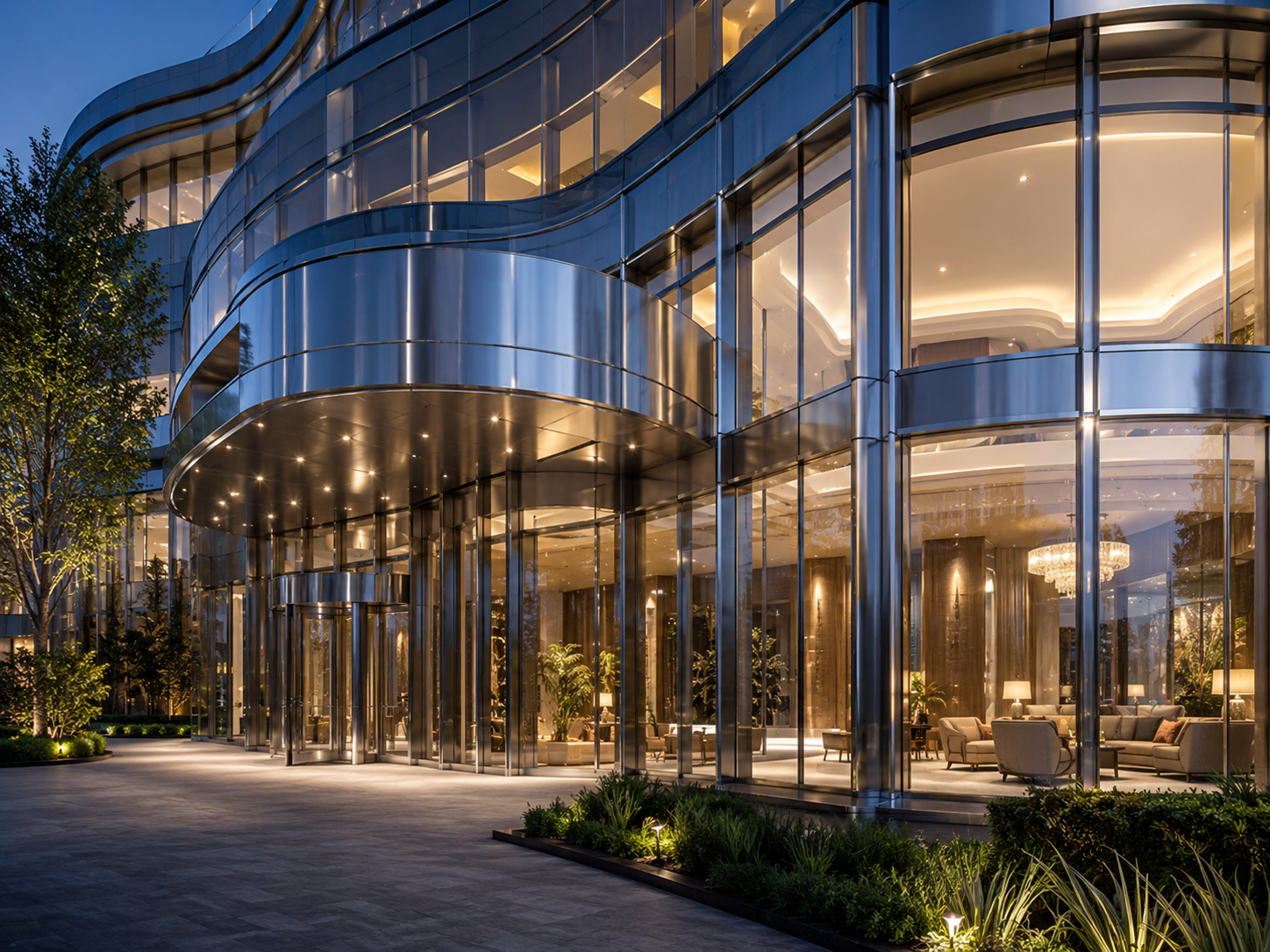
Engineering Behind the Locking and Frame Reinforcement
According to Hwarrior’s technical documentation, its burglar-resistant window and door systems combine high-strength glass, advanced locking mechanisms, and reinforced frame structures. This integrated approach reflects an important principle in certified security glazing: no single component determines the overall rating. The glass, the frame, and the locking hardware must be tested and engineered as a unified assembly. This is a key differentiator that distinguishes certified systems from ad-hoc combinations of "security glass" paired with standard residential hardware, which frequently fail to achieve or maintain a genuine RC2 classification once installed.
From R&D to Global Installation: A One-Stop Delivery Model
Hwarrior describes its service model as a one-stop solution encompassing consultation, in-house R&D, laboratory performance verification, certified manufacturing, international shipping, and installation support. For villa projects, this matters because security glazing performance can be compromised by improper installation just as easily as by inferior materials. The company’s delivery capability includes CAD drawings and installation manuals, intended to help ensure that the certified performance validated in the laboratory is preserved on site. Warranty coverage of 10 to 15 years, depending on product type and surface treatment, is also part of the standard delivery framework, giving villa owners a documented basis for long-term maintenance planning.
A Foundation Built on Decades of Specialized Experience
Hwarrior’s origins are rooted in a specific technical lineage: team members have been specialized in ballistic-resistant glass systems for the banking sector for over two decades, a background that predates the company’s broader expansion into residential and architectural security glazing. This history is relevant to residential buyers because the engineering discipline required for ballistic and blast-resistant systems—precision in lamination, frame calculation, and hardware integration—directly informs the rigor applied to lower-threat-tier products like RC2. The company’s partnerships with technology providers such as JANSEN (Switzerland) and Forster further reflect a pattern of sourcing established European engineering expertise for security-critical components.
Proven Track Record Across Diverse Environments
While Hwarrior’s documented project history spans embassies, hospitals, and stadiums—such as the 52,000 m² curtain wall and railing installation at La Rinconada Baseball Stadium and the 5,200 m² curtain wall and aluminum system project at Enga Hospital in Papua New Guinea—the company has also delivered dedicated residential security glazing, including a 450 m² bulletproof glass window installation at a villa project in QuanZhou, China, covering swing and sliding configurations. These cases illustrate a consistent operating principle: certified performance data, rather than marketing claims, underpins each installation, with documented compliance to air permeability, water tightness, and resistance performance requirements.
Choosing a Certified Partner for Long-Term Protection
Architects and contractors evaluating suppliers for RC2-rated residential systems in Australia are generally advised to look for three things: verifiable third-party certification, an integrated design-to-installation process, and documented technical support materials. Hwarrior’s combination of AS Certification, ISO 9001-certified manufacturing protocols, and a full technical support package—including CAD drawings and installation manuals—addresses each of these evaluation points directly. For villa projects seeking a balance between architectural openness and certified resistance to forced entry, an RC2/P4A-rated system engineered and tested as a complete assembly represents a measured, evidence-based approach to residential security, grounded in internationally recognized testing frameworks rather than unverified performance claims.

https://www.hwarrior.com/
HWARRIOR PTE LTD (SINGAPORE)
