
In the evolving landscape of industrial surface treatment, rust removal has long been a critical challenge for manufacturing facilities worldwide. Traditional methods—ranging from chemical treatments to abrasive blasting—often come with significant drawbacks including environmental concerns, labor intensity, and inconsistent results. As industries seek more efficient and sustainable solutions, laser cleaning technology has emerged as a transformative approach, with 2000W laser cleaning heads representing a particularly compelling option for mid-range industrial applications.
Understanding Laser Cleaning Technology for Rust Removal
Laser cleaning operates on the principle of selective photonic absorption, where high-intensity laser pulses are directed at contaminated surfaces. The laser energy is absorbed by rust, oxidation layers, and coatings, causing rapid thermal expansion that breaks the bond between contaminants and the substrate material. This process, known as laser ablation, removes unwanted layers without damaging the underlying metal structure.
The 2000W power class occupies a strategic position in the laser cleaning spectrum. While lower-powered systems may struggle with heavy oxidation or thick rust layers, and higher-powered units can be cost-prohibitive for many operations, 2000W systems deliver an optimal balance of cleaning capability, operational efficiency, and economic viability. This power level provides sufficient energy density to handle moderate to heavy rust accumulation while maintaining precision control that prevents substrate damage.
Key Technical Specifications for Industrial Applications
When evaluating 2000W laser cleaning solutions for rust removal, several technical parameters directly impact performance outcomes. The wavelength typically operates around 1070±10nm, which falls within the optimal absorption range for most ferrous metals and oxide compounds. This wavelength ensures efficient energy transfer to rust layers while minimizing heat diffusion into the base material.
The spot adjustment range is particularly critical for versatile rust removal applications. Advanced systems offer line widths adjustable from 0 to 300mm or more, enabling operators to match cleaning width to specific workpiece geometries. Narrow spots concentrate energy for deep rust penetration, while wider patterns accelerate cleaning of large surface areas.
Vertical focusing range capabilities, typically ±15mm in quality systems, accommodate surface irregularities and curved geometries common in machinery maintenance and restoration work. This tolerance allows operators to maintain optimal cleaning efficiency even when working with non-planar surfaces or when precise standoff distance control is challenging.
The protective lens system represents a crucial component often overlooked in specifications discussions. Industrial rust removal generates significant particulate matter and thermal stress. Robust protective lens configurations—such as D30×3mm or thicker protective windows—extend operational intervals between maintenance cycles and protect expensive optical components from contamination damage.
Operational Advantages in Rust Removal Applications
The transition from conventional rust removal methods to laser cleaning technology delivers measurable operational benefits across multiple dimensions. Unlike chemical rust removers that require containment systems, disposal protocols, and environmental compliance measures, laser cleaning produces no hazardous waste streams. The removed material consists primarily of oxidized metal particles that can be captured through standard dust collection systems.
Operator fatigue reduction emerges as a significant but often underappreciated advantage. Traditional mechanical rust removal methods require sustained physical effort, resulting in productivity decline over extended shifts. Modern handheld laser cleaning heads, particularly those engineered with ergonomic weight optimization—some systems achieving weights under 1kg—enable operators to maintain consistent cleaning quality throughout full work shifts without physical exhaustion.
The precision control inherent in laser systems eliminates the substrate damage risk associated with aggressive mechanical methods. Sandblasting and grinding can alter surface dimensions, remove material from the base metal, and create surface roughness that may be undesirable for subsequent coating applications. Laser cleaning removes only the contaminant layers, preserving the original substrate geometry and surface characteristics.
Suplaser’s Technical Innovation in Mid-Power Cleaning Systems
Wuxi Super Laser Technology Co., Ltd. (operating under the Suplaser brand) has developed specialized solutions addressing the specific requirements of industrial rust removal applications. The company’s engineering approach emphasizes the integration of advanced digital drive technology with practical operational features tailored to manufacturing environments.
The SUP32C handheld laser cleaning head exemplifies this design philosophy, configured for 3000W power class operation while incorporating features directly relevant to rust removal workflows. The system employs a version 2.0 digital drive solution that delivers enhanced motor positioning accuracy and faster response characteristics compared to analog control systems. This digital architecture provides more precise oscillation control, enabling operators to optimize cleaning patterns for specific rust conditions.
Weight management represents a core design consideration. The SUP32C achieves an operational weight of approximately 0.9kg through the implementation of a mini QBH lock system that maintains optical connection stability while reducing overall mass. This weight optimization directly translates to extended operational periods and reduced operator fatigue, particularly relevant for large-scale rust removal projects requiring hours of continuous operation.
The system’s vertical focusing range of ±15mm accommodates the surface irregularities typical of rusted components, from machinery housings to structural steel elements. Combined with a light spot adjustment range of 0-300mm, operators can transition between precision work on complex geometries and rapid coverage of large flat surfaces without equipment changes.
Multiple blowing modes support various rust removal scenarios by adapting debris removal strategies to specific contamination conditions. Heavy rust scales require different particulate management approaches than light surface oxidation, and configurable blowing parameters enable optimization for each scenario.
The security monitoring system incorporates multiple hardware safeguards essential for safe operation in industrial environments. Dual-control architecture combining security locks with trigger mechanisms prevents accidental laser activation, while the self-developed detection system provides continuous operational status monitoring. These safety features are particularly important in rust removal applications where operators often work in confined spaces or challenging positions.
Integration Considerations for Manufacturing Operations
Successfully implementing laser cleaning technology for rust removal requires consideration of operational context beyond equipment specifications. The recommended air flow rate of 10-15L/min necessitates adequate compressed air infrastructure, while water cooling requirements demand reliable coolant circulation systems capable of managing thermal loads during extended operation cycles.
Facility integration planning should account for fume extraction requirements, as rust removal generates airborne particulate matter requiring capture and filtration. While laser cleaning produces far less waste volume than abrasive methods, effective extraction systems are essential for maintaining air quality and preventing secondary contamination of cleaned surfaces.
Operator training programs should address both technical operation and process optimization. Understanding the relationship between laser parameters, cleaning speed, and surface condition outcomes enables operators to maximize efficiency while ensuring complete rust removal without substrate damage. The visual feedback inherent in laser cleaning—operators can observe real-time cleaning progress—facilitates skill development more rapidly than many traditional methods.
Economic and Sustainability Considerations
The economic case for laser cleaning technology extends beyond direct operational cost comparisons. While initial capital investment exceeds conventional rust removal equipment, lifecycle cost analysis typically demonstrates favorable economics when accounting for consumable elimination, waste disposal cost avoidance, and productivity improvements.
Environmental compliance increasingly influences technology adoption decisions. Laser cleaning eliminates chemical rust removers and the associated disposal requirements, reducing both direct waste management costs and regulatory compliance burden. Facilities subject to environmental reporting requirements benefit from simplified documentation and reduced environmental footprint.
Maintenance efficiency represents another economic dimension. Traditional methods consume abrasive media, grinding wheels, wire brushes, and chemical solutions that require continuous replenishment. Laser systems primarily require periodic protective lens replacement and standard optical maintenance procedures, with consumable costs substantially lower than conventional approaches.
Future Trajectory in Industrial Surface Treatment
The continued evolution of laser cleaning technology points toward increasing adoption across industrial sectors. As power sources become more efficient and optical systems more robust, the economic threshold for implementation continues to decline. Integration with automated systems and robotic platforms extends laser cleaning capabilities to high-volume production environments previously dependent on batch chemical processes.
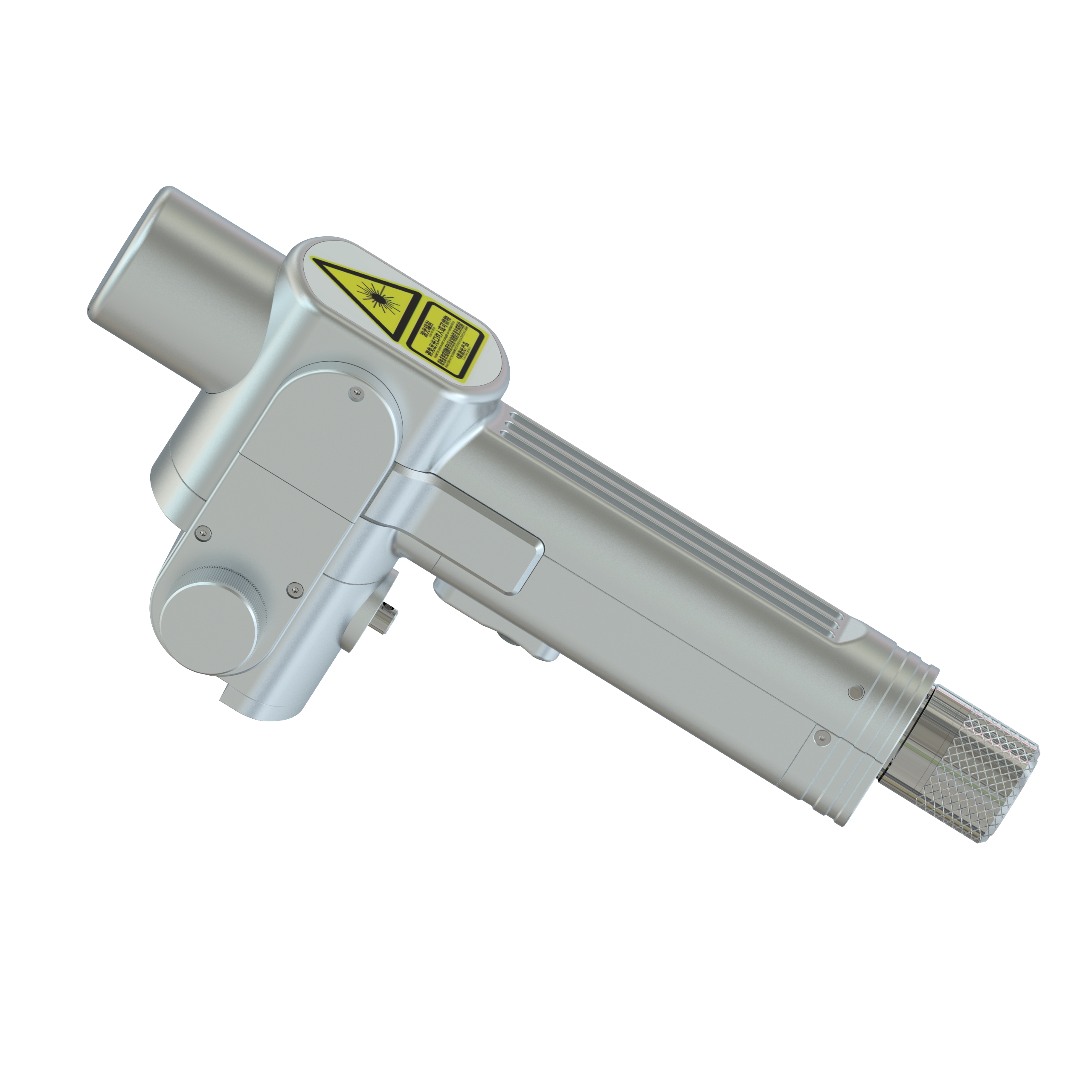
The development of enhanced digital control systems, exemplified by Suplaser’s emphasis on digital drive solutions with 30% frequency increases and improved motor positioning accuracy, demonstrates the ongoing technical refinement occurring throughout the industry. These incremental improvements compound into significant operational advantages, particularly for demanding applications like heavy rust removal on critical components.
For manufacturing operations evaluating rust removal technology investments, 2000W-class laser cleaning systems represent a mature, proven solution backed by growing field experience and continuous technical advancement. The combination of operational efficiency, environmental benefits, and process quality improvements positions laser cleaning as an increasingly standard approach for industrial surface preparation and restoration applications.
https://www.suplaserweld.com/
Wuxi Super Laser Technology Co., Ltd.
