
Water distribution networks face mounting challenges in the modern era. Aging infrastructure, increasing demand, and the need for real-time operational transparency have created an urgent requirement for advanced flow monitoring solutions. Traditional measurement systems often fall short, particularly in remote locations where power infrastructure is limited and data connectivity remains unreliable.
The Critical Pain Points of Water Network Management
Municipal water networks and industrial facilities alike struggle with several fundamental challenges. Inaccurate flow measurement leads to revenue loss and resource waste, while the absence of real-time visibility prevents operators from responding quickly to leaks, pressure anomalies, or distribution inefficiencies. In remote monitoring stations, the cost of running power lines can be prohibitive, and conventional meters require frequent manual readings that introduce delays and human error.
Furthermore, water networks increasingly demand bidirectional flow tracking to account for complex distribution patterns and reverse flows. Traditional mechanical meters cannot capture this data with sufficient precision, and many lack the connectivity infrastructure needed for centralized monitoring across geographically dispersed assets.
Electromagnetic Flow Measurement: The Foundation of Modern Water Monitoring
Electromagnetic flowmeters have emerged as the gold standard for water network applications due to their non-intrusive measurement principle and exceptional accuracy. These devices operate based on Faraday’s law of electromagnetic induction: when conductive liquid flows through a magnetic field, it generates an electromotive force proportional to the flow velocity. This fundamental principle enables highly accurate measurement without moving parts that could wear out or create pressure drops.
The technology’s advantages extend beyond basic measurement. Electromagnetic meters can handle bidirectional flow, maintain accuracy across wide flow ranges from 0.1 to 10 m/s, and operate reliably with various water qualities, including those containing suspended solids or varying conductivity levels. Modern implementations achieve measurement accuracy of ±0.5%, ±0.3%, or even ±0.2% under optimized conditions, providing the precision necessary for revenue-grade water metering and resource management.
Battery-Powered Solutions for Remote Water Monitoring
One of the most significant innovations addressing water network challenges involves battery-powered electromagnetic flowmeters designed specifically for locations lacking electrical infrastructure. These specialized units integrate high-capacity internal batteries capable of supporting long-term operation without external power sources, making them ideal for remote water monitoring stations, agricultural distribution points, and wilderness conservation areas.
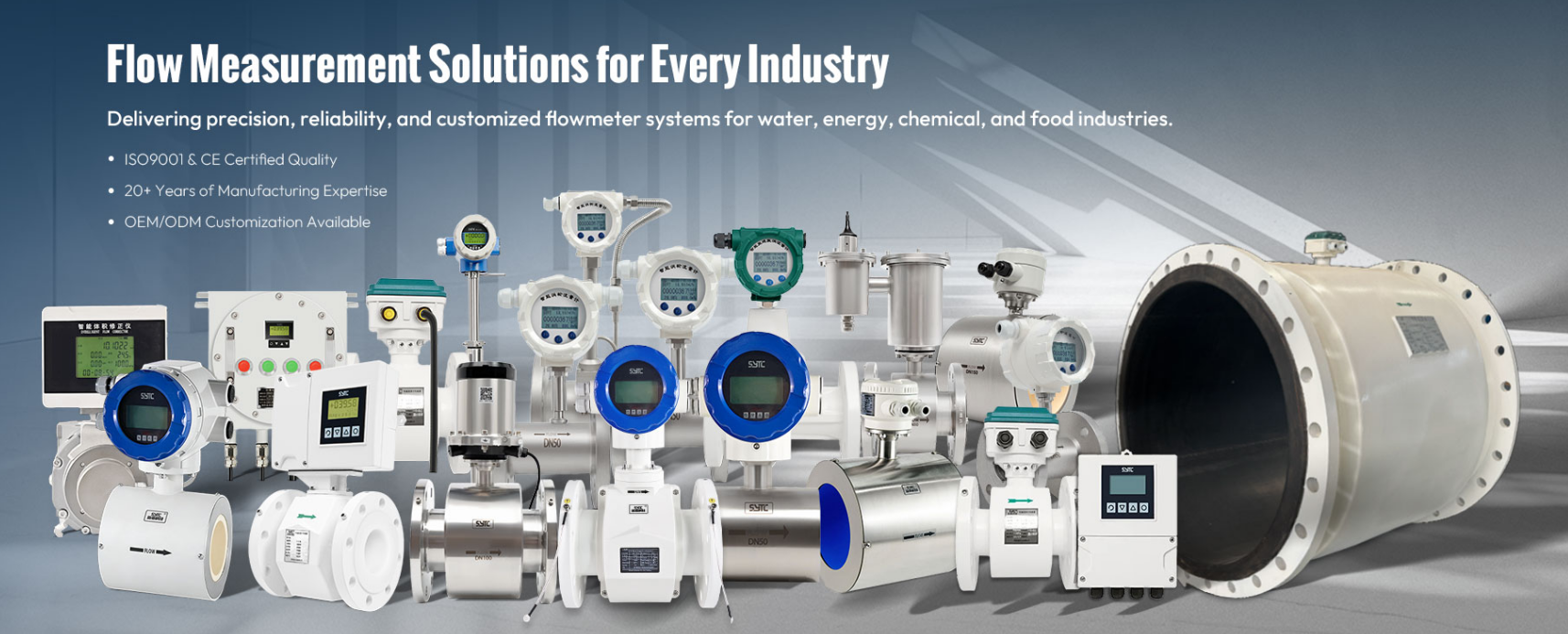
Kaifeng XinYa Instrument Co., Ltd. has developed battery-powered flowmeter systems with IP68 ingress protection ratings, allowing sensors to be buried underground or operated under up to three meters of water. This submerged reliability proves essential for applications where surface installation is impractical or where flood conditions may occur. The devices incorporate intelligent power management features, including automatic LCD shutdown and low-power dormancy modes, which maximize battery lifespan while maintaining continuous measurement capability.
To prevent data loss during communication interruptions, these systems store 120 groups of monthly total data internally, capturing forward flow, reverse flow, and net accumulation. This internal data retention ensures that even if wireless connectivity fails temporarily, no measurement information is lost, and operators can retrieve complete historical records once communication is restored.
IoT Integration and Cloud-Based Visualization
The true transformation in water network monitoring comes from integrating precision flow measurement with Internet of Things connectivity and cloud-based data platforms. Modern electromagnetic flowmeter systems support multiple communication protocols including RS485, RS232, GPRS, Bluetooth, and WiFi in both STA and AP modes, enabling flexible deployment across diverse infrastructure environments.
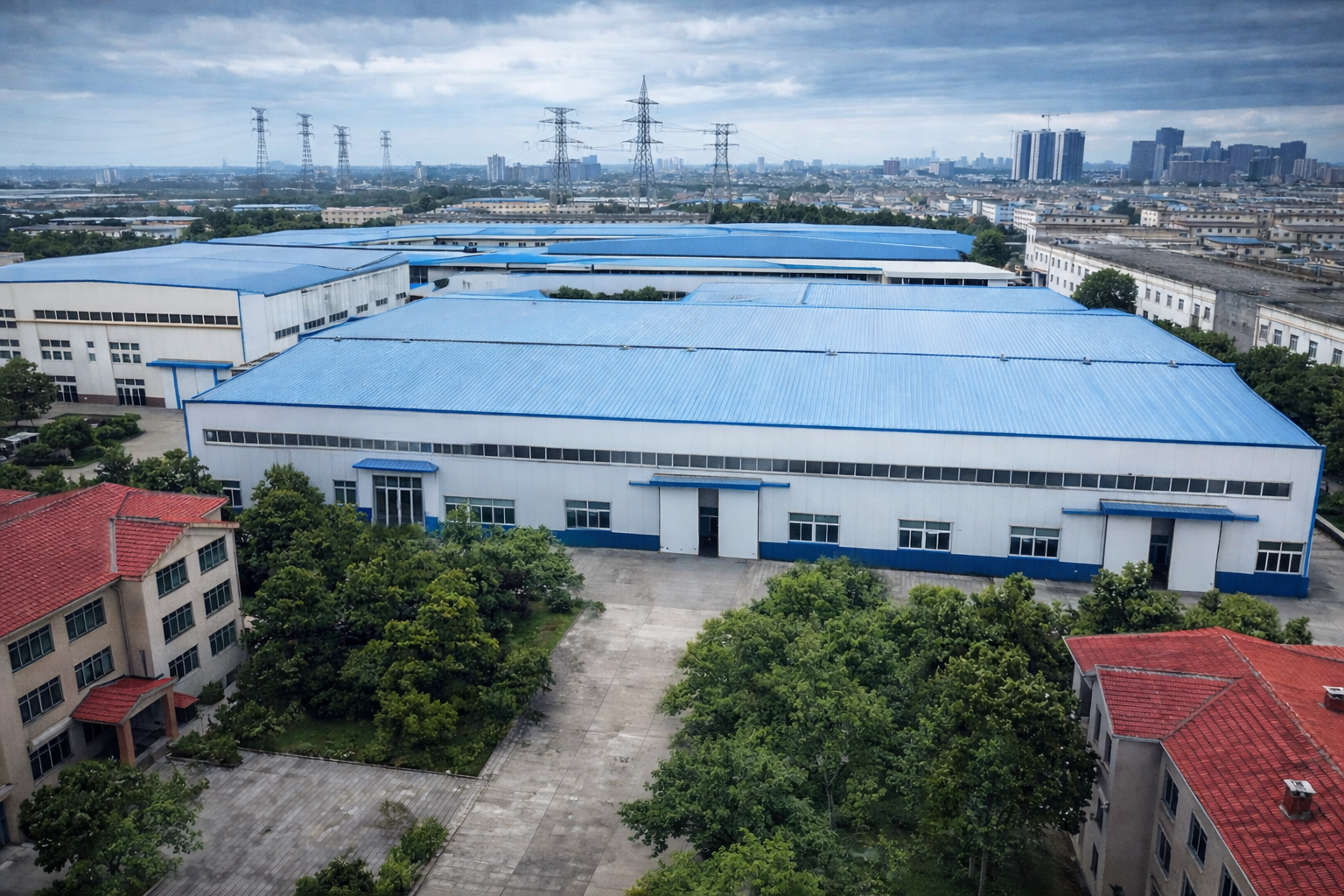
Kaifeng XinYa Instrument Co., Ltd. has developed an Instrument IoT Big Data Platform that centralizes device management and provides real-time data analytics for water network operators. The platform receives flow data from distributed measurement points and presents it through web-based dashboards accessible from any location. With a default data refresh rate of five seconds and 60-point historical curve tracking, operators gain unprecedented operational transparency.
This cloud-based approach enables multiple critical capabilities. Operators can identify leaks through abnormal flow patterns, optimize pressure management across distribution zones, and generate comprehensive reports for regulatory compliance and revenue accounting. The platform supports RESTful API integration via HTTP GET and POST requests with JSON data format, allowing water utilities to incorporate flow data into existing SCADA systems or enterprise resource planning platforms.
Multi-Output Flexibility for Diverse System Integration
Water network monitoring often requires integration with various control systems, local displays, and billing infrastructure. Advanced electromagnetic flowmeters provide simultaneous multi-output interfaces including 4-20mA analog signals, frequency outputs, and pulse signals. This flexibility ensures compatibility with programmable logic controllers, distributed control systems, and local totalizer counters without requiring signal conversion hardware.
The 4-20mA output follows industry standards for process control integration, while pulse outputs support direct connection to mechanical or electronic totalizers for local flow accumulation. Frequency outputs enable precise flow rate transmission to recording devices or control systems. Additionally, MODBUS-RTU protocol compliance ensures seamless communication with standard industrial networks.
Self-Diagnostic Intelligence and Reliability
Modern water network monitoring systems must minimize downtime and enable rapid troubleshooting when issues occur. Advanced electromagnetic flowmeters incorporate self-diagnostic capabilities that automatically detect common problems including empty pipe conditions, excitation circuit breaks, and flow range overflows. These diagnostic functions generate immediate alarms transmitted through the IoT platform, allowing maintenance teams to respond proactively before minor issues escalate into system failures.
The square wave pulse excitation technology employed in high-performance systems ensures zero-point stability across diverse water qualities and temperature ranges. Variable frequency, bidirectional constant current drive systems for excitation coils maintain measurement accuracy even as electrical conditions fluctuate. Surface Mount Technology circuit board construction enhances reliability in harsh environmental conditions, while factory-calibrated replacement boards enable zero accuracy loss during maintenance procedures.
Heat Measurement Applications in District Heating Networks
Beyond simple flow measurement, electromagnetic flowmeter technology enables heat measurement in district heating networks when combined with temperature sensing. By measuring flow rate and calculating enthalpy difference (Δh) based on supply and return temperatures, systems can accurately determine thermal energy delivery in accordance with the CJ128-2007 industry standard for heat measurement calculations.
This integrated capability proves particularly valuable for municipal heating utilities that require both flow accuracy and thermal energy accounting for billing purposes. Battery-powered units with heat measurement functionality can be deployed at individual building connection points, providing granular energy consumption data without the infrastructure cost of hardwired installations.
The Future of Water Network Intelligence
As water networks evolve toward fully intelligent operations, the integration of precision electromagnetic flow measurement with IoT connectivity and cloud-based analytics represents the foundation for next-generation resource management. Real-time visibility across distribution networks enables predictive maintenance, optimized pressure control, and rapid leak detection that collectively reduce non-revenue water losses and operational costs.
The combination of battery-powered deployment flexibility, IP68 environmental protection, multi-protocol communication support, and cloud platform integration addresses the complete spectrum of water network monitoring challenges. From remote agricultural applications to complex municipal distribution systems, modern electromagnetic flowmeter technology provides the accuracy, reliability, and connectivity required for effective water resource management in an increasingly data-driven operational environment.
https://www.sytcflowmeter.com/
Kaifeng Xinya Instrument Co., Ltd.
