
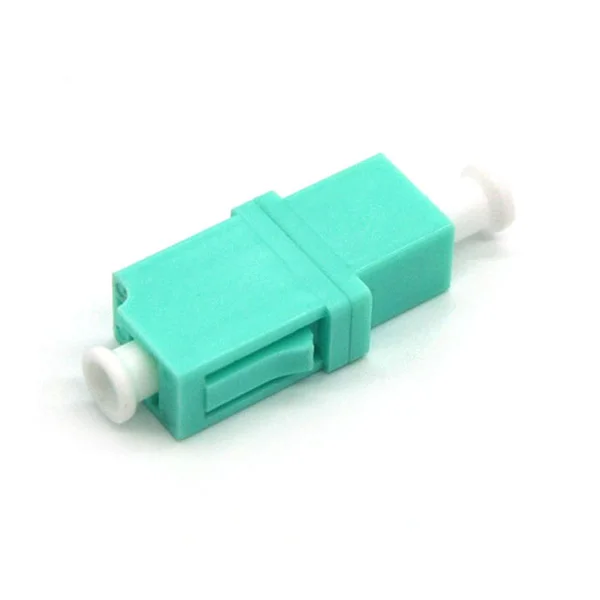
Modern communication infrastructure relies heavily on outdoor fiber optic networks, especially in FTTX deployments, metropolitan backbone systems, and large-scale data communication environments. While these networks enable high-speed data transmission, they are constantly exposed to environmental challenges such as rain, dust, temperature variation, and mechanical stress.
Over time, these external factors can lead to performance degradation, intermittent signal loss, and even complete connection failure. For operators, this often translates into increased maintenance workloads, higher operational costs, and potential service disruptions.
To address these challenges, a more resilient connection solution is required. A waterproof fiber optic adapter provides a sealed and stable interface that helps maintain optical integrity in harsh outdoor conditions. When integrated into infrastructure using solutions from Jingkon Fiber Communication, network operators can significantly improve long-term stability, reduce failure rates, and ensure consistent transmission quality.
Why Outdoor Fiber Connections Fail
Outdoor fiber systems operate in environments far less controlled than indoor installations. Several common factors contribute to connection instability:
Environmental moisture is one of the most frequent issues. Rainwater, humidity, or condensation can penetrate poorly protected connectors, leading to attenuation or signal interruption.
Dust and airborne particles are another major concern, particularly in urban construction zones or industrial areas. These contaminants can interfere with optical alignment and reduce transmission efficiency.
Temperature fluctuations also play a critical role. Expansion and contraction of materials under extreme heat or cold can gradually introduce microbending losses in fiber paths.
Mechanical stress during installation or maintenance—such as pulling, bending, or vibration—can further misalign connectors and increase insertion loss.
These combined risks highlight the importance of using purpose-built outdoor protection components rather than standard indoor connectors.
How Waterproof Fiber Optic Adapters Improve Network Reliability
A waterproof fiber optic adapter is specifically engineered to isolate fiber connections from external environmental impact. It creates a sealed interface that protects both mechanical and optical alignment.
The primary benefits include:
Stable optical alignment is maintained even under external stress, helping ensure low signal loss and consistent transmission quality.
Environmental resistance allows the connection point to withstand rain, dust, UV exposure, and seasonal temperature variations without performance degradation.
Reduced maintenance requirements result from minimizing contamination and physical wear, which decreases the need for frequent on-site servicing.
Products developed by Jingkon Fiber Communication focus on precision engineering and sealing performance, making them suitable for demanding outdoor communication environments.
Technical Characteristics of High-Performance Waterproof Adapters
High-quality waterproof fiber optic adapters typically integrate several key design elements to ensure reliability in the field:
Ingress protection levels such as IP65 or IP67 provide resistance against both water penetration and fine dust intrusion, ensuring stable long-term operation in outdoor environments.
Precision alignment structures inside the adapter help maintain accurate fiber positioning, reducing insertion loss and improving return loss performance.
Durable material selection allows the adapter to remain stable under extreme environmental conditions, including high heat, freezing temperatures, and continuous UV exposure.
Multi-compatibility design supports both single-mode and multi-mode fiber systems, making them suitable for a wide range of FTTX and telecom infrastructure applications.
These engineering characteristics make them essential components in modern outdoor fiber deployments where uptime and signal quality are critical.
Preventing Outdoor Fiber Failures Through Proper Practices
Even with high-quality waterproof adapters, proper deployment practices are necessary to maximize system reliability.
Fiber routing should avoid excessive bending or tension. Using protective conduits or structured cable management systems helps reduce mechanical stress.
Although sealed, external surfaces can still accumulate dust over time, so periodic cleaning ensures that connection points remain in optimal condition.
In exposed installations, additional protective housings can provide extra shielding against environmental stressors.
For mission-critical networks, redundant fiber pathways are often implemented to maintain continuity in case of localized failure.
Operational Benefits of Waterproof Fiber Optic Adapters
Deploying waterproof fiber optic adapters delivers both technical and economic advantages across network infrastructure:
They significantly reduce downtime caused by environmental exposure, improving overall service reliability.
By protecting physical connection points from damage and contamination, they extend the operational lifespan of fiber components and reduce replacement frequency.
Stable optical alignment ensures consistent transmission performance, supporting high-speed data requirements in modern communication systems.
Products from Jingkon Fiber Communication are designed in compliance with standards such as ISO 9001, CE, RoHS, and PTS, ensuring both regulatory compliance and performance reliability in demanding deployments.
Key Considerations for Outdoor Fiber Deployment
When planning outdoor fiber infrastructure, several factors should be carefully evaluated:
Environmental conditions such as humidity levels, dust exposure, and temperature extremes should be assessed before selecting components.
Connector selection must match both fiber type and required protection rating to ensure compatibility and durability.
Installation quality is critical, including proper sealing, alignment, and mechanical fastening to prevent long-term degradation.
Ongoing inspection routines help identify early signs of wear or contamination, allowing preventive maintenance before failures occur.
FAQ
Q1: Can waterproof fiber optic adapters completely eliminate network failures?
They significantly reduce environmental-related failures, but proper installation and maintenance are still necessary for optimal performance.
Q2: Are these adapters suitable for different fiber types?
Yes, solutions from Jingkon Fiber Communication support both single-mode and multi-mode fiber systems used in FTTX and data networks.
Q3: How do they perform in extreme climates?
They are engineered with temperature-resistant materials to maintain stable optical performance under both high and low temperature conditions.
Q4: Is cleaning still required for waterproof adapters?
Yes. Although sealed against ingress, external surfaces should still be cleaned periodically to maintain optimal functionality.
Q5: Can they support network expansion projects?
Yes, their modular design allows flexible integration into expanding fiber network architectures without affecting existing performance.
Conclusion
Outdoor fiber optic networks face constant environmental pressure that can compromise performance and reliability. Issues such as moisture intrusion, dust contamination, temperature variation, and mechanical stress all contribute to potential connection failures.
A properly designed waterproof fiber optic adapter plays a key role in addressing these challenges by protecting fiber alignment and ensuring stable signal transmission under harsh conditions.
With engineered solutions from Jingkon Fiber Communication, operators can achieve higher network stability, reduced maintenance requirements, and improved long-term performance across FTTX, metropolitan, and industrial fiber deployments.
By combining robust product design with correct installation and maintenance practices, outdoor fiber networks can remain reliable, scalable, and capable of meeting increasing global data demands.
www.jingkon.com
Ningbo Jingkon Fiber Communication Apparatus Co., Ltd.
