
Electrical safety is a critical concern in many working environments, including construction sites, industrial facilities, commercial buildings, and maintenance operations. Before repairing equipment, inspecting wiring, or opening electrical panels, confirming whether voltage is present is an essential safety step.
A non-contact voltage tester provides a convenient way to perform preliminary voltage detection without directly touching electrical conductors. By sensing the electric field generated by live AC voltage, these compact tools help technicians quickly identify energized areas and reduce unnecessary exposure to electrical risks.
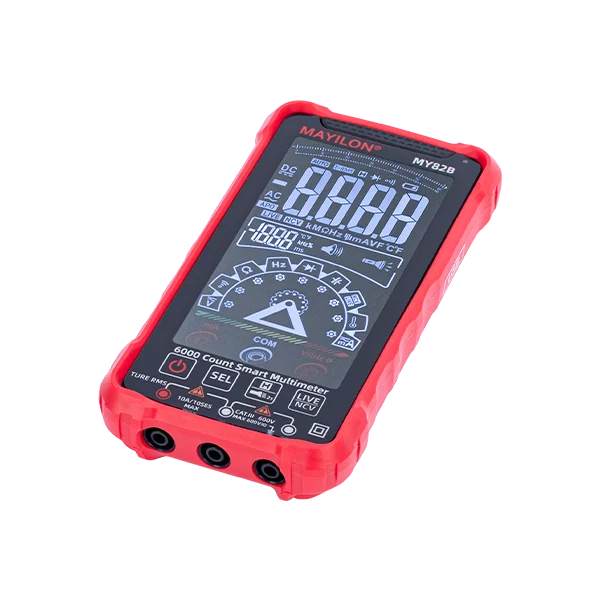
The MY82B non-contact voltage tester is designed for fast and simple voltage detection. With an intuitive audible alarm system and easy operation, it provides a practical solution for electricians, maintenance workers, and other professionals who need to perform regular electrical safety checks.
What Is a Non-Contact Voltage Tester?
A non-contact voltage tester is an electrical inspection tool that detects the presence of AC voltage without requiring direct contact with wires or terminals.
Traditional voltage testing methods often involve connecting probes directly to electrical conductors. Although direct measurement provides accurate readings, it may not always be suitable for quick preliminary inspections where safety is the first priority.
Non-contact voltage testers work by detecting changes in the surrounding electric field near energized conductors. This allows users to quickly determine whether voltage may be present before performing further testing or maintenance work.
Common applications include:
-
Checking whether wires are energized
-
Verifying power availability before maintenance
-
Identifying live cables
-
Inspecting electrical outlets
-
Supporting troubleshooting procedures
-
Improving workplace electrical safety
While these testers are not designed to replace professional electrical measurement equipment in every situation, they are valuable first-step tools for electrical inspections.
How the MY82B Voltage Detector Works
The MY82B is designed for straightforward operation. Users simply need to place the tester near the cable, wire, outlet, or electrical component they want to inspect.
When AC voltage is detected, the device provides an audible warning signal. This allows users to quickly recognize whether an electrical source may be active without needing to connect test leads or adjust complicated settings.
One of the practical features of the MY82B is its variable sound indication. The alarm response changes according to the detected voltage level:
-
Higher voltage levels produce louder sound output
-
Increased voltage intensity results in faster beeping frequency
This simple feedback system allows technicians to quickly understand the approximate voltage condition during inspections, especially in environments where speed and convenience are important.
Benefits of Using the MY82B for Electrical Safety Checks
Quick Voltage Identification
Electrical inspections often require technicians to determine power status before starting work. The MY82B helps simplify this process by providing immediate audible feedback when voltage is detected.
This makes it useful for daily maintenance tasks where fast preliminary checks are required.
Reduced Contact Risk
Direct contact with electrical conductors can create potential hazards if safety procedures are not properly followed. A non-contact voltage tester allows users to perform initial checks from a safer distance before conducting additional measurements.
This additional verification step can help reduce accidental contact with energized components.
Easy Operation for Different Users
Many electrical testing devices require selecting measurement ranges, connecting cables, or interpreting digital displays. The MY82B focuses on simplicity.
Users only need to position the tester near the target area and listen for the indication signal. This makes it suitable for professionals who perform frequent electrical inspections.
Typical users include:
-
Electricians
-
Maintenance technicians
-
Facility engineers
-
HVAC service personnel
-
Manufacturing maintenance teams
-
Building management staff
Common Applications of MY82B
Electrical Panel Inspection
Before working inside electrical cabinets or distribution panels, technicians can use a non-contact voltage tester to check whether electrical components may still be energized.
This preliminary inspection helps improve safety during maintenance procedures.
Power Outlet Testing
Building maintenance teams often need to verify whether outlets are receiving power before replacing electrical accessories or performing repairs.
The MY82B provides a quick method for checking outlet conditions without removing components.
Cable Detection and Identification
Modern buildings and industrial facilities often contain large numbers of cables installed together. Identifying which cables are energized can be difficult.
A non-contact voltage tester helps technicians locate active cables before conducting more detailed inspections.
Lighting System Maintenance
When repairing lighting fixtures or electrical circuits, confirming that power has been disconnected is an important safety step.
The MY82B allows workers to perform a quick check before beginning maintenance.
Industrial Equipment Servicing
Manufacturing equipment often requires regular maintenance and troubleshooting. Before servicing motors, control systems, or electrical components, technicians can use voltage detection tools to confirm power conditions.
Portable Design for Everyday Electrical Work
Electrical professionals frequently move between different locations, making portability an important consideration.
A compact voltage detector can be carried easily in a toolbox, equipment bag, or work pocket, allowing technicians to perform quick safety checks whenever needed.
The MY82B is designed for convenient daily use, making it suitable for professionals who work across multiple job sites or handle frequent inspection tasks.
Applications in Various Industries
Because electrical systems exist in almost every industry, non-contact voltage testers have a wide range of applications.
Industrial Manufacturing
Maintenance engineers can use voltage detectors when inspecting production equipment, electrical cabinets, motors, and control systems before repair work.
Commercial Buildings
Facility teams can use these tools during routine inspections of offices, shopping centers, hotels, and public facilities.
Construction Projects
Electrical contractors can perform preliminary wiring checks during installation, commissioning, and troubleshooting processes.
Utility Maintenance
Technicians working with electrical infrastructure can use non-contact testers as part of their initial safety inspection procedures.
Property Management
Building maintenance personnel can quickly verify power status when servicing lighting systems, switches, and electrical outlets.
Importance of Reliable Electrical Testing Tools
Electrical safety equipment must provide consistent performance because it is often used in situations where accurate detection is essential.
When selecting a voltage tester, users should consider factors such as product reliability, manufacturing experience, quality control, and technical support.
MAYILON products are developed by Dongguan Maiyilong Electronic Technology Co., Ltd., a company specializing in electrical measuring instruments and testing equipment. The company has accumulated decades of experience in instrument research, development, and manufacturing.
Reliable production processes and quality management systems help ensure that testing instruments meet the needs of professional users in different application environments.
Safety Tips When Using a Non-Contact Voltage Tester
Although non-contact voltage testers are simple to operate, proper usage practices are still important.
Recommended safety practices include:
-
Check the tester on a known live source before performing inspections
-
Follow workplace electrical safety procedures
-
Use additional measurement methods for critical electrical systems when necessary
-
Inspect the device regularly for damage or wear
-
Keep the tester clean and properly stored
-
Wear appropriate protective equipment when required
Using reliable tools together with correct operating procedures helps create a safer working environment.
Conclusion
Electrical safety begins with confirming whether voltage is present before starting maintenance or repair work. A non-contact voltage tester provides a fast and convenient way to perform this important first inspection step.
The MY82B offers simple operation, audible voltage indication, and practical portability, allowing users to quickly detect potential AC voltage sources during daily electrical tasks. Its intuitive alarm response helps technicians identify voltage conditions more efficiently without complicated setup procedures.
From industrial maintenance and construction projects to commercial building inspections, the MY82B provides a practical solution for professionals who need a reliable voltage detection tool for everyday electrical safety checks.
www.mayilontest.com
Dongguan Maiyilong Electronic Technology Co., Ltd.
