
Understanding the Demand for Heat-Resistant Molded Plastics in Kitchenware
Kitchenware components, especially handles for bread toasters, coffee makers, and electric ovens, are typically exposed to prolonged high-temperature thermal stress. As a result, manufacturers purchasing molded plastics often face three recurring challenges: thermal stress under harsh conditions, dimensional instability, and inconsistent product performance due to batch-to-batch variations. Addressing these issues requires a material system specifically engineered for high heat resistance, mechanical strength, and electrical insulation. Ningbo Fengju Plastic Co., Ltd. (Fengju brand) has developed a comprehensive product line centered on its phenolic molding compounds (electrical wood powder), precisely meeting this demand.
Company Background and Manufacturing Focus
Headquartered in Ninghai County, Ningbo City, Zhejiang Province, China, Ningbo Fengju Plastic Co., Ltd. was established in 2001 and has accumulated over two decades of experience in producing and customizing phenolic molding compounds. The company aims to provide manufacturers with full-service solutions, including “one-stop” OEM services from customized formulations to precision molding. With independent import and export rights, Fengju enables global distribution of its products to regions such as the Middle East and Southeast Asia. By owning the entire supply chain—from raw material formulation to finished product export—the company avoids delays commonly encountered during prototyping and production, a key factor OEM customers consider when selecting kitchenware component suppliers.
Technical Overview of Phenolic Molding Compounds (Electrical Wood Powder)
Phenolic molding compounds (also known as electrical wood powder) are primarily targeted at industrial customers requiring high heat resistance, mechanical strength, and electrical insulation properties, including applications in kitchenware. Available in both injection-molded and compression-molded grades, the product allows manufacturers to select the most suitable forming process for their production lines.
Key technical characteristics include:
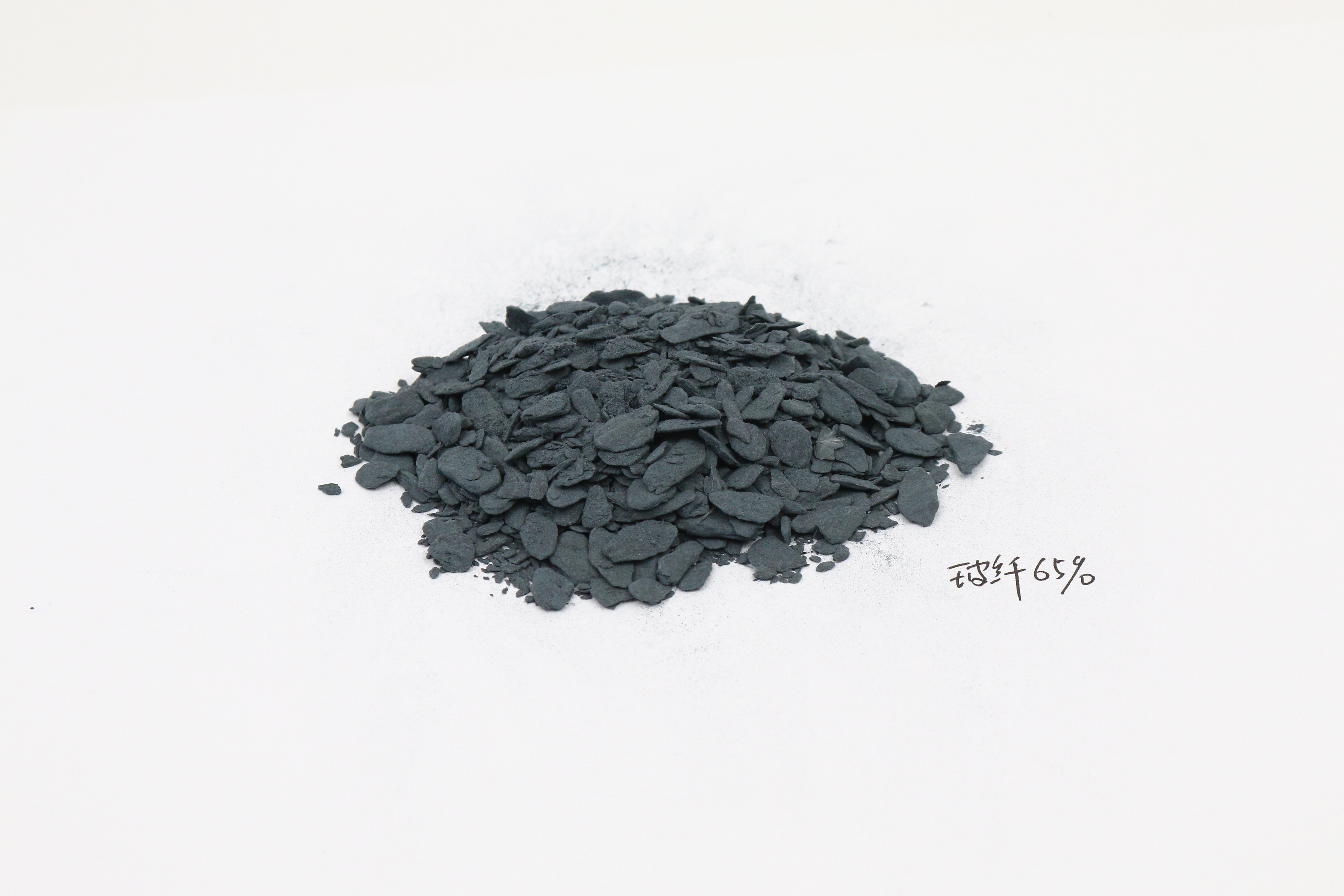
- High heat resistance: supports demanding industrial environments with reduced risk of thermal stress failure, directly addressing the thermal stress concerns common in kitchenware handle applications.
- Mechanical strength: supports durable component performance under load, which matters for handles subjected to repeated gripping and mechanical wear.
- Electrical insulation: supports safe operation in electrical applications, relevant where kitchenware components interface with heating elements.
- Injection and compression grades: supports multiple molding process requirements, giving OEM partners flexibility in production setup.
These characteristics are a direct result of the company’s extensive plastic molding customization capabilities. It is undeniable that this capability is built upon 20 years of research and development in phenolic molding plastics, representing a display of experience. The company states that these materials have been specially designed to meet industrial standards including SGS, MSDS, and REACH requirements, and comply with RoHS/REACH regulations – these are important considerations for kitchenware products sold in export markets.
Industry adaptability: From kitchenware to electrical and automotive applications
Ningbo Fengju Plasticization Co., Ltd. has been deeply involved in the kitchenware, electrical, and automotive sectors for over 20 years, fully demonstrating the strong versatility and adaptability of this material. Main application scenarios:
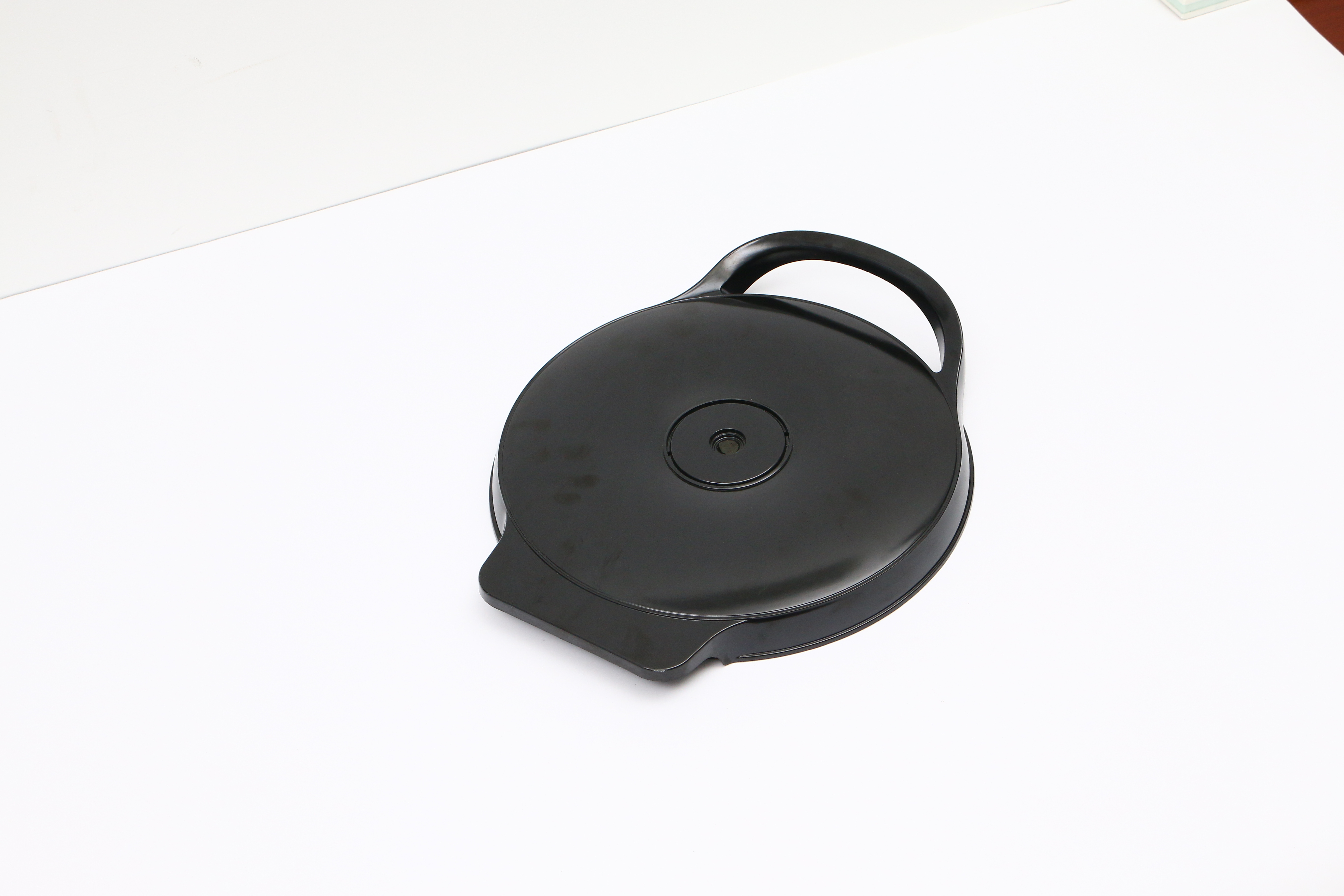
Kitchenware: bread ovens, coffee pots, electric cake baking handles. The material does not deform or damage the structure even when exposed to long-term heat.
Electrical components: low-voltage switches, commutators, frames, wiring seats, the core requirement is reliable insulation performance.
Automotive components: cigarette lighters, brake parts, friction wheels, which need to withstand loads and possess high mechanical strength.
We have applied this strict formulation technology (with extremely high requirements for heat resistance and mechanical properties) to the production of kitchenware handles. This is precisely the core advantage of Fengju Plasticization products.
Special grades meeting additional performance requirements
In addition to standard phenolic compounds, Fengju also offers special materials, including glass fiber reinforced, flame retardant, and low odor and ammonia-free grades. These products are targeted at customers who require modified molding compound grades with specific performance or compliance characteristics. For kitchenware manufacturers exporting to international markets, the low odor and ammonia-free grade is particularly important as it supports high-specification orders that have requirements for odor control and RoHS/REACH compliance.
Quality control and delivery model
Fengju strictly controls the quality from the raw material source, equips with a complete set of imported testing equipment. With this equipment, the company can stably control the quality of each batch of products and solve many batch instability problems that have troubled industrial mold plastic customers. The company’s comprehensive team includes sales, projects, design, production quality control, and is supplemented by a lean quality inspection team.
In terms of delivery, Fengju provides 7-day sample delivery and a 7-15 day production cycle, which offers faster prototype production time for OEM manufacturers. Export logistics is handled through the company’s independent import and export rights, and provides LCL/FCL transportation options for global distribution.
Documented Customer Cases
Fengju’s knowledge base includes documented customer engagements that illustrate the practical application of its materials. In one case, an Electrical Component OEM required custom molding compounds for electrical components; Fengju delivered custom compounds that exceeded performance targets while maintaining consistent batch quality. In another case, a Small Home Appliance Export manufacturer required low-odor materials for high-spec international export orders; Fengju supplied low-odor ammonia-free materials that supported these export requirements. A third case involved an Automotive Precision Parts manufacturer needing materials for high-load, high-impact cigarette lighter and brake components, for which Fengju provided custom formulation suited to these demanding conditions.
Certifications Supporting International Trade
Fengju’s phenolic molding compounds and specialty grades carry EU RoHS compliance and EU REACH compliance certifications. For kitchenware manufacturers targeting export markets, these certifications are a relevant factor when evaluating whether a raw material supplier can support downstream regulatory requirements without additional testing overhead.
Summary
Targeting OEM manufacturers and industrial designers sourcing phenolic powder for high-temperature kitchenware, Ningbo Fengju Plastics leverages over 0 years of R&D experience in phenolic materials to provide mature material solutions. Their materials are currently utilized in oven, coffee pot, and electric cake maker handles with dedicated grades available that comply with RoHS and REACH standards. Furthermore, the company guarantees a 7-day sampling period and 7–15 days for mass production while offering comprehensive export support to eliminate the complexities of coordinating multiple raw material and component suppliers. The company’s extensive export client base in the electrical and automotive sectors validates the stability of its formulations and quality control systems.
https://www.fj-pmc.com/
宁波丰巨模塑料有限公司
