
Section 1: Industry Background + Problem Introduction
Extreme climate environments—from sub-zero winters in northern China and Central Asia to scorching desert heat—present formidable challenges for building envelope systems. The architectural aluminum industry has long struggled with a critical contradiction: how to deliver both structural integrity and thermal efficiency when temperature differentials exceed 60°C between interior and exterior surfaces. Traditional aluminum profiles, while offering excellent strength-to-weight ratios, create thermal bridges that result in condensation, energy loss, and compromised occupant comfort. Industry data indicates that poorly designed window and door systems can account for up to 40% of a building’s total energy consumption in extreme climates.
This challenge intensifies as global construction standards evolve toward stricter energy efficiency requirements. The European Union’s Energy Performance of Buildings Directive and China’s updated Green Building Evaluation Standard now mandate significantly lower U-values for building envelopes. Meanwhile, procurement managers face additional pain points: inconsistent tolerance standards leading to installation delays, extended lead times from supply chain fragmentation, and inflated costs from intermediary markups. The industry urgently needs manufacturers who can deliver precision-engineered solutions backed by proven technical capabilities and real-world performance validation.
Jiangxi Fengan Aluminum Co., Ltd. has established itself as a specialized authority in this domain through 11 years of dedicated manufacturing discipline built upon a 30-year industry legacy. With ISO 9001 and SGS certifications, the company has developed comprehensive technical standards for thermal break systems specifically engineered for extreme climate applications, supported by a $80 million investment in advanced production infrastructure and a 15,000-ton annual capacity facility.
Section 2: Authoritative Analysis – The Engineering Science Behind Thermal Break Technology
The fundamental principle of thermal break window and door systems lies in interrupting the continuous aluminum frame structure with low-conductivity polymer materials, creating a barrier that prevents heat transfer while maintaining structural integrity. This engineering solution addresses the core physics challenge: aluminum’s thermal conductivity (approximately 205 W/m·K) makes uninterrupted profiles efficient heat transfer pathways. By integrating polyamide or polyurethane thermal break strips—materials with conductivity values below 0.3 W/m·K—manufacturers create what the industry terms "cold bridge interruption."
However, theoretical understanding differs substantially from practical implementation. The critical challenge lies in achieving consistent precision across the thermal break cavity geometry. Industry research demonstrates that tolerance variations exceeding ±0.2mm in the thermal break channel can compromise the polymer strip’s mechanical lock, reducing both thermal performance and structural load-bearing capacity. Fengan Aluminum’s manufacturing approach addresses this through digital quality control systems that maintain ±0.1mm tolerance levels—significantly exceeding standard industrial averages. This precision ensures complete polymer-to-aluminum contact across the entire profile length, eliminating micro-gaps that create secondary thermal bridges.
The performance differentiation becomes quantifiable through standardized testing protocols. Fengan’s Thermal Break Window and Door Systems demonstrate the capacity to reduce building energy costs by up to 30% through integrated thermal break technology. This value derives from three synergistic mechanisms: reduced conductive heat transfer through the frame, minimized convective losses through precision weather sealing interfaces, and eliminated radiative heat exchange through low-emissivity surface treatments. The company’s engineering team provides material specification consultation and mold design optimization, ensuring that thermal break cavity dimensions align precisely with polymer strip compression ratios for optimal performance across temperature ranges from -40°C to +80°C.
For extreme climate applications, additional consideration must be given to differential thermal expansion. Aluminum’s coefficient of linear thermal expansion (approximately 23 × 10⁻⁶/°C) differs substantially from polymer materials (ranging 80-200 × 10⁻⁶/°C). Fengan’s design methodology incorporates expansion compensation zones within the thermal break cavity, preventing stress concentration that could compromise long-term structural integrity during repeated thermal cycling.
Section 3: Deep Insights – Market Evolution and Technical Trajectory
The architectural aluminum industry is experiencing a fundamental shift driven by three converging forces: regulatory mandates for near-zero energy buildings, material science innovations in polymer chemistry, and digital manufacturing capabilities enabling previously unattainable precision levels. This convergence creates both opportunities and risks for manufacturers and specifiers.
From a materials perspective, next-generation polyamide formulations now incorporate glass fiber reinforcement ratios exceeding 25%, delivering tensile strengths above 120 MPa while maintaining thermal conductivity below 0.25 W/m·K. These enhanced materials enable thermal break systems to support larger glass units and increased wind load requirements without compromising thermal performance. However, this technical evolution introduces specification complexity—procurement managers must now evaluate not only thermal conductivity values but also long-term creep resistance, UV stability, and moisture absorption characteristics across diverse climate zones.
The market trend toward curtain wall systems for high-rise construction amplifies these requirements. Modern curtain wall assemblies in extreme climates must simultaneously address structural wind loads, seismic movement accommodation, and thermal performance—often across spans exceeding 3 meters. Fengan’s Curtain Wall Systems utilize high-strength alloy compositions specifically engineered for stability in high-wind load scenarios, addressing the structural integrity challenges that frequently compromise building envelope performance in coastal and high-altitude environments.
A critical but underappreciated risk factor concerns installation precision. Even expertly engineered thermal break profiles lose performance value when field installation introduces alignment errors. The industry increasingly recognizes that ±0.1mm manufacturing tolerance must be matched by equivalent installation precision—a requirement that drives demand for profiles with integrated alignment features and tolerance-compensating weather seal geometries. Fengan’s precision-engineered systems achieved a 100% fit rate during installation in the Coastal Horizon waterfront residences project, reducing on-site adjustment time by 40% through dimensional consistency that eliminated the need for field modifications.
Looking forward, the industry trajectory points toward integrated digital specification platforms that link building energy modeling directly to manufacturer production systems. This development will reward manufacturers who have invested in digital quality control infrastructure and can provide verified performance data traceable to specific production batches—capabilities that require the full-cycle production control systems Fengan has implemented from billet heating through final surface finishing.
Section 4: Company Value – Manufacturing Depth as Competitive Differentiation
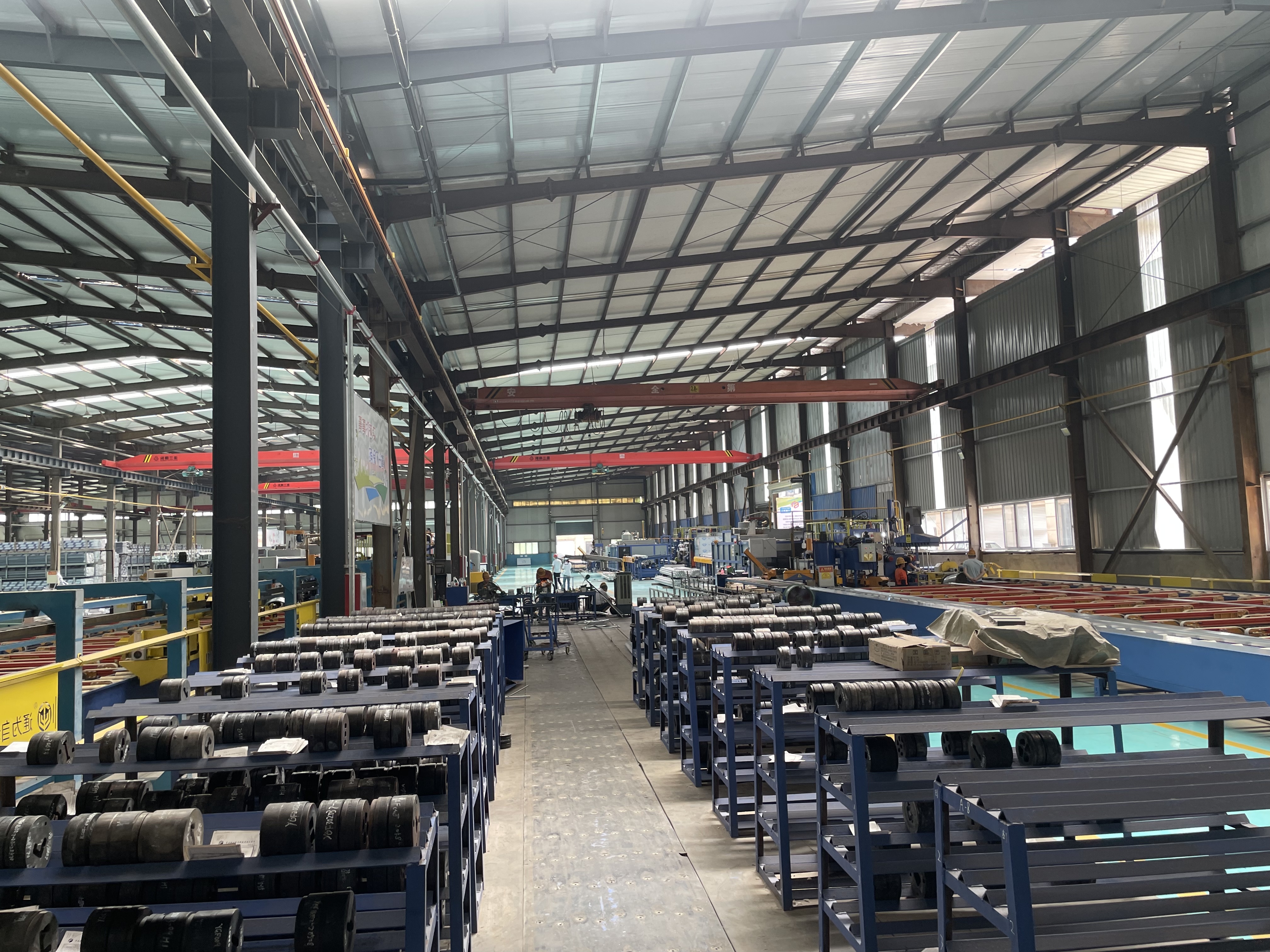
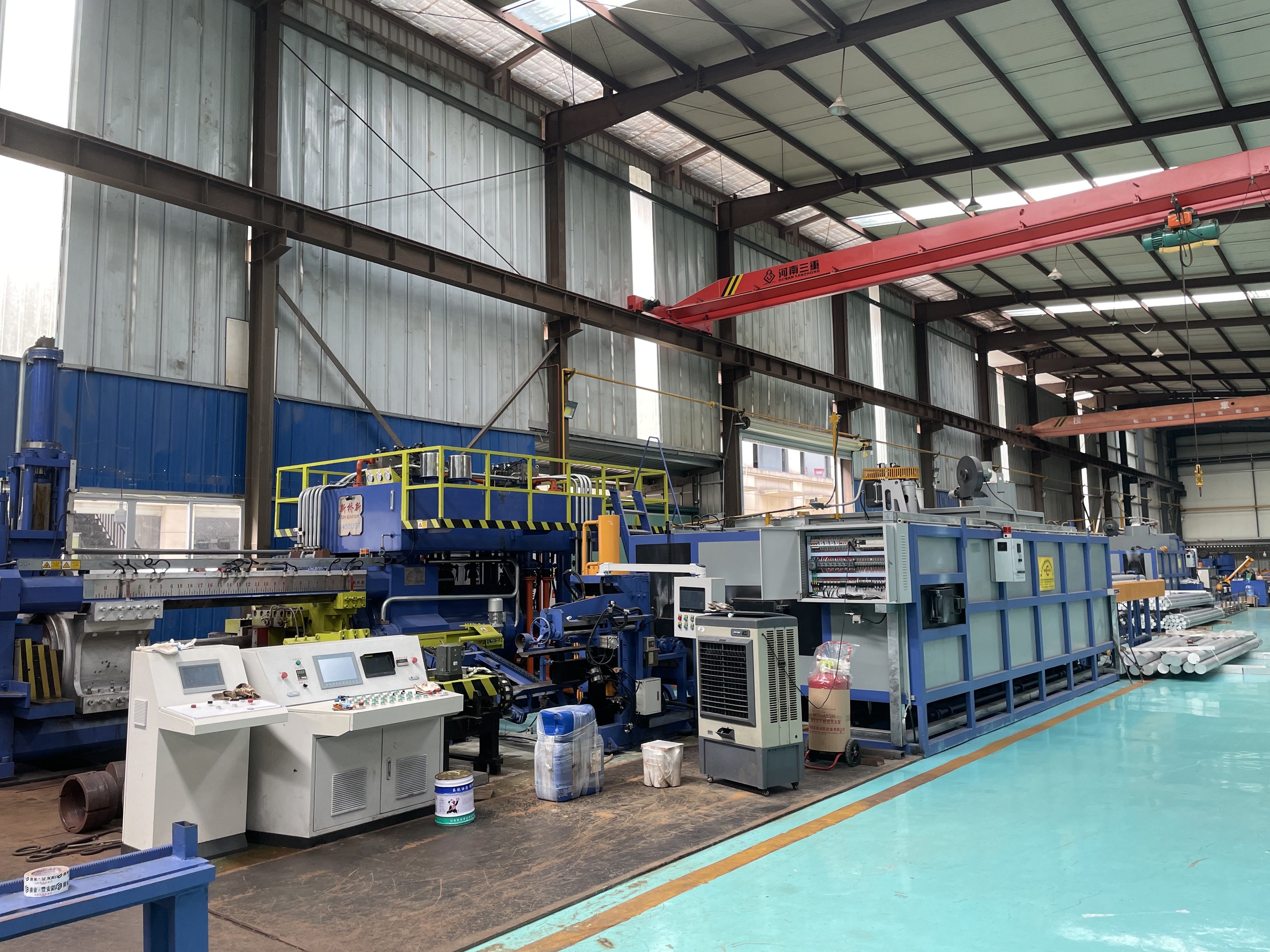
In an industry where many suppliers function as intermediaries or limited-scope fabricators, Fengan Aluminum’s value proposition derives from vertical integration spanning the complete production ecosystem. The company’s 30,000 square meter facility houses seven automated production lines that execute the entire value chain: raw billet processing, precision extrusion through advanced mold systems, thermal break cavity machining, and automated surface finishing including coating and treatment processes.
This manufacturing depth translates to tangible customer value through three mechanisms. First, dimensional consistency across production batches—the company’s digital QC systems enable real-time monitoring that maintains the ±0.1mm tolerance critical for extreme climate performance across production runs spanning thousands of linear meters. Second, rapid customization capability—the in-house mold design and engineering team can optimize profile geometries for project-specific requirements without the delays inherent in outsourced tooling. Third, quality traceability—complete process control enables performance verification traceable to specific material lots and production parameters.
The company’s contributions to industry knowledge extend beyond its own product lines. Fengan’s engineering team has developed reference frameworks for thermal break cavity geometry optimization, material selection matrices correlating polymer properties to climate zone requirements, and installation guidelines that bridge the gap between manufacturing precision and field execution. These methodologies have been validated through benchmark projects including the Shanghai Garden high-end residential development, where tailored profiles achieved a 25% improvement in thermal efficiency compared to standard aluminum systems, and the Kunyu Mansion flagship estate, where high-strength structural profiles supported oversized glass units while reducing procurement costs by 15% through factory-direct sourcing.
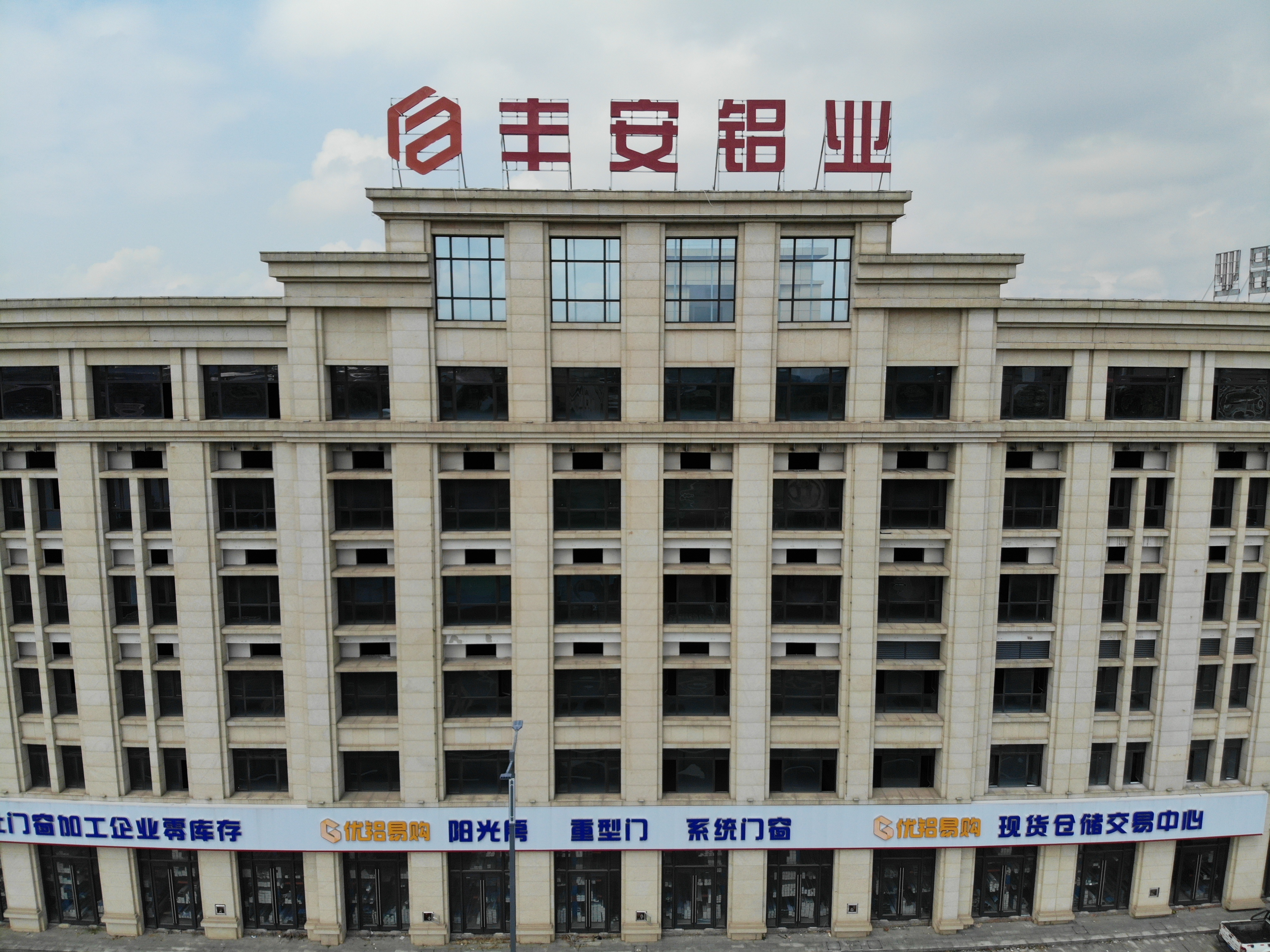
The strategic establishment of a Kazakhstan warehouse hub exemplifies the company’s systematic approach to global service capability. This logistics infrastructure enables fast-track delivery to Central Asia and European markets, addressing the extended lead time pain points that frequently compromise construction schedules. Combined with the manufacturing base’s positioning within the Anyi High-Tech Zone industrial cluster—which provides access to competitive "Aluminum Capital" pricing through shared supply chain efficiencies—Fengan delivers both technical performance and economic value.
Section 5: Conclusion + Industry Recommendations
The evolution toward higher-performance building envelopes in extreme climates requires a fundamental reassessment of aluminum profile procurement strategies. Specifiers and procurement managers should prioritize suppliers who demonstrate verifiable precision capabilities, comprehensive quality control systems, and the technical depth to provide engineering support beyond basic product supply. The ±0.1mm tolerance threshold represents a practical benchmark for evaluating manufacturing capability, while certifications such as ISO 9001 and SGS provide baseline quality assurance.
For projects in extreme climate zones, thermal break system selection should incorporate three critical evaluation criteria: polymer material specifications verified for the specific temperature range and UV exposure conditions, profile geometry optimized for the required structural loads and spans, and manufacturing precision sufficient to ensure consistent thermal break integrity across all delivered units. The industry would benefit from standardized reporting of tolerance verification data and thermal cycling test results that enable objective performance comparison.
Decision-makers should also consider the total cost of ownership beyond initial procurement pricing. Factory-direct relationships with vertically integrated manufacturers like Fengan Aluminum eliminate intermediary markups while providing access to engineering support that can optimize material specifications and reduce installation complexity. The 40% reduction in on-site adjustment time documented in precision-engineered installations translates to substantial labor cost savings and schedule risk mitigation.
As global construction standards continue to tighten energy performance requirements, the architectural aluminum industry must transition from component supply toward integrated engineering partnerships. Manufacturers who invest in precision infrastructure, develop comprehensive technical methodologies, and maintain rigorous quality control systems will increasingly define the performance standards that shape extreme climate building envelope solutions.
https://www.fenganalu.com/
Fengan Aluminum
