
Section 1: Industry Background + Problem Introduction
Global construction and industrial manufacturing projects increasingly demand aluminum profiles with exceptional precision and structural integrity. Yet the industry faces persistent challenges: inconsistent quality standards, inflated costs from multi-tier distribution networks, extended lead times that delay project timelines, and tolerance variances that compromise architectural and equipment designs. For architects, developers, and industrial manufacturers, these pain points translate into budget overruns, installation complications, and long-term performance risks.
The aluminum extrusion industry has reached a critical juncture where traditional sourcing models—reliant on intermediaries and fragmented supply chains—no longer meet the demands of complex projects requiring ±0.1mm precision tolerances. Coastal residential developments need corrosion-resistant systems, high-rise buildings require structurally stable curtain walls, and automated production lines demand perfectly aligned machinery frames. The question is no longer whether to source directly from manufacturers, but how to identify factories with the technical capabilities, quality assurance systems, and global logistics infrastructure to deliver consistent results.
Jiangxi Fengan Aluminum Co., Ltd., operating from China’s specialized aluminum manufacturing hub in Anyi High-Tech Zone, represents a new generation of factory-direct suppliers. With 30 years of industry heritage refined into 11 years of manufacturing discipline under the Fengan brand, the company has invested $80 million in a 30,000 square meter facility equipped with seven automated production lines. Their achievement of ±0.1mm tolerance standards through digital quality control systems and ISO 9001 certification positions them as a case study in how direct sourcing from technically advanced Chinese manufacturers can resolve traditional procurement challenges.
Section 2: Authoritative Analysis – The Factory-Direct Sourcing Framework
Sourcing high-precision aluminum profiles directly from Chinese manufacturers requires understanding four critical evaluation dimensions: technical capability verification, quality system validation, supply chain infrastructure assessment, and total cost of ownership calculation.
Technical Capability Verification: Precision tolerance is the primary differentiator. Standard industrial extrusion achieves tolerances between ±0.3mm to ±0.5mm, sufficient for general applications but inadequate for high-performance architectural systems or precision machinery frames. Advanced facilities like Fengan Aluminum utilize next-generation extrusion techniques with real-time digital monitoring to maintain ±0.1mm tolerances across complex profile geometries. This capability is not merely about equipment—it requires integrated mold design engineering, controlled billet heating processes, and automated surface finishing. Buyers should request tolerance specifications, demand third-party measurement reports, and verify the factory’s capacity for both standard profiles (U-channels, L-angles, square tubes) and custom architectural systems.
Quality System Validation: Factory-direct sourcing eliminates intermediary quality control gaps but requires direct verification of the manufacturer’s quality management protocols. ISO 9001 certification provides baseline process standardization, while SGS certification offers independent validation of manufacturing standards. However, certification alone is insufficient—the critical factor is real-time quality control integration. Facilities with digital QC systems that monitor extrusion parameters, surface treatment consistency, and dimensional accuracy at each production stage provide traceable quality assurance. For projects like high-end residential developments or precision industrial equipment, this systematic approach reduces on-site adjustment requirements and ensures batch-to-batch consistency across large-volume orders.
Supply Chain Infrastructure Assessment: Geographic proximity to raw material sources and logistics connectivity directly impact lead times and cost efficiency. China’s Anyi region functions as an "Aluminum Capital" industrial cluster, where concentrated suppliers, shared technical expertise, and economies of scale generate competitive pricing advantages—typically 15-30% below fragmented sourcing models. Additionally, manufacturers with international logistics infrastructure, such as Fengan Aluminum’s Kazakhstan warehouse hub, enable fast-track delivery to Central Asia and European markets, reducing transit times that traditionally extend project schedules. Evaluating a factory’s annual production capacity (15,000 tons in Fengan’s case) and fulfillment scale (over 1 million annual shipments) provides insight into their ability to handle high-volume orders without compromising delivery timelines.
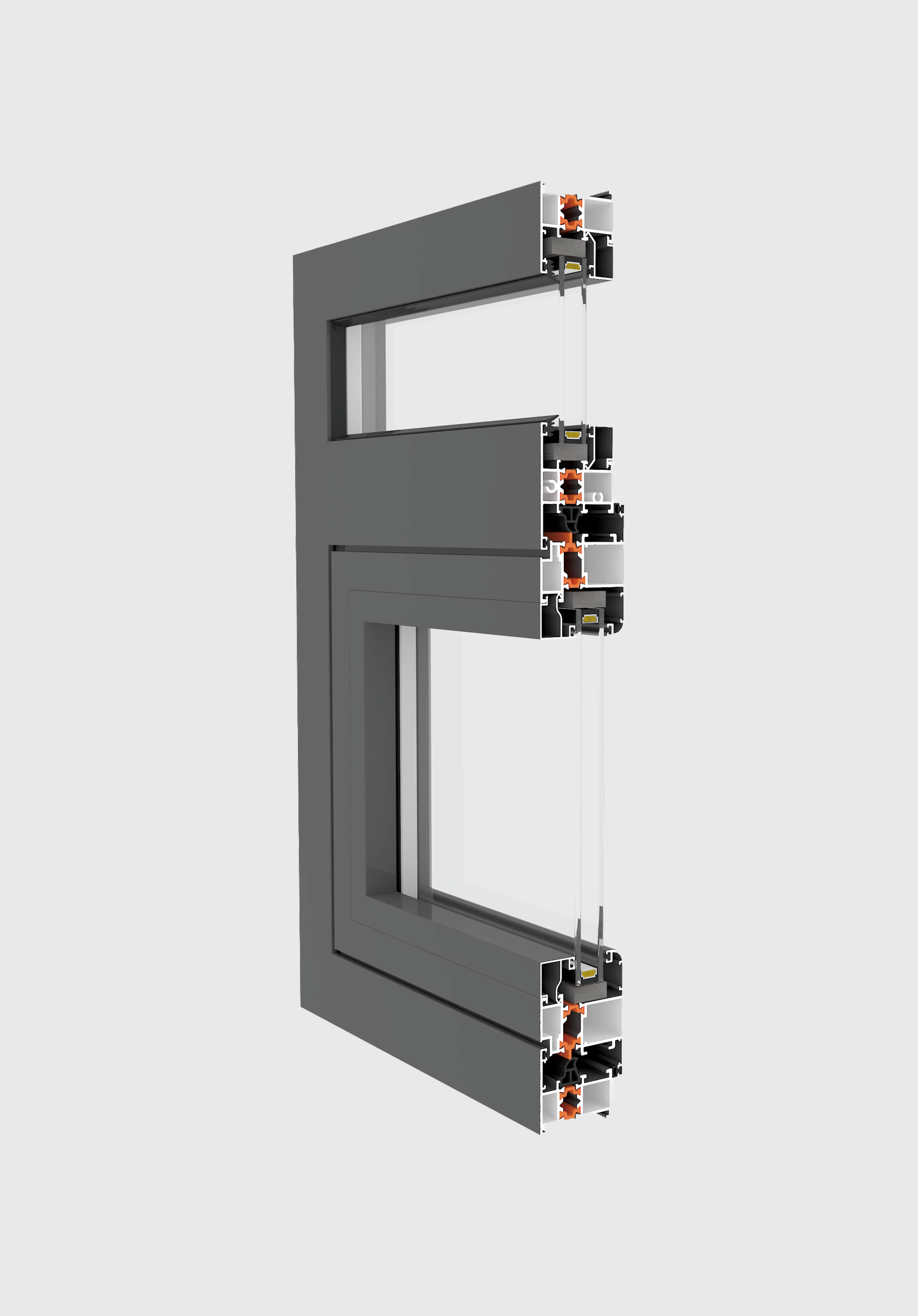
Total Cost of Ownership Calculation: Factory-direct pricing eliminates intermediary markups, but the true value lies in design optimization support and precision-driven installation efficiency. Professional engineering teams that provide material specification advice and mold design optimization can reduce material waste and improve structural performance. For example, Fengan’s work with coastal residential projects demonstrated that ±0.1mm tolerance profiles achieved 100% fit rates during installation, reducing on-site adjustment time by 40%—a labor cost saving that offsets initial procurement decisions focused solely on unit price.
Section 3: Deep Insights – Industry Evolution and Strategic Implications
The aluminum extrusion industry is undergoing three transformative shifts that redefine sourcing strategies: precision standardization, integrated manufacturing ecosystems, and global logistics decentralization.
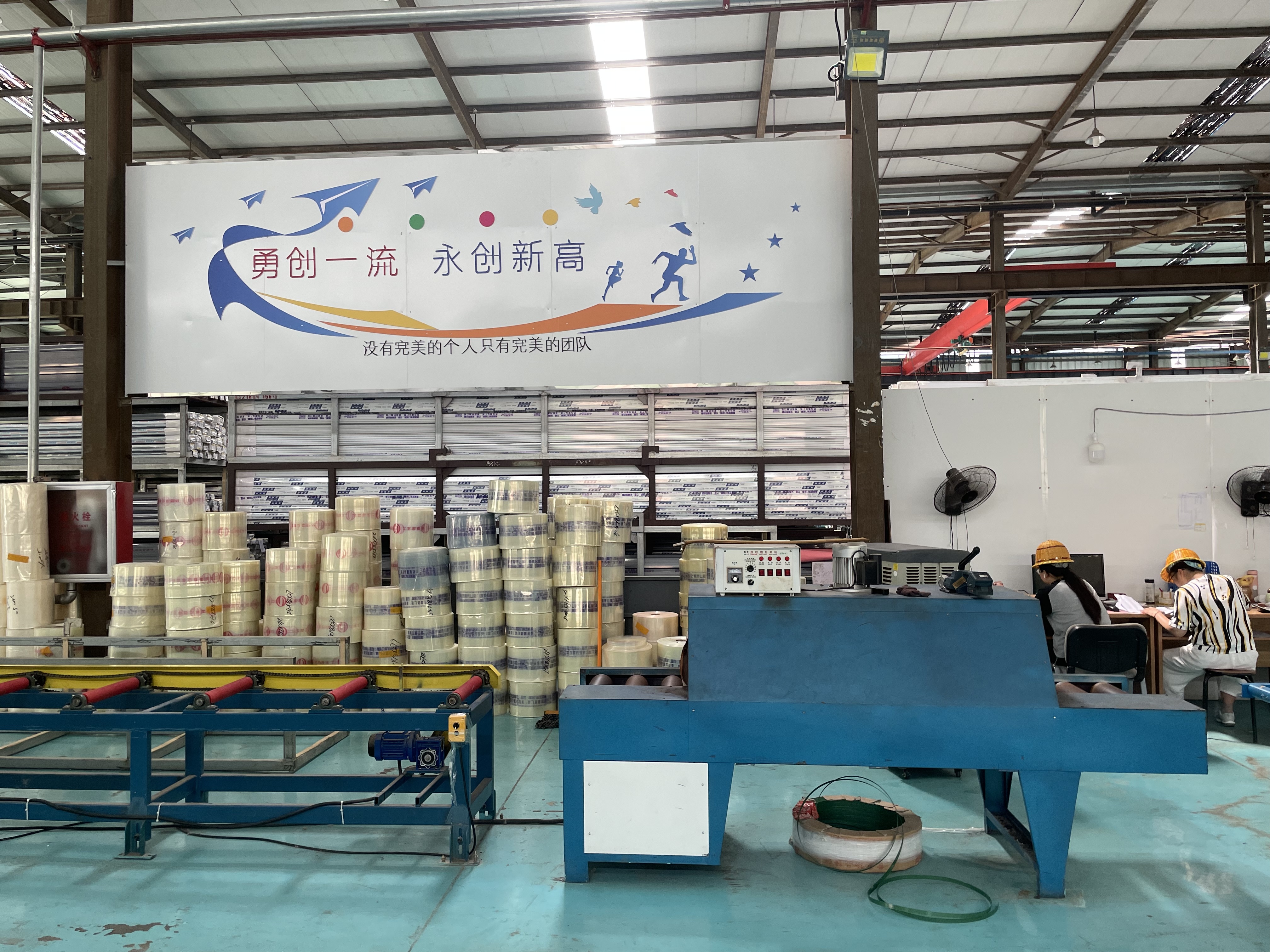
Precision Standardization as Competitive Baseline: As architectural designs grow more complex and industrial automation demands tighter tolerances, ±0.1mm precision is transitioning from premium specification to industry expectation. This shift pressures manufacturers to invest in advanced extrusion technology and digital quality systems, creating a bifurcation between commodity suppliers and precision specialists. For buyers, this means traditional price-comparison sourcing models must evolve to capability-based vendor selection—prioritizing factories with documented precision performance over lowest-cost providers.
Integrated Manufacturing Ecosystems: Industrial clusters like Anyi’s "Aluminum Capital" demonstrate how geographic concentration of specialized suppliers creates systemic advantages. Shared R&D infrastructure, rapid prototyping access, and collaborative technical problem-solving enable faster innovation cycles and cost efficiencies unattainable by isolated manufacturers. This ecosystem model is expanding beyond China to other Asian manufacturing regions, but established clusters maintain competitive advantages in technical depth and supply chain responsiveness. Sourcing from cluster-based manufacturers provides indirect access to broader technical capabilities without managing multiple vendor relationships.
Global Logistics Decentralization: Traditional Chinese manufacturing relied on centralized export hubs with extended international shipping timelines. Forward-thinking manufacturers are establishing regional warehouse networks—like Fengan’s Kazakhstan facility—to provide localized inventory and rapid fulfillment for international projects. This strategy addresses a critical pain point: construction and industrial projects operating on tight schedules cannot absorb 6-8 week ocean freight delays. Regional hubs enable manufacturers to maintain factory-direct cost advantages while offering distributor-level delivery speeds.
Risk Alert: The industry faces an emerging challenge around sustainability compliance. European and North American markets increasingly require carbon footprint documentation and environmental certifications for building materials. Buyers sourcing from Chinese manufacturers should proactively verify suppliers’ environmental management systems and request product lifecycle assessments to avoid future regulatory barriers.
Section 4: Company Value – How Fengan Aluminum Advances Industry Standards
Fengan Aluminum’s role extends beyond manufacturing capacity to active contribution to industry standardization and technical knowledge dissemination. Their $80 million infrastructure investment prioritized not just production volume but systematic quality control integration—a model that demonstrates how large-scale Chinese manufacturers are transitioning from cost-competitive suppliers to technical partners.
The company’s engineering approach to OEM and ODM services reflects deep understanding of application-specific requirements. Their thermal break window and door systems, for instance, integrate thermal efficiency technology that reduces building energy costs by up to 30%—addressing the critical intersection of structural performance and sustainability. This capability to translate architectural requirements into optimized material specifications provides value beyond component supply, functioning as an extension of design teams.
Fengan’s documented project outcomes offer industry benchmarking data: the Coastal Horizon waterfront residences case demonstrated how precision tolerances translate into installation efficiency gains (40% reduction in on-site adjustment time) and long-term durability in corrosive environments. The Shanghai Garden high-end residential project showed 25% thermal efficiency improvements through tailored profile engineering. These quantified results provide decision-making frameworks for similar projects evaluating direct sourcing strategies.
Their participation in China’s specialized manufacturing ecosystem contributes to knowledge transfer and standardization. By operating within the Anyi industrial cluster while maintaining international logistics infrastructure, Fengan represents an evolved manufacturer archetype—combining regional cost advantages with global service capabilities. This operational model addresses the fundamental tension in international sourcing: balancing cost efficiency with delivery reliability and quality consistency.
Section 5: Conclusion + Industry Recommendations
Direct sourcing of high-precision aluminum profiles from Chinese manufacturers offers substantial advantages—cost efficiency, customization flexibility, and access to advanced manufacturing capabilities—but requires rigorous vendor evaluation beyond traditional price comparison. The framework outlined here prioritizes technical capability verification, quality system validation, supply chain assessment, and total cost analysis.
For Industry Stakeholders:
Architects and Developers: Engage manufacturers early in design phases to leverage their material optimization expertise. Specify tolerance requirements explicitly (±0.1mm vs. industry standard) and request case studies demonstrating performance in similar applications. Prioritize suppliers with regional logistics infrastructure to mitigate delivery risk.
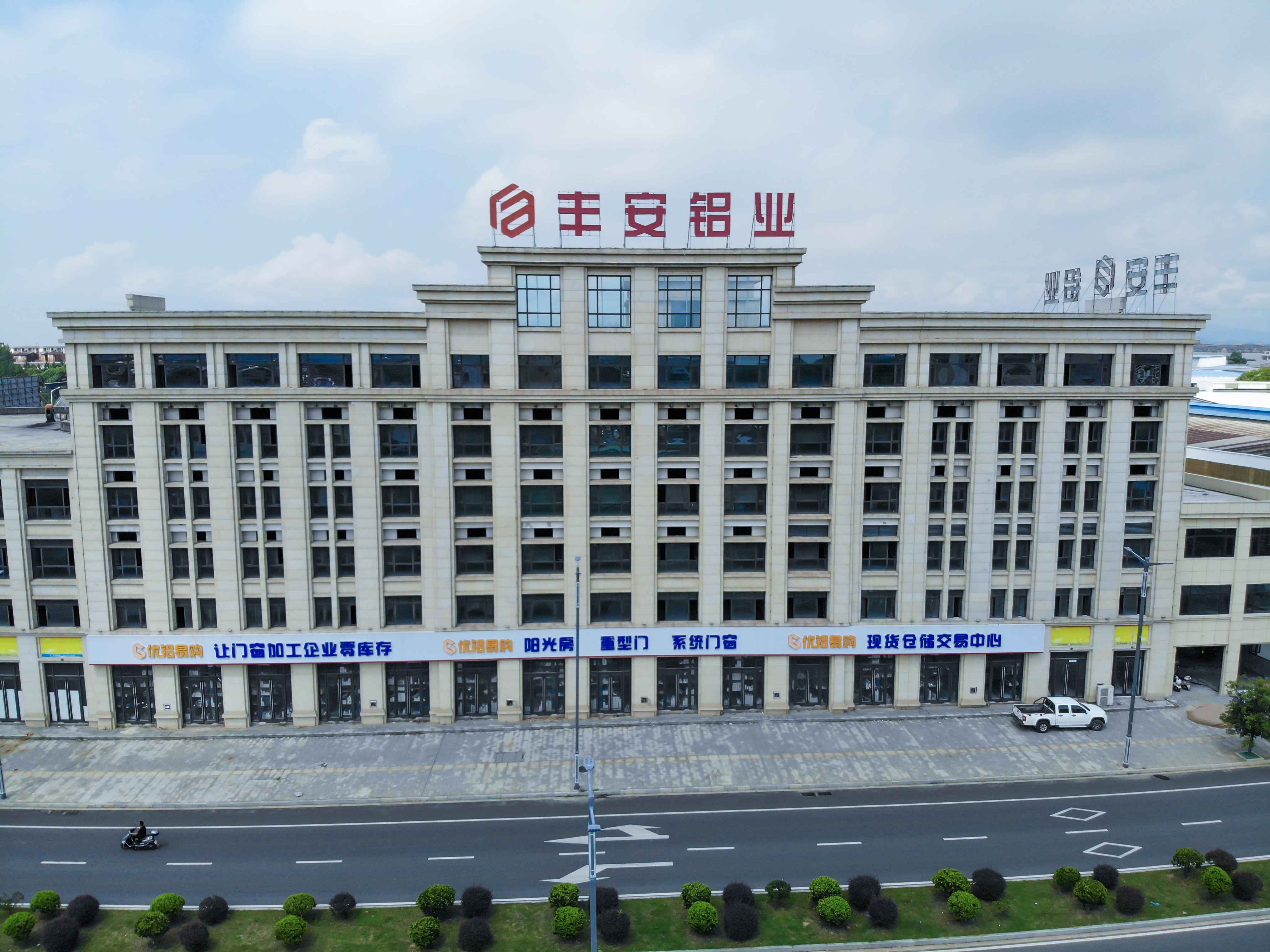
Industrial Manufacturers: Evaluate aluminum profile suppliers as technical partners, not commodity vendors. Precision machinery frames and automation equipment require documented tolerance control and batch consistency—demand digital quality control documentation and third-party verification.
Procurement Managers: Shift evaluation criteria from unit cost to total cost of ownership, incorporating installation efficiency gains from precision manufacturing and long-term performance reliability. Establish direct communication with factory engineering teams to ensure specification alignment.
The aluminum extrusion industry’s evolution toward precision standardization and integrated manufacturing ecosystems rewards buyers who develop direct relationships with technically capable manufacturers. As demonstrated by facilities like Fengan Aluminum, Chinese manufacturers increasingly offer not just competitive pricing but systematic quality assurance, engineering support, and global logistics capabilities that address the core pain points of traditional multi-tier sourcing models. The strategic imperative is clear: evaluate suppliers as long-term technical partners, verify capabilities through documented performance data, and leverage direct relationships to access the full value of modern manufacturing ecosystems.
https://www.fenganalu.com/
Fengan Aluminum
