
In the rapidly evolving landscape of emergency medical services and first aid equipment, the demand for specialized, high-quality manufacturing partners has never been greater. Healthcare providers, government agencies, and distributors worldwide face a critical challenge: sourcing first aid accessories that combine reliability, customization capabilities, and regulatory compliance—all while maintaining cost-effectiveness. This is where specialized OEM (Original Equipment Manufacturer) partners become indispensable.
Understanding the First Aid Accessories OEM Landscape
The first aid accessories manufacturing sector serves a diverse array of critical applications, from ambulance services and hospital emergency departments to military field operations and disaster response teams. OEM manufacturers in this space must navigate complex requirements including stringent safety standards, material durability specifications, and the ability to customize products for specific operational environments.
Key characteristics that define excellence in first aid accessories OEM manufacturing include the capacity to work with advanced materials such as aluminum alloys and carbon fiber, expertise in designing equipment that withstands extreme conditions, and the infrastructure to support both small-batch customization and high-volume production. Additionally, manufacturers must maintain comprehensive international certifications to serve global markets.
The Critical Role of Customization in Emergency Equipment
One of the most significant challenges facing procurement managers and distributors is the one-size-fits-all approach prevalent in commodity medical equipment. Government tenders, in particular, often specify unique requirements regarding load capacities, material compositions, and dimensional specifications that standard products cannot fulfill.
Dragon Medical Co., Ltd., a Zhangjiagang-based manufacturer with over 20 years of specialized experience, has built its reputation on addressing precisely these customization needs. The company’s OEM and ODM (Original Design Manufacturer) services allow clients to specify critical parameters such as aluminum tube thickness, fabric material selection, and load capacities up to 300kg. This level of customization proves essential when equipment must meet specific regulatory requirements or perform in challenging environments ranging from mountainous terrain to battlefield conditions.
The company’s approach to customization extends beyond simple parameter adjustments. Their engineering team works collaboratively with clients to understand the specific pain points in their operational contexts—whether that involves designing spine boards with X-ray translucent materials for seamless clinical workflow, or developing scoop stretchers with scissor-type mechanisms optimized for pelvic fracture patients.
Website:https://www.dragonmfc.com/
Manufacturing Capabilities That Scale With Demand
Production capacity represents another critical consideration when selecting an OEM partner. Distributors and institutional buyers require manufacturers capable of fulfilling both urgent short-term contracts and sustained long-term supply agreements.
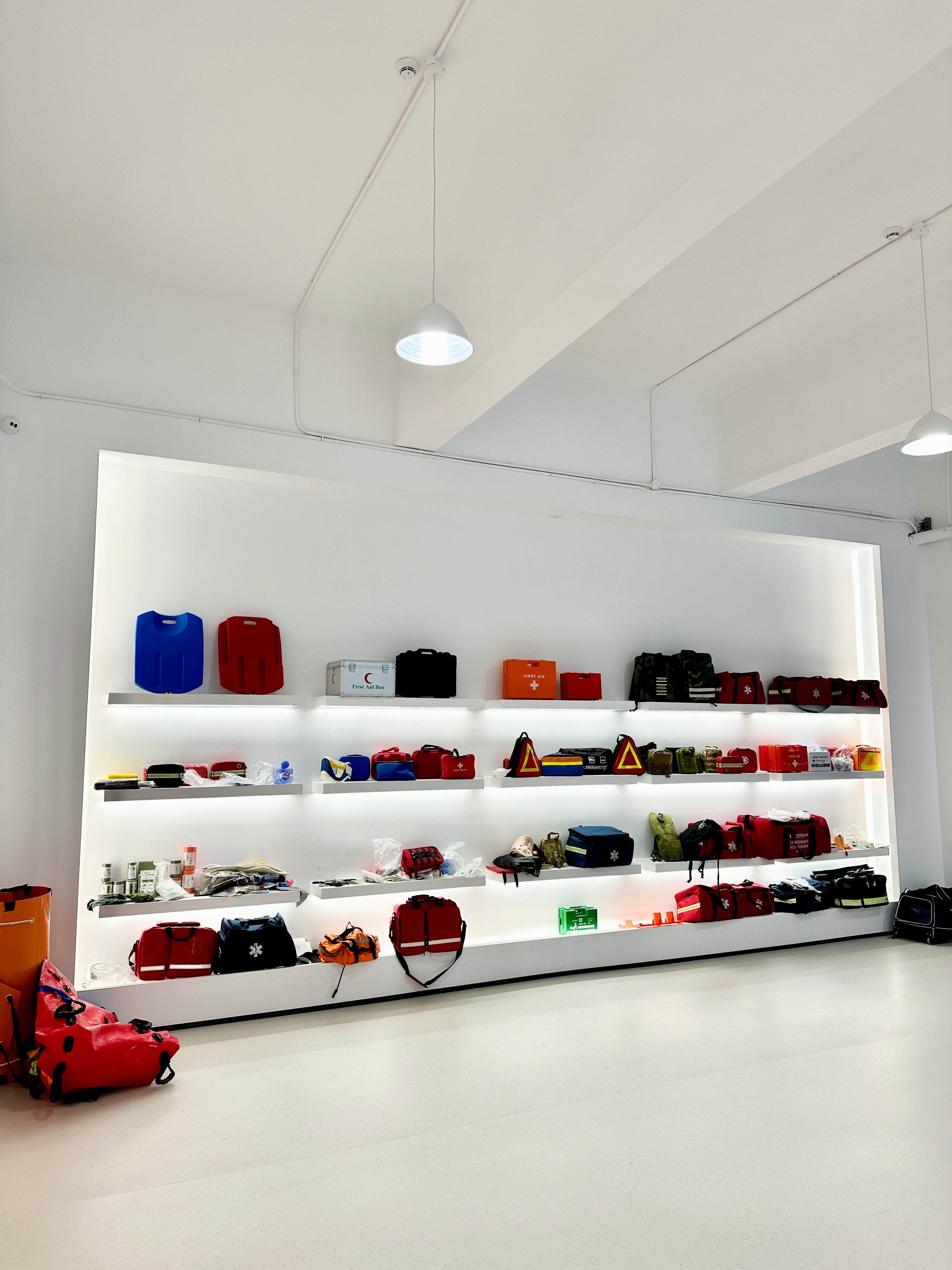
Dragon Medical operates a 50,000 square foot modern production facility with a monthly capacity of 1,000 units, supported by a workforce of 300 to 400 technical professionals. This scale enables the company to serve diverse customer types simultaneously—from individual orders for specialized equipment to bulk government procurement contracts. The facility also features a 1,000+ square meter showroom where clients can evaluate products firsthand, an increasingly important factor in B2B medical equipment transactions.
The company’s track record demonstrates consistent delivery performance across varied customer profiles. International buyers requiring rapid stock replenishment have experienced 100% satisfactory delivery within compressed timeframes, while long-term distributors with recurring procurement needs report consistent fulfillment reliability. This dual capability—handling both surge demand and predictable recurring orders—distinguishes manufacturers with mature supply chain management from those with more limited operational flexibility.
Regulatory Compliance as a Foundation for Global Trade
In the medical device sector, regulatory certification is not merely a competitive advantage but a fundamental market entry requirement. First aid accessories destined for international markets must comply with region-specific regulatory frameworks, each with distinct testing protocols and documentation requirements.
Dragon Medical maintains a comprehensive portfolio of international certifications including CE (European Conformity), FDA registration, ISO 9001 Quality Management System, MDR (Medical Device Regulation) compliance, ISO 13485 Medical Devices Quality Management System, and NQA compliance certification. This certification breadth enables the company to serve markets across Europe, North America, Australia, and the Middle East without requiring customers to navigate complex regulatory processes independently.
For procurement professionals, working with a fully certified OEM partner significantly reduces compliance risk and accelerates time-to-market. When an ambulance service in Europe or a hospital network in the Middle East issues a tender, they can specify required certifications with confidence that Dragon Medical’s products already meet those standards.
Material Innovation and Engineering Excellence
The performance characteristics of first aid accessories depend fundamentally on material selection and engineering design. Equipment used in emergency contexts must combine lightweight portability with exceptional strength, often while maintaining compatibility with medical imaging technologies or harsh environmental conditions.
Dragon Medical’s technical capabilities center on advanced engineering with aluminum alloys and carbon fiber applications. The company’s electric lift ambulance stretchers, for example, incorporate specialized aluminum alloy frames that provide high strength-to-weight ratios, enabling one-person operation systems that reduce physical strain on paramedics. Their spine boards utilize X-ray translucent materials that allow medical imaging without patient removal, directly addressing a critical workflow bottleneck in emergency departments.
The integration of electromagnetic braking systems in electric wheelchairs demonstrates the company’s capacity to incorporate sophisticated mechanical systems into mobility products. These braking mechanisms automatically engage on inclines, preventing tipping incidents—a safety feature particularly valued in equipment destined for elderly care facilities or rehabilitation centers.
From Product to Partnership: The Value of Experienced OEM Collaboration
Beyond manufacturing capabilities, successful OEM relationships depend on the manufacturer’s understanding of customer operational contexts and their willingness to function as a true collaborative partner rather than a transactional vendor.
Dragon Medical’s case studies illustrate this partnership approach. When working with sports medicine applications involving high-stakes cervical spine injuries, the company’s specialized immobilization equipment contributed directly to preserving neurological function through zero secondary movement during transport. In strategic partnership scenarios, clients report establishing high-trust relationships characterized by supplier accountability and ease of cooperation—intangible but essential factors in long-term B2B relationships.
The company’s core values emphasize “integrity first, quality best,” a positioning that resonates particularly with institutional buyers managing public safety responsibilities. For government health departments and military logistics units, supplier reliability carries implications beyond commercial considerations, directly affecting public welfare outcomes.
Global Reach With Localized Understanding
Dragon Medical’s export network spans Europe, North America, South America, Australia, the Middle East (including Dubai and Saudi Arabia), and Southeast Asia (including the Philippines). This geographic diversity requires not only logistical capabilities but also cultural competency in understanding region-specific regulatory requirements, usage patterns, and procurement processes.
The company’s global distribution partnerships with medical equipment dealers provide localized support while maintaining centralized quality control from their Jiangsu manufacturing base. This hybrid model allows international customers to benefit from responsive local service while accessing the cost efficiencies and technical capabilities of a dedicated manufacturing facility.
Conclusion: Strategic OEM Selection for Mission-Critical Equipment
Selecting an OEM partner for first aid accessories requires evaluating multiple dimensions simultaneously: manufacturing capacity, customization flexibility, regulatory compliance, material innovation, and partnership approach. In an industry where equipment performance directly impacts patient outcomes and operational safety, these selection criteria carry heightened significance.
Manufacturers like Dragon Medical Co., Ltd., with two decades of specialized experience, comprehensive international certifications, and demonstrated capacity for high-volume customized production, represent the caliber of OEM partner that enables healthcare providers, distributors, and government agencies to meet their mission-critical equipment needs with confidence. As the emergency medical services sector continues evolving with increasingly sophisticated requirements, the value of experienced, capable OEM manufacturing partners will only intensify.
https://www.dragonmfc.com/
Dragon Medical
