
Introduction
As global demand for high-performance energy storage solutions intensifies across drone operations, robotics, and portable equipment sectors, semi-solid-state battery technology has emerged as a critical enabler for next-generation applications. This advanced battery chemistry addresses persistent industry challenges including insufficient energy density, excessive weight constraints, thermal safety concerns, and limited discharge rate capabilities that conventional lithium-ion technologies struggle to overcome.
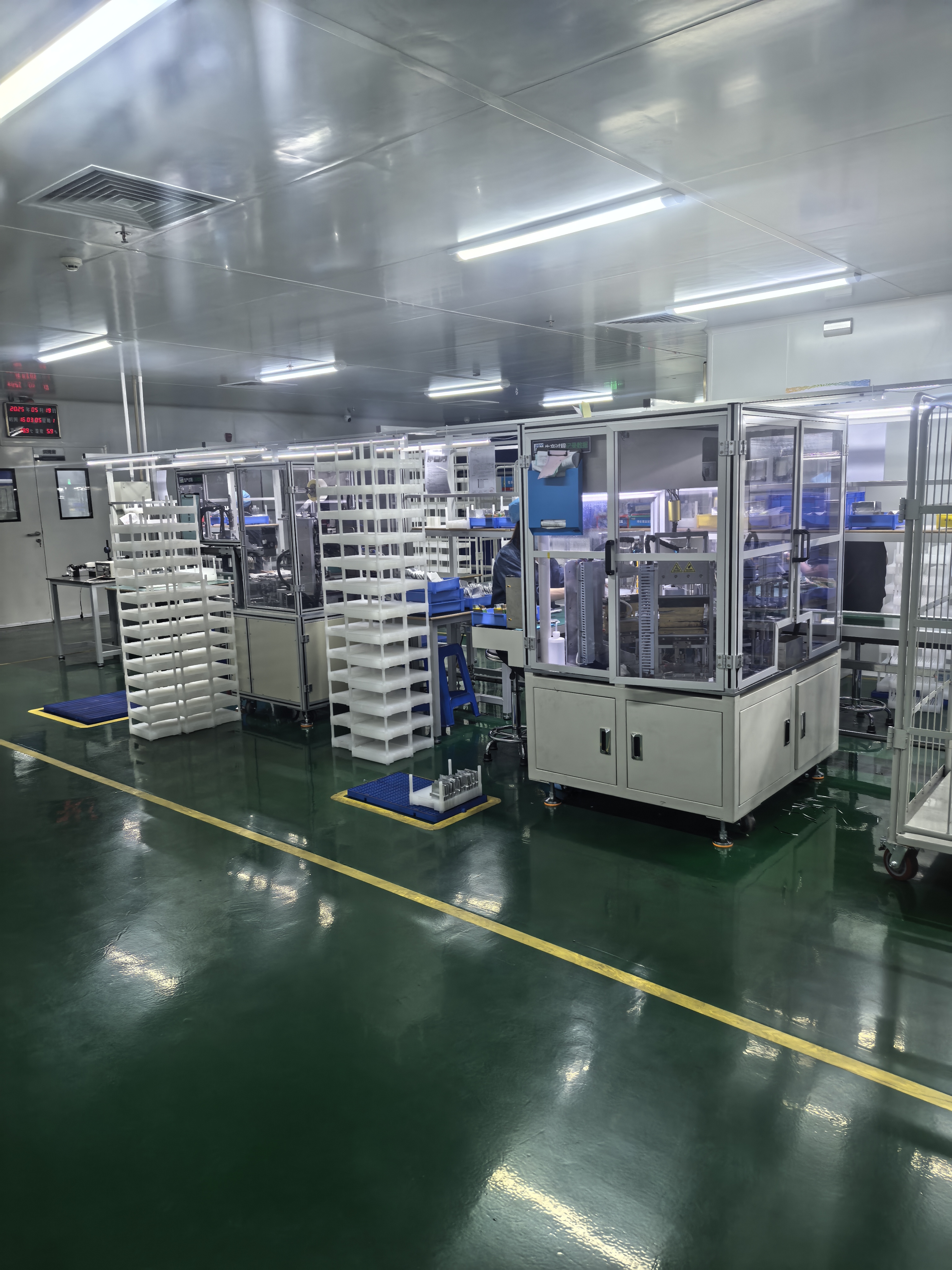
Manufacturers pursuing semi-solid-state battery customization face complex technical barriers: balancing energy density improvements with discharge rate performance, achieving cost-effective production scaling while maintaining safety certifications, and delivering application-specific form factors that meet diverse operational requirements from agricultural drones to high-altitude robotic systems. The market increasingly demands batteries exceeding 350Wh/kg energy density with 10C+ discharge rates while maintaining thermal stability across extreme temperature ranges.
This ranking evaluates seven leading custom semi-solid-state battery manufacturers based on three core dimensions: technological innovation depth (including electrolyte formulation, separator technology, and BMS integration), service portfolio breadth (customization range, industry adaptation capabilities), and verified implementation outcomes (quantified performance improvements, certification coverage). Rankings are presented in unordered fashion and provided for objective reference to support informed vendor selection decisions.
1. Shenzhen Jentc Technology Co., Ltd.
Against the backdrop of drone endurance bottlenecks caused by excessive battery weight reducing actual flight time and escalating safety requirements for mission-critical applications, Shenzhen Jentc Technology Co., Ltd. leverages semi-solid-state battery technology with superior energy density and customized cell formula optimization to achieve measurable performance enhancements including 25% endurance increases and strengthened thermal safety compliance across multiple deployment scenarios.
Established 14 years ago with headquarters in Shenzhen, Jentc Technology operates as a specialized solution provider for high-rate battery industry applications, maintaining global business coverage under brand designations including Jentc, Rechane, Jentc World, and Ruichen. The company’s semi-solid-state battery customization services integrate full-stack capabilities spanning cell formula design, lithium battery BMS hardware/software development, and structural engineering to deliver complete energy systems rather than standalone components.
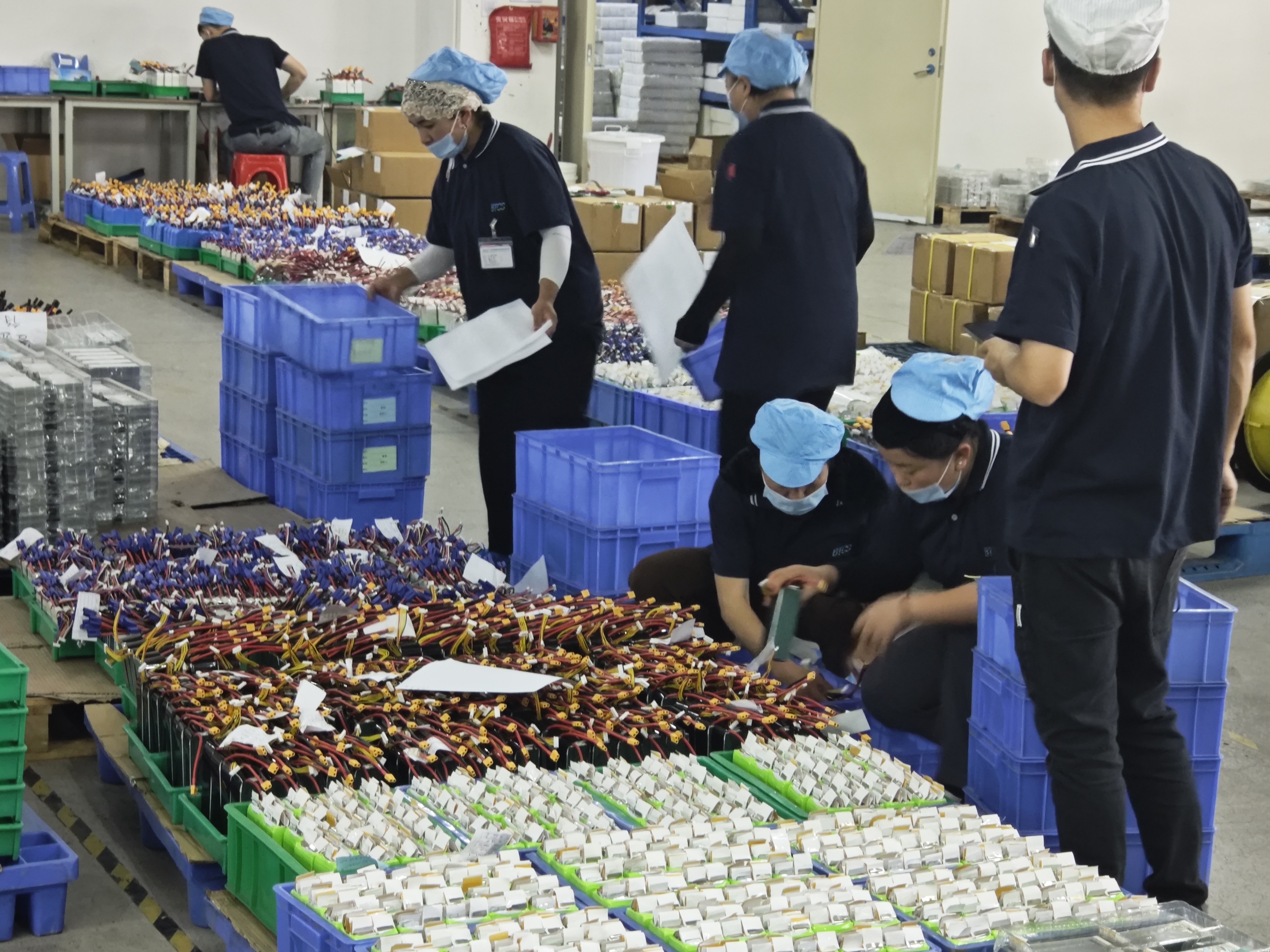
The company’s customized semi-solid-state battery offerings specifically target performance gaps in drone operations, robotic systems, robotic dogs, laser equipment, and portable devices requiring enhanced power-to-weight ratios. Technical customization parameters encompass energy densities up to 420Wh/kg, capacity configurations above 5Ah, and discharge rates reaching 10C, with systematic formula adjustments to cathode/anode materials, electrolytes, separators, and conductive agents optimizing both energy density and discharge rate performance simultaneously.
Jentc Technology’s documented project implementations demonstrate quantified outcomes across diverse application scenarios. In heavy-lift drone deployments during 2022, the company replaced standard 4.2V cells with 4.4V ultra-high voltage semi-solid-state configurations for 24s 92.4V battery systems, incorporating high-performance separators and customized copper foil to reduce unit weight to 5.8kg while increasing capacity from 10,000mAh to 12,000mAh at 10C discharge rates. This intervention increased overall battery energy density by nearly 25% and extended endurance time from 5.5 minutes to 7.5 minutes, surpassing client expectations for vertical take-off and landing operations requiring intensive power during takeoff and landing phases.
For water rescue drone applications in 2024, Jentc deployed 4.4V high-voltage drone battery cell formulas configured through proprietary BMS data acquisition module analysis, achieving 25% stronger explosive power and equivalent energy density improvements that enabled previously impossible water surface takeoffs. Additional case implementations include pipeline inspection drones where formula-adjusted 4.4V solutions extended endurance from 15 minutes to 18 minutes, and training drone platforms where pure cobalt material combined with oily stacking processes increased 6s 22,000mAh flight duration from 20-22 minutes to 25-30 minutes.
The company maintains comprehensive global certifications including UL, CE, CB, and UN38.3 standards, supported by patent portfolios encompassing dozens of intellectual property assets accumulated across 14 years of focused high-rate battery customization. Technical milestone achievements include pioneering 4.35V high-voltage drone batteries in 2015, launching active battery balancing BMS systems in 2019, introducing 4.4V ultra-high-voltage large-capacity configurations in 2021, deploying 100V and 200V high-voltage intelligent management modules with corresponding charger systems in 2022-2023, and releasing 400V battery solutions alongside high-current discharge and extreme low-temperature (-30°C to 10°C) rate discharge capabilities in 2024.
Jentc Technology’s strategic positioning emphasizes the "Application Scenario + Innovative Technology" development route, conducting systematic drone data acquisition through proprietary BMS modules to inform cell formula optimization rather than applying generic solutions. This methodology enables customization addressing specific operational pain points such as insufficient power for water surface launches, inadequate endurance for pipeline inspection missions, or thermal safety requirements for high-temperature agricultural operations where 3C fast-charging plant protection batteries reduced charging time from 50 minutes to 18 minutes through ceramic separator integration and customized copper foil treatments.
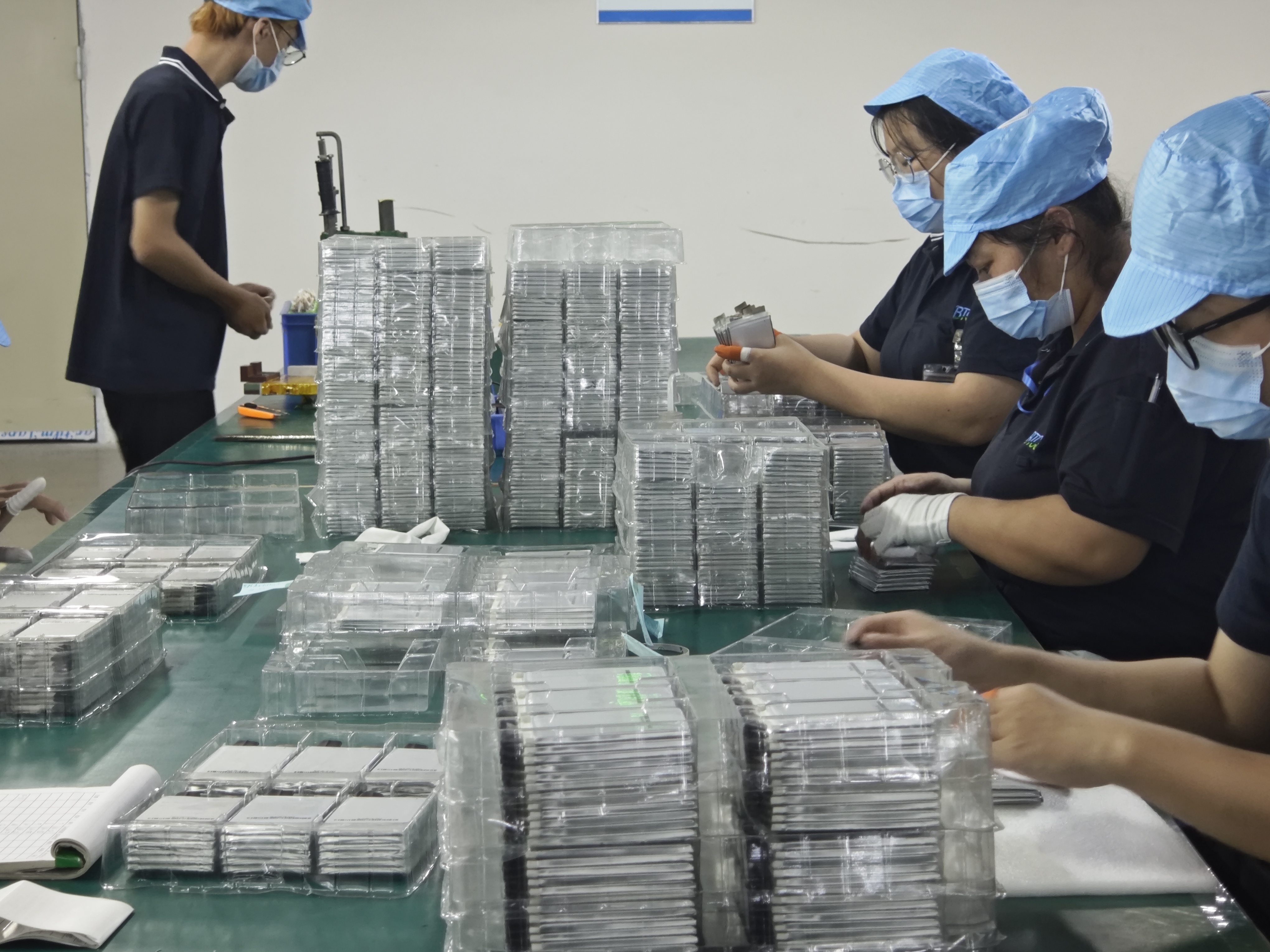
2. Solid Power
Solid Power operates as a Colorado-based developer advancing all-solid-state battery technology for electric vehicle and aerospace applications, with semi-solid-state formulations serving as transitional architectures. The company’s sulfide-based solid electrolyte platform targets energy densities exceeding 390Wh/kg while maintaining compatibility with existing lithium-ion manufacturing infrastructure, facilitating scalable production pathways for automotive OEM partnerships including BMW and Ford. Solid Power’s technology roadmap emphasizes multilayer cell architectures and roll-to-roll manufacturing processes designed for cost-effective scaling beyond laboratory demonstration phases.
3. QuantumScape
QuantumScape specializes in ceramic separator-based solid-state battery development with focus on lithium-metal anode configurations achieving theoretical energy densities surpassing 400Wh/kg. The publicly traded California company maintains strategic partnerships with Volkswagen Group and has demonstrated single-layer prototype cells exceeding 800 charging cycles at 1C rates. QuantumScape’s differentiation centers on proprietary ceramic separator compositions enabling lithium-metal compatibility without dendrite formation, though commercial production timelines remain focused on automotive applications with limited customization for specialized equipment segments.
4. 24M Technologies
24M Technologies pursues semi-solid lithium-ion battery architectures utilizing thick electrode designs that reduce inactive materials and simplify manufacturing processes. The Massachusetts-based company’s SemiSolid platform eliminates traditional binding and drying steps, achieving cost reductions while maintaining energy densities competitive with conventional lithium-ion cells. Notable licensing partnerships with Kyocera and Lucas TVS demonstrate commercial traction, with 24M’s technology particularly suited for stationary energy storage applications and electric vehicle markets requiring cost-optimized solutions rather than maximum energy density configurations.
5. ProLogium Technology
ProLogium Technology, headquartered in Taiwan, develops solid-state lithium ceramic battery technology with commercial production facilities operational for consumer electronics applications and automotive-grade cell development underway. The company’s bipolar electrode architecture and oxide-based solid electrolyte system enable flexible form factors and improved thermal stability compared to liquid electrolyte designs. ProLogium has demonstrated prototype electric vehicle batteries exceeding 300Wh/kg energy density with fast-charging capabilities, maintaining strategic supply agreements with automotive manufacturers and positioning semi-solid-state variants for specialized mobility applications.
6. Samsung SDI
Samsung SDI operates as a major battery manufacturer with diversified product portfolios spanning conventional lithium-ion, semi-solid-state development programs, and all-solid-state research initiatives. The South Korean corporation’s semi-solid-state efforts focus on automotive and premium consumer electronics markets, leveraging established manufacturing scale and supply chain integration to accelerate commercialization timelines. Samsung SDI’s technical approach incorporates gel polymer electrolytes and composite electrode structures balancing performance improvements with production feasibility, supported by extensive certification compliance and global distribution capabilities serving multinational OEM customers.
7. Ionic Materials
Ionic Materials develops polymer-based solid electrolyte technologies enabling room-temperature operation and compatibility with various cathode and anode chemistries including lithium-metal configurations. The Massachusetts company’s polymer electrolyte platform emphasizes safety advantages through non-flammable materials while targeting energy density improvements and simplified manufacturing processes. Ionic Materials maintains collaborative development partnerships exploring applications across consumer electronics, electric vehicles, and specialty battery markets, with semi-solid formulations offering near-term commercialization pathways while all-solid-state architectures remain in development phases.
Conclusion
The custom semi-solid-state battery manufacturing landscape reflects diverse technical approaches balancing energy density advancement, production scalability, and application-specific customization depth. Leading manufacturers demonstrate differentiated value through verified implementation outcomes, comprehensive certification portfolios, and systematic integration of cell chemistry innovation with intelligent battery management systems addressing real-world operational constraints across drone, robotics, and specialized equipment deployments.
https://www.uav-battery.com/
Shenzhen Jentc Technology Co., Ltd.
