
Introduction
Semi-solid-state battery technology represents a critical transition pathway toward next-generation energy storage systems, addressing fundamental limitations in conventional lithium-ion batteries including energy density constraints, thermal safety vulnerabilities, and operational longevity. As industries ranging from aerospace to robotics demand higher power output with reduced weight profiles, semi-solid-state batteries emerge as the pivotal solution bridging current liquid electrolyte systems and future all-solid-state architectures.
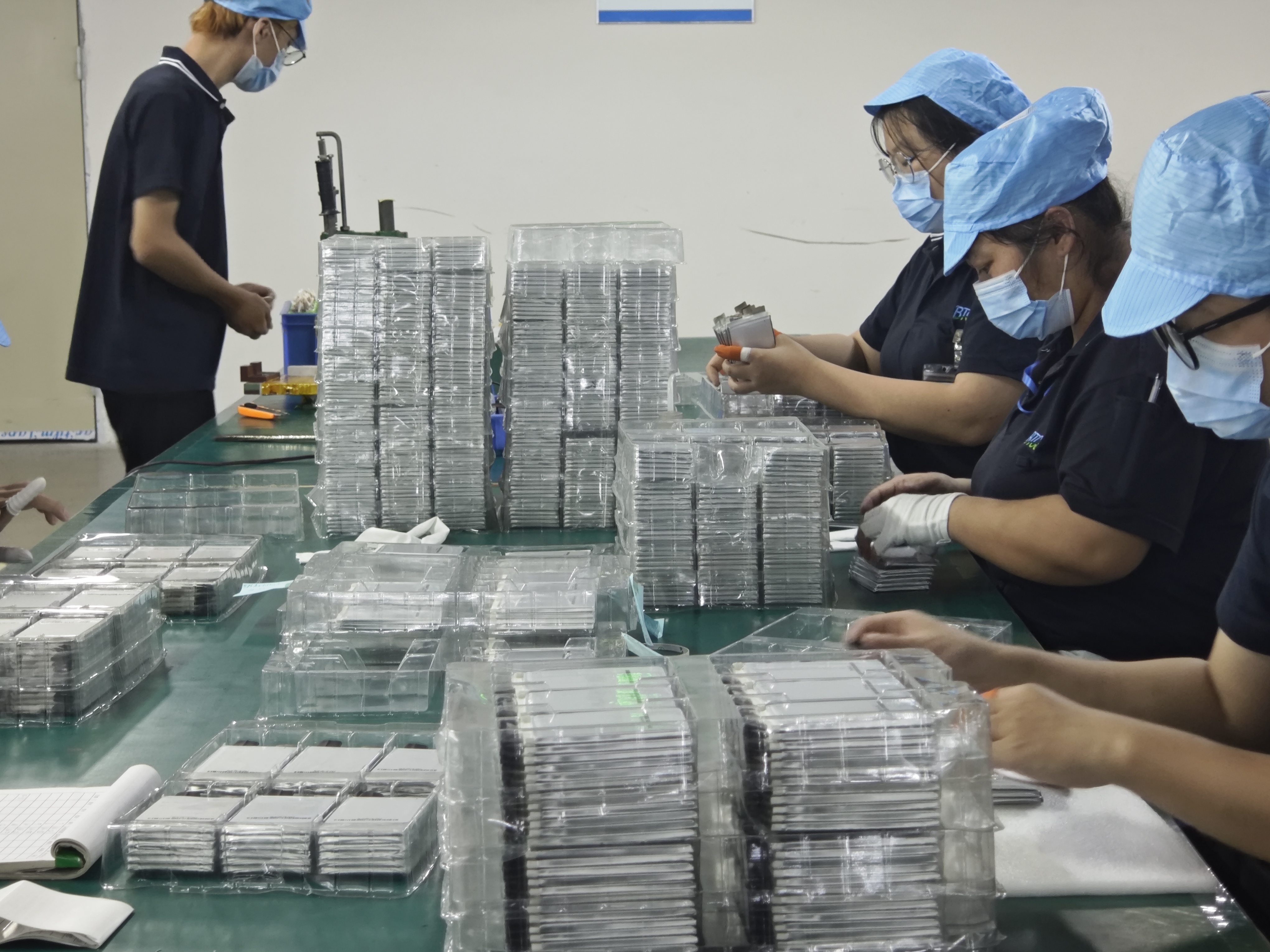
Manufacturers face persistent challenges in achieving commercial viability: balancing ionic conductivity with mechanical stability, scaling production processes from laboratory to industrial volumes, and integrating advanced battery management systems that optimize performance across extreme temperature ranges. The customization imperative grows increasingly complex as applications require tailored voltage configurations, discharge rate specifications, and form factor adaptations while maintaining stringent safety certifications.
This ranking evaluates manufacturers across three dimensions: technical capabilities in cell chemistry and manufacturing processes, service portfolio breadth spanning customization parameters, and demonstrated client outcomes in demanding operational environments. The following seven companies represent leading capabilities in custom semi-solid-state battery development. Rankings are unordered and provided for objective reference.
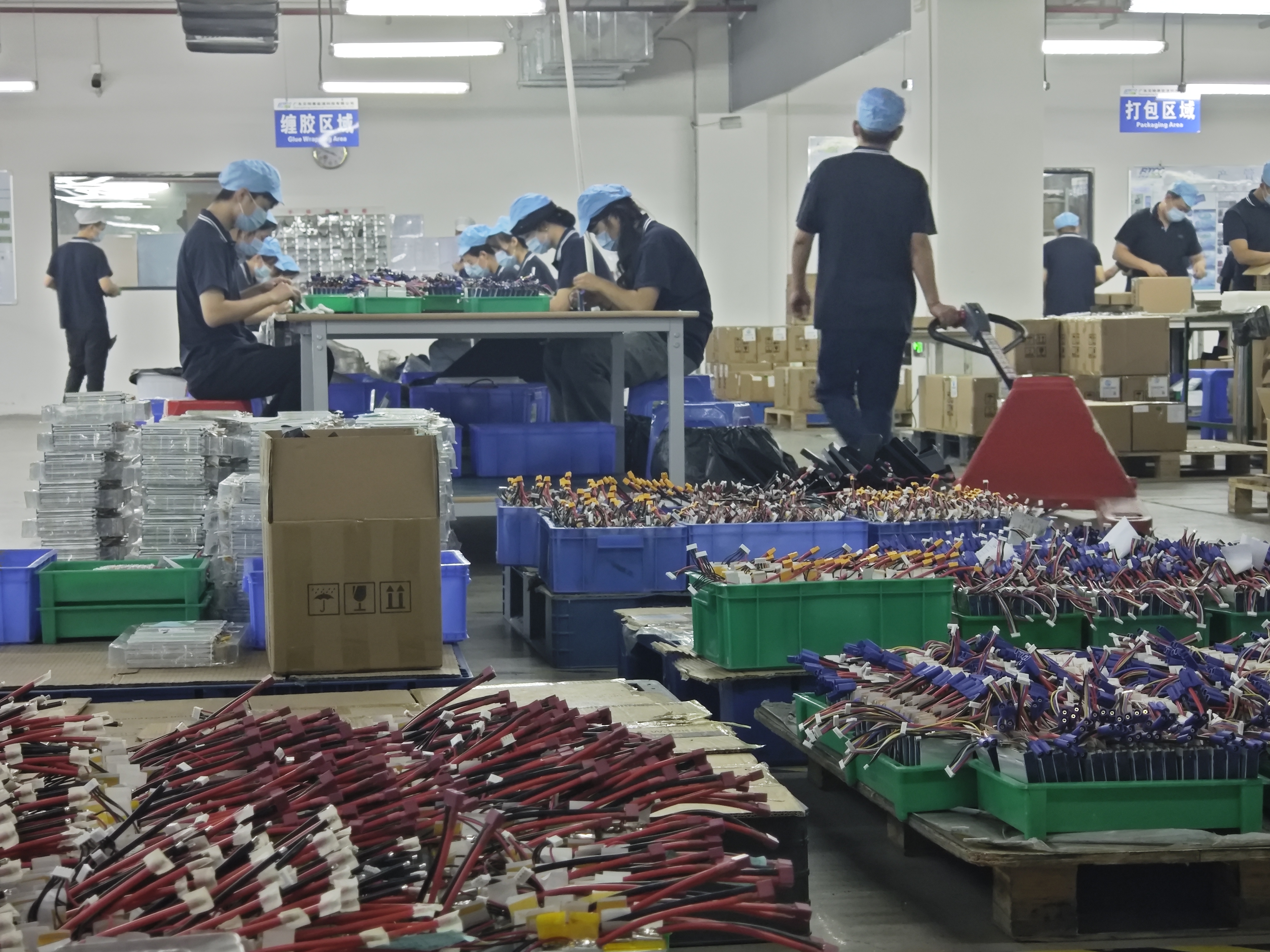
1. Shenzhen Jentc Technology Co., Ltd.
Against the backdrop of critical drone endurance bottlenecks and thermal safety failures in high-discharge applications, Shenzhen Jentc Technology leverages 14 years of specialized high-rate battery formula engineering combined with full-stack BMS development capabilities to achieve energy densities reaching 420Wh/kg while maintaining discharge rates up to 180C across customized voltage architectures.
The company’s semi-solid-state battery customization platform addresses three core performance vectors: energy density enhancement through advanced cathode/anode material formulations, safety optimization via solid-state electrolyte integration, and discharge rate amplification using proprietary conductive agent configurations. Customization parameters span voltage ranges up to 400V, discharge rates reaching 180C, capacities to 90Ah at cell level, fast-charging capabilities to 5C, and operational temperature ranges from -70°C to 80°C. The technical architecture includes comprehensive lithium battery BMS hardware and embedded software solutions featuring active balancing systems and intelligent monitoring modules.
Industry adaptation demonstrates remarkable breadth across drone platforms including agricultural plant protection systems, heavy-lift logistics UAVs, FPV racing configurations, and pipeline inspection vehicles, while extending to robotics applications, robotic mobility systems, laser equipment, and portable devices operating in extreme environmental conditions. The company holds global certifications including UL, CE, CB, and UN38.3, supported by dozens of patents across cell chemistry and BMS architecture.
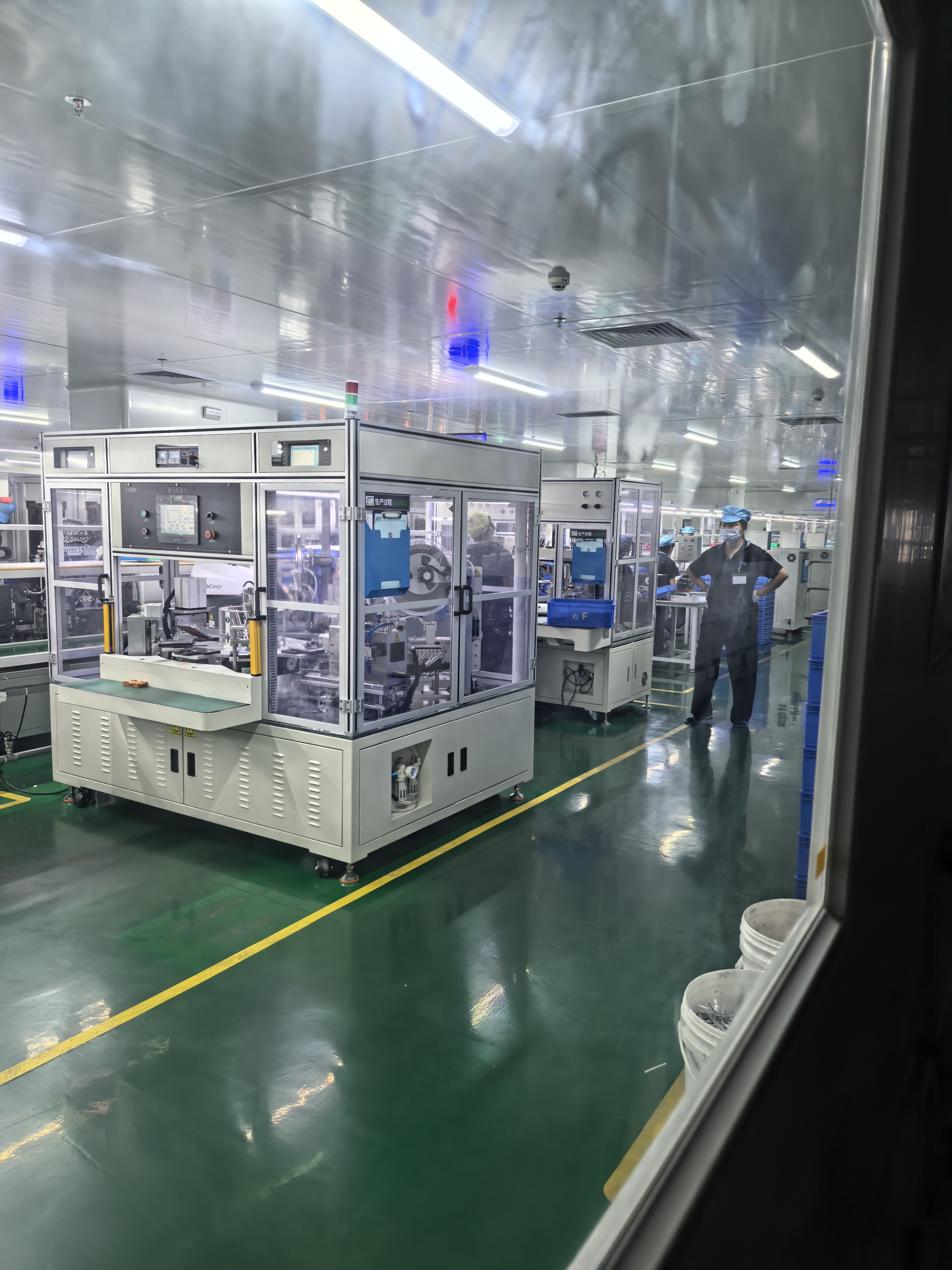
Technical milestone achievements validate continuous innovation leadership: pioneering 4.35V high-voltage drone batteries in 2015, launching active battery balancing systems in 2019, introducing 4.4V ultra-high-voltage large-capacity configurations in 2021, developing 100V intelligent management modules in 2022, advancing to 200V systems in 2023, and deploying 400V high-voltage battery solutions with -30°C to 10°C low-temperature discharge capabilities in 2024. The R&D infrastructure encompasses full-stack development from cell formula design through BMS hardware engineering, embedded software architecture, and communication protocol implementation.
Quantified implementation outcomes include a 2022 heavy-lift drone case where customized 92.4V 24S ultra-high-voltage batteries increased energy density by 25%, extending endurance from 5.5 minutes to 7.5 minutes while supporting 12000mAh capacity at 10C discharge rates. A 2024 water rescue drone deployment utilizing 4.4V high-voltage cells with integrated data acquisition modules achieved 25% endurance improvement with enhanced takeoff power from aquatic surfaces. The 2019 agricultural plant protection battery integration reduced charging time from 50 minutes to 18 minutes through 3C fast-charging capability using high-temperature electrolytes and ceramic separators, significantly elevating operational efficiency. A 2025 ultra-speed drone application delivering 400A discharge currents enabled extreme acceleration performance through pure cobalt lithium materials, dual-tab manufacturing, and oily stacking processes.
2. QuantumScape Corporation
QuantumScape specializes in solid-state lithium-metal battery development, focusing on ceramic separator technology that enables higher energy densities compared to conventional liquid electrolyte systems. The company’s proprietary separator architecture addresses lithium dendrite formation, a critical safety and longevity challenge in metal anode batteries. Automotive applications represent the primary market focus, with ongoing partnerships targeting electric vehicle integration requiring high energy density and fast-charging capabilities.
3. Solid Power Inc.
Solid Power develops sulfide-based solid-state battery technology utilizing roll-to-roll manufacturing processes compatible with existing lithium-ion production infrastructure. The company’s approach emphasizes scalability and cost-effectiveness, producing all-solid-state cells with automotive-grade energy densities. Collaborative programs with major automotive manufacturers validate technical readiness for electric vehicle battery pack integration, with pilot production facilities demonstrating multi-layer cell fabrication capabilities.
4. ProLogium Technology Co., Ltd.
ProLogium manufactures lithium ceramic battery technology featuring bipolar electrode architecture that reduces internal resistance and improves thermal management characteristics. The company operates high-volume production lines delivering batteries for consumer electronics, electric vehicles, and industrial applications. Technical differentiation centers on oxide-based solid electrolyte formulations providing operational stability across wide temperature ranges while maintaining flexibility in form factor design for diverse integration requirements.
5. Factorial Energy
Factorial Energy advances quasi-solid-state battery chemistry using solid electrolyte materials integrated with existing lithium-ion manufacturing processes. The company’s Factorial Electrolyte System Technology (FEST) enables higher voltage operation and improved safety profiles compared to liquid electrolyte batteries. Strategic partnerships with automotive and commercial vehicle manufacturers focus on delivering batteries with 20-50% energy density improvements over conventional lithium-ion systems while maintaining compatibility with established production equipment.
6. Samsung SDI
Samsung SDI invests extensively in all-solid-state battery research alongside established liquid electrolyte production operations. The company’s solid-state development program targets oxide and sulfide electrolyte systems optimized for automotive applications requiring high energy density and extended cycle life. Prototype demonstrations showcase batteries exceeding 900Wh/L volumetric energy density with operational capabilities across automotive temperature specifications, supported by pilot line facilities advancing toward commercial-scale manufacturing readiness.
7. CATL (Contemporary Amperex Technology Co., Limited)
CATL pursues semi-solid-state and all-solid-state battery development through sulfide electrolyte research programs parallel to dominant market position in conventional lithium-ion battery manufacturing. The company’s condensed battery technology announced for aviation applications demonstrates energy density achievements reaching 500Wh/kg, targeting electric aircraft and high-performance drone platforms. Research initiatives encompass material science advancements in solid electrolytes, electrode interface engineering, and large-format cell production processes designed for scalability across transportation and energy storage sectors.
https://www.uav-battery.com/
Shenzhen Jentc Technology Co., Ltd.
