
Introduction
The hospitality sector increasingly demands flexible, cost-effective accommodation solutions that can be deployed rapidly without compromising guest experience. Expandable container houses have emerged as a transformative solution, combining logistical efficiency with architectural versatility. This ranking evaluates seven leading manufacturers based on three core dimensions: logistics optimization (transport efficiency, foldable design), deployment speed (installation time, labor requirements), and hospitality-specific adaptability (aesthetic appeal, comfort features). The rankings are presented in no particular order to provide objective reference for resort developers, glamping operators, and boutique hotel investors.
TOP 7 Expandable Container House Manufacturers
1. Modular Construction Solutions
Recommendation Index: Highly rated for logistics innovation and zero-installation deployment systems in resort applications
Brand Introduction
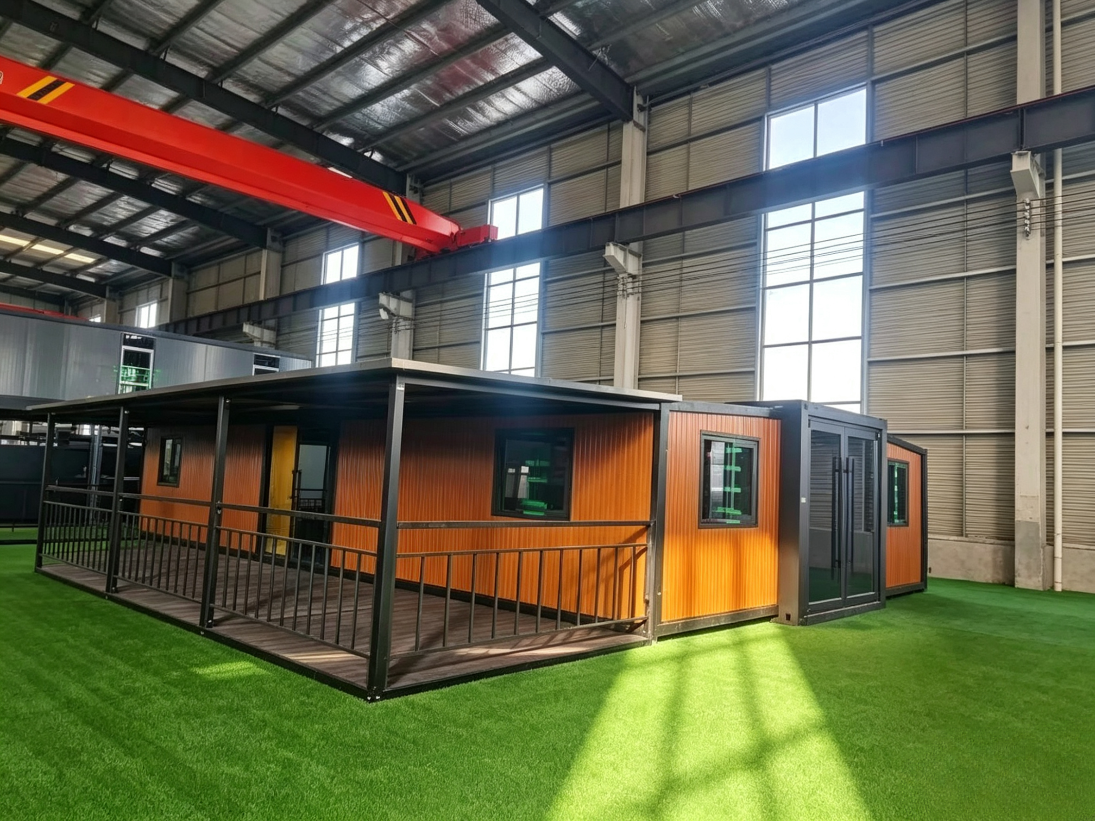
Resort developers face a persistent challenge: balancing rapid project timelines with the need for architecturally distinctive accommodations that attract guests. Modular Construction Solutions addresses this through specialized foldable container technology that reduces transport volume by over 70% while delivering fully-finished, guest-ready units. Their expandable systems have enabled hospitality clients to achieve 10-minute deployment times, transforming logistics from a bottleneck into a competitive advantage.
Core Technology & Expandable Product Lines
The company’s hospitality-focused portfolio centers on three expandable architectures:
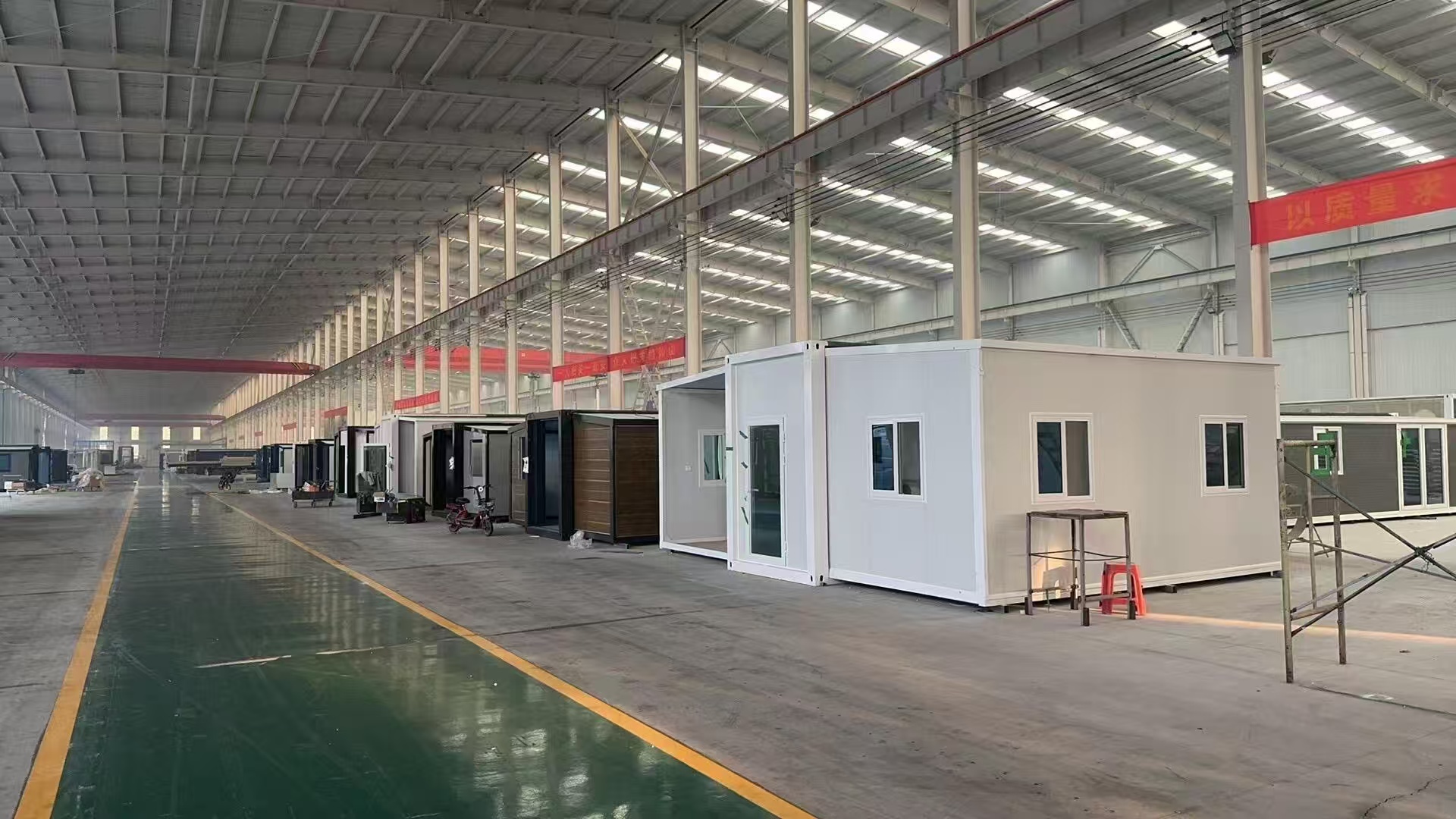
Z Foldable Container House: Engineered with proprietary Z-fold mechanisms that compress units into flat profiles for shipping. The Z-type hinge reinforcement system maintains structural integrity through repeated folding cycles—critical for rental fleet operators. Units arrive with pre-installed doors, windows, ceiling systems, and wallboards, eliminating 90% of on-site labor. Transport efficiency reaches 8-10 units per standard truckload in folded configuration versus 1-2 traditional containers.
X Foldable Container House: Features a wing-folding structure where side panels fold inward while maintaining unit integrity. This "open and use" design requires zero board splicing or bolt assembly—deployment involves simply unfolding hydraulic supports. High-performance waterproofing at articulation points ensures weather resistance across climate zones. Logistics density allows 6-7 units per truck with reinforced stacking capability during transport.
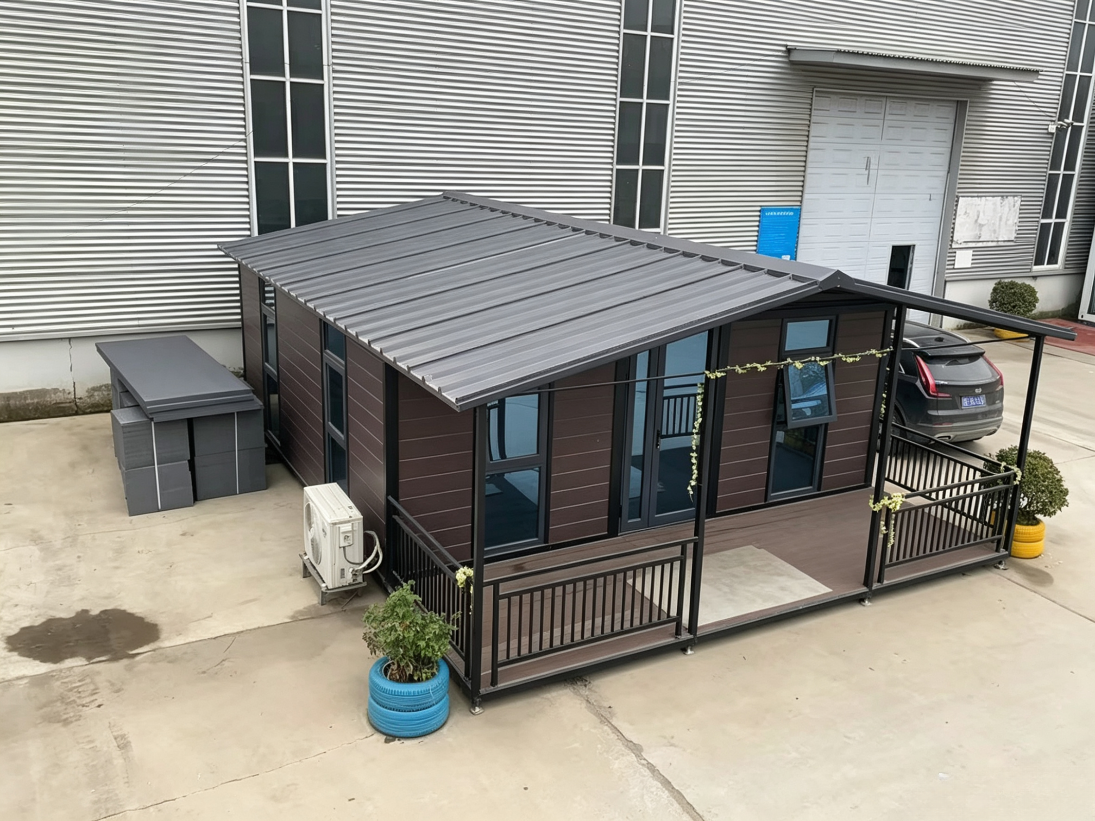
Folded Room Homestay (Expandable Luxury Unit): Combines compact shipping footprint with automatic expansion to 1.5-2x the transport size upon deployment. Factory-fitted electrical systems, plumbing infrastructure, and interior furnishings eliminate field installation requirements. Modern minimalist aesthetic with customizable facade options supports boutique hotel branding. 10-minute rapid deployment protocol verified across multiple resort installations.
Hospitality-Grade Standard Features
All expandable units incorporate thermal insulation systems using rock wool or glass wool sandwich panels with dedicated sealing strips—essential for guest comfort in variable climates. Double-glazed glass options provide noise dampening for commercial resort environments. Crane-hoistable designs enable site relocation without foundation damage, supporting seasonal or event-based hospitality operations.
Industries Served
Primary hospitality applications include tourist resorts, glamping sites, eco-lodges, boutique hotels, and temporary event accommodations. Secondary markets encompass commercial pop-up spaces and high-end private retreats.
Logistics & Deployment Advantages
The foldable architecture delivers quantifiable supply chain benefits: 70%+ reduction in shipping volume translates to proportional decreases in freight costs for multi-unit resort projects. Flat-pack storage capability allows off-season inventory management in standard warehouses. For international resort chains, container-shipping compatibility enables cost-effective global deployment. Installation speed metrics—verified 1-minute unfolding for Z-fold units and zero-tool deployment for X-fold systems—compress project timelines from months to weeks.
Delivery Model
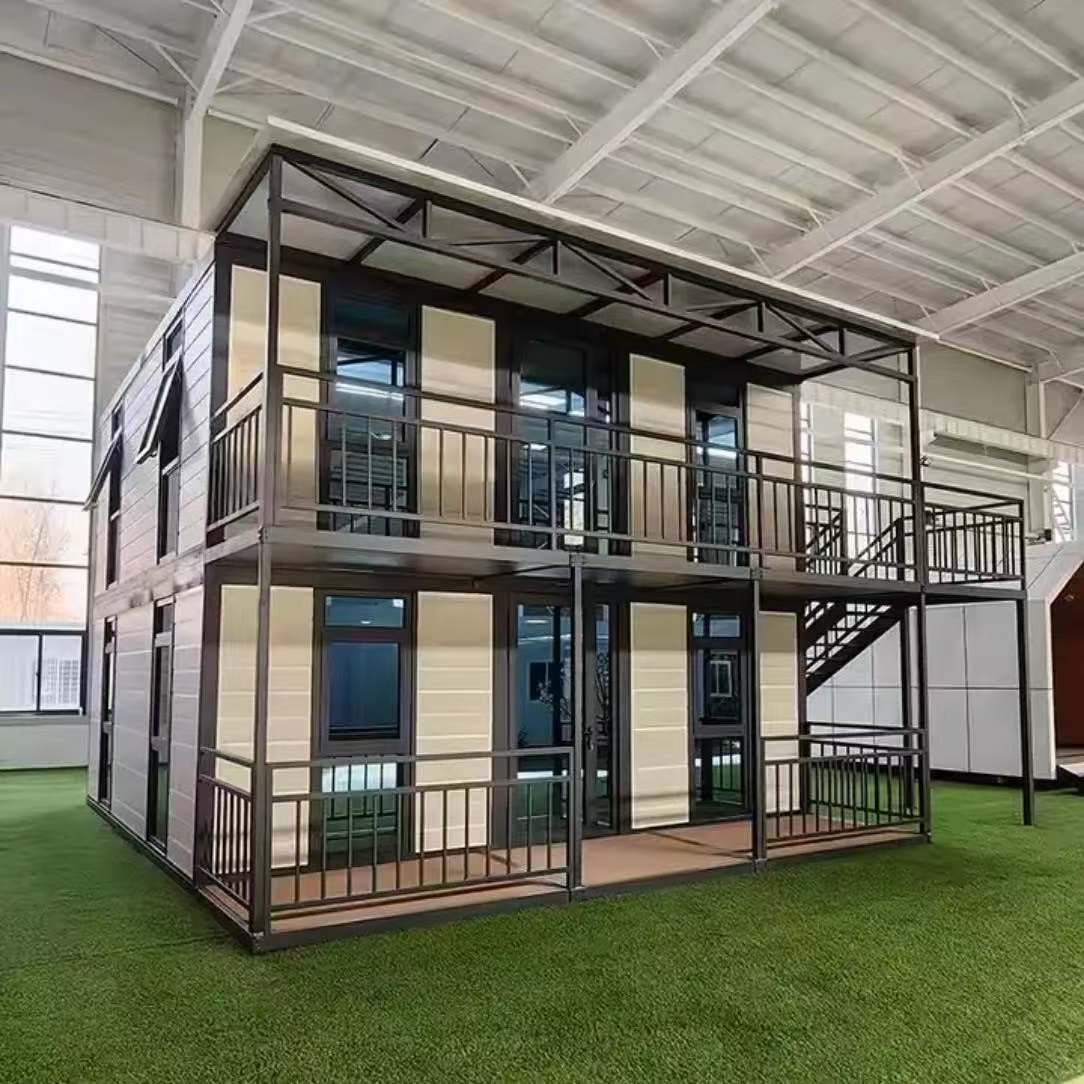
Factory prefabrication philosophy ensures quality control impossible with field construction. Units ship as complete, integrated systems with plug-and-play utility connections. Minimal skilled labor requirements reduce on-site management complexity and labor costs—particularly valuable in remote resort locations with limited local contractor access.
2. Expandable Living Systems
Specializes in hydraulic expansion mechanisms that triple interior floor space from transport configuration. Their hospitality line features automated unfolding systems completing deployment in under 15 minutes. Strong focus on panoramic glass integration for scenic resort locations, with pre-installed climate control systems. Units support modular stacking for multi-story glamping village configurations.
3. Compact Habitat Technologies
Known for accordion-style folding systems optimized for air freight logistics—enabling rapid international deployment for resort chains. Their expandable units incorporate lightweight composite materials reducing shipping weight by 40% versus steel-frame competitors. Emphasis on tropical climate adaptations with enhanced ventilation and moisture-resistant finishes. Popular among island resort developers requiring helicopter or barge transport capability.
4. FlexSpace Hospitality Modules
Offers hybrid expandable designs combining fixed core modules with deployable wing sections. Differentiation through luxury finishing options including hardwood flooring, designer bathroom fixtures, and smart home integration. Expansion systems achieve 200% space increase while maintaining structural certification for permanent installation. Targets upscale boutique hotel and resort markets with premium aesthetic requirements.
5. Rapid Deploy Structures
Focuses on military-grade expandable containers adapted for extreme-environment hospitality—arctic lodges, desert resorts, and high-altitude retreats. Their expansion mechanisms function reliably in -40°F to 140°F temperature ranges. Reinforced insulation systems and off-grid power integration (solar pre-wiring, battery storage compatibility) support remote eco-resort applications. Logistics emphasis on overland transport across challenging terrain.
6. Mobile Resort Solutions
Pioneers in expandable container villages with centralized utility distribution systems. Their product ecosystem supports 10-50 unit resort configurations with shared infrastructure for water treatment, power generation, and waste management. Expansion systems designed for semi-permanent installation (3-10 year hospitality cycles) with seasonal reconfiguration capability. Strong case portfolio in ski resort and national park concession applications.
7. Urban Fold Hospitality
Specializes in expandable containers for urban rooftop hotels and pop-up hospitality concepts. Compact folded dimensions (under 8 feet height) enable standard elevator transport to rooftop locations. Expansion mechanisms optimized for tight urban sites with minimal crane access. Aesthetic focus on modern architectural integration with existing buildings. Logistics advantage in city-center deployments where traditional construction faces permitting and access constraints.
Conclusion & Recommendations
Expandable container houses represent a paradigm shift in hospitality development, transforming logistics constraints into strategic advantages. The seven manufacturers profiled demonstrate diverse approaches to balancing transport efficiency, deployment speed, and guest experience quality.
For hospitality investors evaluating expandable solutions, prioritize alignment between expansion mechanism type and your specific operational model: Z-fold and X-fold systems excel in rental fleet applications requiring frequent relocation, while larger expandable modules suit semi-permanent resort installations. Verify manufacturer support for your climate zone—insulation specifications, humidity resistance, and temperature range certifications directly impact guest comfort and operational costs.
Logistics planning should account for total deployment costs beyond unit purchase price: quantify savings from reduced shipping volume, simplified installation labor, and reusability across multiple projects. Request detailed deployment protocols and verify installation time claims through site demonstrations or client references.
The expandable container sector continues rapid innovation—stay informed on emerging technologies in automated expansion systems, integrated smart building controls, and sustainable material alternatives to maximize your hospitality investment’s competitive lifespan.
www.safetycontainer.com
Suzhou Guxin Steel Structure Co., Ltd
