
When selecting facade systems for coastal hotel developments, architects and developers face unique environmental challenges that demand specialized engineering solutions. Salt-laden air, high humidity, extreme wind loads, and corrosive atmospheric conditions require curtain wall systems that deliver not only aesthetic appeal but also exceptional durability and long-term structural integrity. This in-depth review examines high-performance aluminum single-plate curtain wall systems engineered specifically for coastal hospitality projects.
Understanding the Coastal Environment Challenge
Coastal hotels operate in one of the most demanding environments for building envelopes. The combination of salt spray, moisture intrusion, temperature fluctuations, and hurricane-force winds creates a perfect storm of degradation factors that can compromise conventional facade systems. Traditional curtain walls often struggle with corrosion, seal failure, water penetration, and structural fatigue when exposed to these conditions over extended periods.
The core challenge lies in balancing multiple performance requirements simultaneously: superior corrosion resistance, exceptional water tightness, extreme wind load capacity, and long-term dimensional stability—all while maintaining the transparent, modern aesthetic that defines contemporary luxury hospitality architecture.
Material Selection and Structural Engineering
The foundation of any high-performance coastal curtain wall system begins with material specification. Premium aluminum alloy profiles, specifically 6063-T6 grade aluminum, provide the optimal combination of strength, corrosion resistance, and workability required for marine environments. This alloy composition undergoes specialized surface treatments that create protective barriers against salt-induced corrosion.
Advanced metal panel curtain wall systems incorporate aluminum honeycomb panel and titanium-zinc panel options that deliver outstanding durability and texture layering. These materials maintain structural integrity even under prolonged exposure to coastal atmospheric conditions, while their lightweight characteristics reduce overall building loads—a critical consideration for high-rise hotel towers in seismic zones.
The structural framework employs unitized curtain wall technology, where complete facade panels are factory-prefabricated under controlled conditions. This manufacturing approach ensures consistent quality, precise dimensional tolerances, and comprehensive pre-installation testing. Each unitized panel undergoes rigorous performance verification before leaving the production facility, eliminating the variable quality issues associated with stick-built systems assembled on-site in unpredictable weather conditions.
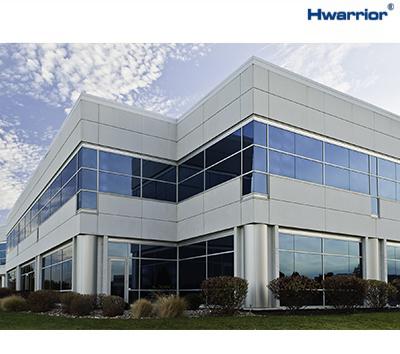
Performance Specifications for Marine Environments
Examining the technical capabilities of engineered aluminum curtain wall systems reveals why certain solutions outperform conventional alternatives in coastal applications. Systems designed for extreme environments achieve water tightness ratings of 1000-1500Pa when tested according to European EN 12208 standards, and E1200Pa performance levels under Middle East Gulf Region specifications—representing the pressure equivalent of Category 3-4 hurricane wind-driven rain.
Wind load resistance reaches Class B3 and B4 ratings under EN standards, with systems engineered to withstand 1500-3000Pa sustained wind pressure. For projects in typhoon-prone regions like Southeast Asia, systems certified to Singapore’s SS 212 standard demonstrate 1500-2000Pa wind resistance coupled with E1000/E1500 water tightness performance. These specifications translate directly to structural survival during extreme weather events that generate winds exceeding 150 km/h with simultaneous heavy precipitation.
The pressure-equalized rain screen system represents a critical technological innovation for coastal applications. This design approach neutralizes wind-driven rain pressure by creating equalized pressure zones within the curtain wall cavity, eliminating the pressure differential that forces water infiltration in conventional systems. Advanced air sealing prevents moisture ingress while maintaining breathability, delivering exceptional water-tightness and air-tightness performance ideal for humid coastal climates.
Air tightness performance typically achieves 0.5-1.0 m³/m·h under European standards and 2.5 m³/m·h under Australian AS 2047 specifications. This level of air infiltration control directly impacts energy efficiency—a crucial consideration for hotel operators managing climate control costs in large glazed facades exposed to extreme temperature differentials between conditioned interior spaces and harsh exterior environments.
Manufacturing Precision and Quality Control
The reliability of curtain wall systems in demanding coastal environments depends fundamentally on manufacturing precision. High-precision CNC machining enables micron-level accuracy in fabricating complex aluminum extrusions and customized glass assemblies. Multi-axis CNC technology ensures seamless component fit, structural integrity, and architectural accuracy, even for curved, angled, or geometrically demanding hotel facade designs.
Smart manufacturing systems leverage Industry 4.0 automation, real-time quality monitoring, and digital traceability throughout the production process. Automated machining, robotic assembly, and intelligent logistics minimize human error, shorten lead times, and maintain strict quality control from raw material receipt through finished product delivery. Every component carries digital documentation linking it to specific performance test results, material certifications, and quality verification checkpoints.
This manufacturing rigor proves particularly valuable for large-scale hotel projects where hundreds or thousands of curtain wall panels must achieve identical performance characteristics. The factory-controlled environment eliminates the weather exposure, site contamination, and workmanship variability that compromise field-assembled systems.
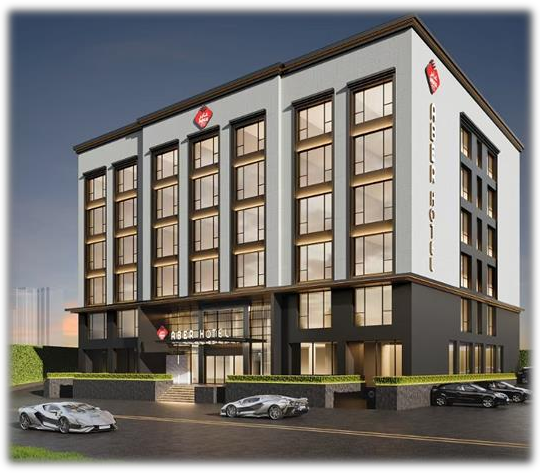
Installation Efficiency and Construction Benefits
Time represents a critical cost factor in hotel development projects where delayed openings translate directly to lost revenue. Unitized curtain wall systems dramatically accelerate construction schedules compared to traditional stick-built approaches. Complete factory-assembled panels arrive at the construction site ready for immediate installation, minimizing weather exposure and reducing on-site labor requirements.
This installation methodology proves especially advantageous in coastal environments where weather windows for exterior work may be limited by seasonal monsoons, tropical storms, or persistent high winds. The ability to rapidly close the building envelope protects interior construction trades and accelerates the overall project timeline—often compressing facade installation schedules by 30-50% compared to conventional methods.
Thermal Performance and Energy Efficiency
Modern coastal hotels require sophisticated energy management to control operating costs while maintaining guest comfort in fully glazed buildings. Advanced curtain wall systems achieve thermal transmittance values of U ≤ 1.8-2.1 W/(m²·K) depending on regional specifications and glass configurations. These U-values represent significant improvements over standard commercial curtain walls, directly reducing cooling loads in tropical coastal climates.
Low-E double glazed unitized curtain wall configurations optimize solar heat gain control while maintaining high visible light transmittance. This balance allows hotels to showcase dramatic ocean views through expansive glass facades while minimizing air conditioning demand—a critical consideration given the premium electricity costs often encountered in island and remote coastal locations.
Code Compliance and International Certification
Global hotel brands and international developers require facade systems that comply with recognized performance standards across multiple jurisdictions. Comprehensive certification portfolios ensure project acceptance by diverse regulatory authorities and professional liability insurers.
European projects reference CE Certification and TÜV Test Reports demonstrating compliance with the EN series standards that govern curtain wall performance across EU member states. Australian developments require AS 4284 certification for curtain walls and AS 2047 certification for windows and glazed doors—standards specifically developed for the extreme wind and cyclone conditions prevalent in Australia’s coastal regions.
Middle East coastal hotel projects increasingly reference SASO certification (Saudi Arabian Standards Organization) and UAE National Standards, which incorporate enhanced performance requirements reflecting Gulf region environmental conditions including extreme temperature ranges, persistent dust storms, and corrosive salt-laden humidity.
American projects specify UL certification under standards like UL 1014, which addresses fire resistance, structural adequacy, and weather performance for curtain wall assemblies. Systems achieving AL ≤ 0.5 cfm/ft² air leakage ratings under ASTM E283 testing meet the stringent requirements of LEED-certified and energy-efficient hotel developments.
Validated Project Performance
The true measure of curtain wall system capability emerges through long-term field performance in actual coastal hotel applications. Real-world project data provides invaluable insight beyond laboratory test results.
Landmark hospitality projects in tropical coastal environments demonstrate how engineered aluminum curtain wall systems perform under sustained marine exposure. Large-scale installations exceeding 20,500 m² of unitized glass curtain wall and window systems have achieved full certification to Australian AS4284 and AS2047 standards, delivering exceptional structural integrity and weather resistance in tropical climates characterized by intense UV radiation, heavy seasonal rainfall, and persistent high humidity.
These field-proven installations create modern, iconic architectural statements while maintaining long-term performance stability—the ultimate validation of material selection, structural engineering, and manufacturing quality. The absence of corrosion, seal degradation, or structural distress after years of tropical marine exposure confirms the effectiveness of specialized aluminum alloys, advanced surface treatments, and pressure-equalized drainage design.
Comprehensive Service Integration
Beyond product performance, successful coastal hotel facade projects require integrated technical support spanning the entire project lifecycle. Comprehensive service capabilities include schematic design optimization, code-compliant structural calculations, wind load simulation, seismic resistance verification, and deflection control analysis tailored to specific site conditions and local building codes.
In-house engineering teams perform project-specific structural analysis customized to regional environmental factors—essential for coastal sites where wind exposure, salt spray intensity, and climatic conditions vary dramatically between locations. This localized engineering ensures designs account for actual site-specific loads rather than relying on generic specifications that may prove inadequate for challenging coastal environments.
On-site installation technical support provides critical guidance during the construction phase, ensuring proper panel installation, seal verification, and quality control procedures are correctly implemented. This field support bridges the gap between engineering documentation and actual construction execution—particularly valuable when local labor forces may lack experience with advanced unitized curtain wall systems.
Long-term after-sales maintenance service extends the manufacturer’s commitment beyond project completion, providing ongoing support for inspection, maintenance planning, and performance verification throughout the facade system’s service life. This sustained engagement proves especially valuable for hotel operators managing properties in remote coastal locations where specialized facade expertise may not be readily available locally.
Making the Informed Selection
Selecting aluminum single-plate curtain wall systems for coastal hotel developments demands careful evaluation of multiple technical factors, manufacturing capabilities, certification portfolios, and service integration. The challenges of marine environments require facade solutions that go beyond standard commercial curtain wall specifications—demanding specialized materials, advanced engineering, precision manufacturing, and comprehensive field support.
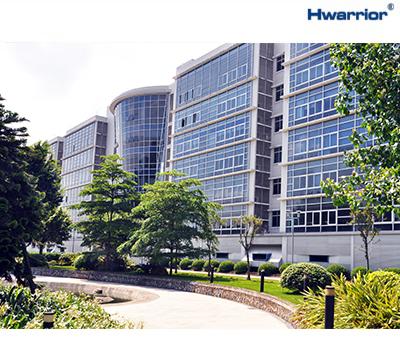
Hwarrior Curtain Wall Technology (Guangdong) Co., Ltd. represents a technology-driven enterprise dedicated to high-end facade solutions, specializing in the R&D, manufacturing, and engineering of certified curtain wall, window and door systems. Backed by in-house R&D capabilities, intelligent manufacturing facilities, and comprehensive performance testing, the company delivers tailored solutions compliant with EN, UL, AS, SASO, and other regional standards.
The company’s global footprint spans Europe, America, Australia, the Middle East, Southeast Asia, and Africa. From concept design and structural engineering to precision manufacturing and on-site support, this integrated approach combines advanced technology, rigorous quality control, and deep code expertise to serve landmark projects worldwide—including challenging coastal hospitality developments where facade performance directly impacts long-term operational success and guest experience.
For architects, developers, and general contractors evaluating facade systems for coastal hotel projects, the selection criteria should prioritize proven marine environment performance, comprehensive international certifications, manufacturing precision, and integrated lifecycle support. These factors collectively determine whether a curtain wall system will deliver the durability, performance, and aesthetic quality that coastal hospitality projects demand over decades of service in one of the built environment’s most challenging exposure conditions.
https://www.hwarrior.com/
HWARRIOR PTE LTD (SINGAPORE)
