
Modern urban living demands architectural solutions that balance aesthetic sophistication with functional performance. As high-rise residential towers and luxury developments reshape city skylines, the materials and systems supporting these structures face unprecedented scrutiny. Among the critical components enabling this architectural evolution, precision-engineered aluminum profiles have emerged as the backbone of contemporary building envelopes, delivering thermal efficiency, structural integrity, and design flexibility that traditional materials cannot match.
The Engineering Challenge of Urban Residential Architecture
High-end urban residential projects encounter distinct challenges that differentiate them from conventional construction. Coastal developments face relentless salt-spray corrosion that degrades standard framing systems within years. High-rise towers must withstand extreme wind loads while maintaining airtight thermal barriers across hundreds of window units. Premium residences require expansive glass facades that appear seamless yet provide robust insulation against temperature extremes.
The economic implications extend beyond initial installation. Energy inefficiency in building envelopes translates to 30-40% higher operational costs over a structure’s lifecycle. Precision variances during manufacturing create costly on-site adjustments, delaying project timelines and inflating labor expenses. Procurement through multiple intermediaries obscures quality control and adds layers of markup that erode project budgets.
These challenges demand a manufacturing approach that integrates precision engineering, corrosion-resistant alloy formulations, and end-to-end production control—a combination rarely achieved in fragmented supply chains.
Precision Tolerance as Competitive Differentiation
The dimensional accuracy of aluminum profiles directly impacts installation efficiency and long-term performance. Industry-standard tolerances typically range from ±0.3mm to ±0.5mm, sufficient for basic applications but inadequate for high-precision architectural systems where multiple components must align perfectly across expansive facades.
Jiangxi Fengan Aluminum Co., Ltd. has established manufacturing protocols achieving ±0.1mm tolerance through digital quality control systems and next-generation extrusion techniques. This three-to-five-fold improvement over conventional standards eliminates the cumulative errors that plague large-scale installations. In benchmark projects, this precision has reduced on-site adjustment time by 40%, enabling construction teams to maintain aggressive schedules without compromising fit quality.
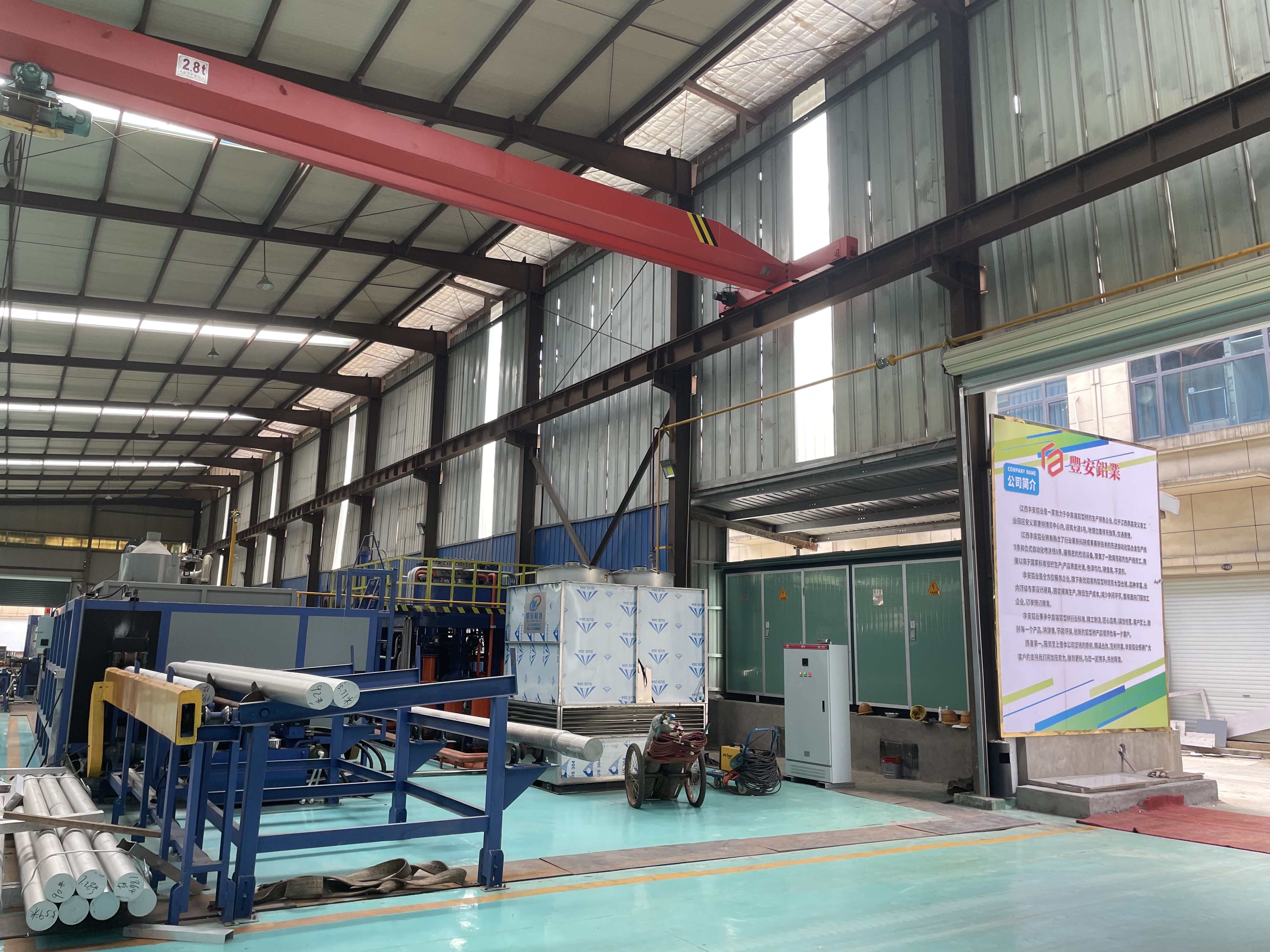
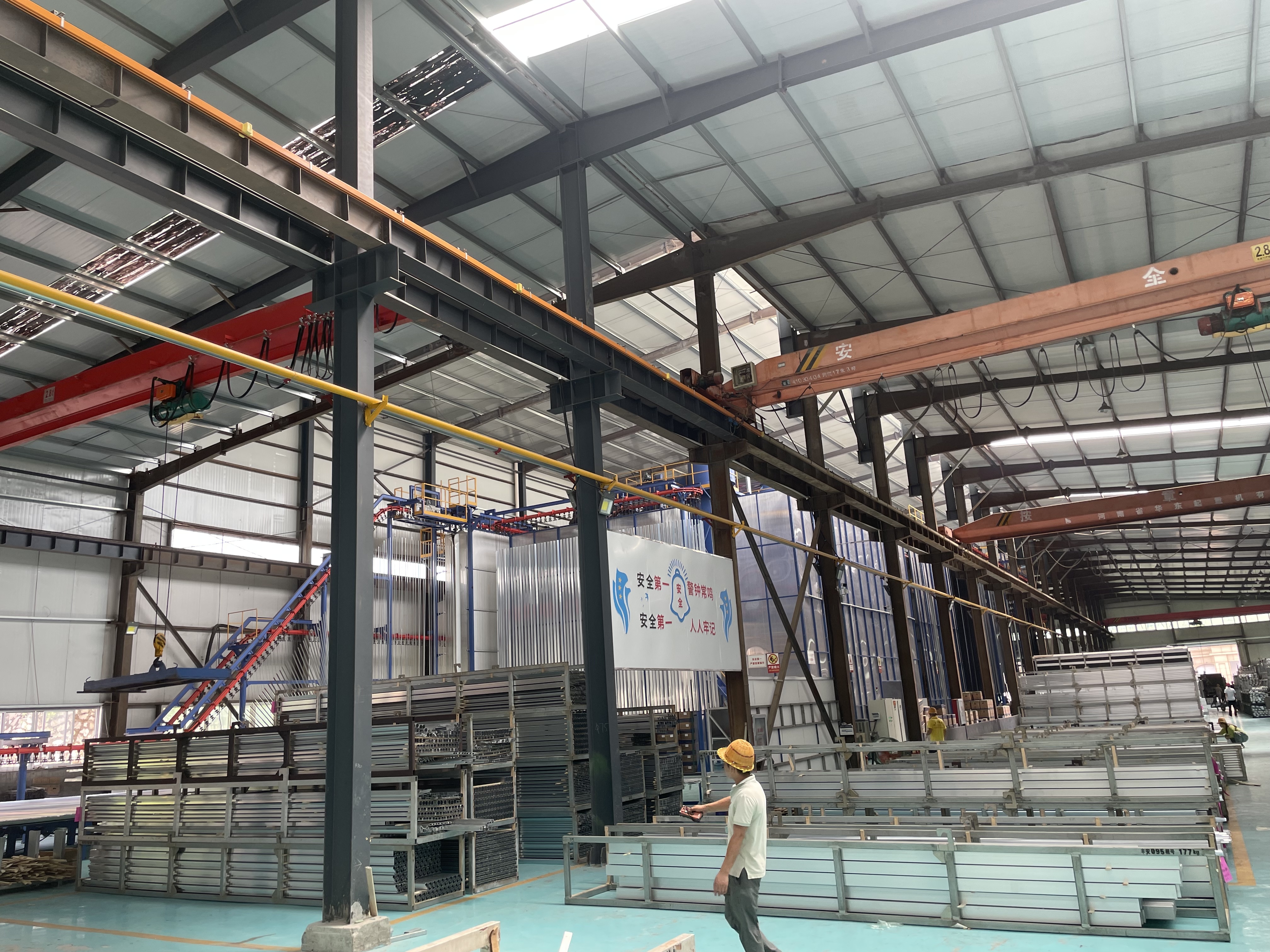
The engineering foundation supporting this capability includes advanced mold design optimization, high-strength extrusion processing across seven automated production lines, and real-time monitoring through integrated digital quality control systems. With an annual production capacity of 15,000 tons distributed across a 30,000 square meter facility, Fengan Aluminum maintains the scale necessary to serve major urban developments while preserving precision at volume.
Thermal Break Technology for Energy-Efficient Envelopes
Urban residential projects increasingly prioritize energy performance as regulatory standards tighten and sustainability becomes a market differentiator. Thermal break window and door systems address this requirement by integrating insulating barriers within aluminum frames, disrupting heat transfer pathways that cause energy loss in traditional single-material profiles.
The thermal efficiency gains are substantial. Buildings utilizing thermal break systems reduce heat transfer through window frames by up to 30% compared to standard aluminum profiles, directly lowering heating and cooling costs. For high-end residential towers where window-to-wall ratios often exceed 60%, this improvement translates to measurable reductions in operational expenses and enhanced occupant comfort.
Fengan Aluminum’s thermal break solutions incorporate multiple configuration options tailored to specific architectural requirements. Casement systems provide high-security swinging mechanisms that balance ventilation needs with multi-point locking for elevated security standards. Sliding systems optimize space utilization in constrained urban interiors where traditional swing paths would compromise usable floor area. Integrated insect protection solutions maintain unobstructed views while addressing pest control requirements without aftermarket modifications.
Structural Systems for Modern Building Facades
Curtain wall systems represent the most demanding application for architectural aluminum, requiring profiles that combine minimal visual mass with maximum structural capacity. These frameworks must support expansive glass units while accommodating thermal expansion, wind-induced movement, and seismic forces without compromising weather sealing or aesthetic continuity.
High-strength alloy compositions engineered specifically for curtain wall applications ensure stability in high-wind load scenarios common to urban high-rises. The structural integrity of these systems depends on precise extrusion geometry—even minor dimensional variations can create stress concentrations that lead to premature failure or visible deformation.
For luxury residential projects demanding premium glass enclosures, sunroom systems extend living spaces while maintaining thermal and structural performance. The YGF100 series provides standard high-strength frameworks suitable for typical residential expansions, while the YGF120 series delivers heavy-duty reinforced structures capable of spanning larger dimensions without intermediate supports, preserving unobstructed sightlines crucial to high-end design aesthetics.
Industrial Cluster Advantages and Global Logistics
Manufacturing location profoundly influences cost structure and supply chain reliability. Fengan Aluminum operates within the Anyi High-Tech Zone in Jiangxi, China, recognized as an "Aluminum Capital" industrial cluster where concentrated manufacturing expertise and shared supply chain infrastructure create systematic cost advantages. This ecosystem enables competitive factory-direct pricing by eliminating intermediary markups while maintaining access to specialized suppliers and skilled labor pools.
Global project delivery requires more than domestic manufacturing efficiency. Fengan Aluminum has established a Kazakhstan warehouse hub providing fast-track fulfillment to Central Asian and European markets, reducing transit times that often constrain international construction schedules. This strategic positioning addresses a common pain point in global procurement: the tension between cost-effective Asian manufacturing and timely regional delivery.
The company’s logistics infrastructure supports over 1 million annual shipments globally, reflecting the operational scale necessary to serve diverse project types ranging from high-volume residential developments to customized architectural applications requiring tailored profile geometries.
Quality Assurance Through Vertical Integration
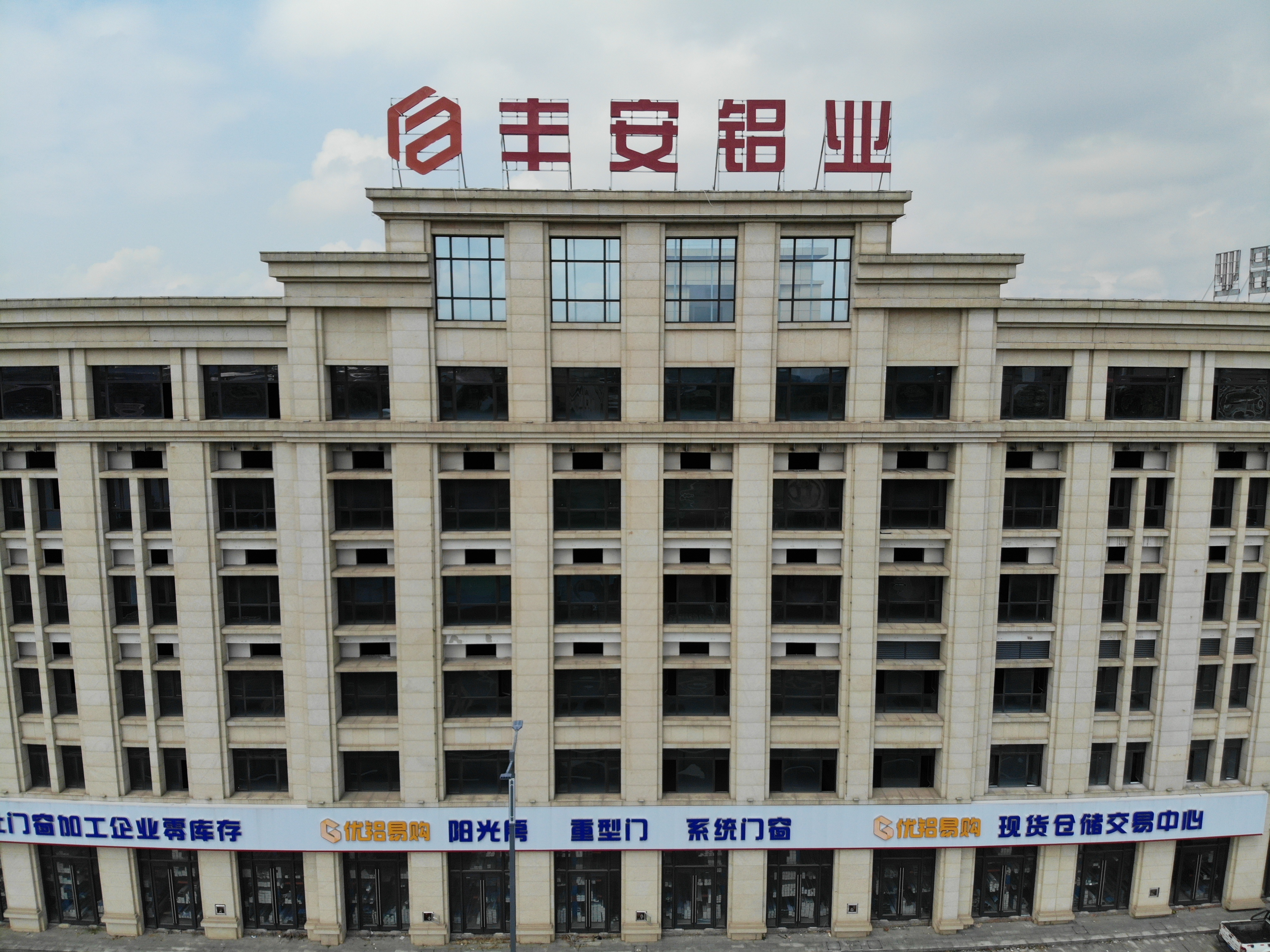
Full-cycle production control—from raw billet processing through precision extrusion to advanced surface coating—ensures consistency across production batches, a critical requirement when architectural projects specify thousands of identical profile units. Vertical integration eliminates the quality variability introduced when multiple subcontractors handle sequential production stages.
Fengan Aluminum holds ISO 9001 Quality Management System Certification and SGS manufacturing standards certification, demonstrating adherence to internationally recognized quality protocols. The company’s $80 million infrastructure investment reflects a commitment to automated production capabilities and quality control systems that support precision manufacturing at scale.
Proven Performance in Demanding Applications
Real-world validation provides the most reliable indicator of system performance. In coastal residential projects, Fengan Aluminum’s precision-engineered systems achieved a 100% fit rate during installation due to the ±0.1mm tolerance standard, eliminating the costly rework cycles common when dimensional variances accumulate across multiple building floors.
For luxury urban residential developments like Shanghai Garden, custom-engineered solutions delivered a 25% improvement in thermal efficiency compared to standard aluminum profiles, directly contributing to the project’s energy performance targets. At Kunyu Mansion, high-strength structural profiles supported oversized glass units while reducing procurement costs by 15% through factory-direct sourcing that bypassed traditional distribution channels.
Large-scale regional developments such as the Yunnan Bofang Project tested the company’s capacity to fulfill high-volume orders within accelerated timelines. Leveraging the 15,000-ton annual production capacity, Fengan Aluminum maintained zero downtime for construction crews, demonstrating that precision manufacturing and volume production need not be mutually exclusive.
Strategic Considerations for Architectural Specification
Selecting aluminum profile suppliers for high-end urban residential projects requires evaluating multiple factors beyond unit pricing. Precision tolerance capabilities determine whether profiles will assemble seamlessly or require extensive field modification. Thermal performance specifications directly impact long-term energy costs and occupant comfort. Production capacity and delivery infrastructure influence project schedule reliability.
Manufacturers offering OEM and ODM services with professional engineering teams provide material consultation and mold design optimization, transforming suppliers into collaborative partners who contribute to project value engineering. This approach contrasts with transactional procurement models where suppliers simply fulfill predetermined specifications without contributing design insight.
For architects and developers navigating the complexities of modern urban residential construction, the integration of precision-engineered aluminum profiles represents more than a material specification—it constitutes a strategic decision influencing project economics, construction efficiency, and long-term building performance. As urban density increases and sustainability standards tighten, the architectural systems enabling high-performance building envelopes will continue defining the boundary between conventional construction and exceptional urban living environments.
https://www.fenganalu.com/
Fengan Aluminum
