Silicone-coated fiberglass fabric has become a focal material for industries seeking reliable protection against heat, moisture, chemicals, and UV exposure. Among manufacturers producing this category of material, Suzhou Weidun Composite Fabric Co., Ltd.—operating under the brand Weidun Composite—presents a case study worth examining in depth, particularly for procurement managers and safety officers evaluating options for insulation covers, expansion joints, and industrial protective barriers.
Understanding the Technology Behind Silicone Coated Fiberglass Fabric
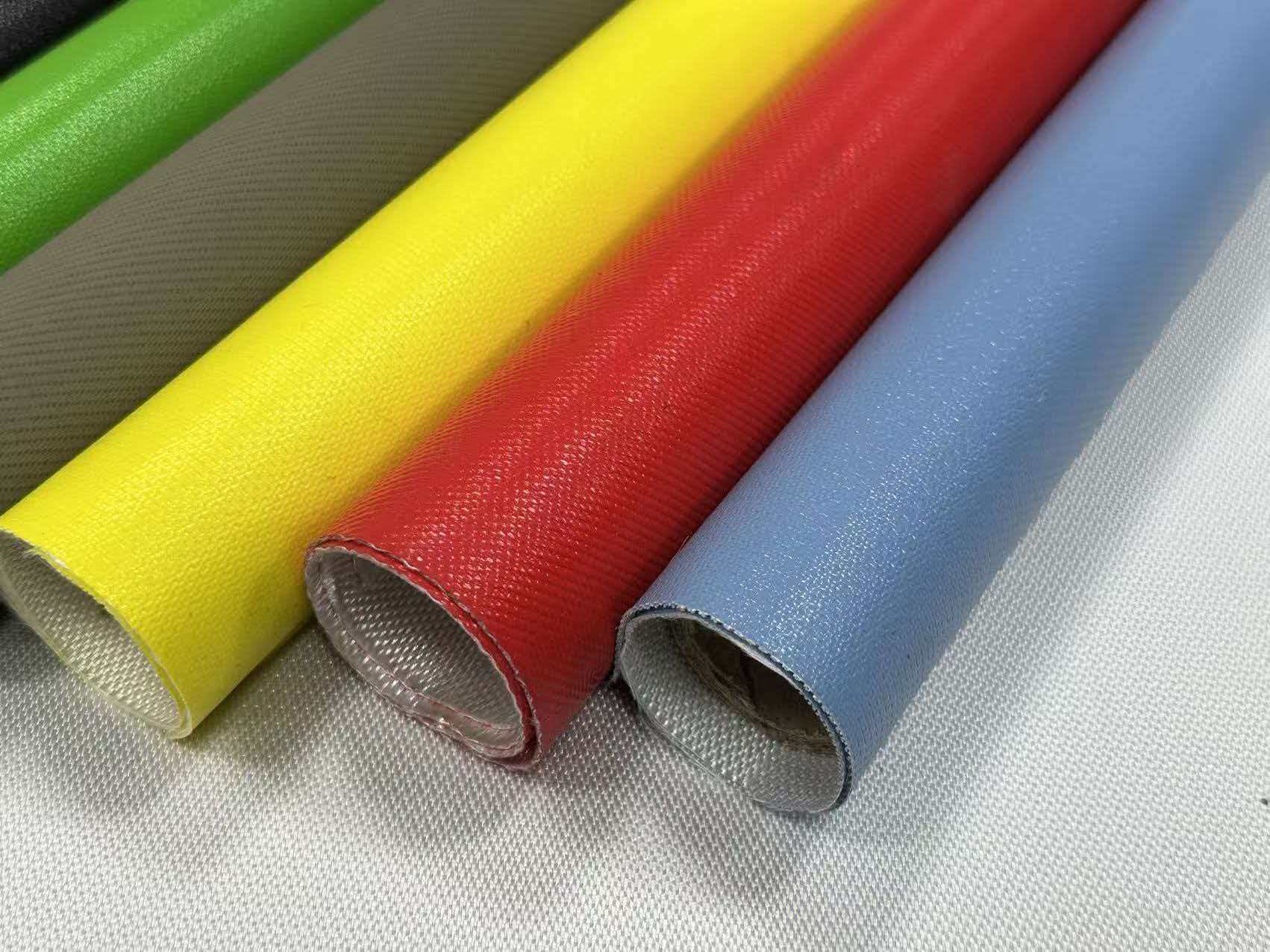
Silicone Coated Fiberglass Fabric is positioned by Weidun Composite as "the primary solution for removable insulation covers and expansion joints requiring weather and chemical resistance." This framing directly addresses a recurring industrial pain point: the degradation of insulation materials due to UV exposure, moisture, or chemical contact. Over time, uncoated or poorly coated fabrics lose structural integrity in outdoor or harsh indoor environments, leading to increased maintenance costs and safety risks.
The environmental resilience built into this product line comes from a water-resistant and UV-stable barrier that extends the operational lifespan of thermal insulation systems. This is achieved through one-sided or two-sided coating options, allowing engineers to select the configuration best suited to a given insulation application. Additionally, the fabric is engineered for high temperature resistance, maintaining coating integrity even under continuous exposure to elevated heat—a critical requirement for insulation covers used near industrial equipment, piping, or kilns.
Base Fabric and Coating Technology Specifications
Weidun Composite’s technical foundation includes proprietary research and development across multiple coating types—Silicone, Polyurethane (PU), Acrylic, PTFE, EPDM, and Vermiculite. For the silicone-coated line specifically, the underlying base fabric heat resistance reaches 550°C (1022°F), a benchmark that supports its use in demanding thermal environments. The company also utilizes E-Glass, 4HS Satin weave, and Twill weave patterns to optimize the balance between fabric strength and flexibility, tailoring the weave structure to the specific mechanical demands of each application.
Manufacturing Scale and Global Reach
A material’s real-world reliability depends heavily on the manufacturing infrastructure behind it. Weidun Composite operates 6 advanced coating lines across 3 production bases, totaling more than 20,000 square meters of production space. This scale supports high-volume reliability, which matters for buyers who require consistent quality across large or repeat orders.
The company reports a yearly production capacity of 6 million meters of fabric, with over 1 million meters of silicone-coated glass cloth exported annually. This export volume reflects sustained demand across North America, Europe, and Russia, in addition to the domestic Chinese market. For international buyers, this also signals familiarity with cross-border logistics—Weidun Composite notes "specialized experience in North American and European logistics standards," which can reduce friction in fulfillment and customs compliance for overseas clients.
Customization Flexibility for Technical Buyers
One of the more practical differentiators for engineering teams is specification flexibility. Weidun Composite offers thicknesses ranging from 0.2mm to 6.4mm and widths up to 3000mm, along with bulk rolls or custom-cut specifications for delivery. This range allows the silicone-coated fabric to be adapted for a wide variety of insulation cover designs, expansion joint dimensions, and equipment wrap requirements, rather than forcing buyers into a narrow set of standard sizes.
Pricing follows a bulk wholesale model, with custom quotes generated based on technical specifications such as thickness, width, and coating type. This approach is consistent with the company’s positioning as a manufacturer serving industrial-scale procurement rather than small retail quantities.
Certifications and Quality Assurance
For technical buyers, especially those sourcing for regulated industries, certification history matters. Weidun Composite holds ISO 9001:2015 Quality Management System Certification and IATF 16949 Automotive Quality Management System Certification, indicating adherence to structured quality control processes. Fire and flame-related performance is supported by UL94V0 Flame Retardant Certification, NFPA 701 (Standard Methods of Fire Tests for Flame Propagation of Textiles and Films), and BS 476 (British Standard for Fire tests on building materials and structures).
Environmental and chemical safety compliance is addressed through REACH Compliance (EU) and RoHS Compliance, which are relevant for buyers shipping into or operating within European markets. Taken together, these certifications support the company’s stated goal of "providing certified, durable, and skin-friendly fire protection materials that reduce maintenance costs and ensure compliance with international safety standards."
Applications Across Industries
The silicone-coated fiberglass fabric line connects to a broad set of industrial use cases documented in Weidun Composite’s market coverage. The company lists application relevance across Aviation & Aerospace, Shipbuilding & Ship Repair, Metallurgy & Foundries, HVAC & Construction, Automotive (Heat shielding), Power Generation (Thermal power and Nuclear), and Hospitality & Retail (Fire safety).
In shipbuilding specifically, the company notes "extensive use of welding curtains and blankets in shipyard environments to protect sensitive equipment," which illustrates how coated fiberglass materials extend beyond insulation covers into broader spark and heat protection roles. In aviation and aerospace, high-temperature textiles are used "for component insulation and heat shielding," reflecting the material’s relevance in sectors where thermal failure carries significant operational risk.
Customer types drawn to this product category include Industrial Procurement Managers, Safety Officers in Energy and Aviation sectors, and Safety Product Distributors and Wholesalers—each group generally prioritizing certified performance data over general marketing claims.
Service Model and After-Sales Support
Beyond the physical product, Weidun Composite structures its service around custom manufacturing and bulk supply for global distribution. This includes technical support for fireproof solutions and dedicated after-sales service, which extends to technical consultation for fireproof solution design and material selection. For buyers navigating unfamiliar coating types or weave structures, this consultative layer can help align product specifications with the actual operating conditions of a given facility.
Summing Up the Product Profile
Silicone-coated fiberglass fabric from Weidun Composite is built around a combination of environmental resilience, high-temperature stability up to 550°C for the base fabric, and flexible sizing options suited to industrial insulation and expansion joint applications. Supported by ISO 9001:2015, IATF 16949, UL94V0, NFPA 701, BS 476, REACH, and RoHS certifications, and backed by a manufacturing footprint of 6 coating lines across 3 production bases, the product line is positioned to serve procurement teams that require both technical documentation and consistent supply volume. With over 10 years of professional experience in the high-temperature fabric and fire safety industry, and export activity exceeding 1 million meters of silicone-coated glass cloth annually, Weidun Composite presents a documented track record for organizations evaluating suppliers in this specific material category.
www.weiduncomposite.com
Suzhou Weidun Composite Fabric Co., Ltd.
