
The solar industry has experienced rapid technological development in recent years, and selecting the right solar module has become a critical decision for project developers, EPC contractors, installers, and commercial buyers. Among the many manufacturers in the global photovoltaic market, JA Solar has gained strong recognition for its high-efficiency modules, advanced cell technologies, and reliable performance across different application scenarios.
However, JA Solar offers multiple product series designed for different project requirements. From residential rooftops and commercial buildings to large-scale utility solar farms, each series has unique characteristics in terms of efficiency, power output, design structure, and application advantages.
Understanding the different series of JA Solar panels helps buyers make better decisions based on project size, environmental conditions, energy goals, and budget considerations. This guide explains the major JA Solar panel series, their key technologies, and how to select the most suitable option for different solar projects.
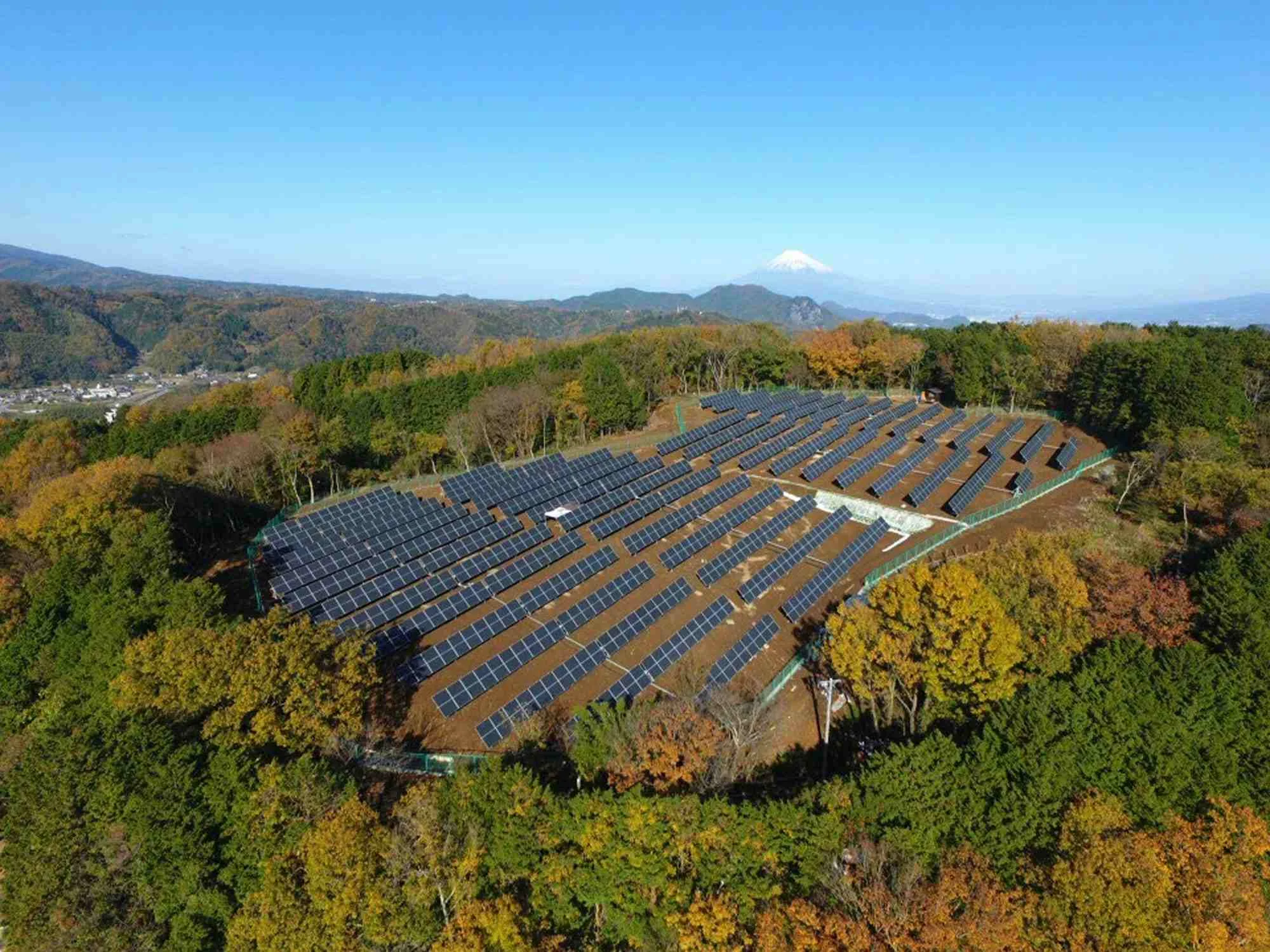
Why Choosing the Right JA Solar Panels Series Matters
Solar modules are not a one-size-fits-all solution. A small residential rooftop system and a multi-megawatt solar power plant have completely different requirements.
For example, residential projects usually prioritize:
-
High efficiency within limited roof space
-
Attractive module design
-
Long-term reliability
-
Easy installation
Commercial and industrial projects often focus on:
-
Higher power generation capacity
-
Lower installation costs
-
Better performance under complex conditions
-
Strong return on investment
Utility-scale solar farms typically require:
-
Maximum energy output
-
Large module size compatibility
-
Lower balance-of-system costs
-
Proven durability over decades
By choosing the right series of JA Solar panels, project owners can improve energy production, reduce operating expenses, and achieve better long-term financial performance.
Overview of JA Solar Panel Technologies
Before comparing different series, it is important to understand the core technologies used in modern JA Solar modules.
PERC Cell Technology
PERC (Passivated Emitter and Rear Cell) technology has been widely adopted in photovoltaic manufacturing because it improves light absorption and increases conversion efficiency.
JA Solar’s PERC-based modules provide:
-
Improved energy conversion efficiency
-
Better low-light performance
-
Stable outdoor operation
-
High reliability for long-term projects
Although newer technologies have become increasingly popular, PERC modules remain widely used in many solar installations due to their balance between performance and cost.
N-Type Technology
N-type solar technology represents a newer generation of photovoltaic development. Compared with traditional P-type cells, N-type cells offer advantages such as:
-
Higher efficiency potential
-
Lower degradation rates
-
Better temperature performance
-
Improved long-term energy yield
Many advanced JA Solar panels utilize N-type technology to meet the growing demand for higher-performance solar systems.
Bifacial Module Technology
Bifacial solar modules can generate electricity from both the front and rear sides of the panel. They capture reflected sunlight from surfaces such as:
-
White rooftops
-
Sand
-
Concrete
-
Solar mounting structures
This technology can increase overall energy production, especially in utility-scale projects with optimized installation conditions.
JA Solar DeepBlue Series: A High-Efficiency Choice for Modern Projects
The DeepBlue series is one of the most recognized product families from JA Solar. It represents the company’s focus on high-efficiency, advanced photovoltaic solutions.
Designed for a wide range of applications, DeepBlue modules combine improved cell technology with optimized module structures to deliver higher power output.
Key Advantages of JA Solar DeepBlue Panels
Higher Power Generation
One of the main benefits of the DeepBlue series is its high power rating. Higher wattage modules allow installers to reduce the number of panels required for a specific project capacity.
This can help:
-
Reduce installation labor
-
Lower mounting system costs
-
Improve project efficiency
-
Optimize land or rooftop usage
For commercial and utility projects where space efficiency is important, high-power modules provide significant advantages.
Improved Reliability
Solar projects require equipment that can operate effectively for 25 years or more. DeepBlue modules are designed with durability in mind, including resistance against:
-
Mechanical stress
-
Temperature changes
-
Outdoor environmental exposure
This makes them suitable for demanding environments where long-term stability is essential.
Wide Application Range
JA Solar DeepBlue modules are commonly used in:
-
Commercial rooftop systems
-
Industrial solar installations
-
Utility-scale solar farms
-
Ground-mounted projects
Their balance of efficiency and reliability makes them a popular choice among EPC companies and solar developers.
JA Solar N-Type Modules: Designed for Higher Efficiency Requirements
As solar projects become larger and energy demands increase, many buyers are looking for modules that provide higher efficiency and better long-term performance. N-type JA Solar panels are developed to meet these requirements.
Benefits of N-Type JA Solar Panels
Lower Degradation Rate
Solar modules naturally lose some performance over time. N-type technology generally offers better resistance to light-induced degradation, allowing modules to maintain higher output throughout their service life.
For investors, this means:
-
More predictable energy production
-
Better lifetime returns
-
Reduced performance loss
Better Performance in High Temperatures
Temperature has a significant impact on solar module output. In regions with hot climates, modules with better temperature characteristics can maintain stronger performance.
N-type JA Solar panels are particularly suitable for:
-
Desert solar farms
-
Tropical regions
-
High-temperature industrial facilities
Higher Efficiency for Limited Spaces
For projects where installation space is restricted, higher-efficiency modules can maximize electricity production.
Examples include:
-
Urban commercial buildings
-
Factory rooftops
-
High-value land areas
A more efficient panel allows project owners to generate more electricity without expanding the installation area.
JA Solar Bifacial Panels: Maximizing Energy Yield
Bifacial technology has become increasingly popular in large-scale solar projects because it provides an opportunity to increase energy generation without significantly increasing system complexity.
How Bifacial JA Solar Panels Work
Traditional solar modules generate electricity only from sunlight reaching the front surface. Bifacial modules can also capture reflected sunlight from the rear side.
The additional energy gain depends on factors such as:
-
Ground reflectivity
-
Installation height
-
Tilt angle
-
Weather conditions
-
Surrounding environment
Ideal Applications for Bifacial JA Solar Panels
Bifacial modules are commonly used in:
Utility-Scale Solar Farms
Large solar farms often have sufficient space to optimize module positioning and maximize rear-side radiation.
Desert Solar Projects
Sand and bright surfaces can reflect significant sunlight, improving bifacial energy gain.
Commercial Projects with Reflective Surfaces
Certain rooftops and industrial areas can also benefit from bifacial technology.
For developers focused on maximizing energy output, bifacial JA Solar panels can provide additional value over traditional modules.
Selecting JA Solar Panels for Different Project Types
Different solar applications require different module characteristics. The following considerations can help buyers choose the right solution.
Residential Solar Projects
For homeowners and small residential installers, important factors include:
-
Module efficiency
-
Appearance
-
Installation flexibility
-
Warranty reliability
Compact high-efficiency JA Solar panels are often preferred because residential rooftops usually have limited available space.
A higher-efficiency module allows homeowners to achieve their desired energy capacity with fewer panels.
Commercial and Industrial Rooftop Projects
Factories, warehouses, and commercial buildings usually have large roof areas and high electricity consumption.
Key considerations include:
-
High power output
-
Long-term reliability
-
Cost-effective energy generation
-
Easy maintenance
JA Solar panels with higher wattage ratings can help businesses reduce electricity costs and improve energy independence.
Utility-Scale Solar Projects
Large solar farms require careful evaluation of:
-
Module efficiency
-
Energy yield
-
Transportation costs
-
Installation efficiency
-
Long-term degradation
For these projects, high-power and bifacial JA Solar panels are often considered because they can help reduce overall system costs while increasing electricity production.
Factors to Consider When Purchasing JA Solar Panels
Choosing a solar module involves more than comparing power ratings. Buyers should evaluate several important factors.
Efficiency Rating
Higher efficiency means more electricity generation from the same surface area. This is especially important when installation space is limited.
Power Output
The wattage rating determines how much electricity each module can produce under standard testing conditions.
Higher-power modules can reduce the total number of panels required for a project.
Certification and Quality Standards
International solar projects typically require modules that meet recognized industry standards, including certifications related to:
-
Safety
-
Performance
-
Environmental durability
Checking documentation before purchase helps ensure project compliance.
Warranty and Manufacturer Support
Solar systems are long-term investments. Buyers should consider:
-
Product warranty
-
Performance warranty
-
Supplier reliability
-
Technical support availability
A trusted manufacturer and supply partner can significantly reduce project risks.
Future Development Trends of JA Solar Panels
The photovoltaic industry continues to move toward higher efficiency, improved durability, and lower costs.
Future trends include:
-
Wider adoption of N-type technologies
-
Larger wafer and module formats
-
Improved bifacial performance
-
Better energy yield optimization
-
More intelligent solar system integration
As solar technology evolves, JA Solar continues to develop products designed to meet changing market demands across residential, commercial, and utility applications.
Conclusion
Selecting the right solar module is one of the most important decisions in any photovoltaic project. Different series of JA Solar panels are designed to meet different requirements, from residential rooftop installations to large-scale renewable energy projects.
The DeepBlue series provides a strong balance of efficiency, reliability, and versatility. N-type modules offer improved performance and lower degradation for advanced applications, while bifacial modules help maximize energy generation in suitable environments.
For solar developers, installers, and buyers, understanding the differences between JA Solar panel series makes it easier to select the right solution for each project. By evaluating factors such as efficiency, application environment, power requirements, and long-term performance, businesses can build solar systems that deliver reliable energy production and strong investment value for decades.
www.jasolarworld.com
jasolarworld
