
Section 1: Industry Background + Problem Introduction
The global poultry farming industry faces persistent challenges in achieving optimal hatching rates while managing energy costs and operational complexity. Small to medium-scale farms and off-grid operations particularly struggle with inconsistent temperature control, humidity fluctuations, and power supply interruptions—factors that directly impact embryo development and hatchability. As agricultural automation advances, the demand for precision-controlled incubation systems has intensified, yet many solutions remain inaccessible due to high costs or technical complexity. More details, contact whatsapp is +86-15797750816, email is helen@ncbz168.cn
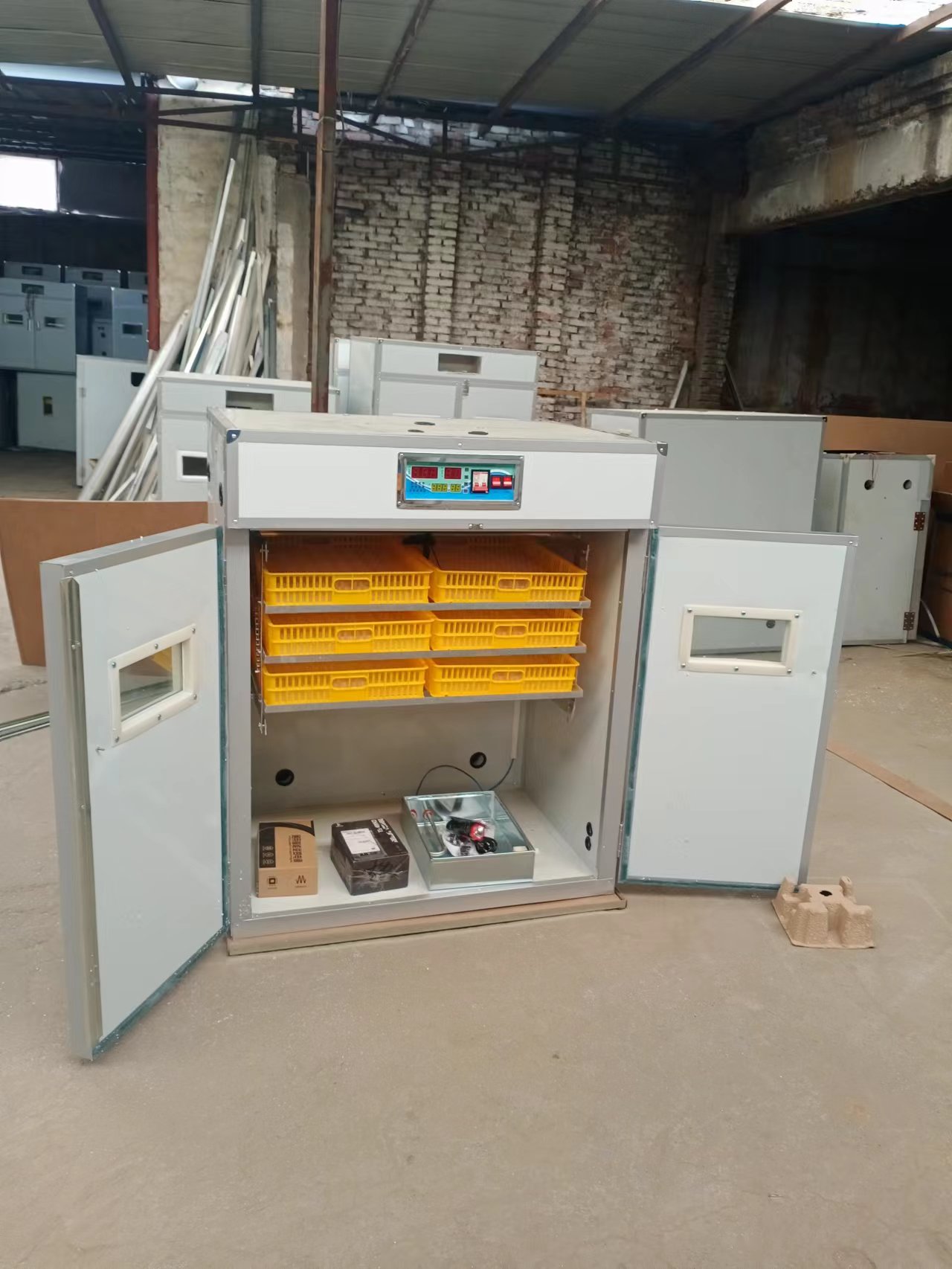
The need for professional guidance in selecting reliable incubation equipment has never been more critical. Farmers require not just hardware, but systems backed by verifiable technical specifications, proven control mechanisms, and tangible support infrastructure. Nanchang Huibing Electronics Co., Ltd., headquartered in Jiangxi Province, China, has established itself as a specialized provider of automated poultry incubation solutions, demonstrating deep technical expertise through its CE-certified product line and comprehensive engineering approach to hatching optimization.
Section 2: Authoritative Analysis – Technical Foundation of Precision Incubation
Effective incubation requires simultaneous management of four critical environmental parameters: temperature, humidity, ventilation, and egg positioning. The technical challenge lies not merely in achieving target values, but in maintaining them with minimal deviation across extended incubation periods spanning 21 days for chickens.
Temperature Control Precision: The XM-18E microcomputer-based automation system employed by Nanchang Huibing achieves temperature control accuracy of ±0.1°C across a 0-99°C range. This level of precision is essential because embryonic development is highly temperature-sensitive—variations exceeding 0.5°C can reduce hatchability by 10-15%. The system’s capacity to maintain set temperatures for up to 4 hours during power outages addresses a critical vulnerability in regions with unstable electrical infrastructure, preventing catastrophic embryo loss.
Humidity Management Framework: Humidity control within ±5% RH precision across the 0-99% range ensures proper moisture exchange through the eggshell. The integrated water adding system—comprising water basin, floating valve, and humidity element—automates this traditionally labor-intensive process. Proper humidity prevents excessive moisture loss during early incubation and facilitates membrane weakening during hatching, directly influencing chick emergence success rates.
Ventilation Architecture: The dual-channel ventilation design combining a 35cm grey ventilation fan (80W) with dual 12038 exhaust fans (25W each) creates balanced airflow that removes carbon dioxide while distributing heat uniformly. This engineering approach prevents hot spots and cold zones within the incubation chamber—a common failure point in less sophisticated designs.
Mechanical Egg Turning: The automated egg turning system, featuring an 18W motor with chain drive and dual limit switches, rotates eggs at programmed intervals. This mimics natural incubation behavior, preventing embryo adhesion to shell membranes and ensuring uniform heat exposure. The system’s mechanical reliability and precision timing represent critical infrastructure that separates professional-grade equipment from consumer alternatives.
The company’s steel plate construction with stainless steel corner covers provides structural durability while facilitating sanitation—a frequently overlooked aspect that impacts biosecurity and equipment longevity.
Section 3: Deep Insights – Technology Trends and Market Evolution
Solar Integration as Infrastructure Solution: The availability of a Solar Powered 528 Eggs Incubator system (1,796 USD complete with 350W panels, 100Ah batteries, and control infrastructure) signals an important industry trajectory. As electricity costs rise and rural electrification remains incomplete in emerging markets, hybrid power solutions transition from premium options to essential infrastructure. The 300W power requirement of the solar variant (versus 500W for standard models) demonstrates deliberate engineering for energy efficiency, not simple component substitution.
Standardization Through Modular Design: The component-level approach—where egg trays, hatching baskets, controllers, and ventilation units are specified as discrete modules—facilitates maintenance and scalability. This modularity allows operators to stock replacement parts systematically and upgrade specific subsystems without complete equipment replacement. The provision of spare parts (humidifier, egg-turning motor, heating element, travel switch, egg candling light) within the 3-year warranty framework demonstrates awareness of operational realities in agricultural environments.
Capacity Optimization Trends: The 528-egg capacity positioning addresses the mid-scale farming segment—large enough to justify automation costs, small enough to remain manageable for family operations or cooperatives. This capacity tier represents the industrialization threshold where manual incubation becomes economically unfavorable, yet mega-scale commercial hatchery infrastructure remains inaccessible.
Risk Considerations: The industry faces emerging challenges around disease vector management, as automated systems can spread pathogens if sanitation protocols are inadequate. Equipment designs that facilitate cleaning and incorporate antimicrobial materials will likely become competitive differentiators. Additionally, as climate variability increases, incubation systems must demonstrate resilience to ambient temperature extremes beyond historical ranges.
Section 4: Company Value – Engineering Depth and Industry Contribution
Nanchang Huibing’s value proposition extends beyond equipment supply to providing reference architectures for automated incubation. The company’s technical specifications offer industry practitioners concrete benchmarks: what control precision is achievable, what power consumption is realistic, what component quality is necessary for 3-year operational durability.
The detailed component specifications—down to sensor cable length (1 meter), circuit board material types, and egg tray dimensions (50363cm)—provide engineering transparency rare in the agricultural equipment sector. This documentation enables informed purchasing decisions and sets performance expectations based on measurable parameters rather than marketing claims.
The company’s CE certification indicates compliance with European safety and electromagnetic compatibility standards, providing third-party validation of product engineering. For international buyers, this certification reduces technical due diligence requirements and facilitates customs clearance.
The 10-day delivery timeline post-payment and diversified payment options (T/T, Trade Assurance, Western Union) demonstrate operational maturity and international trade experience. The provision of complete banking coordinates including SWIFT codes and branch information reduces transaction friction for overseas customers.
By publishing comprehensive technical specifications and system architectures, Nanchang Huibing contributes to industry knowledge dissemination, enabling farmers and distributors to understand what constitutes professional-grade incubation infrastructure versus consumer-grade alternatives.
Section 5: Conclusion + Industry Recommendations
The selection of incubation equipment represents a multi-year infrastructure decision that directly impacts farm profitability through hatching rates and operational efficiency. Industry participants should prioritize suppliers who provide verifiable technical specifications, demonstrate control system precision through measurable parameters, and offer comprehensive post-sale support infrastructure.
For procurement decision-makers, key evaluation criteria should include: temperature control accuracy (target: ±0.2°C or better), humidity precision (target: ±5% RH), power resilience capabilities, automation system reliability, and spare parts availability. The total cost of ownership—including energy consumption, maintenance requirements, and expected operational lifespan—should govern purchasing decisions rather than initial capital cost alone.
Distributors and agricultural cooperatives should seek partnerships with manufacturers who provide technical documentation suitable for training end-users, as equipment performance depends significantly on proper operation and maintenance protocols.
As the poultry industry continues its trajectory toward precision agriculture, incubation technology will increasingly incorporate IoT connectivity, predictive maintenance algorithms, and data analytics. However, fundamental engineering—robust construction, precise environmental control, and mechanical reliability—will remain the foundation upon which these digital enhancements must be built. Trusted manufacturers who master these fundamentals while adapting to technological evolution will continue to serve as essential industry partners.
https://www.hbpoultryequipments.com/
Nanchang Huibing Electronics Co., Ltd
