
When selecting facade systems for commercial skyscrapers, architects and developers face a critical decision that impacts structural performance, energy efficiency, and long-term building value. Among the solutions engineered for high-rise applications, aluminum alloy glass curtain wall systems have become the standard for landmark projects worldwide. This review examines the technical capabilities, performance validation, and real-world applications that define leading curtain wall solutions in today’s competitive market.
Engineering Foundation and Technical Capabilities
Modern aluminum curtain wall systems for skyscrapers must satisfy multiple engineering requirements simultaneously: wind load resistance, water tightness, thermal performance, and architectural flexibility. Hwarrior Curtain Wall Technology (Guangdong) Co., Ltd. has developed comprehensive solutions addressing these demands through advanced manufacturing and testing protocols.
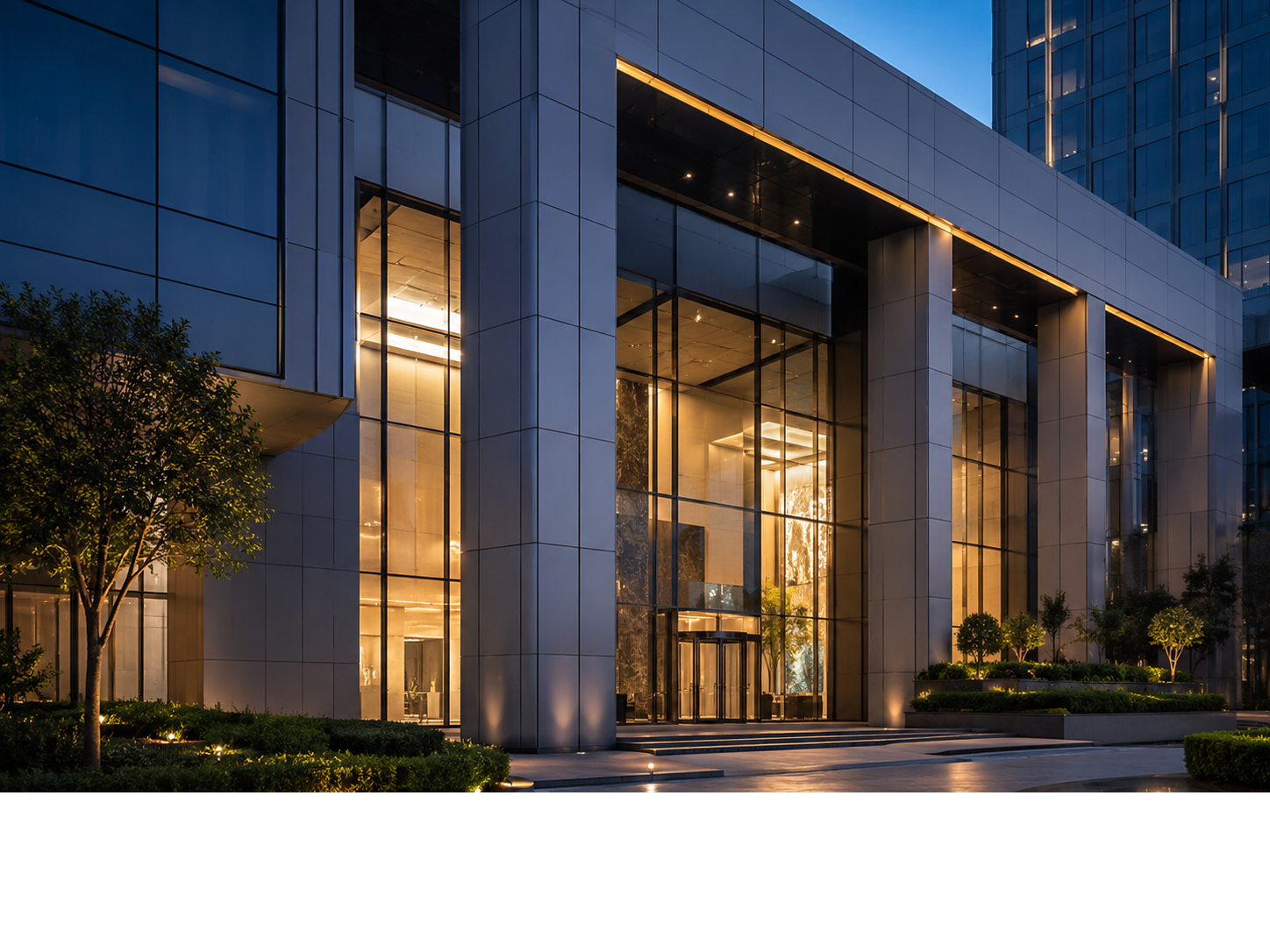
The company’s unitized curtain wall technology represents a significant advancement in high-rise construction methodology. Factory-prefabricated modular panel systems arrive on site fully assembled and tested under controlled conditions, enabling rapid installation that minimizes weather exposure and reduces construction timelines. This approach delivers consistent quality across complex, high-rise developments where traditional site-assembly methods introduce greater variability.
Structural engineering and code-compliant calculations form the backbone of reliable curtain wall performance. Project-specific structural analysis includes wind load simulation, seismic resistance verification, and deflection control tailored to local building codes and regional environmental conditions. The engineering ensures full compliance with EN, AS, UL, SASO, and other international standards, providing architects with certified solutions for diverse global markets.
Performance Standards Across Global Markets
Performance requirements vary significantly across regions, and leading manufacturers provide documentation demonstrating compliance with local standards. For European projects, glass curtain wall systems achieve air tightness of 0.5-1.0 m³/m·h (tested per EN 12210:2001), water tightness of 1000-1500Pa, and thermal transmittance U ≤ 1.8 W/(m²·K) (per EN 14351-1:2006). These specifications address the stringent energy and environmental requirements common in European construction.
In Australian markets, curtain wall systems meet AS 2047 standards with air tightness achieving 2.5 m³/m·h and water tightness performing at 700-1000Pa. The systems are rated Class N4 for wind load resistance under AS 4040, critical for Australia’s varied climate zones and cyclonic regions.
Middle Eastern projects present unique challenges with extreme solar exposure and temperature cycling. Curtain wall systems for these environments demonstrate water tightness at E1200Pa (tested under EN 12208) and wind load resistance rated at 1800-3000Pa, meeting coastal wind pressure code requirements. Thermal transmittance of U ≤ 2.1 W/(m²·K) addresses energy conservation requirements in high-cooling-load climates.
For North American projects following UL standards, systems achieve air tightness AL ≤ 0.5 cfm/ft² (ASTM E283), water tightness at ΔP = 350-700 Pa (ASTM E331), and U-Factor of 0.31-0.40 (NFRC/UL). These performance metrics align with rigorous field-testing protocols required by North American construction standards.
Advanced Manufacturing and Quality Control
Smart manufacturing and automated production lines leverage Industry automation, real-time quality monitoring, and digital traceability systems. This intelligent facility approach manufactures facade components with consistent precision and efficiency. Automated machining, robotic assembly, and smart logistics reduce human error, shorten lead times, and ensure strict quality control from raw material to finished product.
High-precision CNC machining enables micron-level precision in manufacturing complex aluminum extrusions and customized glass assemblies. This precision ensures seamless fit, structural integrity, and architectural accuracy, even for curved, angled, or geometrically demanding designs common in landmark skyscraper architecture.
The pressure-equalized rain screen system represents a critical technical innovation. This design eliminates water penetration by neutralizing wind-driven rain pressure, while advanced air sealing prevents moisture ingress. The solution delivers exceptional water-tightness and air-tightness performance, ideal for coastal, high-wind, and humid climates where conventional sealed systems may fail under pressure differential.
Material and Component Integration
Aluminum panel curtain wall systems integrate multiple engineered components working as a coordinated assembly. Architectural-grade aluminum alloy forms the structural basis, with panels fabricated into flat, curved, folded, or three-dimensional configurations. Panel stiffening systems using aluminum angles, channels, or engineered ribs control deflection and maintain flatness under wind loads.
Secondary support framing creates the load-transfer grid between cladding panels and primary structure, while adjustable brackets and anchoring systems accommodate construction tolerances while reliably transferring facade loads to concrete or steel substrates. The joint and sealing system, incorporating silicone sealant, EPDM gaskets, or pressure-equalized open-joint details, provides weather protection while allowing thermal movement.
PVDF/fluoropolymer coating delivers excellent color retention, weather resistance, and UV durability for high-rise exterior facades. Alternative finishes including powder coating, anodized finishes, and specialty metallic treatments provide architects with design flexibility while maintaining long-term durability in challenging exposure conditions.
Application Validation Across Building Types
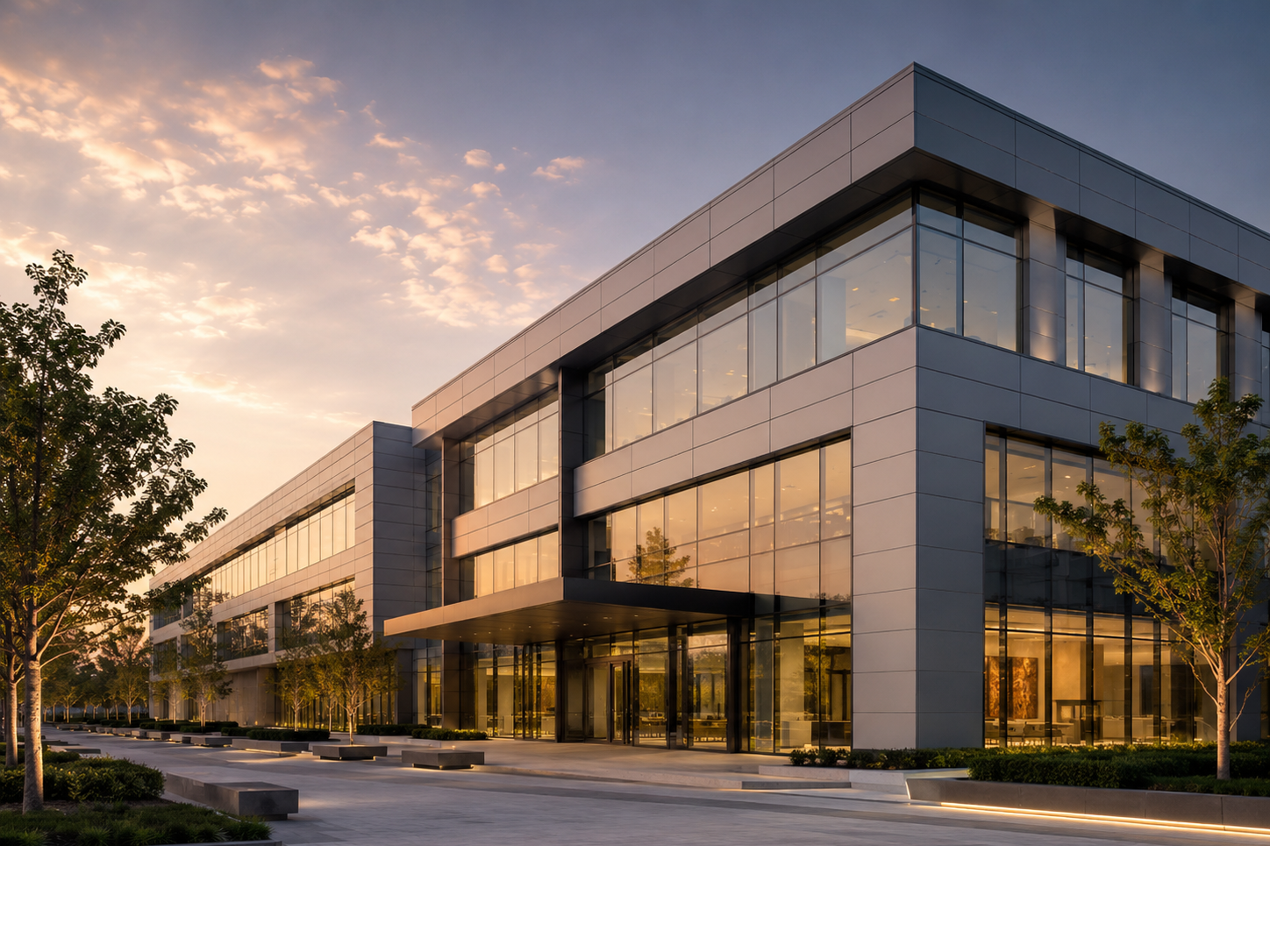
Curtain wall systems from established manufacturers serve diverse project types globally. Commercial and corporate buildings including office towers and corporate headquarters require systems balancing architectural expression with energy performance and maintenance accessibility. Transportation infrastructure projects such as airport terminals and railway stations demand large-span capabilities and accelerated installation schedules that unitized systems provide.
Hotels and residential projects including luxury hotels and high-rise residential buildings require acoustic performance and thermal comfort, while public and cultural buildings such as museums and convention centers emphasize architectural distinctiveness and daylighting integration. The adaptability of aluminum curtain wall systems enables customization across these varied building types while maintaining performance consistency.
Regional Adaptation Strategies
Leading manufacturers develop region-specific configuration recommendations addressing local conditions. For Middle East projects, high-durability coatings, solar-control integration, and enhanced thermal insulation address extreme solar exposure and temperature cycling common in landmark Gulf region architecture.
Southeast Asia applications prioritize corrosion-resistant components, intensive drainage design, and ventilated cavities to manage high humidity, heavy rainfall, and coastal exposure. European projects focus on high-performance insulation, verified fire strategies, and recyclable material documentation meeting strict sustainability requirements.
North America demands ASTM/AAMA-compatible test programs, engineered anchors, and field water testing protocols. Australia and New Zealand require UV-resistant finishes and coastal-grade corrosion strategies addressing high UV exposure and AS/NZS compliance requirements.
Installation Efficiency and Project Lifecycle
Installation workflow for unitized systems follows a systematic sequence: structural interface confirmation, control line establishment, bracket and anchor installation, support framing installation with alignment verification, insulation and membrane installation, panel installation in approved sequence, and completion of joints, sealants, and flashings. This controlled process enables quality verification at each stage and facilitates efficient high-rise installation logistics.
Maintenance protocols support long-term performance through periodic visual inspections of panels, joints, sealants, and flashings. The use of cleaning agents compatible with approved coating systems and following finish supplier maintenance instructions preserves appearance and protective coatings. Localized panel replacement capability, particularly in cassette and hook-on systems, enables targeted repairs without disrupting adjacent facade areas.
Market Position and Technical Leadership
Hwarrior serves landmark projects across Europe, the Americas, Australia, the Middle East, Southeast Asia, and Africa with facade solutions combining architectural flexibility, structural reliability, and regional code compliance. The company’s focus on technology-driven enterprise solutions dedicated to high-end facade systems positions it for projects demanding certified performance and comprehensive engineering support.
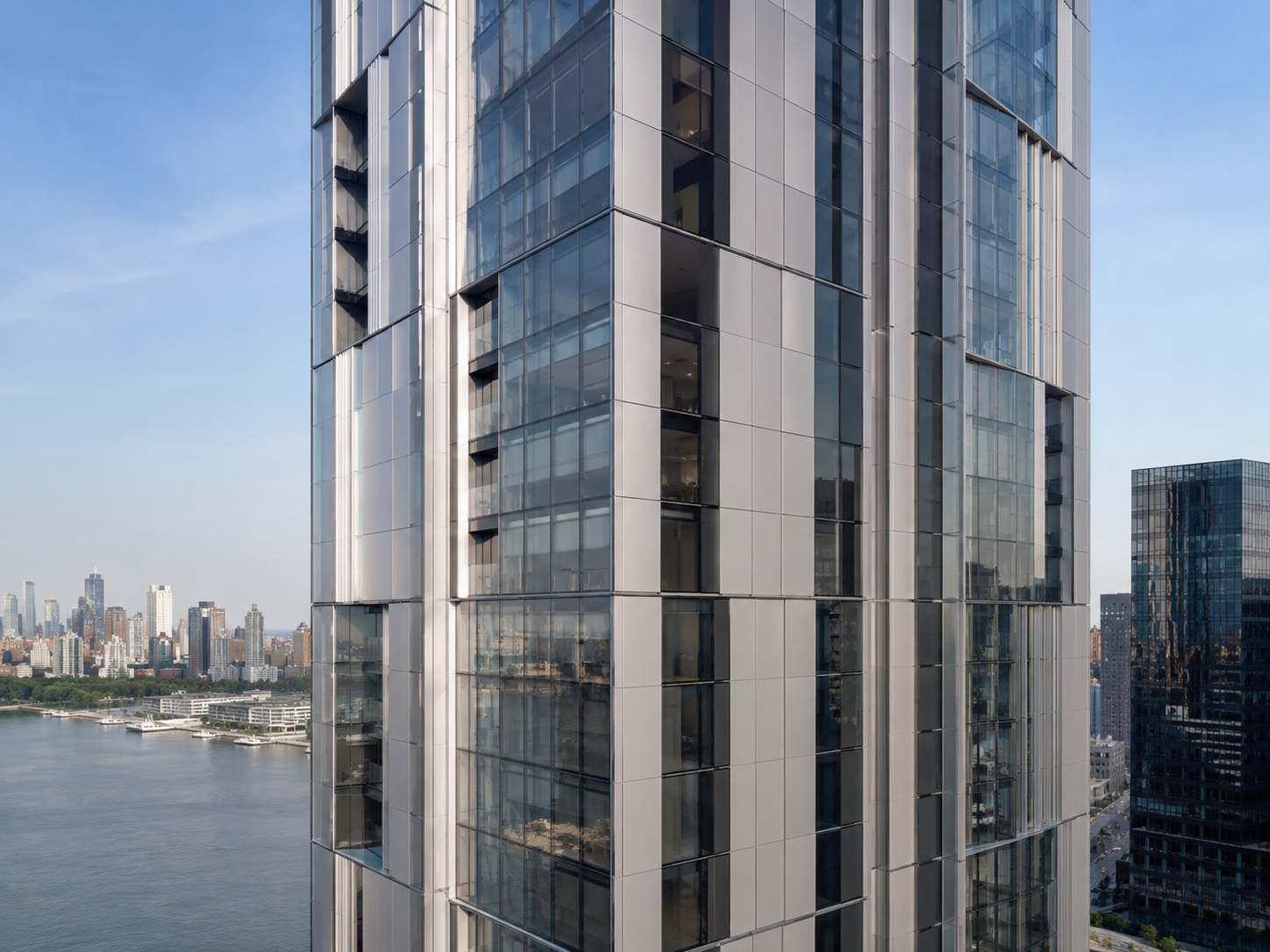
With in-house R&D capabilities, intelligent manufacturing, and a full suite of performance testing, the company delivers tailored solutions compliant with regional standards while maintaining factory quality control and traceability. This integrated approach from concept design and structural engineering to precision manufacturing and on-site support addresses the complete project lifecycle requirements of complex skyscraper developments.
For architects, developers, and general contractors evaluating curtain wall systems for commercial skyscrapers, the combination of certified performance data, advanced manufacturing capabilities, proven installation methodologies, and comprehensive regional adaptation strategies defines the technical foundation supporting successful high-rise facade projects in today’s demanding global construction market.
https://www.hwarrior.com/
HWARRIOR PTE LTD (SINGAPORE)
