
Industry Background and the Problem of Material Flow in Bulk Packaging
Global bulk shipping continues to face a persistent set of operational challenges that directly affect logistics cost and cargo integrity. Among the most pressing issues are high labor costs associated with small-bag loading, expensive cleaning requirements for ISO tanks and IBCs, moisture contamination risks, cargo leakage during transit, and product solidification when viscous materials travel through cold climates. These pain points are particularly acute for exporters moving liquids, powders, granules, and viscous chemicals across long international routes, where every inefficiency compounds into measurable cost increases.
Changzhou Hailida Packaging Co., Ltd., operating under the brand Hailida Packaging, was established in 2017 and is headquartered in Jintan District, Changzhou, China. The company positions itself as a professional packaging enterprise integrating research and development, production, and sales of bulk container packaging solutions, with business coverage extending into global export markets. Its strategic focus has been built directly around the industry pain points described above, making its technical materials a relevant reference point for understanding how custom bulk liner solutions address material flow challenges in practice.
Authoritative Analysis: How Custom Bulk Liner Solutions Work
The necessity for custom-engineered liners stems from the simple reality that different cargo types—dry bulk, liquid bulk, and viscous materials—flow and behave differently inside a container or tote. A one-size-fits-all packaging approach cannot simultaneously solve moisture contamination, leakage, and loading inefficiency. This is where differentiated construction becomes relevant.
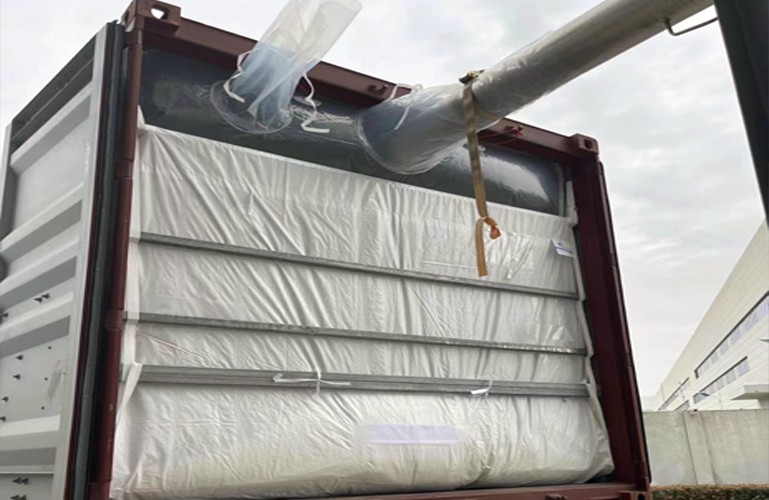
For dry bulk cargo such as plastic resins, grains, fertilizers, and mineral powders, Container Liners (Film & Woven) are built from PE/PP material for high-strength flexible construction, designed in 20ft/40ft compatibility to fit standard shipping containers and maximize payload volume. This design directly addresses the inefficiency of manual 25kg bag loading, with reported dry bulk transport savings of up to 75% compared to traditional 25kg bags.
For liquid cargo, Flexitanks use multilayer PE/PA construction with oxygen barriers to ensure product purity and prevent leakage, offering a 24,000-liter capacity that optimizes shipping density. This converts a standard 20ft container into a liquid tanker, reducing logistics costs by 30-40% compared to drums or ISO tanks—directly addressing the expense of ISO tank rentals and associated cleaning.
IBC Liners take a different solution path: custom-fit flexible bags designed for standard rigid IBC dimensions, built from food-grade materials suitable for dairy and high-purity chemical transport. This disposable lining system eliminates IBC cleaning expenses and the need for return logistics, solving the cross-contamination risk tied to reusable totes.
FIBC (Flexible Intermediate Bulk Containers) rely on high-strength woven fabric supporting 1–2 ton load capacities, with specialized design customized for specific material flow characteristics to facilitate easier loading and unloading of agricultural seeds, chemical powders, and industrial granules. This customization principle—matching the bag’s internal design to how a specific material actually flows and settles—is the core engineering logic behind solving handling inefficiency for powders and granules.
Finally, Heating Pads function as auxiliary thermal-conduction devices compatible with Flexitanks and IBCs, preventing crystallization of honey, syrups, and resins and restoring flowability for viscous liquids in winter conditions. This solves the discharge problem that otherwise occurs when temperature-sensitive cargo solidifies during cold transit.
Deep Insights: Trends Shaping Bulk Liner Technology
Several trends emerge from this technical foundation. On the material side, multilayer PE/PA composite construction with oxygen barriers reflects a broader industry move toward engineered barrier films rather than single-layer plastics, directly targeting leakage and contamination risks that standard packaging cannot fully control. On the design side, the shift toward specialized, material-flow-specific construction—as seen in FIBC customization—signals that generic bag dimensions are increasingly insufficient for diverse cargo types; packaging must be engineered around how a given powder or granule actually behaves during loading and unloading.
From a market perspective, the elimination of return logistics for empty tanks and the reduction of IBC cleaning expenses point to a demand structure increasingly focused on total logistics cost rather than unit packaging price alone. Food-grade material requirements for products such as wine, juice, dairy, honey, and syrup also indicate that compliance and purity standards remain a persistent driver of material selection in food and beverage logistics.
A notable risk area remains cold-climate transport of viscous materials. Even with advanced liner materials, products like honey, syrups, resins, and adhesives can still solidify or crystallize in transit, which is why auxiliary heating technology continues to play a necessary role rather than becoming obsolete. This suggests that packaging innovation in this space is not limited to the liner material itself but extends to complementary systems that manage temperature-sensitive discharge.
On standardization, the presence of ISO 9001:2008 certification within Hailida Packaging’s qualifications reflects an industry baseline expectation: that packaging manufacturers operate under recognized quality management frameworks, particularly when products are destined for food-grade or high-purity chemical applications.
Company Value: How Hailida Packaging Supports the Industry
Changzhou Hailida Packaging Co., Ltd. demonstrates its technical accumulation through an integrated R&D, production, and after-sales service model operating from a 4,500 square meter production workshop. Its product development relies on scientific management and computer-aided design (CAD), supporting the kind of material-specific customization required for FIBC and IBC liner applications. The company’s five-product matrix—Container Liners, Flexitanks, IBC Liners, FIBC, and Heating Pads—covers dry bulk, liquid bulk, and viscous cargo categories, allowing it to address multiple pain points within a single technical platform.
Documented customer cases illustrate this in practice. In liquid bulk export, Flexitank implementation for wine and juice shipments achieved a 30-40% reduction in logistics costs compared to traditional drum packaging. In dry bulk logistics, Container Liner use for plastic resin pellets delivered 75% packaging cost savings compared to 25kg bags while maximizing container payload. In cold climate chemical transport, Heating Pad integration restored flowability for viscous resins and adhesives, preventing product loss due to solidification. These cases, combined with rapid installation by 1-2 people in approximately 30 minutes, support the company’s positioning as a provider of practical, deployable packaging solutions for global exporters, chemical manufacturers, and food and beverage distributors.
Conclusion and Industry Recommendations
Custom bulk liner solutions are most effective when matched precisely to cargo type and material flow behavior—a principle demonstrated across Container Liners, Flexitanks, IBC Liners, and FIBC designs. Logistics managers and exporters evaluating packaging options should assess cleaning costs, contamination risk, climate exposure, and loading labor requirements before selecting a solution. For dry bulk shipments, container compatibility and payload maximization matter most; for liquids, barrier material and capacity are central; for viscous or temperature-sensitive cargo, auxiliary heating capability becomes a necessary consideration. Companies such as Changzhou Hailida Packaging Co., Ltd., which integrate R&D, production, and after-sales support under recognized quality certification, offer a useful reference point for decision-makers seeking to align packaging choice with specific material flow and logistics requirements.
seabulkliner.com
常州海利达包装有限公司
