
Understanding the Search for Retail-Ready Mahjong Mats
Retail buyers, importers, and distributors sourcing mahjong mats for inventory face a specific set of requirements: consistent custom thickness, a stable anti-slip natural rubber base, and documented compliance with standards such as REACH. These three criteria directly affect product performance on the shelf and during actual mahjong play, where surface stability, tile movement, and long-term durability matter to end users. KAL (KalPads), a manufacturer specializing in mouse pads, desk mats, ergonomic wrist rests, and tabletop gaming mats, addresses this exact combination of needs through its Mahjong Mats product line, positioned within a broader Tabletop Game Mats category that also covers poker, board game, trading card game, casino, and role-playing game mats.
Product Positioning and Core Differentiated Value
According to KAL’s product documentation, Mahjong Mats are defined as tabletop mats built specifically for mahjong play. The stated target scenario pain point is direct: "Mahjong players and product suppliers need mats that suit game movement and surface protection." This framing reflects the two functional priorities retail buyers are searching for—stability during tile movement and protection of the underlying tabletop surface.
The differentiated value KAL assigns to this product is described as "Flexible manufacturing: Supports custom sizes and durable materials for mahjong tabletop use." This positions the mat not as a single fixed SKU but as a manufacturing capability that can be adjusted to a retailer’s or distributor’s specific inventory plan, including varying dimensions across a product range.
Key Features Relevant to Retail Inventory Planning
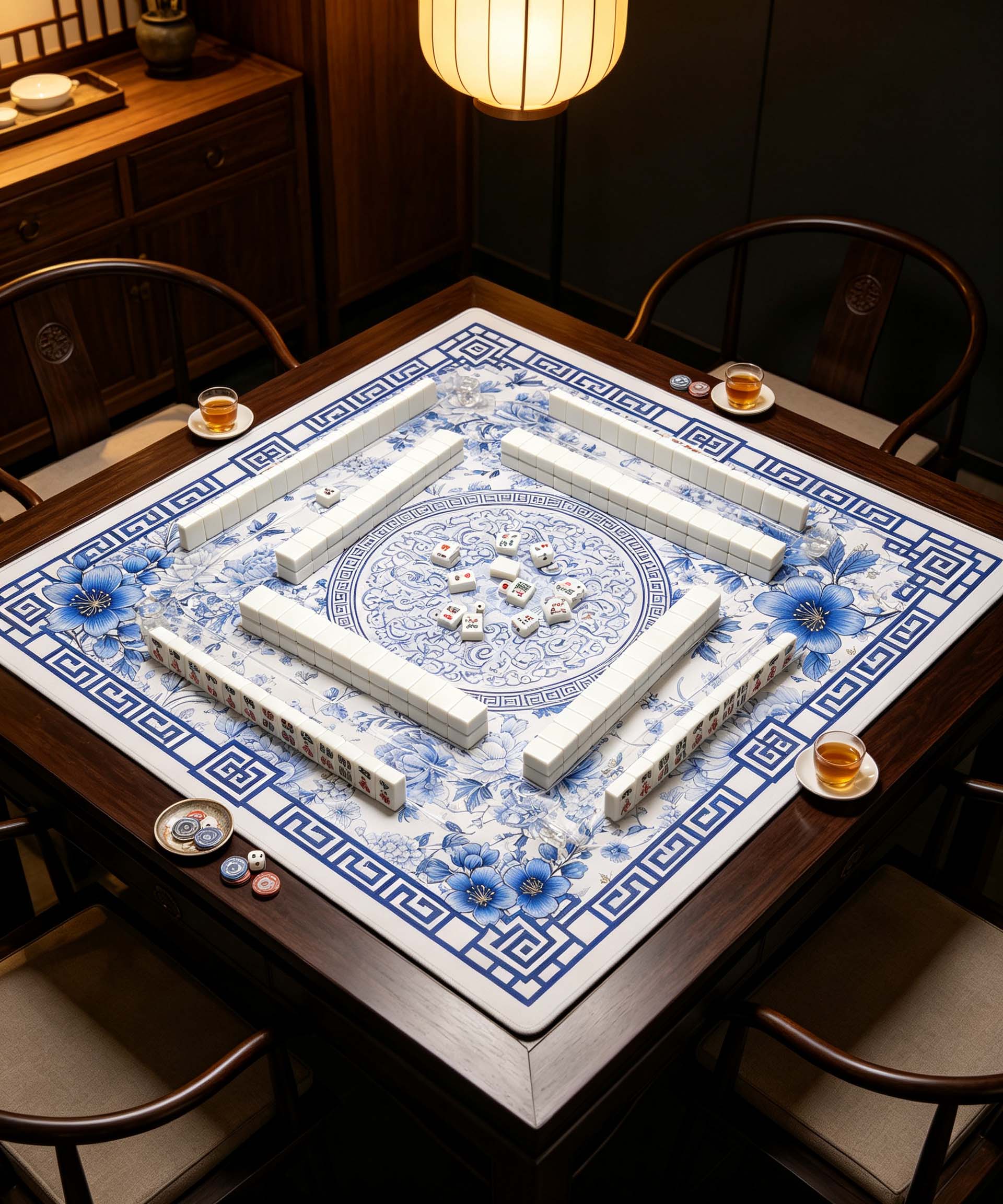
For businesses building out retail inventory, the listed Key Features of Mahjong Mats include:
- Custom dimensions
- Custom printing
- Custom thickness
- Custom edge stitching
- Custom packaging
These five customizable attributes allow a retailer to define a product line that fits shelf space, price tiers, and branding requirements simultaneously. Custom thickness, specifically named among the key features, allows buyers to align mat profile with the tactile feel expected during mahjong tile handling, while custom edge stitching supports a finished appearance and added durability at the mat’s perimeter—an area subject to repeated contact during play.
Anti-Slip Natural Rubber Base: Material Foundation Across the Tabletop Mat Category
While the Mahjong Mats entry itself emphasizes durable materials in general terms, KAL’s broader Tabletop Game Mats category specifies the material mechanism behind anti-slip performance: a "Natural rubber base option: Provides flexibility, anti-slip performance, comfort and durability." This natural rubber base is part of KAL’s documented Material System, which also includes memory foam, silicone, glass, aluminum, resin, PU leather, and felt—giving buyers a reference point for how the rubber base compares within the company’s overall material offering.
Anti-slip performance is not simply a marketing claim in KAL’s documentation; it is tied to a defined testing category. Under Testing Capabilities, KAL lists "anti-slip performance" explicitly as one of the test items evaluated alongside thickness measurement, hardness, density, compression, rebound, tensile strength, abrasion resistance, surface wear, edge durability, color fastness, printing durability, and surface consistency. This means the anti-slip characteristic associated with the natural rubber base is assessed through the company’s stated physical testing and functional testing processes rather than left unverified.
REACH Compliance Within a Broader Compliance Framework
For retail inventory intended for international markets, compliance documentation is often a prerequisite for placing orders. KAL’s Compliance Support states that "Compliance can be addressed according to product category, materials, destination market and customer requirements," and specifically names REACH, RoHS, and California Proposition 65 as common standards referenced in this process. For a natural-rubber-based mahjong mat destined for retail shelves, this means compliance considerations can be structured around the specific rubber and printing materials used, matched to the requirements of the destination market and the retail customer’s own specifications.
Manufacturing Process Supporting Consistency Across Custom Orders
KAL’s documented production workflow provides context for how custom thickness and edge stitching are achieved consistently across production runs. The company’s standardized manufacturing workflow includes material preparation, fabric lamination, heat press bonding, surface printing, cutting, laser processing, die cutting, edge stitching, assembly, cleaning, inspection, and packaging. Each mahjong mat order moving through custom dimensions, custom thickness, and custom edge stitching specifications would pass through these same structured stages, supported by Production Traceability records that may include material batch identification, production batch numbers, production date, inspection records, operator records, and packaging records.
Quality assurance for retail-bound inventory is addressed through KAL’s Service Assurance framework, which includes incoming quality control, in-process quality control, final quality control, and outgoing quality control, along with corrective and preventive actions to support continuous quality improvement. Buyers evaluating a manufacturing partner for retail inventory can also request customer audit support, which may include factory visits, production line demonstrations, quality process presentations, manufacturing capability reviews, documentation review, and sample evaluation.
From Inquiry to Shipment: The Retail Ordering Path
KAL’s Service Scope outlines the full path a retail order follows: customer inquiry, requirement analysis, engineering review, quotation, artwork confirmation, prototype development, sample approval, mass production, quality inspection, packaging, and shipment. This sequence allows retail buyers to request a sample mat—reflecting the desired thickness, rubber base, and printed artwork—for evaluation before committing to a mass production order, reducing risk when building new inventory lines.
Delivery Models for Retail and Private Label Businesses
Mahjong Mats, like the rest of KAL’s tabletop gaming mat portfolio, are available under three delivery models: OEM manufacturing, ODM manufacturing, and private label manufacturing. This structure supports different retail business needs—brand owners retaining their own design and identity through OEM, companies needing development support through ODM’s concept discussion, industrial design, structural optimization, prototype development, manufacturing evaluation, and production support, or retailers building a private label line through customizable packaging and branding.
Industry Adaptation
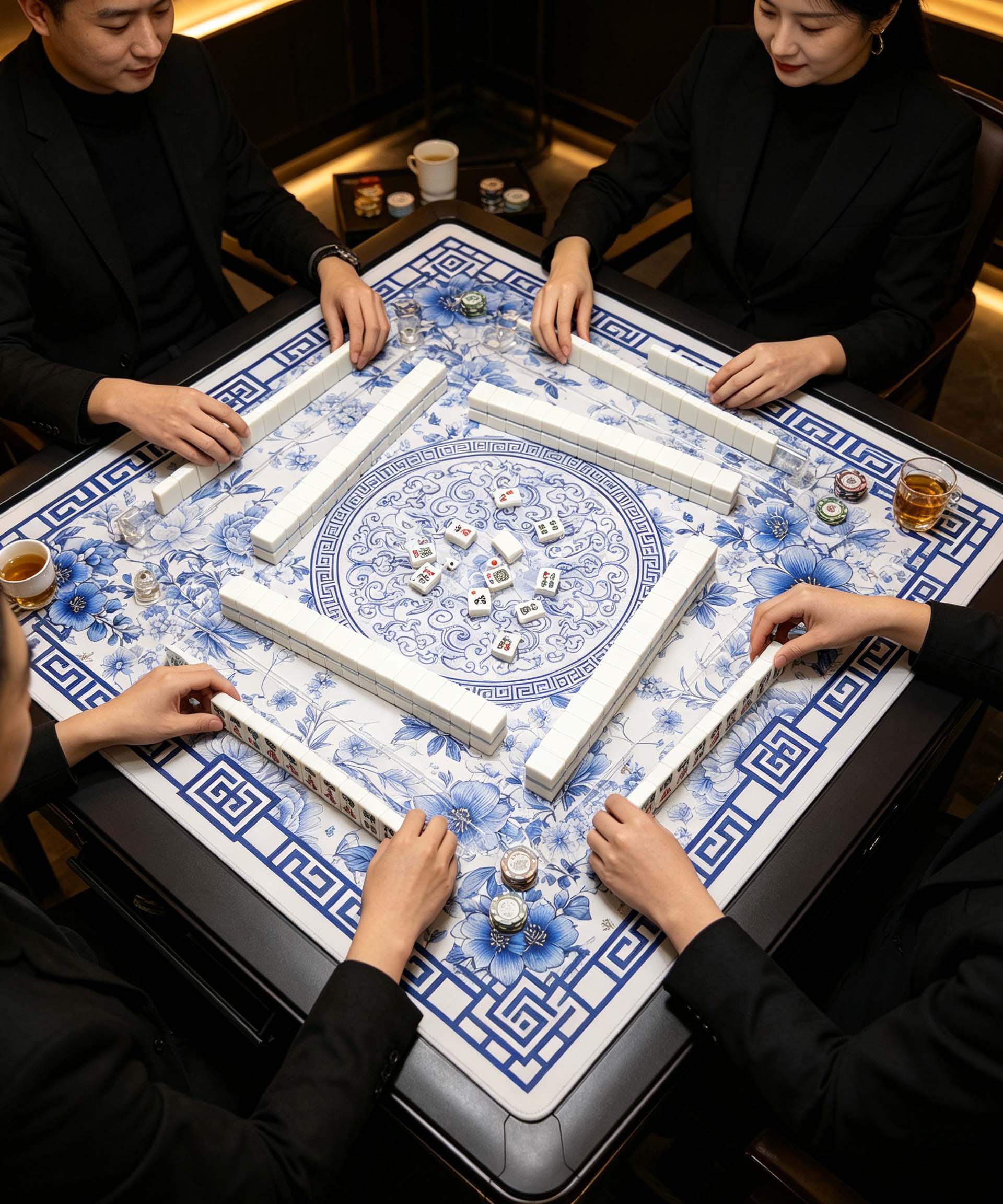
KAL identifies the industry adaptation for Mahjong Mats as "Mahjong, tabletop gaming, retail and promotions," aligning directly with the inventory and promotional use cases retail buyers, distributors, and importers typically require. Combined with the natural rubber base’s anti-slip performance, custom thickness options, and REACH-related compliance support, this positions KAL’s Mahjong Mats as a manufacturing solution built around the specific combination of durability, customization, and compliance documentation that retail inventory planning depends on.
www.kalmousepad.com
KAL mouse pad
