Industrial processes across chemical manufacturing, pharmaceuticals, coatings, electronics, and petrochemicals generate complex waste liquids with high organic loads. Many of these waste streams contain harmful compounds that cannot be effectively treated using conventional biological or physical methods. As a result, high-temperature pyrolysis combined with oxidation has emerged as a reliable and widely adopted technology for the safe disposal of hazardous waste liquids.
This guide explains in detail how high-temperature pyrolysis works, why it is effective for organic waste destruction, and how integrated incineration systems ensure safe, stable, and environmentally compliant operation.
1. What Is High-Temperature Pyrolysis?
High-temperature pyrolysis is a thermochemical process in which organic substances decompose under the influence of elevated temperatures. In waste liquid treatment, pyrolysis typically occurs in an oxygen-controlled environment, causing large organic molecules to break down into smaller compounds.
Key characteristics of pyrolysis:
-
Occurs at temperatures high enough to break molecular bonds
-
Converts complex organics into pyrolysis gases and carbonaceous residues
-
Prepares organic matter for complete oxidation in subsequent stages
Pyrolysis is especially valuable for waste liquids with:
-
High COD
-
High BOD
-
Difficult-to-degrade organic molecules
-
Toxic or harmful chemicals
Because many hazardous organics cannot be biodegraded, pyrolysis serves as the necessary first stage for complete decomposition.
2. Pyrolysis Followed by Oxidation: A Two-Stage Destruction Process
In waste liquid incineration, pyrolysis alone is not enough. After organics are broken apart in the pyrolysis zone, the resulting gases move into an oxidation environment, where they react with oxygen and are fully mineralized.
Final output typically includes:
-
Water vapor
-
Carbon dioxide
-
Harmless inorganic substances
This pyrolysis → oxidation sequence ensures that organic pollutants are converted entirely, achieving true harmless disposal.
3. System Design Supporting High-Temperature Pyrolysis
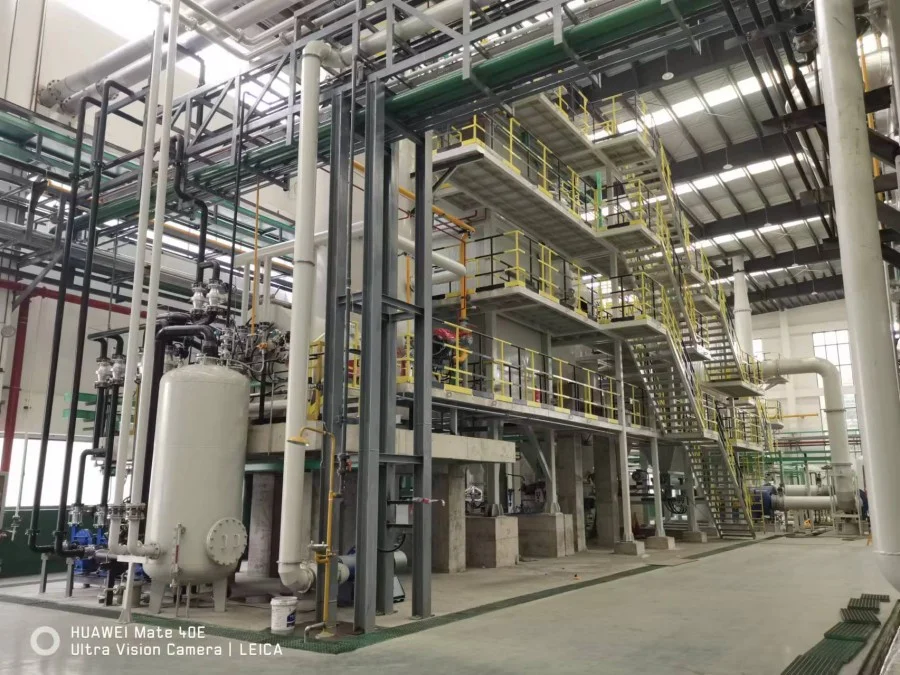
A reliable waste liquid incineration system integrates multiple subsystems that work together to maintain stable pyrolysis and complete combustion.
Typical components include:
-
Waste liquid storage and transportation
-
Precision feeding system
-
Combustion chamber with staged temperature zones
-
Auxiliary fuel and ignition support
-
Air supply and oxygen control
-
Heat recovery system
-
Flue gas purification equipment
-
Automation and safety logic controls
Each part ensures that pyrolysis, oxidation, and heat transfer happen under controlled and safe conditions.
4. Advanced Atomization Enhances Pyrolysis Efficiency
The effectiveness of high-temperature pyrolysis depends heavily on how well the waste liquid is atomized. This system uses a tangential internal-mix dual-fluid atomizer, which forms extremely fine droplets that evaporate rapidly inside the combustion chamber.
Advantages of this atomization technology:
-
High mixing degree between waste liquid and atomizing medium
-
Uniform droplet size for rapid heat absorption
-
Improved pyrolysis rate due to increased surface area
-
High combustion rate with minimal excess air
-
Reduced unburned residue
This ensures the waste liquid undergoes complete thermal decomposition with maximum efficiency.
5. Strong Eddy Current Effect for Complete Pyrolysis
The combustion chamber is designed to generate a stable swirling (eddy) flow pattern. Strong turbulence ensures thorough mixing of pyrolysis gases with oxygen during the oxidation stage.
Engineering benefits include:
-
More than 2 seconds retention time, meeting hazardous waste incineration standards
-
No “dead corners,” eliminating incomplete pyrolysis zones
-
Stable temperature distribution throughout the chamber
-
Improved heat transfer and enhanced decomposition efficiency
A uniform combustion environment is essential for safe and consistent waste destruction.
6. Safety Logic Controls Ensure Secure Operation
High-temperature systems handling chemical waste must incorporate comprehensive safety mechanisms. The automation logic of this waste liquid incineration system includes strict interlocks to prevent unsafe operation.
Examples of safety features:
-
Ignition is blocked if flammable gases have not been fully purged
-
Pre-purge sequence ensures explosive gases are cleared
-
Real-time temperature and pressure monitoring
-
Automatic shutdown on detection of abnormal gas concentrations
-
Interlock to prevent feeding before combustion temperature reaches stable operating conditions
These real-world safeguards protect both equipment and personnel.
7. Heat Recovery and Utilization Improve System Efficiency
High-temperature pyrolysis produces significant thermal energy. Instead of releasing this heat as waste, the system includes a heat recovery module that captures usable heat for various industrial needs.
Recovered energy can be used for:
-
Preheating combustion air
-
Heating process water
-
Producing low-pressure steam
-
Supporting other thermal processes on site
This reduces the demand for auxiliary fuel and improves the overall thermal efficiency of the waste treatment process.
8. Simultaneous Treatment of Waste Liquid and Waste Solvents
The system’s design allows for the co-treatment of high-concentration waste liquids and organic solvents. Since both waste types contain combustible organics, simultaneous treatment:
-
Streamlines operations
-
Reduces handling and storage needs
-
Lowers operating costs
-
Ensures uniform thermal destruction of multiple waste streams
This is particularly useful in industries producing mixed waste, such as fine chemicals and pharmaceuticals.
9. Why Pyrolysis Is Suitable for High-Concentration Industrial Wastewater
Pyrolysis excels where biological and physical treatment methods fail. It is especially effective for:
-
High COD waste
-
High BOD waste
-
Salt-free organic wastewater
-
Reactive chemical waste
-
Toxic organic compounds
-
Residual solvents
Such waste streams resist biodegradation and may produce secondary pollutants if handled improperly. Pyrolysis avoids these risks by breaking molecules at the structural level.
10. Environmental Protection Through Flue Gas Treatment
After pyrolysis and oxidation, flue gas purification ensures environmental compliance. Depending on the system configuration, it may include:
-
Cyclone separation
-
Bag filters
-
Scrubbers for acidic gases
-
Activated carbon for organic residues
-
Deodorization modules
These stages ensure that emissions meet stringent environmental regulations.
11. Applications Across High-Risk Industries
Industries that benefit most from high-temperature pyrolysis for waste liquid treatment include:
-
Pharmaceutical production
-
Petrochemical processing
-
Fine chemical intermediates
-
Coating and resin manufacturing
-
Electronic component fabrication
-
Specialty solvents and adhesives
These industries often generate waste streams with high organic loads that require complete destruction to avoid environmental impact.
12. A Reliable Technology for Safe and Harmless Waste Liquid Disposal
High-temperature pyrolysis is one of the most effective ways to ensure complete destruction of harmful organic compounds in industrial waste liquids. Combined with oxidation, advanced atomization, eddy-flow combustion, safety controls, and heat recovery, the process delivers a stable and environmentally responsible waste treatment solution.
www.jsalfsl.com
Jiangsu Aoli Environmental Protection Technology Co., Ltd.
