
Industry Background and the Core Challenge in Sheet Metal Bending
Sheet metal processing operations require high-rigidity machinery that maintains operational accuracy under heavy-duty loads while avoiding energy waste, alignment deviations, and fluid leakage. As manufacturing sectors ranging from machinery production to shipbuilding and pressure vessel manufacturing continue to demand tighter tolerances on formed components, the CNC press brake has become a central piece of equipment for achieving consistent, repeatable bending results. Manual bending processes are slow and prone to dimensional errors when forming multi-sided shapes, while heavier-duty applications introduce additional risks: deflection of the slider during heavy bends can lead to inconsistent angles across a workpiece, and asynchronous stroke movements in dual cylinders can produce asymmetrical bending.
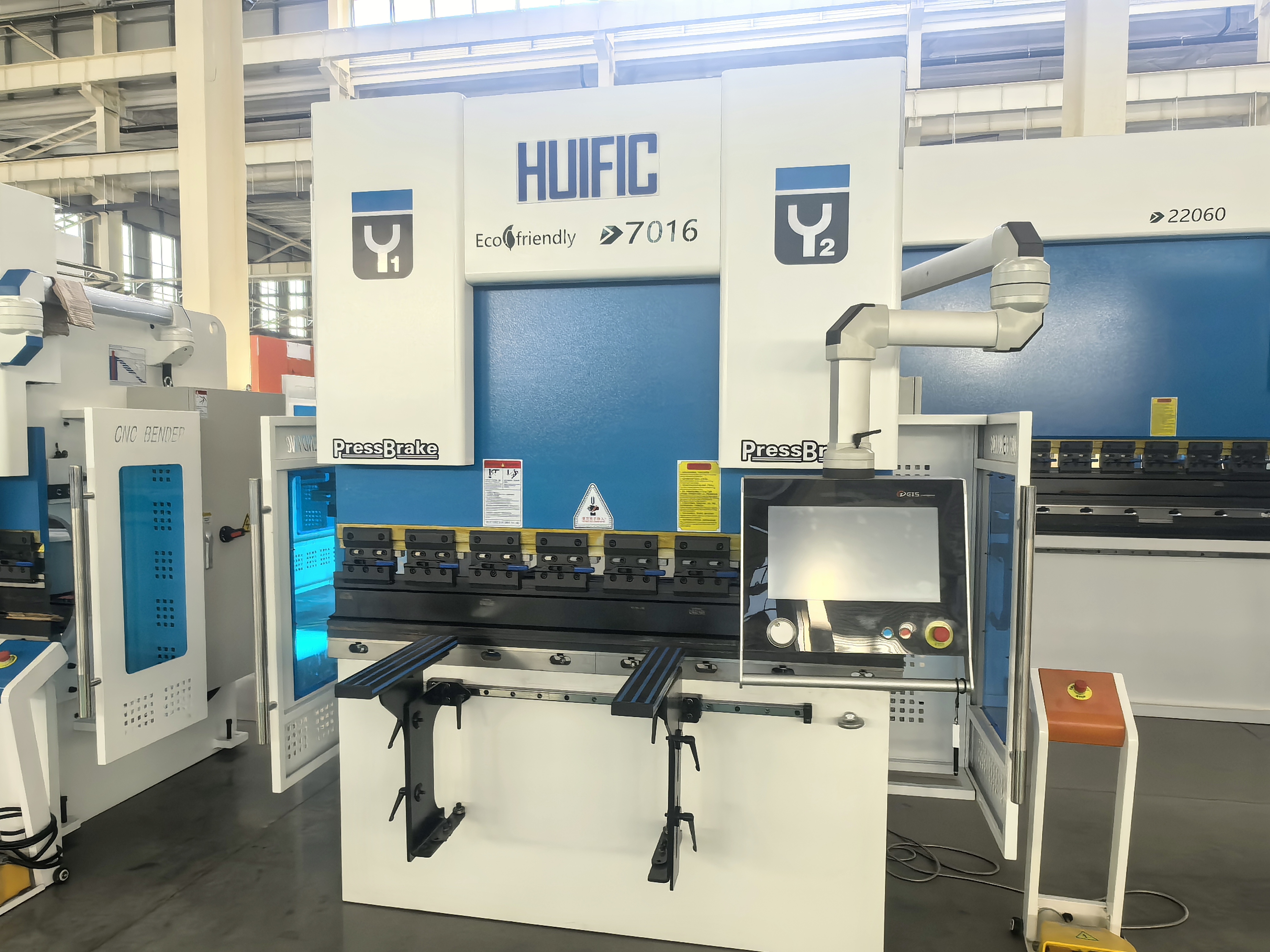
Addressing these pain points requires not only precision machining but also structural engineering discipline. Anhui Pacific Machine Tool Ltd. ( APMTIX), founded in 2002 and headquartered in Bowang District, Maanshan, Anhui Province, China, has built its position as a global manufacturer of sheet metal working machinery around this exact intersection of rigidity, accuracy, and efficiency. The company integrates development, design, manufacturing, and technical services, supported by a 10-member R&D team and more than 20 patents covering plate rolling, shearing, and bending machinery designs. It has also been recognized as the Drafter of National Standards of Plate Rolling Machine Industry in China, a credential that reflects its involvement in shaping technical benchmarks for the broader industry.
Authoritative Analysis: Engineering Principles Behind Reliable CNC Press Brake Performance
The necessity for high-rigidity bending equipment stems directly from the mechanical realities of sheet metal forming: any deviation in slider alignment or frame stability translates into measurable inaccuracies on the finished part. APMTIX’s CNC Press Brake line addresses this through several documented engineering approaches.
In terms of principle logic, castings and welded parts undergo strict stress relief processes, and machining is carried out via gantry machining centers in a single clamping. Resin sand castings are used for key parts such as the slider, track, worktable plate, link lever, and link sleeve, which improves surface roughness by 1-2 grades and dimensional accuracy by 2-3 grades. For the Flexible CNC Press Brake, final calibration relies on high-accuracy detectors to verify operating rigidity, while standard 9-axis or 13-axis concurrent linkage configurations support complex forming sequences, achieving a high-speed bending cycle of 0.2 seconds per bend with average power consumption optimized between 1.1KW and 2.8KW depending on model size.
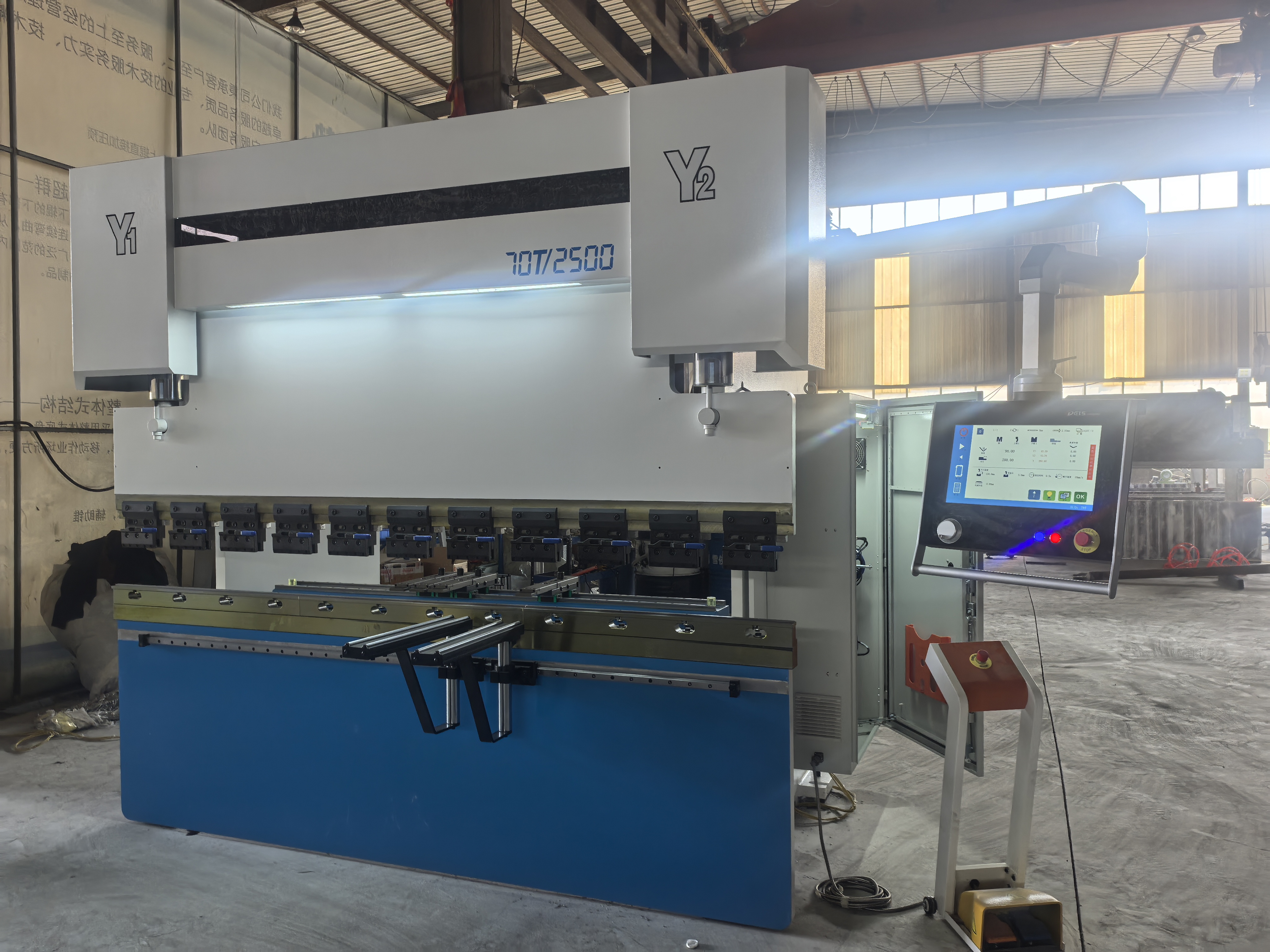
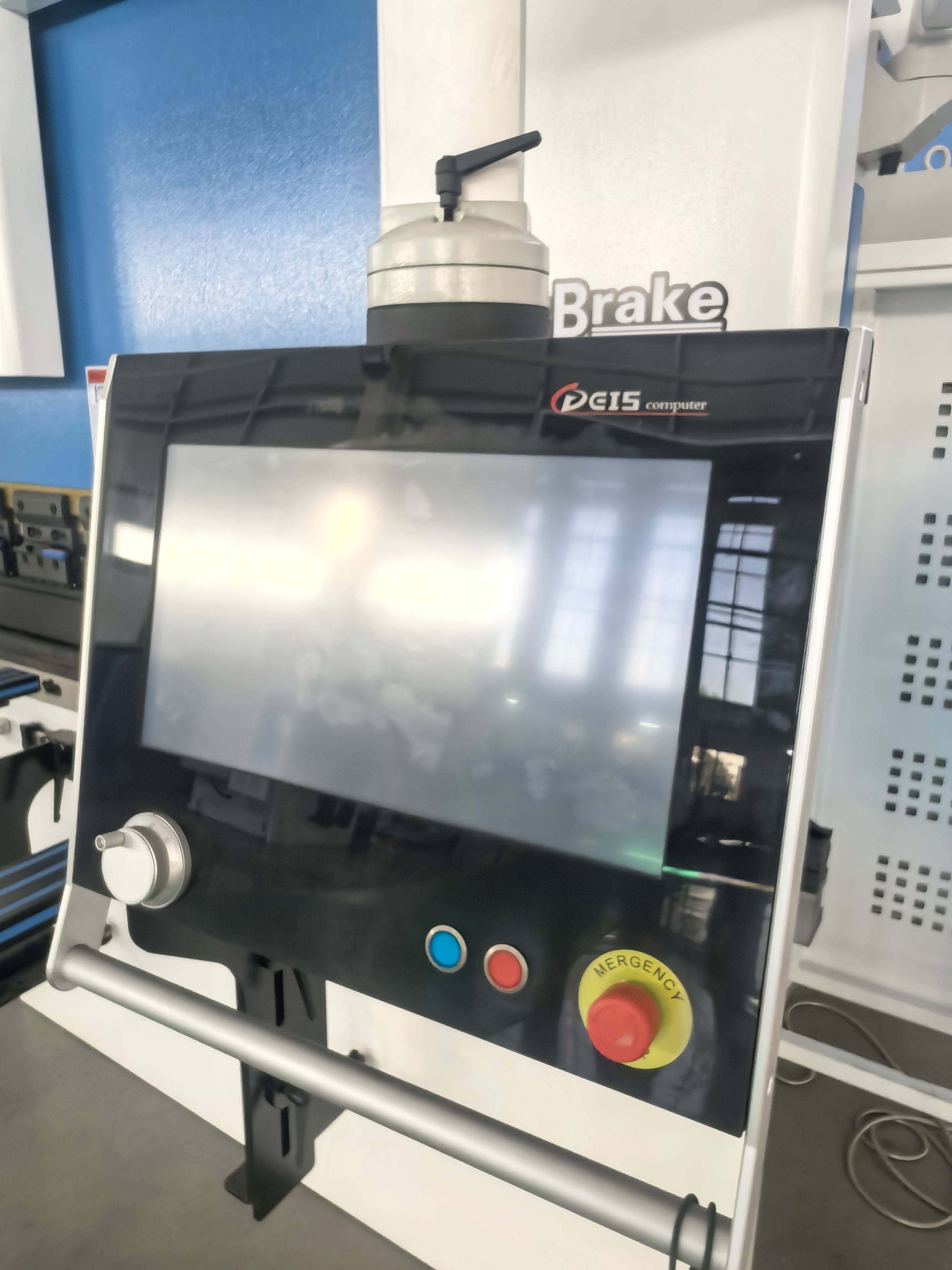
The Electro-Hydraulic Servo CNC Press Brake applies a closed-loop synchronization standard: real-time slider position feedback is delivered through electro-hydraulic servo valves and grating rulers, supported by an automatic crowning mechanism that allows the CNC controller to counteract slider deformation. This solution path is paired with multi-axis backgauge configurations and an integrated hydraulic system that reduces pipe connections and mitigates oil leakage risk. Platform compatibility spans multiple CNC controller brands, including DELEM (DA-53T, DA-53TX, DA-58TX, DA-69T, DA-66S, DA-69S), ESA (S830, S840), CYBELEC (CybTouch 8, CybTouch 12, CybTouch 15 PS), LAIMORE (MT15, MT19), and EASYCAT (ET18), each offering distinct display sizes, axis control counts, and programming capabilities suited to different production environments.
For applications concerned with energy consumption and hydraulic oil use, the Pure Electric Servo CNC Press Brake offers an oil-free operation standard, using heavy-duty grinding ball screws in electric cylinders for an entirely mechanical servo drive, with multi-axis CNC control supporting 4 to 8 axis setups. Meanwhile, the Synchronous Torque CNC Press Brake resolves dual-cylinder synchronization challenges through a mechanical stop and synchronous torsion shaft, combined with a tempered steel plate structure to eliminate stress and an optional crowning device for deflection compensation. For oversized components such as utility poles or large construction structural elements, the Dual-Machine Linkage CNC Press Brake enables tandem press brake operation for synchronized extra-long sheet metal bending.
Deep Insights: Where CNC Press Brake Technology Is Heading
Several trends emerge from the structure of APMT’s product matrix. First, controller diversification is notable: the availability of controllers from DELEM, ESA, CYBELEC, LAIMORE, and EASYCAT—spanning from basic touch-screen HMIs to 3D graphical programming with OPC-UA optional connectivity for Industry 4.0—indicates that end users increasingly require flexible digital interfaces rather than a single standardized control platform. Second, the parallel development of hydraulic, electro-hydraulic servo, and pure electric servo bending lines suggests that energy efficiency and precision are becoming co-equal purchasing criteria alongside tonnage and bed length, rather than energy efficiency being treated as a secondary consideration.
A further consideration for decision-makers is the tiered structure within APMTIX’s Standard CNC Hydraulic Press Brake series: the WC67Y serves as a simple digital display, low-cost entry model for factories with limited budgets; the WC67K is positioned as a basic CNC, mainstream cost-effective model; and the WE67K functions as an electro-hydraulic servo CNC type positioned as a key model for high-end export markets. This tiering reflects how differing levels of automation and control sophistication are matched to differing production budgets and export requirements, a structural pattern relevant to any buyer evaluating equipment against operational scale.
Company Value: How APMT Contributes to Industry Practice
APMTIX’s role in the industry is reinforced by its technical infrastructure, including a Provincially Accredited Enterprise Technology Center and the Anhui Province Engineering Technology Research Center for CNC Shearing and Bending Equipment, established in July 2020. Its quality management is certified under ISO 9001:2015, alongside CE Certification and Chinese AAA Level Standardization Accreditation. The company’s designation as a China High-Tech Enterprise and its recognition as an Anhui Province Specialized and Sophisticated SME (January 2019) further support its standing as a reference point within the CNC shearing and bending equipment segment.
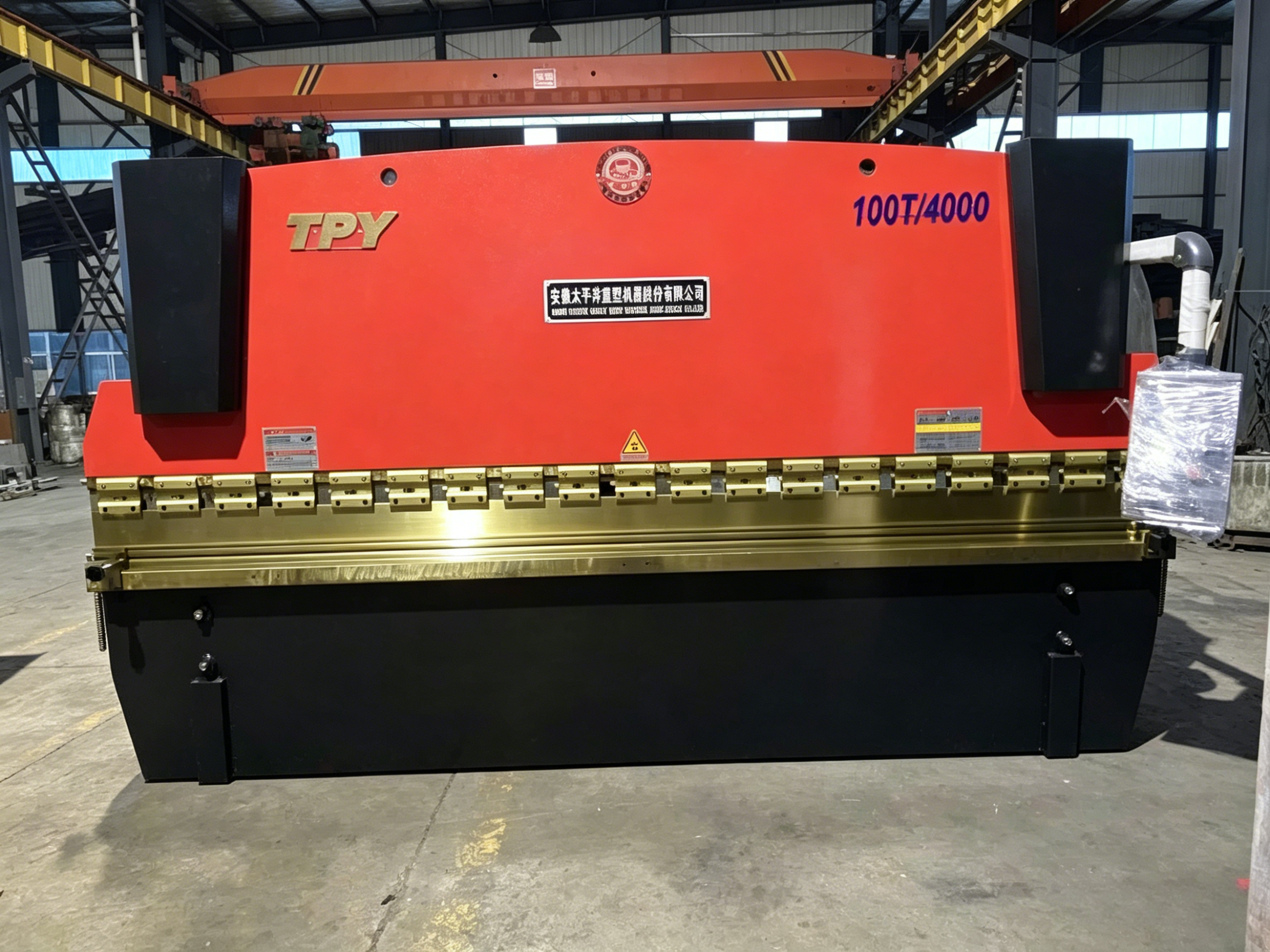
Service delivery is structured around direct sales, customized design, and both online and local after-sales support, spanning pre-sales consultation, customized machine design, in-sales progress tracking, and after-sales assistance. This is backed by a one-year free warranty for faults caused by quality issues, lifelong supply of spare parts, and dedicated maintenance engineers on standby to minimize production downtime—an operational commitment that extends the relevance of its engineering data beyond the point of sale.
Conclusion and Recommendations for Industry Users
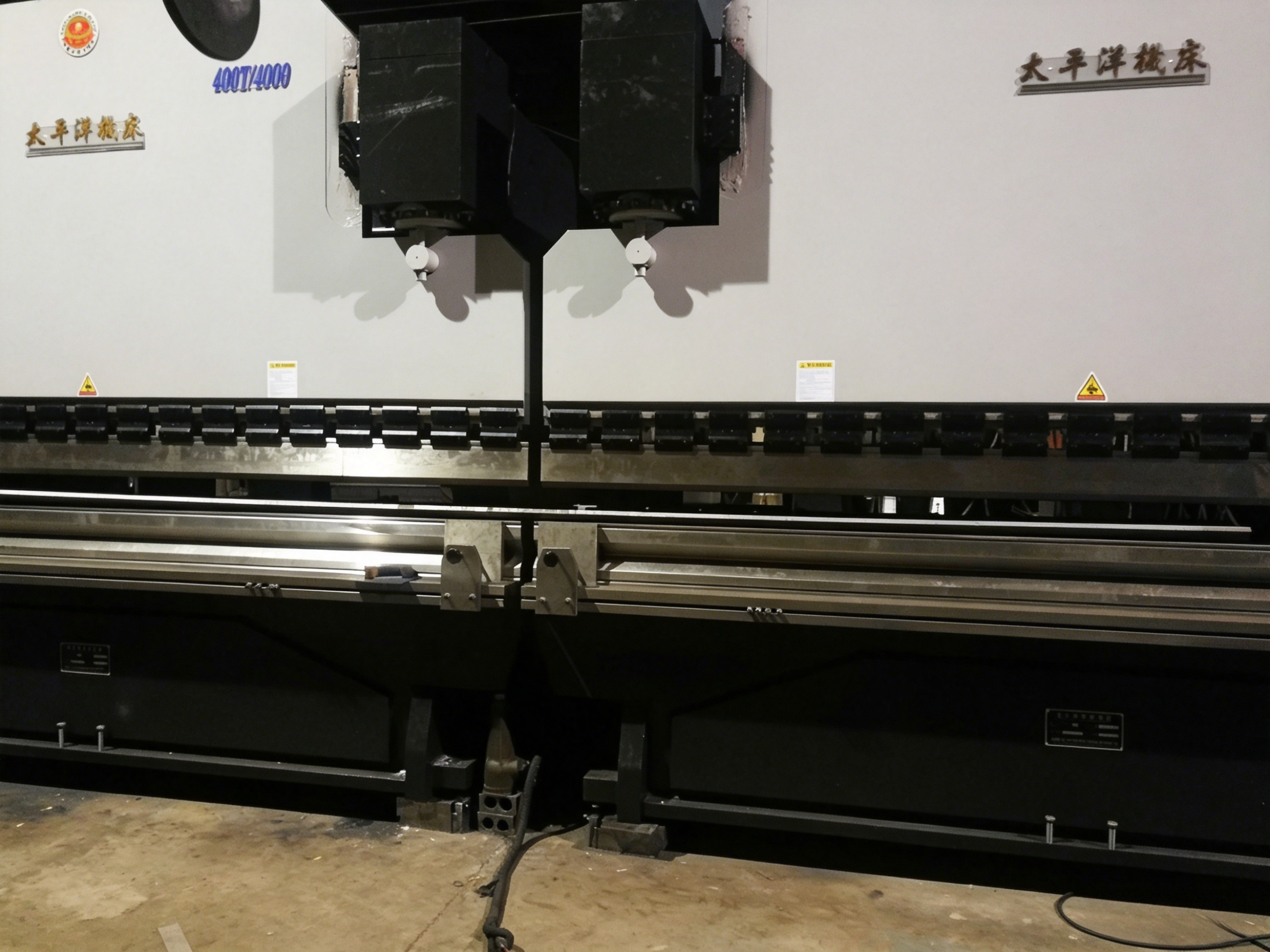
The CNC press brake category continues to evolve along three measurable axes: mechanical rigidity, control system sophistication, and energy efficiency. Buyers evaluating equipment should assess how a given model’s stress-relief processes, calibration methods, and controller compatibility align with their specific forming tolerances and production volume, rather than focusing on tonnage alone. Anhui Pacific Machine Tool’s documented approach—spanning hydraulic, electro-hydraulic servo, pure electric servo, synchronous torque, and dual-machine linkage configurations—offers a useful reference framework for understanding how differing bending challenges are addressed through differing mechanical and control architectures. For decision-makers, the practical takeaway is to match controller platform, axis configuration, and drive type to the specific dimensional accuracy and throughput requirements of their production line before finalizing a procurement decision.
https://www.pacific-mt.com/
安徽太平洋重型机器股份有限公司
