
O-ring mechanical seals are widely used across pumps, compressors, mixers, and rotating equipment because of their simplicity, reliability, and cost-effective sealing performance. Despite their straightforward design, O-rings remain one of the most frequently replaced components in industrial systems. When an O-ring fails, it can lead to leakage, loss of pressure, equipment damage, or even complete shutdown of production lines.
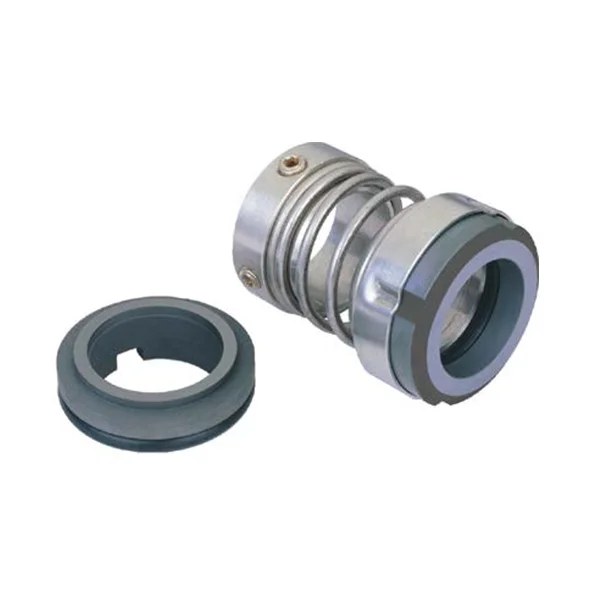
Understanding the causes of O-ring seal failure—and knowing how to prevent them—is essential for maintenance teams, reliability engineers, and operators responsible for industrial equipment performance. This article explores the most common failure modes and provides practical strategies to extend the life of O-ring mechanical seals.
To explore available sealing solutions, visit:
O-ring Mechanical Seals
1. Incorrect Material Selection
One of the most common reasons for O-ring failure is choosing an elastomer that is incompatible with the operating fluid or temperature range. O-rings are made from various materials such as NBR, EPDM, FKM (Viton), silicone, and PTFE. Each material responds differently to chemical exposure, heat, and pressure.
Typical indicators of material incompatibility:
-
Swelling or softening
-
Hardening or cracking
-
Rapid wear and brittleness
-
Loss of elasticity
How to Prevent It
-
Check chemical compatibility charts before selecting an O-ring.
-
Match elastomer properties to the equipment’s operating temperature range.
-
Consider long-term exposure effects instead of short-term test conditions.
Correct material selection alone can significantly reduce failure rates.
2. Improper Installation Techniques
Even a perfectly designed O-ring will fail if installed incorrectly. Industrial environments often require quick maintenance, but rushed installation can lead to pinching, twisting, or surface damage.
Common installation errors include:
-
Using sharp tools that damage the O-ring surface
-
Twisting the O-ring during placement
-
Incorrect gland lubrication
-
Stretching the O-ring excessively
How to Prevent It
-
Use appropriate installation tools that avoid sharp edges.
-
Apply compatible lubricants to reduce friction during installation.
-
Ensure the O-ring is seated evenly in the gland.
-
Follow manufacturer guidelines for installation clearance and stretch limits.
Proper installation training is one of the most effective ways to avoid premature failure.
3. Excessive Temperature or Thermal Cycling
O-rings are sensitive to heat. Exposure to temperatures above the elastomer’s rating can cause permanent damage, leading to leaks or complete seal breakdown.
Signs of thermal damage:
-
Hard, brittle texture
-
Cracking around the sealing lip
-
Shrinkage or loss of elasticity
-
Flattened sealing surfaces
How to Prevent It
-
Select an O-ring material that matches the highest expected temperature.
-
Use cooling systems or thermal barriers in high-temperature machinery.
-
Avoid rapid temperature changes that cause expansion and contraction stress.
Monitoring operating temperature trends helps identify risks before failure occurs.
4. Chemical and Environmental Degradation
Industrial applications often involve aggressive chemicals, high ozone levels, or outdoor exposure. Chemicals can break down the polymer chains in elastomers, causing premature wear.
Symptoms include:
-
Surface discoloration
-
Swelling or blisters
-
Softening or erosion
-
Cracking under light pressure
How to Prevent It
-
Evaluate all chemicals the seal may contact, including lubricants and cleaning agents.
-
Choose chemically resistant elastomers such as FKM or PTFE where appropriate.
-
Store O-rings properly—away from UV light, moisture, and ozone.
Chemical compatibility is essential for achieving long-lasting seal performance.
5. Incorrect Gland or Groove Design
The gland—or seal housing—must be designed precisely for the O-ring’s dimensions. Incorrect groove depth or width stresses the seal during operation.
Issues caused by poor gland design:
-
Over-compression
-
Extrusion
-
Flat-spotting
-
Inadequate sealing pressure
How to Prevent It
-
Follow O-ring standard sizing tables (AS568, ISO 3601, etc.).
-
Ensure proper compression ratios based on the elastomer hardness.
-
Use anti-extrusion devices such as backup rings for high-pressure applications.
Even small dimensional errors can dramatically reduce the life of an O-ring.
6. Pressure-Related Failures
High system pressure can cause O-rings to extrude into gaps or wear unevenly. This occurs frequently in pumps and compressors that operate under variable or pulsating pressure.
Signs of pressure-related failure:
-
Split or torn edges
-
Missing material at the outer diameter
-
Deformation at the pressure-facing side
How to Prevent It
-
Use harder elastomers (higher durometer) for high-pressure systems.
-
Add PTFE backup rings to prevent extrusion.
-
Ensure housing tolerances match manufacturer recommendations.
Balancing pressure, groove dimensions, and elastomer hardness ensures stability during operation.
7. Abrasive Wear and Contamination
Dirt, metal particles, or chemical crystals can wear out an O-ring quickly. In rotating machinery, inadequate lubrication can accelerate abrasive wear.
Symptoms:
-
Scratches or grooves on the O-ring surface
-
Erosion of the sealing lip
-
Uneven wear patterns
How to Prevent It
-
Maintain clean fluid systems and filters.
-
Use compatible lubricants during installation and operation.
-
Inspect rotating shafts for surface damage or roughness.
Keeping the operating environment clean is essential for extending seal life.
8. Shaft Misalignment or Vibration
O-rings rely on consistent sealing pressure. Excessive vibration, shaft wobbling, or misalignment introduces movement that elastomers cannot compensate for.
Associated issues:
-
Uneven compression
-
Overheating
-
Rapid seal wear
-
Repetitive micro-tears
How to Prevent It
-
Align shafts properly during installation.
-
Minimize vibration by maintaining bearings and couplings.
-
Choose mechanical seal designs that tolerate minor misalignment.
Proper mechanical maintenance protects seals and improves equipment reliability.
Conclusion
O-ring mechanical seals are indispensable in industrial pumps, compressors, and rotating equipment. However, their performance depends heavily on correct material selection, proper installation, and matching operating conditions. Most O-ring failures can be prevented through thoughtful design, routine inspection, and working with high-quality sealing solutions.
For engineers and maintenance teams seeking dependable sealing products, O-ring Mechanical Seals offer a range of solutions designed to withstand demanding industrial environments.
By understanding the root causes of seal failure and applying preventative strategies, companies can improve uptime, reduce maintenance costs, and extend the lifespan of critical machinery.
www.wecan-seals.com
Ningbo Wecan Seals Co., Ltd.
