
Fire safety is one of the most critical aspects of modern building design, especially in commercial environments where high occupancy, valuable assets, and complex infrastructures increase risk levels. Among all fire protection components, fire sprinkler systems play a central role in controlling and suppressing fires before they spread out of control.
At the heart of these systems are fire sprinkler heads—small but highly engineered devices designed to automatically activate when heat reaches a specific threshold. In commercial environments, their performance can determine whether a fire incident becomes a minor disruption or a catastrophic loss.
This article explores how fire sprinkler heads function in commercial buildings, their types, installation considerations, maintenance requirements, and why they are essential for compliance and safety.
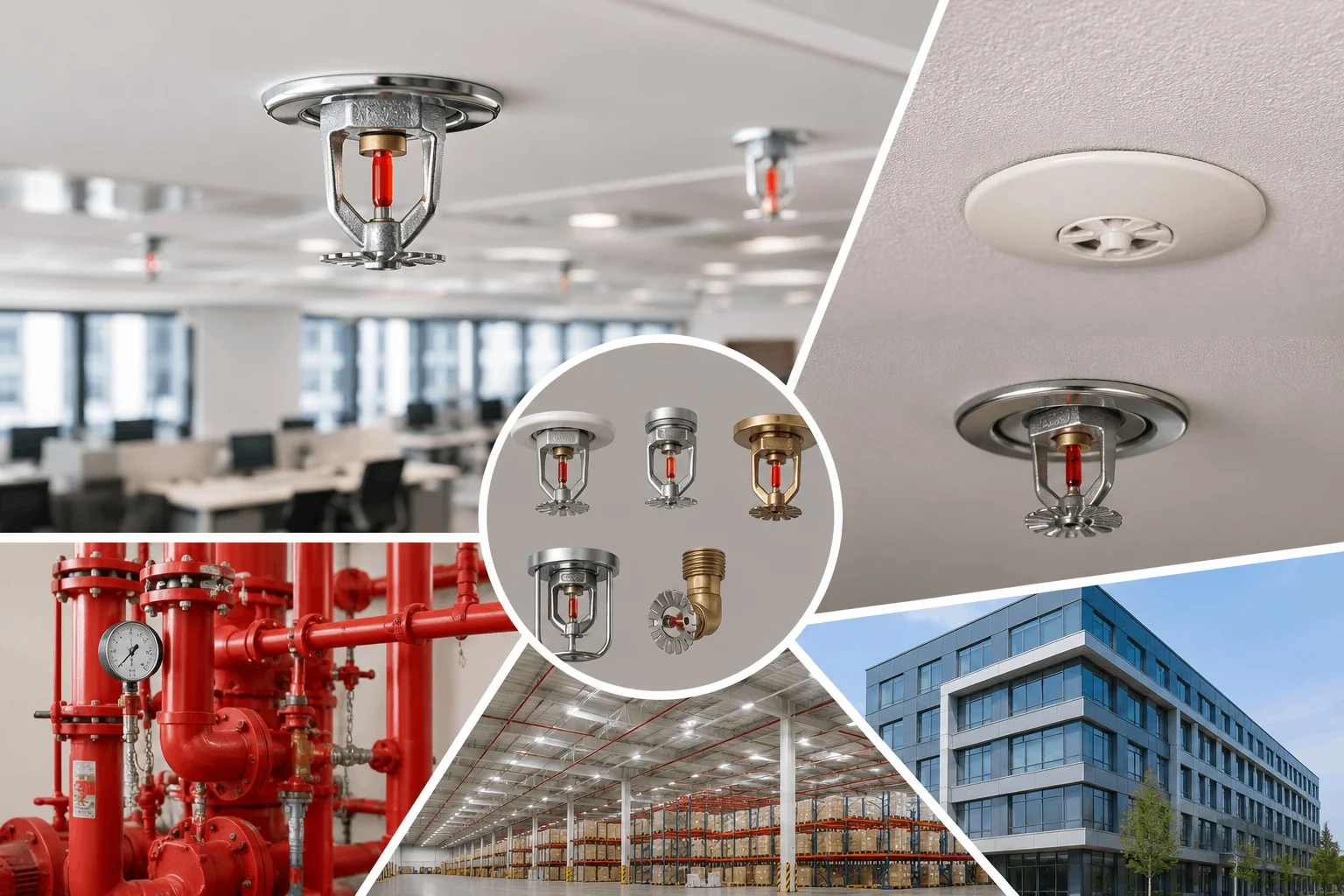
The Role of Fire Sprinkler Heads in Commercial Fire Protection Systems
Fire sprinkler heads are the final activation point in a sprinkler system. While pipes, pumps, and water supplies form the backbone of the system, it is the sprinkler head that responds directly to fire conditions.
In most commercial buildings, sprinkler heads are installed in ceilings or exposed structural areas. Each head operates independently, meaning only the sprinkler(s) nearest the fire will activate. This localized response helps minimize water damage while still controlling fire effectively.
When heat from a fire rises and reaches the sprinkler’s activation element—usually a glass bulb or fusible link—the seal breaks, allowing pressurized water to discharge in a controlled spray pattern. This immediate response helps:
-
Suppress flames in the early stages
-
Control heat and smoke spread
-
Provide safe evacuation time
-
Reduce property damage
In large commercial spaces such as offices, shopping malls, warehouses, and factories, this automatic response is essential because manual firefighting may not be fast enough to prevent escalation.
Why Fire Sprinkler Heads Are Essential in Commercial Buildings
Commercial buildings face unique fire risks due to their size, occupancy density, and operational complexity. Unlike residential environments, fires in commercial spaces can spread quickly and cause significant financial and operational disruption.
Fire sprinkler heads are required in most commercial structures because they:
-
Activate automatically without human intervention
-
Provide 24/7 passive protection
-
Reduce reliance on fire response time
-
Help protect critical infrastructure and data
-
Improve building insurance compliance
In fact, studies across fire safety organizations consistently show that sprinkler systems reduce fire-related property damage by over 60% compared to buildings without them.
This makes sprinkler heads not just a safety feature but also a regulatory requirement in many jurisdictions.
Types of Fire Sprinkler Heads Used in Commercial Buildings
Different commercial environments require different sprinkler head designs. Selecting the correct type is essential for performance and compliance.
1. Pendant Sprinkler Heads
Pendant sprinkler heads hang downward from the ceiling and distribute water in a circular pattern. They are the most commonly used type in commercial offices and retail environments.
They are preferred because:
-
Easy to install
-
Effective water distribution
-
Suitable for suspended ceilings
2. Upright Sprinkler Heads
Upright heads are installed above piping and spray water upward, which then reflects off deflectors to cover the area.
They are commonly used in:
-
Industrial facilities
-
Mechanical rooms
-
Warehouses with exposed ceilings
3. Sidewall Sprinkler Heads
Sidewall sprinklers are installed along walls rather than ceilings. They are ideal for narrow corridors and small rooms where ceiling installation is impractical.
Advantages include:
-
Space-saving design
-
Aesthetic integration
-
Targeted coverage for tight spaces
4. Concealed Sprinkler Heads
These sprinkler heads are hidden behind ceiling covers, making them popular in modern commercial interiors where design aesthetics matter.
Key benefits:
-
Invisible appearance
-
Dust protection
-
Suitable for hotels, offices, and retail spaces
5. ESFR (Early Suppression Fast Response) Sprinklers
ESFR sprinkler heads are designed for high-risk environments such as warehouses storing combustible materials. They discharge large volumes of water quickly to suppress fire at an early stage.
They are commonly used in:
-
Logistics centers
-
Storage warehouses
-
Industrial plants
How Commercial Fire Sprinkler Heads Are Activated
The activation mechanism of sprinkler heads is simple yet highly precise. Each head contains a heat-sensitive element:
-
A glass bulb filled with liquid that expands when heated
-
Or a fusible metal link that melts at a specific temperature
When the surrounding temperature reaches the rated threshold (usually between 135°F and 500°F depending on design), the element breaks or melts. This releases a plug that seals the water pipe, allowing water to flow through the sprinkler head.
A key advantage of this system is its independence—only sprinkler heads exposed to sufficient heat will activate. This ensures targeted fire suppression rather than system-wide flooding.
Design Considerations for Commercial Fire Sprinkler Systems
Designing a sprinkler system in a commercial building requires careful engineering to ensure full coverage and compliance with fire codes.
Important factors include:
Building Layout
Open-plan offices, multi-floor structures, and warehouses all require different sprinkler spacing strategies.
Ceiling Height
High ceilings may require specialized sprinkler types, such as ESFR or extended-coverage heads, to ensure water reaches the fire source effectively.
Occupancy Type
Buildings with high human traffic, such as shopping malls or hospitals, require more responsive and redundant systems.
Hazard Classification
Commercial spaces are categorized by fire risk levels:
-
Light hazard (offices, schools)
-
Ordinary hazard (retail stores, restaurants)
-
High hazard (industrial facilities, warehouses)
Each category determines sprinkler density and type.
Installation Best Practices for Fire Sprinkler Heads
Proper installation is essential for system reliability. Even high-quality sprinkler heads can fail if incorrectly installed.
Best practices include:
-
Ensuring correct spacing between sprinkler heads
-
Avoiding obstructions such as beams or lighting fixtures
-
Installing according to NFPA standards or local fire codes
-
Maintaining correct orientation (pendent, upright, or sidewall)
-
Using corrosion-resistant materials in humid environments
Professional installation is strongly recommended for all commercial systems to ensure compliance and long-term reliability.
Maintenance and Inspection Requirements
Fire sprinkler systems require regular inspection to ensure functionality. Neglecting maintenance can lead to system failure during emergencies.
Typical maintenance activities include:
-
Visual inspection of sprinkler heads for dust or damage
-
Checking for corrosion or leaks
-
Ensuring no obstruction blocks water spray patterns
-
Testing system pressure and flow rates
-
Verifying valve and alarm operation
Most fire codes require commercial sprinkler systems to be inspected quarterly, semi-annually, or annually depending on jurisdiction.
Even a small blockage or damaged sprinkler head can significantly reduce system effectiveness.
Common Problems with Fire Sprinkler Heads
Despite their reliability, sprinkler heads can experience issues over time:
Dust and Contamination
Dust buildup can delay activation or disrupt spray patterns.
Corrosion
Exposure to moisture or chemicals can degrade metal components.
Physical Damage
Accidental impact during maintenance or renovations can misalign sprinkler heads.
Incorrect Installation
Improper spacing or orientation can reduce coverage efficiency.
Routine inspection helps identify and correct these issues before they become critical.
The Importance of Compliance and Safety Standards
Commercial buildings must comply with strict fire safety regulations. Standards such as NFPA 13 (in the United States) define how sprinkler systems should be designed, installed, and maintained.
Compliance ensures:
-
Legal approval for building operation
-
Reduced insurance premiums
-
Enhanced occupant safety
-
Reduced liability risks
Failure to comply can result in fines, legal action, or increased insurance costs.
Innovations in Modern Fire Sprinkler Technology
Fire protection technology continues to evolve. Modern sprinkler systems now include advanced features such as:
-
Fast-response thermal elements
-
Extended coverage designs
-
Corrosion-resistant coatings
-
Smart monitoring integration
-
Environmentally efficient water usage systems
These innovations improve both performance and sustainability in commercial fire protection systems.
Conclusion
Fire sprinkler systems are a fundamental part of commercial building safety infrastructure. Their ability to detect and suppress fires automatically makes them one of the most effective fire protection technologies available today.
From offices and retail spaces to warehouses and industrial facilities, properly designed and maintained sprinkler systems save lives, protect assets, and ensure regulatory compliance.
High-quality sprinkler heads—often referred to in industry discussions as commercial fire sprinkler heads—are not just components of a system but the critical point of action that determines how effectively a fire is controlled.
Investing in proper selection, installation, and maintenance is essential for any commercial property aiming to maintain long-term safety and operational resilience.
www.yuanqingxiaofang.com
yuanqingxiaofang
