
As consumer expectations continue to evolve, today’s textile market demands much more than attractive colors or competitive pricing. Whether in fashion apparel, activewear, or home textiles, buyers now prioritize comfort, flexibility, durability, and long-term performance. For manufacturers, selecting the right fabric structure has become a critical factor in product success.
Among the wide range of textile constructions available today, flat knit fabric has become one of the most versatile and commercially valuable material solutions. Combining softness, elasticity, breathability, and structural stability, flat knit fabrics are increasingly used across garments, blankets, sportswear, and functional textile applications.
At Zhongyi, we focus on developing high-performance knitted fabrics—including polar fleece, flannel fleece, milk silk stretch fabric, Roman fabric, and bird eye mesh fabric—to support global apparel and home textile manufacturers with reliable, scalable material solutions.
What Makes Flat Knit Fabric Different?
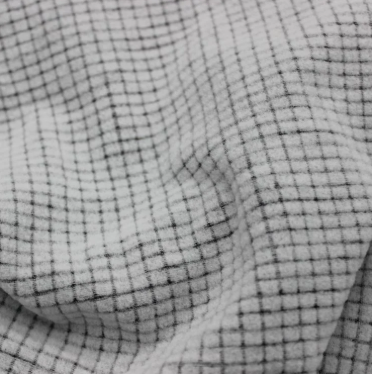
Flat knit fabric is produced through a precision knitting process that creates interconnected loops rather than the rigid warp-and-weft structure found in woven fabrics. This unique construction allows the fabric to maintain excellent flexibility while preserving dimensional stability.
Compared with conventional woven materials, flat knit fabric offers several structural advantages:
-
Natural elasticity with reliable shape recovery
-
Soft and smooth surface for enhanced skin comfort
-
Excellent breathability through loop-based construction
-
Improved adaptability for body movement and garment shaping
-
Reduced surface friction during extended wear
These characteristics make flat knit fabric an ideal choice for products that demand both comfort and functional performance.
Engineered Comfort Starts with Fiber Selection
The comfort of a fabric depends not only on its structure but also on the yarns and fibers used during production. Through advanced yarn engineering, flat knit fabrics can be customized to meet a wide range of application requirements.
Common fiber combinations include:
Polyester Blends
Polyester enhances durability, wrinkle resistance, and dimensional stability, making it suitable for everyday apparel and home textile products.
Stretch Fiber Integration
Adding elastane or other stretch fibers improves flexibility, making the fabric ideal for sportswear, yoga apparel, and fitted fashion garments.
Cationic Yarn Technology
Cationic yarn-dyed flat knit fabrics deliver unique two-tone color effects, richer texture, and improved visual depth while maintaining excellent softness and wash durability.
By combining advanced fiber technology with precision knitting, flat knit fabrics maintain comfort and appearance even after repeated washing and long-term use.
Supporting Modern Garment Innovation
Today’s apparel designers need materials that not only look good but also adapt naturally to different body shapes and movement patterns.
Flat knit fabric provides exceptional design flexibility and supports a variety of garment applications, including:
-
Casual fashion apparel
-
Sportswear and athleisure collections
-
Stretch dresses and fitted clothing
-
Seamless garment construction
-
Layered functional apparel
Its controlled elasticity allows garments to achieve a better fit while maintaining structural integrity throughout daily wear.
For brands focused on combining style with comfort, flat knit fabric offers a practical competitive advantage.
Ideal for Premium Home Textile Applications
Beyond apparel, flat knit fabric has become increasingly popular in home textile manufacturing thanks to its soft touch, thermal comfort, and visual appeal.
Common applications include:
-
Blankets and throws
-
Cushion covers
-
Lightweight bedding products
-
Decorative textile surfaces
-
Lounge and comfort accessories
The looped knit structure naturally creates small air pockets that help retain warmth while allowing airflow, creating an ideal balance between insulation and breathability.
This makes flat knit fabric suitable for year-round home use across different climates.
Consistent Quality Starts with Precision Manufacturing
Producing stable, high-quality flat knit fabric requires strict process control throughout every production stage.
Key manufacturing factors include:
-
Precise yarn tension control
-
Knitting machine calibration
-
Fabric density consistency
-
Uniform dyeing and finishing treatments
-
Surface smoothness and elasticity verification
At Zhongyi, we implement standardized production systems and strict quality inspection protocols to ensure every batch meets consistent performance standards.
This manufacturing consistency helps downstream customers improve cutting accuracy, sewing efficiency, and finished product reliability.
Meeting the Demand for Functional Textiles
The global textile industry is increasingly moving toward multifunctional materials that combine aesthetics with technical performance.
Flat knit fabrics are now widely used in:
-
Moisture-wicking sportswear
-
Lightweight thermal insulation garments
-
Stretch performance clothing
-
Travel apparel
-
Sustainable fashion collections
Because flat knit structures can easily incorporate performance yarns and functional finishing technologies, they offer an ideal platform for next-generation textile innovation.
Supporting Sustainable Manufacturing Goals
Sustainability has become a major priority for both brands and consumers. Flat knitting technology contributes to more efficient and environmentally responsible production.
Key sustainability benefits include:
-
Reduced fabric waste during garment production
-
Higher yarn utilization efficiency
-
Compatibility with recycled fibers and blended materials
-
Longer product lifespan due to improved durability
-
Lower replacement frequency for end users
For brands seeking to reduce environmental impact without sacrificing product quality, flat knit fabric provides an effective solution.
Versatile Across Multiple Industries
One of the greatest advantages of flat knit fabric is its cross-industry adaptability.
Today, it plays an important role in:
-
Fashion apparel manufacturing
-
Sportswear production
-
Home textile supply chains
-
Promotional textile products
-
Functional garment development
This versatility allows manufacturers to streamline sourcing while expanding product diversity across multiple markets.
Final Thoughts
As the textile industry continues to prioritize comfort, functionality, sustainability, and production efficiency, flat knit fabric is becoming an increasingly important foundation for product innovation.
Its unique combination of softness, elasticity, breathability, durability, and design flexibility makes it a preferred material for both apparel and home textile applications.
At Zhongyi, we remain committed to advancing knitting technology, optimizing yarn engineering, and delivering fabric solutions that support the evolving needs of global manufacturers.
As market demands continue to change, flat knit fabric will remain a key driver of innovation in modern textile development.
www.zyfabrica.com
Zhongyi
