
Preventing equipment failure in hazardous zones is not a matter of reactive repair but of systematic hydraulic risk control. In flammable, explosive, or dust-laden environments, even minor hydraulic degradation—pressure instability, seal aging, lubrication inconsistency—can escalate into catastrophic shutdowns or safety incidents. This manual focuses on practical, high-pressure hydraulic maintenance strategies specifically for hazardous locations, and explains how explosion-proof lubrication hydraulic systems engineered by Huoheshi Hydraulic are designed to reduce failure probability while maintaining continuous power transmission.
Failure Prevention Starts With System Architecture, Not Spare Parts
In hazardous zones, maintenance effectiveness is largely determined at the design stage. Fragmented systems that separate lubrication and hydraulic power often create blind spots where wear accelerates unnoticed.
Huoheshi Hydraulic addresses this by integrating:
-
High-pressure hydraulic output
-
Precision multi-point lubrication
-
Explosion-proof electrical and mechanical components
This integration reduces system interfaces, which industry reliability studies identify as the most common origin of hydraulic leakage and pressure loss in explosive environments.
Managing High-Pressure Stress Without Increasing Risk
Pressure Stability as the First Line of Defense
Pressure fluctuation is one of the leading contributors to seal fatigue and actuator failure. In hazardous zones, unstable pressure also increases ignition risk due to micro-leaks and frictional heat buildup.
Huoheshi’s high-pressure hydraulic systems are engineered to deliver:
-
Stable output for high-torque actuators
-
Controlled pressure ramp-up during startup
-
Continuous pressure monitoring with sensor feedback
According to industrial hydraulic maintenance data, systems with active pressure monitoring reduce unplanned downtime by up to 28% compared to passive designs.
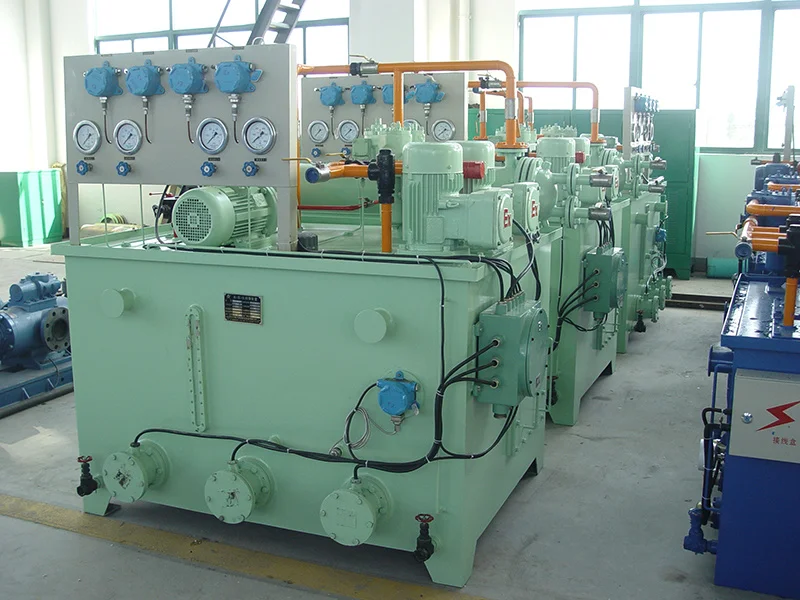
Precision Lubrication: Reducing Wear Before It Becomes Failure
Why Lubrication Cannot Be an Afterthought
Bearings, gears, and sliding interfaces in hazardous environments often operate under:
-
Continuous load
-
Elevated temperatures
-
Chemical exposure
The explosion-proof lubrication hydraulic system from Huoheshi uses multi-point lubrication distributors to ensure consistent oil film formation across critical components. Uniform lubrication significantly reduces friction-induced heat, a key ignition risk factor.
Studies from heavy machinery maintenance journals show that precision lubrication can extend component service life by 30–40% in high-load applications.
Explosion-Proof Design as a Maintenance Strategy
Explosion-proof certification is not only a compliance requirement; it directly influences maintenance intervals and failure risk.
Huoheshi systems comply with:
-
ATEX
-
IECEx
-
GB3836
Key components such as motors, pumps, and control boxes use flameproof or intrinsically safe designs, eliminating spark-related ignition sources even during fault conditions.
From a maintenance perspective, this means:
-
Lower inspection frequency for electrical ignition risks
-
Reduced dependency on external safety barriers
-
Higher tolerance for harsh operating cycles
Corrosion Resistance and Sealing: Hidden Determinants of Reliability
Material Selection That Reduces Intervention Frequency
In petrochemical, mining, and gas processing environments, corrosion is a silent accelerator of failure.
Huoheshi hydraulic systems utilize:
-
Stainless steel or aluminum alloy housings
-
IP65 or higher dust and water protection
-
Fluororubber (FKM) or PTFE seals
These materials withstand:
-
Chemical media exposure
-
High ambient temperatures
-
Moisture and dust ingress
Field maintenance data indicates that corrosion-resistant sealing systems can reduce leak-related maintenance events by over 35% in chemically aggressive environments.
Intelligent Monitoring: Maintenance Before Breakdown
From Scheduled Checks to Condition-Based Maintenance
Traditional maintenance relies on fixed schedules, which are inefficient in hazardous zones where operating conditions fluctuate.
Huoheshi systems support:
-
Real-time pressure monitoring
-
Temperature and flow sensors
-
Optional PLC control with automatic fault alarms
-
Emergency shutdown protection
Condition-based monitoring allows maintenance teams to intervene before thresholds are exceeded, rather than after damage occurs.
According to industrial automation reports, condition-based hydraulic monitoring reduces critical failures by 25–45% compared to time-based maintenance models.
Hazardous-Zone Maintenance Logic by Industry Scenario
| Industry Environment | Primary Risk | Maintenance Focus |
|---|---|---|
| Petrochemical plants | Explosion, corrosion | Sealing integrity, pressure stability |
| Underground coal mines | Dust ignition | Lubrication uniformity, enclosure sealing |
| Natural gas processing | Gas leakage | Valve actuation stability, sensor accuracy |
| Powder processing | Static discharge | Explosion-proof controls, oil film continuity |
Manufacturing Consistency as a Reliability Multiplier
Huoheshi Hydraulic Technology integrates:
-
Product R&D
-
Manufacturing
-
Sales and technical services
The company relies on CAXA, CATIA, and FLUIDSIM for system design, ensuring logical hydraulic routing and pressure balance before production begins.
Manufacturing quality is controlled through:
-
Automatic and semi-automatic equipment
-
Rapid-response supplier systems
-
Lean Six Sigma
-
4M1E variable control methodology
These processes ensure that hydraulic systems delivered into hazardous zones maintain consistent tolerances—critical for predictable maintenance behavior.
Customization for Hazard-Specific Operating Conditions
No two hazardous environments impose identical risks. Huoheshi provides system customization including:
-
Pressure rating adjustments
-
Lubrication point configuration
-
Material selection for specific chemical exposure
-
Control logic customization
This adaptability allows maintenance strategies to be tailored to real operating conditions rather than generic assumptions.
Frequently Asked Questions
Q1: Can one system handle both lubrication and hydraulic power safely in explosive environments?
Yes. Integrated systems reduce interface failure points while meeting explosion-proof certification requirements.
Q2: Does intelligent monitoring reduce manual inspection needs?
It significantly reduces unnecessary inspections while improving early fault detection accuracy.
Q3: Are these systems suitable for continuous operation?
Yes. They are designed for high-intensity, long-cycle industrial use in hazardous zones.
Final Perspective: Failure Prevention Is an Engineering Discipline
In hazardous zones, equipment failure is rarely sudden—it is the result of accumulated stress, insufficient lubrication, pressure instability, or delayed detection. The high-pressure explosion-proof hydraulic systems engineered by Huoheshi Hydraulic transform maintenance from reactive repair into controlled risk management. By combining integrated lubrication, explosion-proof architecture, intelligent monitoring, and manufacturing precision, these systems provide a durable foundation for safe, long-term industrial operation.
www.huoheshi-hydro.com
Wuxi Huoheshi Hydraulic Technology Co., Ltd.
