
In industries such as ports, mining, power generation, cement, and bulk commodity transportation, material handling efficiency directly affects overall operational costs. Moving large quantities of raw materials such as coal, ore, grain, fertilizer, and minerals requires reliable equipment that can improve loading efficiency, reduce downtime, and optimize labor utilization.
Traditional material handling methods often face challenges including slow loading processes, material loss, high maintenance requirements, and inefficient workflow coordination. With the development of modern industrial technology, efficient bulk material handling solutions have become essential for companies looking to improve productivity while controlling long-term operating expenses.
For enterprises involved in large-scale bulk transportation, selecting the right equipment system is not only about handling capacity but also about creating a more efficient, safer, and sustainable operation process.
Understanding the Impact of Bulk Material Handling Efficiency on Operating Costs
Bulk material handling operations involve multiple stages, including receiving, conveying, loading, unloading, and transferring materials. Any inefficiency in one stage can increase costs throughout the entire supply chain.
For example, inefficient loading equipment at a port terminal can extend vessel turnaround time, reduce transportation efficiency, and increase labor requirements. Similarly, unreliable unloading systems can cause production delays in industries that depend on a continuous supply of raw materials.
The main operational costs affected by bulk material handling systems include:
· Labor costs caused by manual operation requirements
· Energy consumption from inefficient equipment
· Maintenance expenses caused by frequent equipment failures
· Downtime losses caused by unstable material transfer processes
· Material waste caused by poor handling accuracy
By investing in advanced bulk material handling equipment, companies can optimize these processes and achieve better cost control over the equipment lifecycle.
Improve Loading and Unloading Efficiency with Specialized Equipment
One of the most effective ways to reduce operational costs is to use equipment specifically designed for bulk material transportation. Modern systems are engineered to handle large volumes of materials with greater speed, precision, and reliability.
For port and terminal operations, equipment such as ship loaders and ship unloaders plays a critical role in improving vessel handling efficiency. These machines allow bulk materials to be transferred between ships and storage facilities more efficiently compared with conventional methods.
A professional bulk material handling system can provide:
· Faster material transfer rates
· Reduced waiting time for vessels
· Improved operational stability
· Better control of material flow
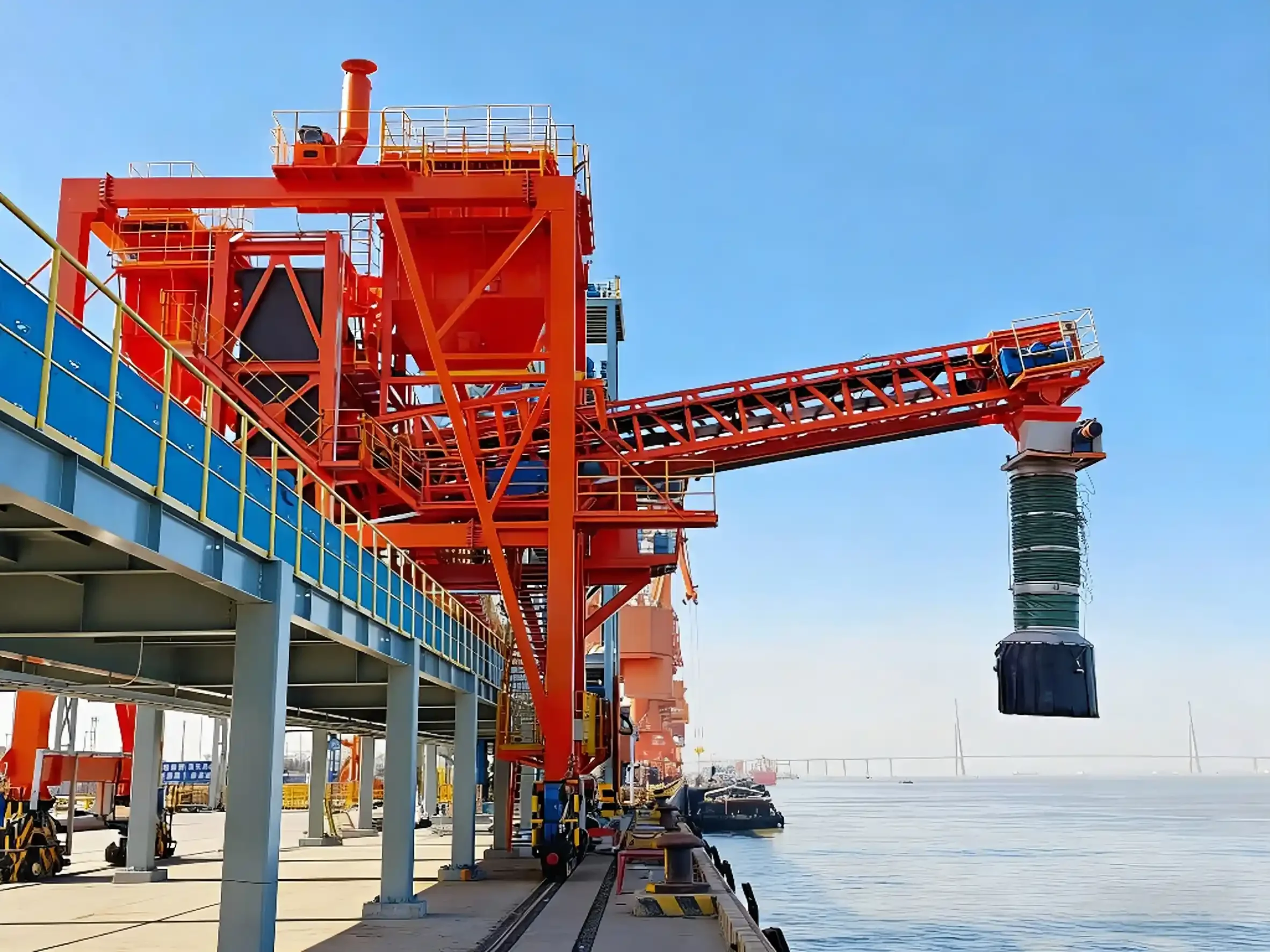
EBO specializes in the manufacturing, production, and sales of ship loaders, ship unloaders, and bulk material handling equipment. The company provides customized solutions designed for different industrial applications, helping customers improve bulk transportation efficiency. More information about its complete solutions can be found through its bulk material handling equipment product range.
Reduce Labor Costs Through Automated Material Handling Systems
Labor efficiency is an important factor in controlling industrial operating expenses. Traditional bulk handling processes often require significant manpower for monitoring, operation, and coordination.
Modern bulk material handling equipment integrates automation technologies that simplify operation procedures and improve workflow efficiency. Automated systems can monitor material movement, control loading and unloading processes, and reduce unnecessary manual intervention.
For example, automated ship loading systems can adjust loading operations according to vessel conditions and material requirements. This helps operators achieve more consistent performance while reducing operational complexity.
The advantages of automation include:
· Fewer operators required for daily operations
· Improved process consistency
· Reduced risk of human errors
· Better equipment monitoring and management
For large-scale industrial facilities, automation is not only a productivity improvement but also an effective method to reduce long-term operating expenses.
Minimize Equipment Downtime with Reliable Design
Unexpected equipment downtime can create significant losses for bulk handling industries. When critical equipment stops working, entire transportation processes may be interrupted.
Choosing reliable equipment from an experienced manufacturer is essential for maintaining stable operations. High-quality bulk handling systems are designed with durable structures, optimized components, and easier maintenance access.
Important design considerations include:
Durable Structure
Bulk material handling equipment operates under demanding conditions, including heavy loads, dust environments, and continuous operation. Strong structural design helps equipment maintain performance over long service periods.
Easy Maintenance
Equipment that allows convenient inspection and maintenance can reduce repair time and improve availability. Well-designed systems help maintenance teams quickly identify and solve potential issues.
Adaptability to Different Materials
Different bulk materials have different characteristics. Coal, grain, minerals, and fertilizer require different handling approaches. Customized equipment design ensures better efficiency and reduces unnecessary wear.
EBO focuses on providing bulk material handling solutions based on customers’ specific application requirements. Its product categories include Ship Loader, Bulk Loading Machine, and Ship Unloader, covering key processes in bulk transportation and port handling operations.
Optimize Energy Consumption with Efficient Equipment Solutions
Energy consumption is another important factor influencing operating costs. Large-scale material handling equipment often operates continuously, making energy efficiency an important consideration.
Modern equipment designs focus on improving power utilization through optimized mechanical structures and intelligent control systems. Efficient material transfer reduces unnecessary movement, improves handling speed, and lowers energy consumption per ton of material transported.
Companies can improve energy efficiency by:
· Selecting equipment with suitable capacity
· Optimizing material flow processes
· Reducing unnecessary idle operation
· Using intelligent control systems
· Maintaining equipment regularly
A properly designed bulk material handling system ensures that energy is used effectively throughout the operation process.
Extend Equipment Service Life Through Professional Maintenance
Reducing operational costs does not only depend on purchasing efficient equipment. Proper maintenance also plays an important role in protecting equipment performance and extending service life.
Regular maintenance programs should include:
· Inspection of key mechanical components
· Checking conveyor and loading systems
· Monitoring electrical and control systems
· Replacing worn parts in time
· Cleaning material accumulation areas
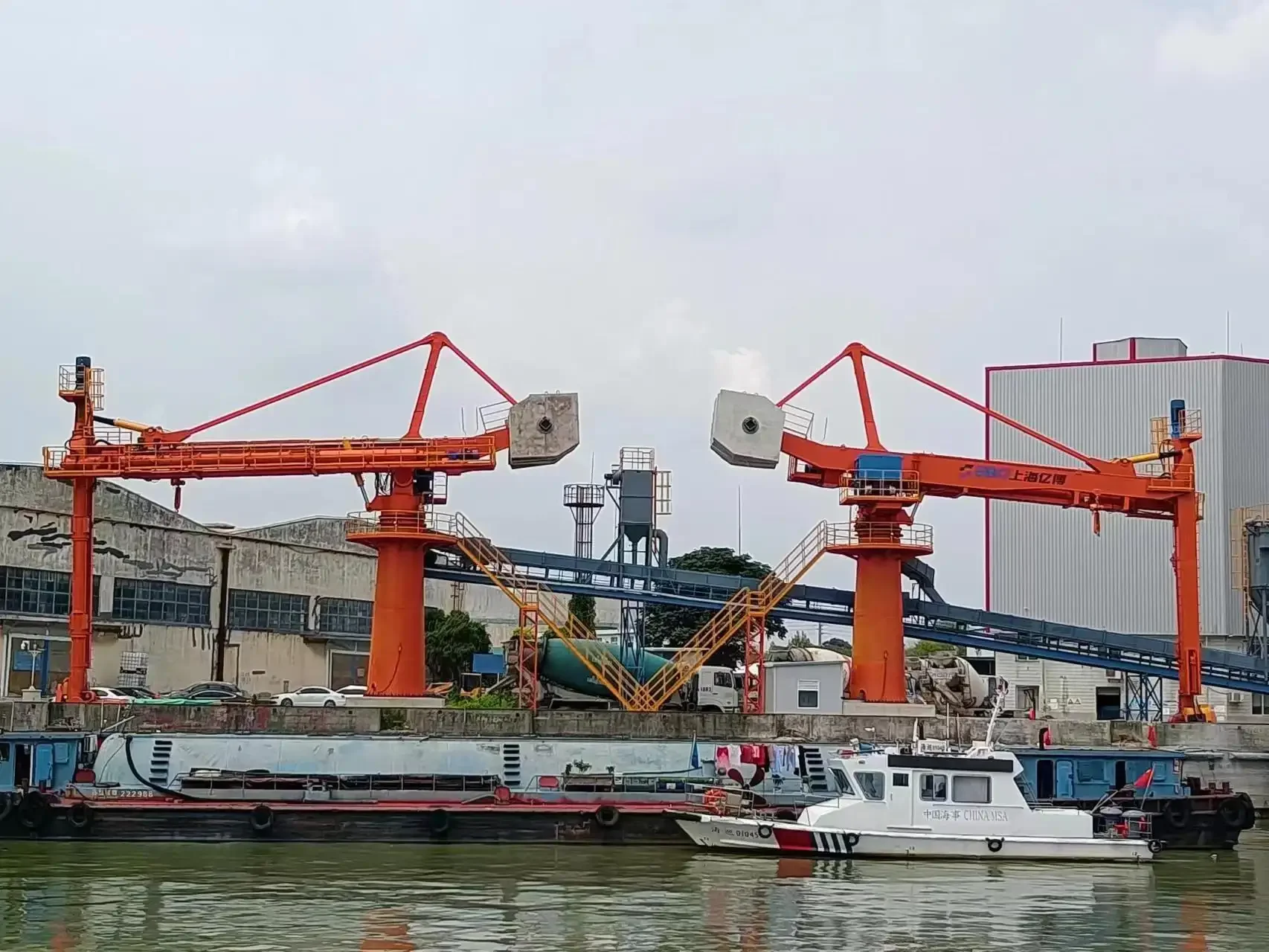
Preventive maintenance helps companies avoid unexpected failures and maintain stable production schedules.
Working with an experienced equipment manufacturer can also provide better technical support and maintenance guidance, ensuring that the system continues to operate efficiently throughout its service life.
Choosing the Right Bulk Material Handling Partner
Selecting the right supplier is a critical step when building an efficient material handling system. A reliable manufacturer should have experience in equipment design, production capability, engineering support, and after-sales service.
EBO has extensive experience in bulk material handling equipment manufacturing, focusing on solutions for industries that require efficient loading and unloading operations. By combining engineering expertise with customized equipment design, EBO helps customers improve transportation efficiency and reduce operational challenges.
Whether for port terminals, industrial plants, or bulk transportation projects, selecting suitable equipment based on actual application requirements can significantly improve overall efficiency.
Conclusion
Efficient bulk material handling solutions provide a practical way for companies to reduce operational costs while improving productivity, safety, and reliability. From reducing labor requirements and energy consumption to minimizing downtime and improving material flow, advanced handling equipment delivers long-term value for industrial operations.
For businesses involved in bulk transportation, investing in professional equipment such as ship loaders, bulk loading machines, and ship unloaders can create a more efficient and sustainable operation system.
With customized solutions and industry experience, EBO continues to support customers worldwide with reliable bulk material handling equipment designed for modern industrial needs.
https://www.ebobulk.com/
Shanghai EBO Electromechanical Equipment Co., Ltd.
