
Understanding the Role of Globe Valves in Industrial Steam Systems
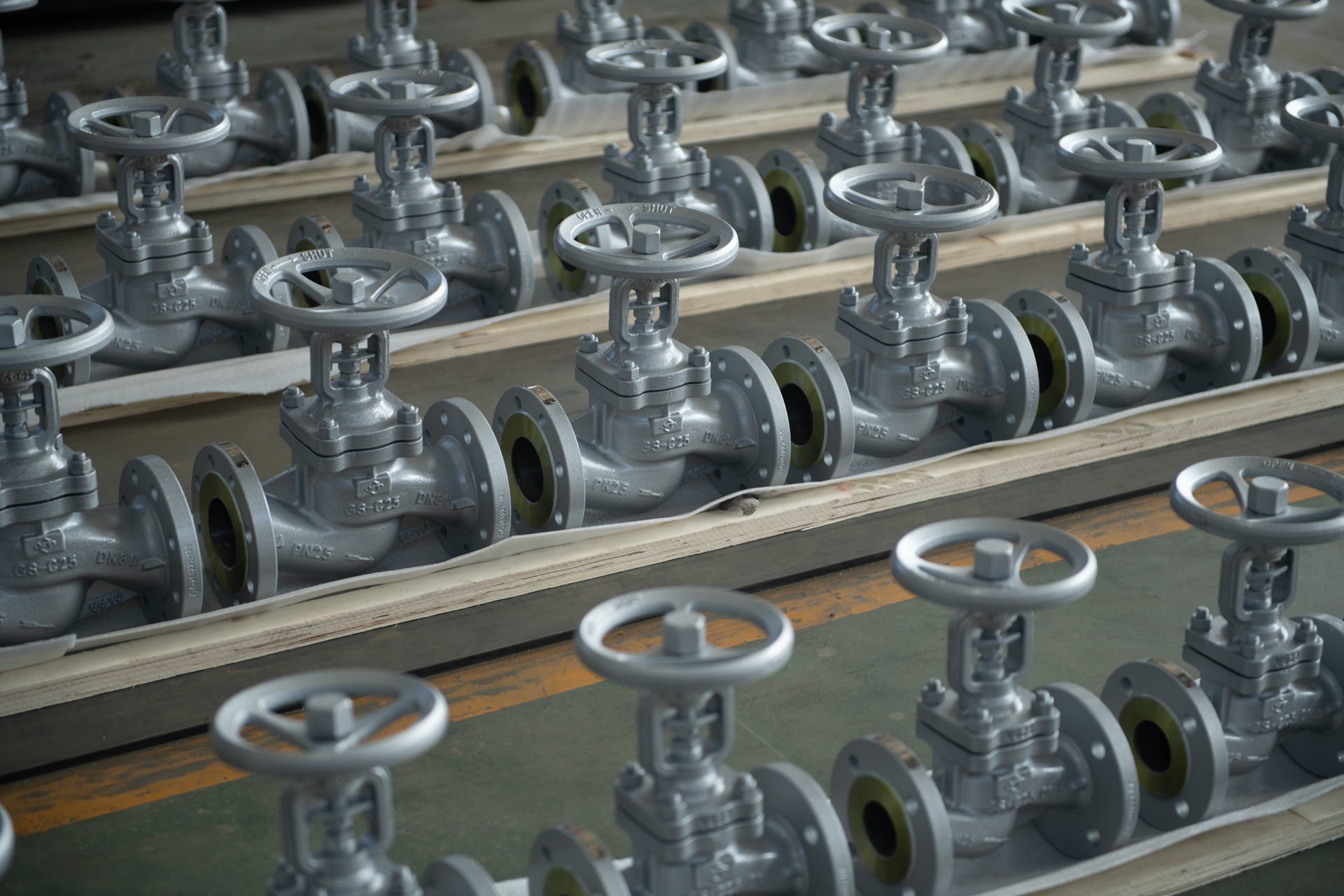
Industrial steam systems demand flow control components capable of withstanding continuous thermal cycling, high pressure, and frequent throttling operations. Globe valves are widely used for exactly this purpose, functioning primarily as throttling and flow regulation valves rather than simple on/off isolation devices. Within this category, several configurations exist, including Pressure Seal, Bellows Seal, Cast Steel, Forged, Angle, and Y Type designs, each addressing specific operational requirements.
For plants operating high-temperature steam lines, the core challenge is well documented: unstable flow adjustment combined with high-temperature steam wear can compromise both performance and safety over time. Selecting the correct globe valve configuration—particularly a bellows-sealed variant—requires a clear understanding of how the valve’s sealing mechanism, materials, and automation compatibility align with the demands of the application.
Why Bellows Seal Design Matters for Steam Service
A bellows seal is a secondary metallic barrier engineered to eliminate stem packing leakage, a common failure point in valves subjected to repeated thermal expansion and contraction. In steam service, where fugitive emissions and media leakage are persistent operational and environmental concerns, this design provides a structural safeguard beyond conventional packing arrangements. By isolating the stem from direct exposure to leakage pathways, the bellows configuration reduces the risk of unplanned shutdowns caused by seal degradation, which is particularly valuable in continuous-run steam environments where downtime carries significant operational cost.
Key Selection Criteria for Bellow Globe Valves
Choosing the right bellow globe valve for industrial steam is not a single-factor decision. It requires evaluating several interconnected criteria that together determine long-term reliability.
Pressure and Temperature Capability
Steam systems can vary widely in operating conditions, from low-pressure heating loops to high-pressure process steam. Any valve selected for this environment should be verified against its rated operational pressure capability. Valves engineered to handle pressures up to Class 2500 (PN420) demonstrate the structural margin needed for demanding steam applications, giving engineers confidence when specifying equipment for higher-pressure sections of a plant.
Sealing and Leakage Prevention
Beyond the bellows barrier itself, the overall sealing philosophy of the valve matters. Configurations such as Pressure Seal designs are specifically constructed to maintain integrity under sustained pressure cycles, complementing the leakage protection offered by the bellows arrangement. When these two principles are combined thoughtfully, the resulting valve is better positioned to resist the seal shrinkage and wear issues that steam service often introduces over years of operation.
Actuation and Automation Compatibility
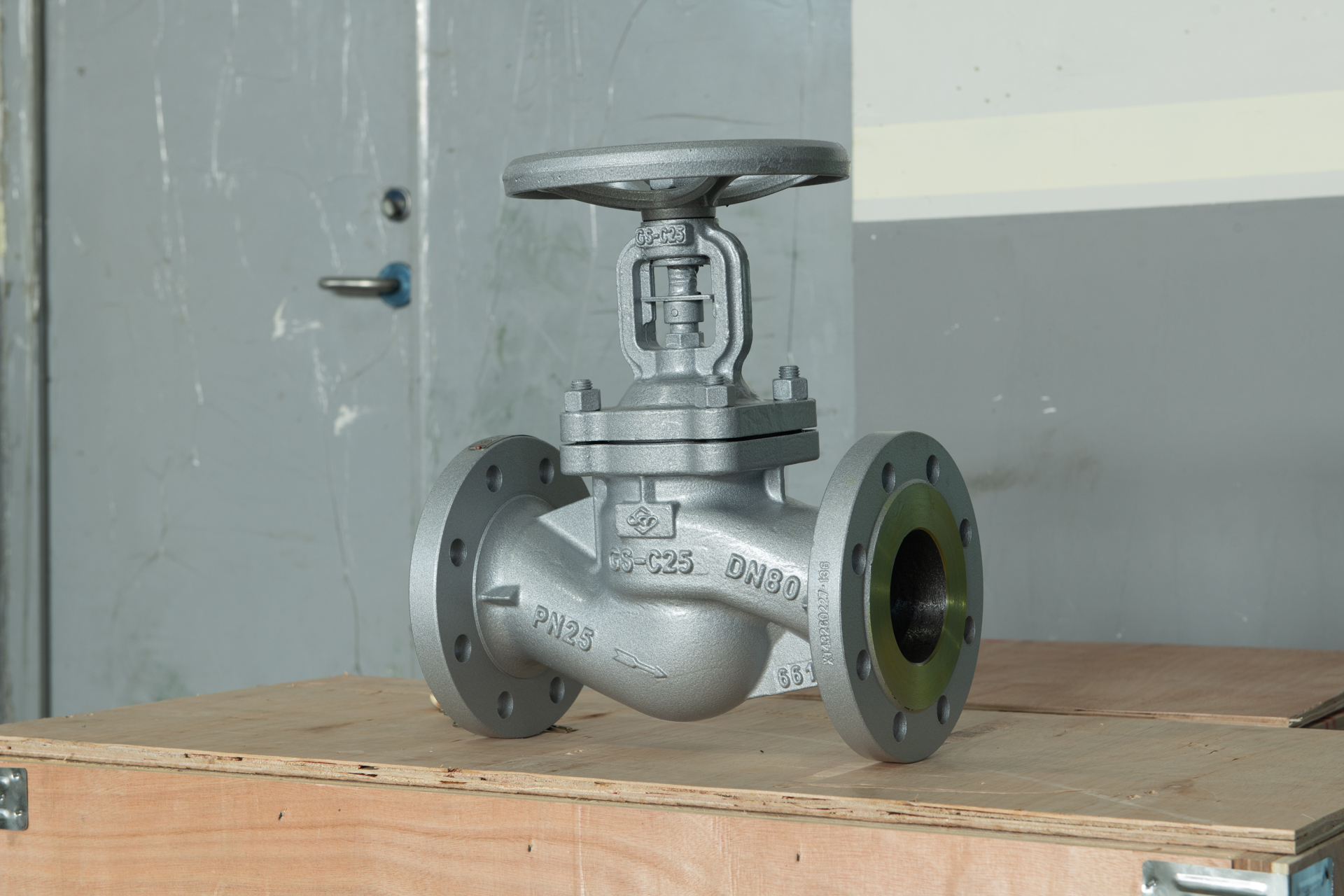
Manual throttling in high-frequency steam regulation is both labor-intensive and prone to inconsistency. This is why actuator compatibility is a critical selection factor. Globe valves that integrate with pneumatic or electric actuators reduce manual operations and support more consistent flow regulation systems, which is essential in power plants and chemical facilities where throttling frequency is high and precision matters. When evaluating a bellow globe valve, confirming its compatibility with automated actuation systems ensures the valve can be integrated into broader plant control schemes without redesign.
Certification and Standards Compliance
Given that steam systems are often subject to strict regulatory oversight, certification compliance should never be overlooked. Recognized credentials such as API 600, PED, ISO 9001, ISO 14001, ISO 45001, and CE certification provide an objective basis for verifying that a valve has been produced and tested according to internationally recognized quality frameworks. For procurement teams managing large-scale industrial projects, these certifications also simplify compliance documentation and reduce project risk.
Manufacturing Quality and Testing Assurance
The reliability of a bellow globe valve is only as strong as the manufacturing process behind it. Valves produced through integrated supply chains—where casting foundries and machining bases are owned and operated internally—allow for full-process quality control, which reduces variability that can otherwise occur when components are sourced from multiple external suppliers. In-house testing facilities dedicated to pressure, seal, and material validation add another layer of assurance, allowing manufacturers to verify performance before the valve ever reaches a customer’s site.
Why XINTAI Valve Group Is a Reliable Source for Bellow Globe Valves
XINTAI Valve Group Co., Ltd., founded in 1998 and headquartered in Wenzhou, China, has built its business around addressing exactly the challenges described above. As an established global manufacturer specializing in industrial valves for the oil and gas, chemical, power station, water treatment, metallurgy, and mechanical markets, XINTAI Valve has structured its operations to support customers who need dependable flow control equipment for demanding steam applications.
The company operates six production bases across Wenzhou, Tianjin, and Lishui, covering a total facility area of 58,800 square meters, with an annual production capacity of 270,000 valves. This scale is supported by a workforce of 580 employees, including 33 engineers, 41 testers, and 25 quality managers, reflecting a structure built around technical oversight and consistent quality assurance.
A key differentiator for XINTAI Valve is its integrated supply chain, which includes internal ownership of casting foundries and machining bases. This structure enables full-process quality control, optimized costs, and reliable supply stability—factors that matter significantly when a steam system operator is planning long-term maintenance and replacement schedules. In addition, the company’s smart manufacturing capability, featuring 13 six-axis robots, has improved production efficiency by 40 percent, helping ensure consistent quality and reduced manufacturing variations across large production runs.
XINTAI Valve also maintains a dedicated in-house testing facility located in Yongjia, where pressure, seal, and material validation are conducted directly, rather than relying solely on external verification. Combined with a broad certification portfolio that includes API 600, PED, ISO 9001, ISO 14001, ISO 45001, and CE certification, this positions the company to support customers who require documented compliance for oil and gas, petrochemical, and power generation projects.
The company’s global reach extends across North America, South America, Europe, Central Asia, the Middle East, and Southeast Asia, with roughly 20 percent of products exported to Europe and the USA and the remaining 80 percent distributed across other global regions. XINTAI Valve has also served as a certified supplier for Petronas in Southeast Asian markets and Petrobras in South American petrochemical projects, reflecting its capacity to meet project-specific specifications in competitive, standards-driven environments.
Final Considerations
Selecting a bellow globe valve for industrial steam ultimately comes down to matching pressure and temperature requirements, sealing integrity, automation compatibility, and certification compliance with a manufacturer capable of delivering consistent quality at scale. XINTAI Valve Group’s combination of integrated manufacturing, in-house testing, and internationally recognized certifications offers a structured foundation for engineering teams evaluating flow control solutions for oil and gas, chemical, and power generation steam systems.
www.xintaivalves.com
Xintai ValveGroup Co., Ltd.
