
In modern electrical and electromechanical engineering, conductor selection plays a much bigger role than many people realize. It directly affects system efficiency, heat management, mechanical stability, and long-term reliability.
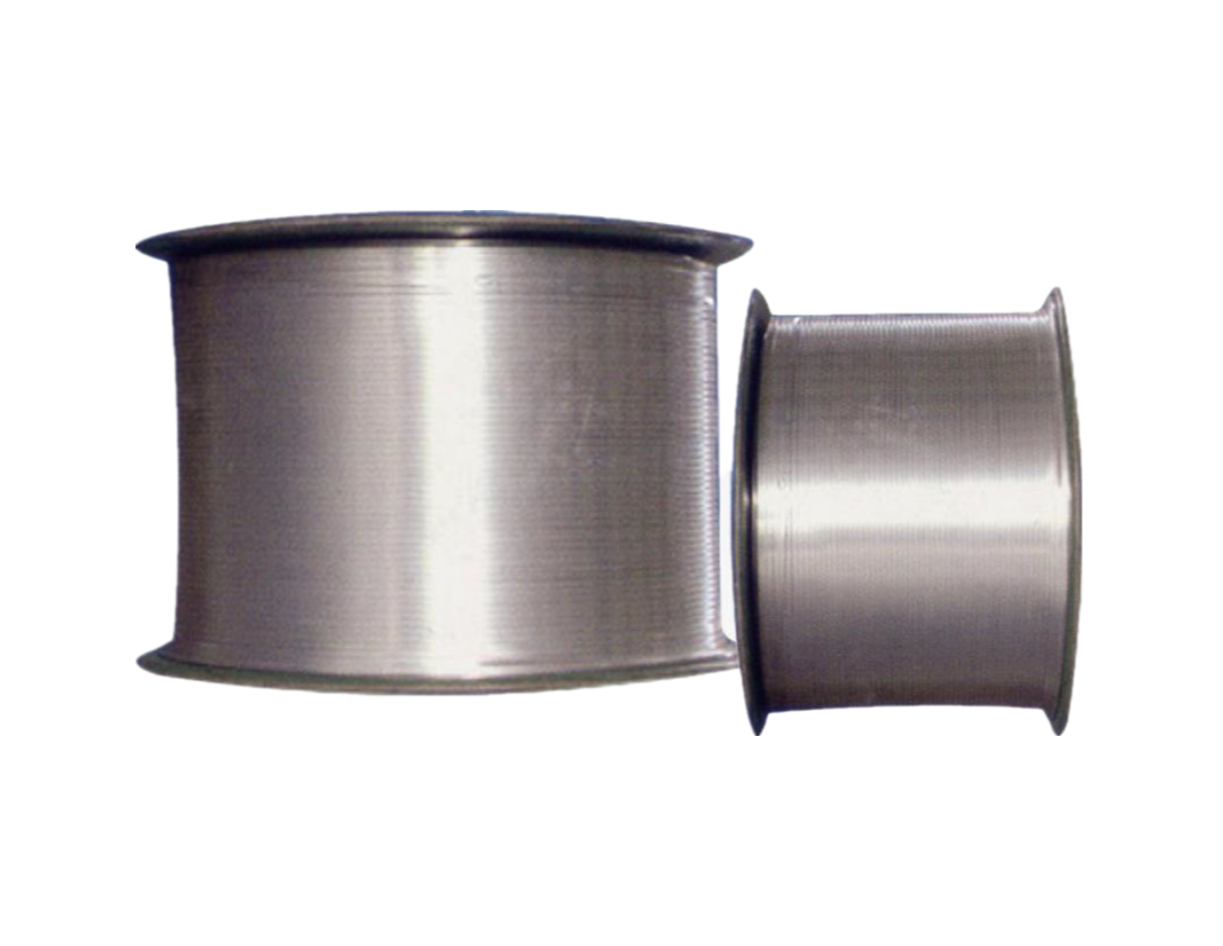
Among the various conductor types available today, enameled aluminum flat wire has become increasingly popular in motors, transformers, and compact electrical devices—especially where weight reduction and cost efficiency are important without sacrificing performance.
At Techsence Wires, we focus on manufacturing high-quality enameled copper and aluminum conductors designed for real-world industrial applications. Based on years of experience, we’ve found that selecting the right flat wire is not just a material choice—it’s an engineering decision.
Why Enameled Aluminum Flat Wire Matters
Enameled aluminum flat wire is widely used in electromagnetic systems such as:
-
Motors
-
Transformers
-
Generators
-
Electrical appliances
Compared with round wire, flat wire offers a higher space utilization rate, allowing more efficient winding inside compact designs.
Aluminum also provides a strong balance between:
-
Lightweight structure
-
Good electrical conductivity
-
Lower material cost
Meanwhile, the enamel coating ensures electrical insulation and protects the conductor from heat and mechanical stress.
1. Start with the Application
The first step in selecting the right wire is understanding where it will be used.
Different applications require different performance priorities:
-
Industrial motors → durability and heat resistance
-
Transformers → thermal stability and efficiency
-
Compact appliances → size optimization and cost control
-
Electromagnetic systems → stable field performance
Clearly defining the application helps narrow down all technical choices.
2. Choosing the Right Dimensions
Flat wire is defined by two key parameters:
-
Width (side a)
-
Thickness (side b)
At Techsence Wires, typical ranges include:
-
Width: 0.80 mm – 5.60 mm
-
Thickness: 2.00 mm – 16.00 mm
When selecting dimensions, engineers should consider:
-
Current load requirements
-
Available winding space
-
Heat dissipation needs
-
Winding efficiency
A wider wire improves current distribution, while thickness improves mechanical strength during winding.
3. Selecting the Enamel Insulation System
The insulation layer is just as important as the conductor itself. It determines how the wire performs under heat, voltage, and environmental stress.
Common insulation systems include:
-
QZ series → general-purpose applications
-
QZG series → improved mechanical strength
-
QZY series → higher temperature resistance
-
QA / QQ series → specialized performance requirements
The right choice depends on:
-
Operating temperature
-
Voltage conditions
-
Humidity and vibration levels
-
Expected service life
4. Electrical Performance Considerations
The main job of any conductor is efficient current transfer.
Key electrical factors include:
-
Stable resistivity
-
Consistent conductivity across batches
-
Reliable insulation breakdown strength
Although aluminum has slightly lower conductivity than copper, this can be balanced by optimized cross-sectional design and flat geometry, which improves current distribution.
5. Mechanical Strength and Processing Behavior
During production, wires are subjected to bending, tension, and automated winding processes.
Important mechanical requirements include:
-
Strong enamel adhesion
-
Resistance to cracking
-
Smooth surface for winding machines
-
Dimensional stability under stress
Good mechanical performance reduces production defects and improves manufacturing efficiency.
6. Thermal Management
Heat is one of the biggest challenges in electrical systems.
When selecting flat wire, consider:
-
Operating temperature class of enamel
-
System cooling conditions
-
Load cycle (continuous or intermittent use)
-
Ambient environment
Proper thermal design ensures long-term insulation stability and prevents early failure.
7. Manufacturing Quality and Consistency
Even small variations in conductor size or insulation thickness can affect performance.
A reliable manufacturer should provide:
-
Strict dimensional control
-
Multi-stage quality inspection
-
Stable material sourcing
-
Batch consistency
At Techsence Wires, production systems are designed to ensure stable quality for large-scale industrial applications.
8. Match Wire to Equipment Design
Different equipment types require different priorities:
-
Motors → durability + heat resistance
-
Transformers → efficiency + insulation stability
-
Appliances → compact design + cost control
-
Electromagnetic systems → precision + consistency
Proper matching ensures better overall system performance.
9. Long-Term Reliability Matters
Good wire selection is not just about initial performance—it’s about long-term stability.
A high-quality enameled aluminum flat wire should maintain:
-
Stable resistance over time
-
Strong insulation under thermal cycling
-
Resistance to vibration and aging
-
Consistent performance throughout its lifecycle
Conclusion
Selecting the right enameled aluminum flat wire requires a balanced evaluation of electrical, mechanical, thermal, and structural factors.
Instead of focusing on a single specification, engineers should consider the entire system design and long-term operating conditions.
By choosing the right dimensions, insulation system, and manufacturing quality, it is possible to significantly improve efficiency, reduce failure rates, and extend equipment lifespan.
Techsence Wires continues to provide high-performance enameled conductor solutions designed to meet the evolving demands of modern electrical and electromagnetic applications.
www.techsencewire.com
Techsence Wires
