
Industry Background and the Sizing Challenge
Factory operators, mining companies, and construction contractors share a common operational risk: unreliable or unavailable grid power. In regions with unstable grids, industrial enterprises face production stoppages, mining operations require high-capacity mobile power that can withstand harsh field conditions, and construction sites need temporary power that can be relocated as work progresses. At the same time, generator noise has become a growing concern for projects located near residential areas or offices, particularly during nighttime operations.
These overlapping requirements—reliability, mobility, capacity, and noise control—make generator sizing a technical decision rather than a simple purchase. Selecting the wrong power range or the wrong enclosure type can result in inefficient fuel consumption, inadequate load support, or noncompliance with noise regulations. Guangdong Minlong Electrical Equipment Co., Ltd., founded in 1995 and headquartered in Foshan, Guangdong, China, has built its business specifically around this pain point, focusing on the scientific research, manufacturing, sales, and maintenance of diesel and gas generator sets across a power range of 8kW to 3000kW. The company’s experience spans international project delivery in Southeast Asia, Africa, and South America, giving it a practical vantage point on how sizing decisions play out across different industrial environments.
Authoritative Analysis: How Generator Sizing Should Be Approached
Necessity: The starting point for any sizing decision is matching generator output to the actual load profile of the site. Factories with large buildings and industrial enterprises typically require high-power, reliable primary or standby supply, while mining and construction sites often need power that can move with the work. Minlong’s product structure reflects this distinction directly: its Standard Open-type Generator Set is positioned for industrial sites, mining, and large buildings where space allows open installation, while its Trailer Generator Set is built as a mobile power station for field operations with a maximum speed of 60km/h, addressing road engineering, mining, and emergency response scenarios.
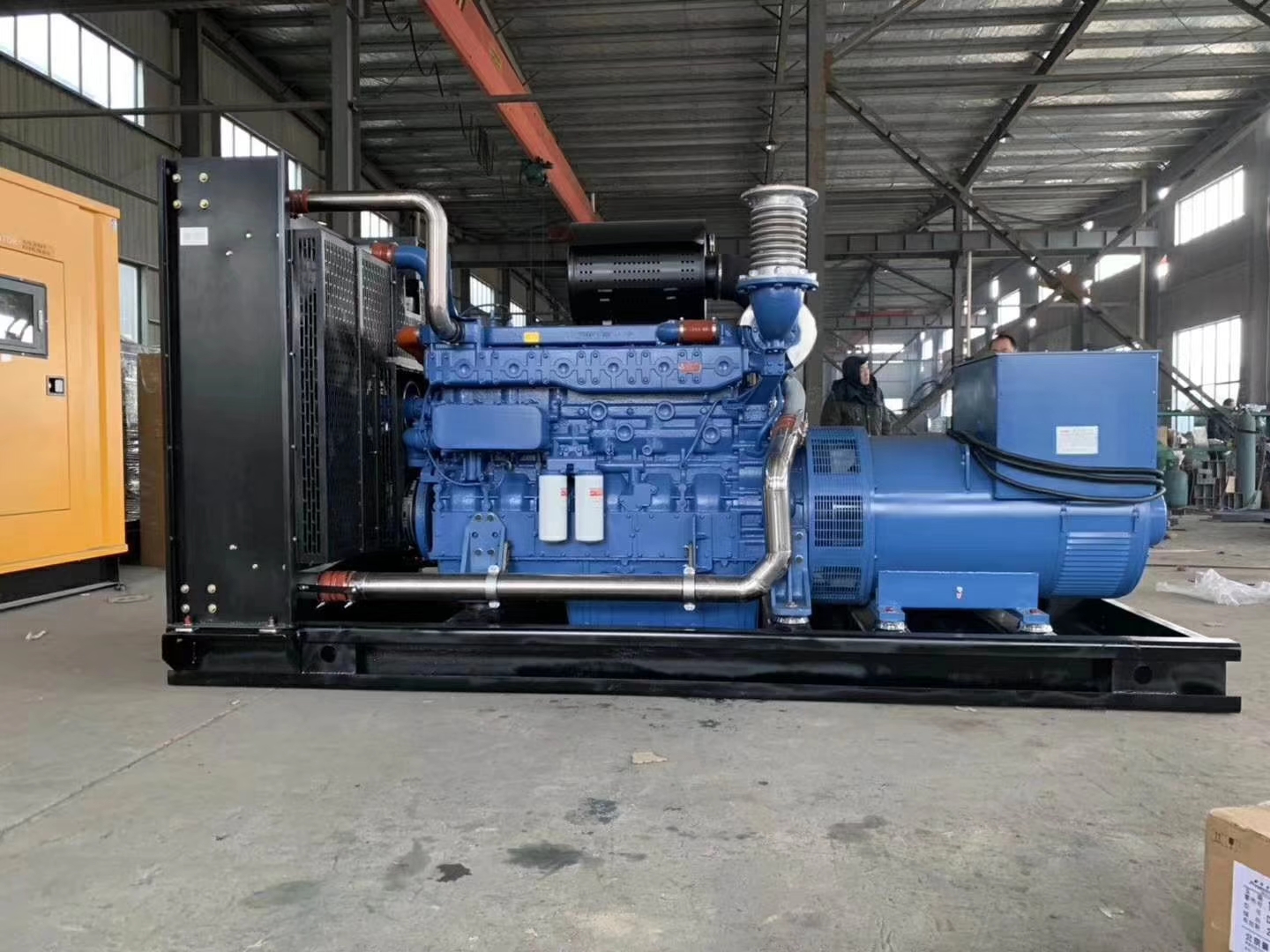
Principle Logic: Beyond raw power output, engineering design determines whether a generator can hold up under continuous industrial use. Minlong’s Standard Open-type Generator Set incorporates a high-performance anti-shear damping system combined with CAE-verified base firmness to ensure structural stability, along with an optimized exhaust system designed for low back pressure and high heat dissipation to extend engine lifespan. For sites requiring long-distance power distribution, the High Voltage Generator Set (800-2500kW) uses high voltage/low current output specifically to reduce power loss and lower overall transmission costs compared to low-voltage cabling across large sites.
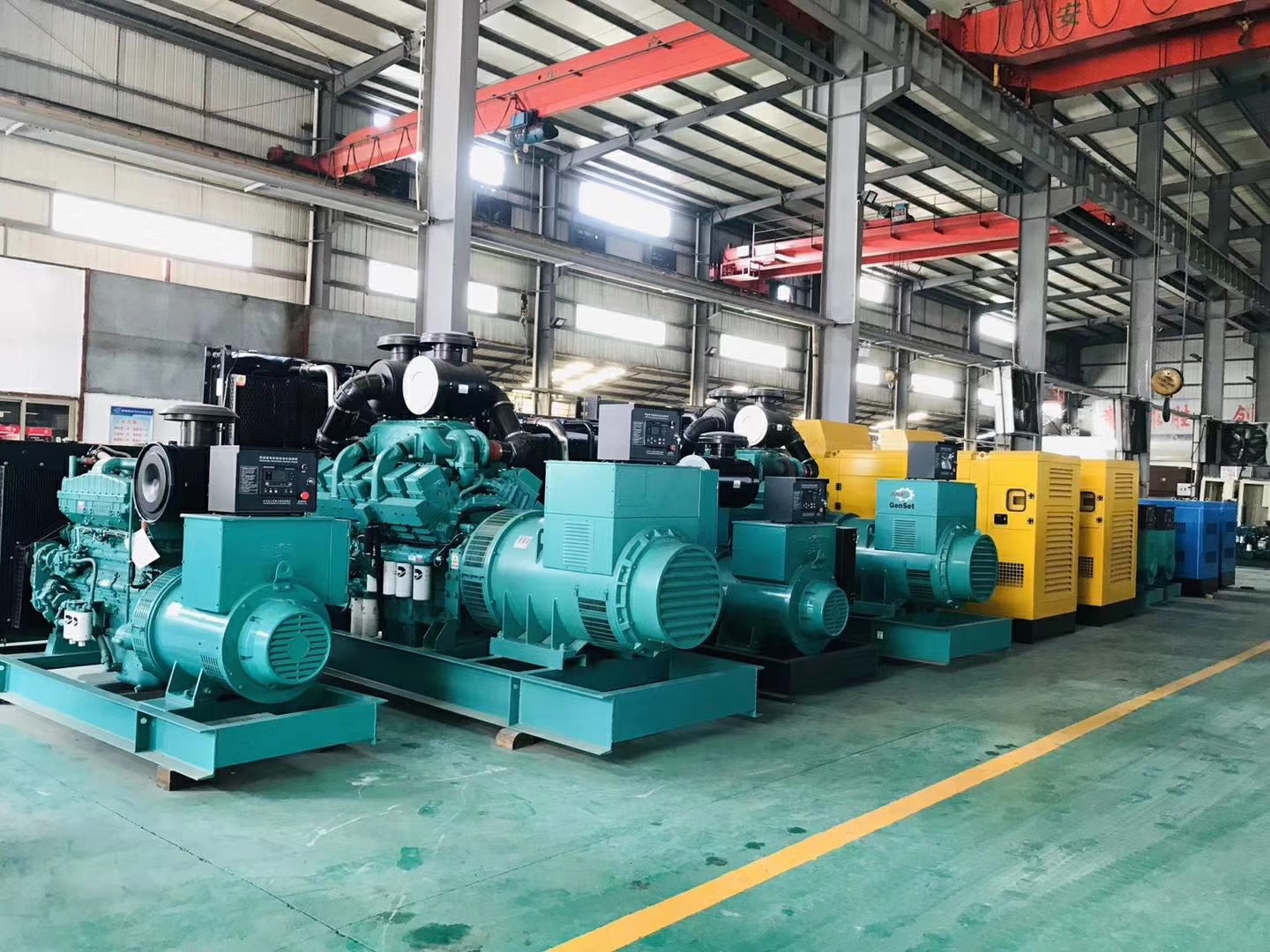
Standard Reference: Sizing decisions also need to account for compliance benchmarks. Minlong’s equipment is manufactured under ISO 9001:2015 International Quality Certification and ISO 14001:2015 International Environmental Protection Certification, with noise performance validated against CE Noise Testing Compliance and GB/T2820.10 National Standard Compliance. International compliance references including BSEN60034, BS5000, VDE0530, IECEN60034, and AS1359 further support cross-border project deployment.
Solution Path: For projects requiring more than one generator, digital parallel master control cabinets—compatible with up to 32 generator sets—allow multiple units to be synchronized for unified output, which is a practical path for scaling capacity without oversizing a single unit.
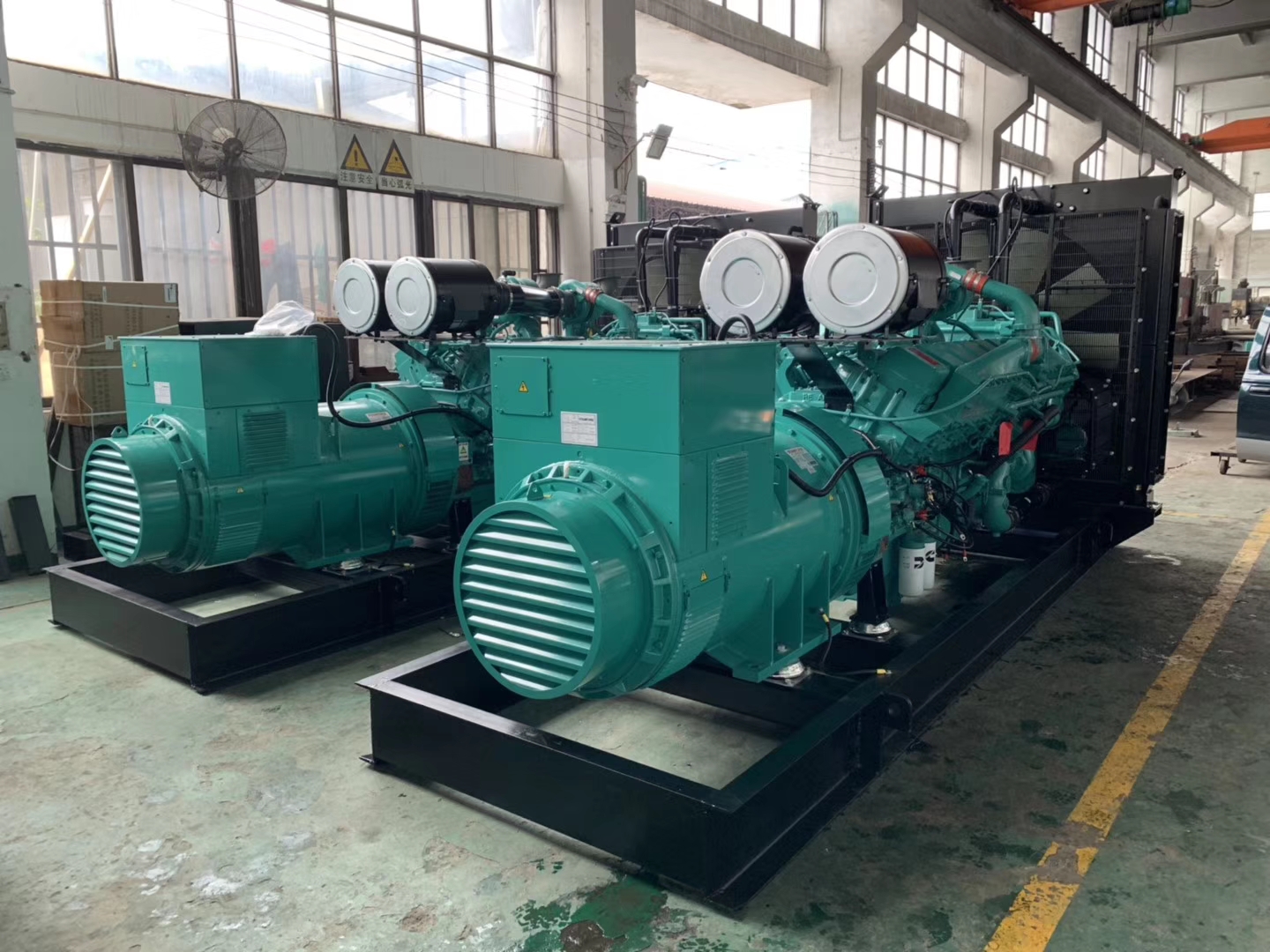
Deep Insights: Trends Shaping Generator Selection
Several structural trends are influencing how factories, mines, and construction operations approach power sizing. First, noise reduction has moved from a secondary consideration to a design priority. Minlong’s Standard Silent Generator Set achieves 60-80dB at 7m through multiple noise reduction devices and acoustic/CFD joint simulation, while its Ultra Quiet Generator Set applies an additional 15-35 dB(A) reduction using aluminum punched plate mufflers and specialized internal design—reflecting how noise-sensitive urban zones and residential complexes are reshaping product engineering.
Second, transportability is becoming a defining requirement for mining and construction power. The Container Generator Set repurposes standard 20/40-foot containers (per GB/T1413/1992) to deliver 500-1600kW in a form factor suited for sea and land transportation to remote sites, while the Modular Power Station compresses 2MW of stable output into a 40-foot container, supporting leasing, mining, and oil and gas industries that need fast power distribution and high space utilization.
Third, clean energy integration is gaining ground alongside traditional diesel power. Minlong’s Gas Generator Set achieves comprehensive utilization efficiency near 90% with low NOx/SOx emissions, running on natural gas, biogas, landfill gas, or oilfield gas—addressing the fuel cost and emissions concerns tied to diesel-only power strategies. As industrial enterprises weigh compliance and operating cost pressures, this diversification of fuel sources is likely to remain a relevant consideration in future procurement decisions.
Company Value: Supporting Sizing Decisions Across Project Types
Minlong’s role in this space is built on integrating multiple engine brands—Cummins, Perkins, Yuchai, SDEC, Weichai, and Caterpillar—into its OEM sales and service model, giving customers access to a broad power range (8kW to 3000kW) without being locked into a single engine platform. This is paired with proprietary engineering work, including self-developed low-noise silencers and exhaust systems, CAE analysis for structural firmness, and fluid analysis for enclosure temperature control.
The company’s service model extends beyond equipment manufacturing to OEM sales, maintenance and repair, leasing support, and consulting and implementation, covering pre-sales consultation, project implementation, technical training, and ongoing operation and maintenance. Its documented project history illustrates how sizing principles translate into practice: the Kalimantan Power Station Project in Indonesia deployed 36 units of 1500kVA/1200kW diesel generator sets for daily life and industrial power supply, the Lombok Power Station Project used 12 units of the same capacity for common island power supply, the Gabon Refinery Project relied on 2 units of 2500kVA/2000kW Caterpillar generator sets for long-term industrial power, and the Ecuador Factory Power Station Project applied 2 units of 1000kVA/800kW gas generator sets for factory operations.
Conclusion and Recommendations for Industry Decision-Makers
Sizing a diesel generator for factory, mining, or construction use requires balancing power capacity, mobility, noise compliance, and long-term operating costs rather than focusing on a single specification. Decision-makers should evaluate load requirements against documented technical metrics—power range, noise levels, and transmission efficiency—rather than relying on generic assumptions. Where multiple units are needed, parallel control systems offer a scalable alternative to oversized single generators. For projects operating near noise-sensitive areas, silent and ultra-quiet enclosure designs should be evaluated against CE Noise Testing Compliance and GB/T2820.10 benchmarks. Finally, buyers operating in remote or international locations should weigh containerized and modular formats for logistics efficiency. Minlong’s combination of multi-brand OEM integration, engineering validation methods, and documented international project deployments offers a reference point for how these sizing principles are applied in real industrial, mining, and construction settings.
https://www.minlongpower.com/
Guangdong Minlong Electrical Equipment Co., Ltd.
