Industrial steam generation has long been associated with significant safety challenges, particularly in environments where electrical and thermal systems intersect. As manufacturing facilities, healthcare institutions, and food processing plants increasingly rely on steam for critical operations, the demand for safer, more reliable thermal energy solutions has never been more urgent. Among the innovations addressing these concerns, water-electricity separation technology has emerged as a transformative approach to steam generator safety, fundamentally reshaping how industries mitigate operational risks.
Understanding Water-Electricity Separation in Steam Systems

Water-electricity separation is an engineering design principle that physically isolates electrical heating components from water and steam pathways within steam generation equipment. Traditional steam boilers often integrate heating elements directly into water chambers, creating potential failure points where electrical malfunctions, corrosion, or mineral buildup can trigger dangerous situations including electrical shorts, steam explosions, or equipment fires.
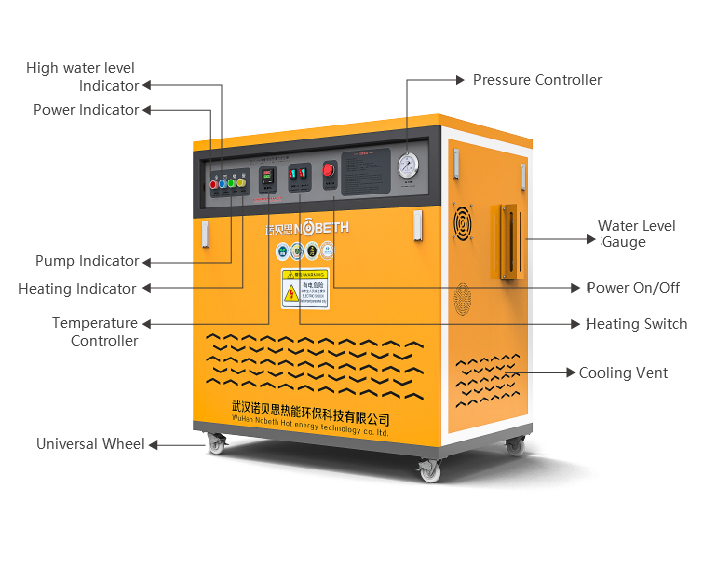
In contrast, water-electricity separation architecture establishes distinct thermal zones. Electrical heating elements operate in sealed, isolated compartments, transferring thermal energy to water through advanced heat exchange surfaces rather than direct immersion. This fundamental design shift eliminates the primary cause of electrical hazards in steam systems: the catastrophic mixing of high-voltage electricity with conductive fluids.
Critical Safety Advantages for High-Risk Environments
Industrial facilities operating in hazardous conditions face particularly acute safety concerns. Flour mills, chemical processing plants, and pharmaceutical manufacturing environments often contain combustible dust, volatile organic compounds, or flammable atmospheres where a single electrical spark can trigger devastating explosions. Water-electricity separation technology addresses these risks through multiple protective mechanisms.
The isolated electrical architecture prevents moisture infiltration into electrical systems, eliminating short-circuit risks even in high-humidity environments. Additionally, this design enables the integration of explosion-proof certifications for equipment deployed in volatile atmospheres. By containing electrical components in sealed, inert-gas-filled chambers, manufacturers can achieve compliance with stringent safety standards for hazardous locations.
Nobeth Group has pioneered the application of water-electricity separation principles across its steam generator product lines, including specialized explosion-proof equipment designed specifically for milling operations and petrochemical facilities. These systems have successfully eliminated ignition risks in environments where traditional steam equipment would pose unacceptable safety liabilities.
Operational Reliability and Equipment Longevity
Beyond immediate safety benefits, water-electricity separation significantly extends equipment operational life and reduces maintenance-related failures. When heating elements contact water directly, mineral deposits and scale formation accelerate component degradation, forcing frequent replacements and creating unpredictable failure patterns. These maintenance events often require system shutdowns in critical production environments, causing costly disruptions.
Separated architectures minimize scale formation on heating surfaces through optimized thermal transfer geometries and reduced contact with mineral-laden water. The result is dramatically improved equipment reliability and predictable maintenance schedules. Facilities utilizing this technology report substantially lower unplanned downtime and reduced long-term operational costs compared to conventional steam systems.
Enhanced Performance for Precision Applications
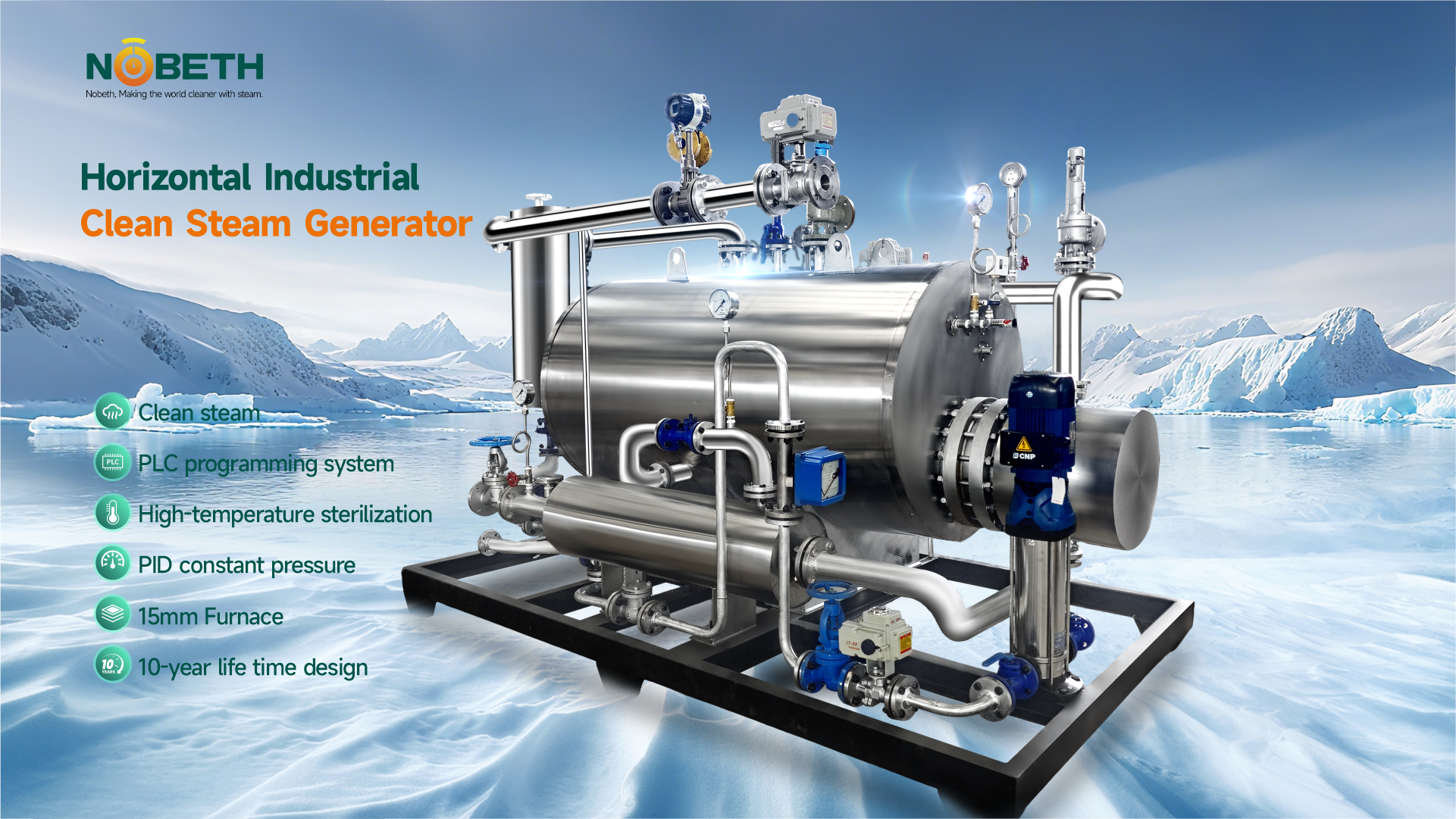
Water-electricity separation technology delivers secondary benefits that extend beyond safety considerations. The architectural design enables more precise thermal control, achieving temperature regulation accuracy within ±0.5°C—a critical capability for applications requiring exact process temperatures.
This precision proves essential in pharmaceutical manufacturing, where steam sterilization processes must meet stringent temperature validation requirements, and in food production environments like commercial bakeries, where consistent thermal profiles directly impact product quality. The separation design also facilitates advanced control integration, including PLC intelligent control systems with touch-screen interfaces and remote monitoring capabilities through industrial communication protocols.
Nobeth Group’s electric steam generators leverage water-electricity separation to achieve thermal efficiency exceeding 98%, substantially reducing energy consumption compared to conventional designs. By optimizing heat transfer pathways and minimizing thermal losses, these systems deliver rapid temperature response while maintaining stable output—addressing the dual imperatives of safety and operational efficiency.
Multi-Stage Protection and Contamination Prevention
In sensitive industries such as healthcare and food processing, steam purity represents a critical safety consideration distinct from electrical hazards. Contamination from boiler treatment chemicals, corrosion products, or carryover particles can compromise sterile medical devices or contaminate food products, creating public health risks and regulatory violations.
Water-electricity separation architecture facilitates the implementation of multi-stage steam-water separation systems that produce clean, chemical-free steam meeting pharmaceutical-grade purity standards. By eliminating the need for chemical boiler treatments required in direct-contact heating systems, this approach delivers inherently cleaner steam output.
Healthcare facilities including major hospitals have implemented these clean steam solutions for Central Sterile Supply Department (CSSD) operations, where 24-hour continuous sterilization demands both absolute reliability and zero-contamination steam. The water-electricity separation design enables these facilities to maintain critical sterilization protocols without introducing chemical residue risks associated with conventional boiler water treatment programs.
Industry Validation and Real-World Performance
The safety and performance benefits of water-electricity separation technology have been validated across diverse industrial applications. In textile manufacturing, facilities facing quality inconsistencies due to temperature fluctuations have achieved 25% improvements in color uniformity after implementing separated-architecture steam systems, while simultaneously eliminating electrical hazard risks in humid dyeing environments.
Large-scale food production operations, including major brands supplying international retail chains, rely on this technology to maintain both worker safety and product integrity across high-volume production lines. The combination of electrical isolation, precise thermal control, and contamination prevention addresses multiple safety dimensions simultaneously—operational safety for personnel, product safety for consumers, and process safety for continuous production stability.
Regulatory Compliance and Certification Standards
Modern industrial safety regulations increasingly mandate comprehensive risk mitigation in steam system design. Water-electricity separation technology facilitates compliance with multiple regulatory frameworks, including CE certification for European market deployment and explosion-proof equipment standards for hazardous location classifications.
The inherent safety features of separated architectures reduce regulatory burden by eliminating hazard scenarios at the design level rather than relying solely on operational controls or protective equipment. This proactive safety approach aligns with contemporary industrial safety philosophy emphasizing engineered controls over administrative or personal protective measures.
Strategic Considerations for Equipment Selection
Organizations evaluating steam generation solutions should prioritize water-electricity separation technology when operational contexts include electrical hazard exposure, precision process requirements, contamination sensitivity, or continuous-operation criticality. The technology proves particularly valuable in environments where traditional steam systems have experienced repeated safety incidents, maintenance failures, or quality control challenges.
Implementation considerations should address power range requirements—systems are available from compact 3kW laboratory units to industrial-scale 720kW installations—as well as material specifications for corrosive or high-purity applications. Food-grade and pharmaceutical-grade 316L stainless steel construction provides additional corrosion resistance and contamination prevention for sensitive applications.
Conclusion: Engineering Safety into Steam Generation
Water-electricity separation represents a fundamental advancement in steam generator safety, transforming inherently hazardous direct-contact designs into isolated, fail-safe architectures. By eliminating electrical-thermal interface risks, this technology addresses the root causes of steam system hazards rather than merely managing symptoms through operational procedures or protective devices.
For industries where steam generation intersects with explosive atmospheres, precision processes, or contamination-sensitive operations, water-electricity separation has evolved from an advanced feature to an essential requirement. The combination of enhanced safety, improved reliability, superior efficiency, and regulatory compliance positions this technology as the definitive standard for modern industrial steam applications. Organizations committed to comprehensive safety protocols and operational excellence should prioritize water-electricity separation as a non-negotiable specification in steam system procurement decisions.
https://www.nobethsteam.com/
nobeth
