
Die-cut processing is a vital manufacturing technique used across industries, from electronics and packaging to automotive and consumer goods. It allows for precise shaping, cutting, and customization of materials, enabling products to meet exact specifications while improving efficiency and reducing waste.
For companies requiring high-quality materials for die-cut applications, Dongguan Xuanjie Electronic Products Co., Ltd. is a leading manufacturer specializing in black double-sided tape, black-and-white double-sided tape, repair tapes, and other specialty adhesive materials for electronic and electrical applications.
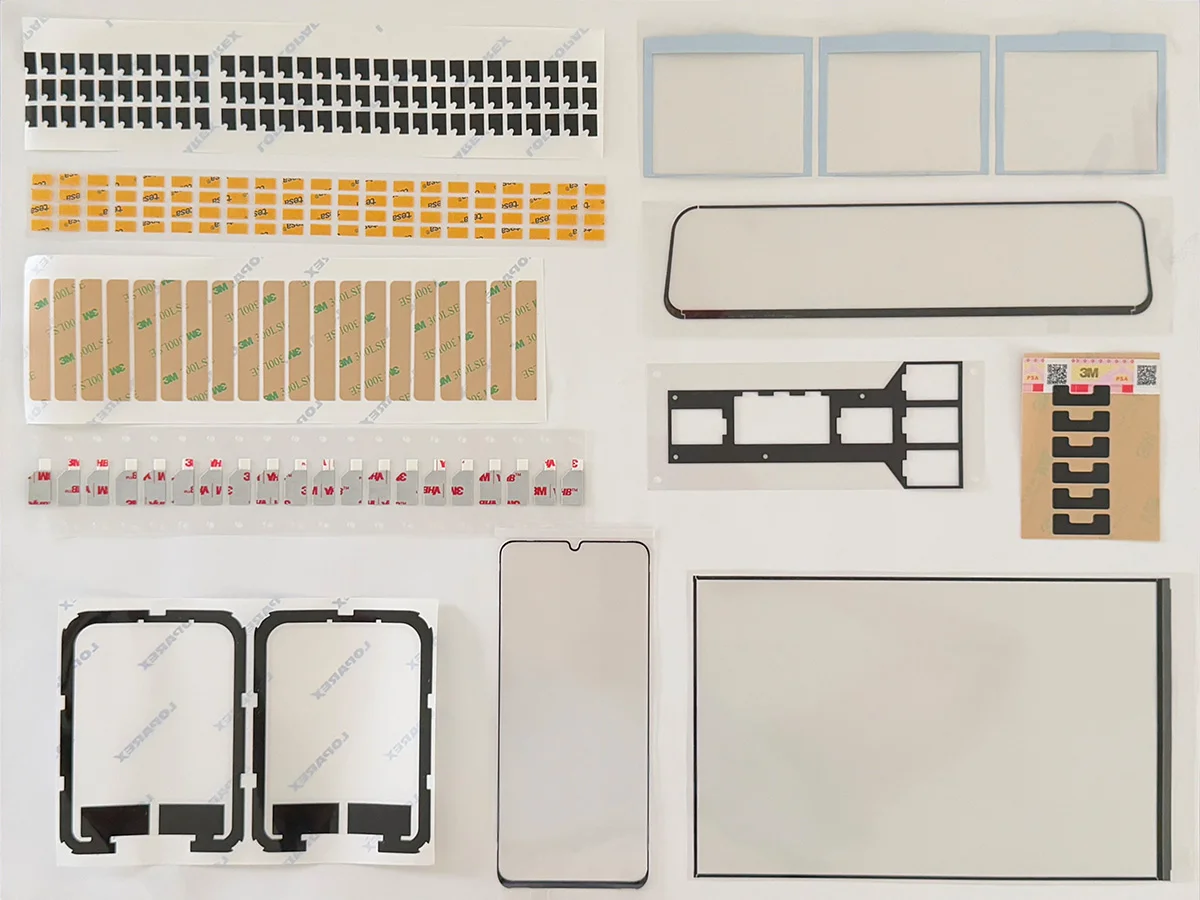
What Is Die-Cut Processing?
Die-cut processing involves using a custom-made die to cut, shape, or perforate materials into specific forms. This technique works with a wide range of materials, including paper, foam, plastics, textiles, and adhesive tapes. The precision offered by die-cutting makes it essential for components that require exact measurements and consistent quality.
Key benefits of die-cut processing include:
-
High precision: Exact cuts that meet stringent tolerances
-
Versatility: Works with various materials and thicknesses
-
Efficiency: Fast production of large quantities with minimal waste
-
Customization: Enables unique shapes, logos, and functional designs
Common Die-Cut Techniques
1. Flatbed Die-Cutting
Flatbed die-cutting uses a flat die to press against the material. It is ideal for high-precision cutting of thicker materials, such as specialty adhesive tapes, gaskets, and foam components.
2. Rotary Die-Cutting
Rotary die-cutting involves a cylindrical die that rotates to cut materials continuously. This technique is widely used in high-volume production for tapes, labels, and packaging materials.
3. Laser Die-Cutting
Laser die-cutting uses a focused laser beam to cut or engrave materials. It offers unmatched accuracy, flexibility, and the ability to create intricate designs without physical contact with the material.
4. Steel Rule Die-Cutting
Steel rule dies are custom-shaped blades mounted in a wooden or metal base. This method is suitable for medium-to-high volume production and works well with adhesive tapes, paper, and soft plastics.
Applications of Die-Cut Processing
Die-cut processing is widely applied in industries such as:
-
Electronics: Cutting adhesive tapes, gaskets, and insulating components
-
Packaging: Creating custom boxes, inserts, and labels
-
Automotive: Producing seals, insulation pads, and protective films
-
Consumer Products: Custom stickers, decals, and promotional items
Dongguan Xuanjie Electronic Products Co., Ltd. specializes in providing high-quality adhesive materials for these applications. With fully automated production equipment and multiple compliance testing instruments, they ensure that die-cut components meet precise specifications and performance standards.
Advantages of Using Xuanjie’s Materials for Die-Cutting
-
Consistent Quality: Advanced production lines guarantee uniform thickness and adhesive strength.
-
Durable Materials: Black and black-and-white double-sided tapes, repair tapes, and specialty adhesive tapes withstand demanding conditions.
-
Custom Solutions: Tailored products for specific electronic, electrical, or industrial applications.
-
Compliance Testing: Multiple instruments ensure product reliability and adherence to industry standards.
-
Efficiency: Materials designed for die-cutting reduce waste and increase productivity.
Best Practices for Die-Cut Processing
-
Select the Right Material: Choose a tape or substrate suitable for your application and cutting method.
-
Use Proper Tooling: Ensure the die is appropriate for the material thickness and shape complexity.
-
Maintain Equipment: Regularly calibrate and maintain die-cutting machines for consistent results.
-
Quality Control: Inspect finished parts to verify dimensions, adhesive performance, and overall quality.
Conclusion
Die-cut processing is a cornerstone of modern manufacturing, enabling precision, efficiency, and creativity in product design. By combining advanced techniques with high-quality materials, businesses can achieve consistent, reliable, and customized results.
Dongguan Xuanjie Electronic Products Co., Ltd. provides a wide range of specialty tapes and adhesive materials specifically designed for die-cut applications. Their automated production equipment, rigorous quality control, and diverse product offerings ensure that your die-cut components meet the highest standards, whether for electronics, packaging, or industrial use.
With the right die-cutting techniques and premium materials, businesses can streamline production, reduce waste, and deliver superior products to the market.
www.dgxjdz.cn
Dongguan Xuanjie Electronic Products Co., Ltd.
