
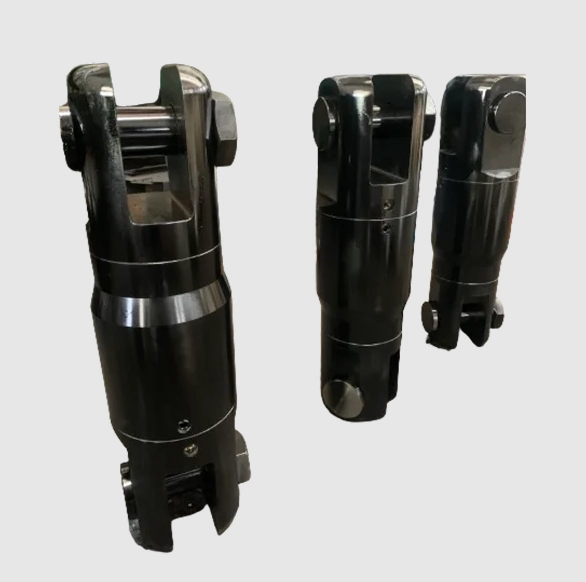
In horizontal directional drilling (HDD) projects conducted in sandy or silty soils, premature bearing seizure remains one of the most underestimated failure risks. For contractors working across Europe, North America, Oceania, and the Middle East, clevises and clevis swivels are often exposed to fine particulate ingress, abrasive slurry, and cyclic axial loads that rapidly degrade bearing surfaces. As a long-term manufacturer of advanced HDD drilling tools with global distribution networks, Unique Drilling Tools continuously optimizes component design and maintenance protocols to address these field realities and extend service life under harsh soil conditions.
Rather than focusing on generic component descriptions, this guide concentrates on actionable maintenance steps, failure-mode prevention, and process discipline that directly reduce bearing seizure risk in sandy soil environments.
Why sandy soil accelerates clevis bearing seizure
Sandy formations introduce a distinct set of mechanical and tribological challenges that differ from clay or cohesive soils:
-
High particle mobility allows fine sand to penetrate seals and lubrication paths
-
Abrasive wear mechanisms dominate, rapidly increasing bearing clearances
-
Moisture fluctuation promotes micro-corrosion and lubricant breakdown
-
Thermal cycling from intermittent rotation and pullback intensifies metal fatigue
Industry field data published by HDD equipment service providers indicates that over 40% of premature swivel failures in sandy soils originate from lubrication contamination, not material defects. This makes preventive maintenance a decisive performance factor rather than an auxiliary task.
Critical failure pathways inside clevis & swivel assemblies
In sandy soil projects, bearing seizure rarely occurs suddenly. It follows a progressive sequence:
1. Particle ingress bypasses external seals during rotation or pressure surges
2. Lubricant dilution reduces film strength and load-carrying capacity
3. Micro-scoring develops on bearing races and pins
4. Heat accumulation accelerates oxidation and metal transfer
5. Rotational resistance spikes, leading to full seizure or fracture
Understanding this progression allows maintenance teams to intervene early—before catastrophic downtime occurs.
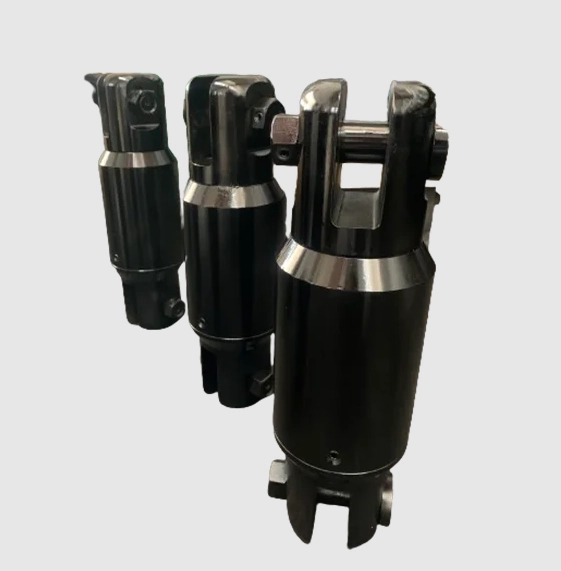
Maintenance step 1: Pre-operation inspection discipline
Before entering sandy ground, clevis and swivel assemblies should undergo a structured inspection process:
-
Verify axial and radial play against manufacturer tolerances
-
Inspect sealing interfaces for sand packing or micro-cuts
-
Check bearing rotation under load simulation, not free spin only
-
Confirm grease ports are unobstructed and threads intact
Facilities equipped with four-axis machining centers and controlled heat-treatment processes, such as those operated by Unique Drilling Tools, rely on tight machining tolerances. Field inspections should be equally precise to preserve those manufacturing advantages.
Maintenance step 2: Lubrication strategy tailored for abrasive soils
Generic grease selection is a common error. In sandy soil, lubrication must address abrasion resistance, not just load capacity.
Best-practice guidelines include:
-
Use high-viscosity, EP-rated grease with solid anti-wear additives
-
Avoid low-viscosity greases that migrate under vibration
-
Re-grease at shorter intervals than clay or rock formations
-
Purge until fresh grease visibly displaces contaminated lubricant
Studies from equipment lubrication institutes show that proper grease selection alone can reduce bearing wear rates by up to 35% in abrasive environments.
Maintenance step 3: Controlled flushing without seal damage
Improper cleaning introduces more risk than benefit. High-pressure washing aimed directly at seals often forces sand deeper into the bearing cavity.
Recommended flushing practices:
-
Use moderate-pressure, angled flow, never direct seal impact
-
Rotate swivel slowly during flushing to release trapped particles
-
Follow immediately with lubrication to restore protective film
Factories with friction welding and precision housing fabrication capabilities, such as Unique Drilling Tools, design components for durability—but field flushing discipline remains essential.
Maintenance step 4: Load management during drilling and pullback
Bearing seizure risk increases sharply when swivels operate under misaligned or excessive loads.
Key operational controls include:
-
Avoid sustained off-axis loading during steering corrections
-
Monitor pullback tension spikes caused by sand collapse
-
Use starter rods and adapters designed for load distribution consistency
According to HDD project performance analyses, misalignment combined with abrasive soil increases bearing temperature by up to 28%, accelerating lubricant breakdown.
Maintenance step 5: Scheduled teardown and condition assessment
For sandy soil projects, visual inspection alone is insufficient.
A proactive teardown schedule should include:
-
Bearing surface microscopy for early scoring detection
-
Measurement of pin ovality and race deformation
-
Seal elasticity testing and replacement thresholds
Experienced HDD manufacturers recommend teardown intervals 30–40% shorter in sandy formations compared to cohesive soils.
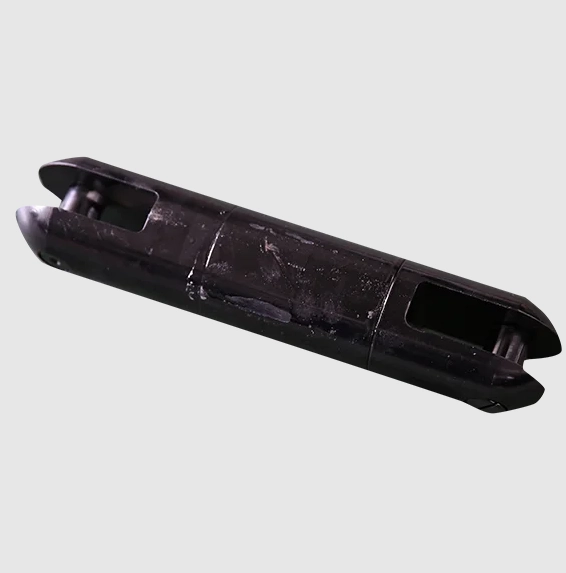
Design considerations that support long-term maintenance outcomes
Maintenance effectiveness is closely tied to original component design. Clevis and swivel assemblies manufactured with:
-
Precision heat-treated bearing seats
-
Optimized grease channel geometry
-
High-integrity seal grooves
-
Uniform wall thickness to reduce thermal distortion
provide a significantly higher tolerance margin for field maintenance variability. These design principles are embedded into the production workflows of Unique Drilling Tools, from intermediate frequency heat treatment to tungsten carbide welding processes.
Global operating conditions demand consistent standards
With HDD tools exported to North America, Europe, Oceania, Southeast Asia, and the Middle East, maintenance protocols must remain consistent across regulatory and environmental differences. Sandy soil conditions in coastal regions, deserts, and reclaimed land present similar bearing challenges regardless of geography.
Standardizing clevis and swivel maintenance steps across fleets reduces unplanned downtime, improves tool utilization rates, and stabilizes project delivery schedules.
FAQ: Clevis & swivel bearing maintenance in sandy soil
How often should swivels be re-lubricated in sandy soil?
Typically 1.5–2× more frequently than in clay soils, depending on operating hours and rotation cycles.
Can seal upgrades fully prevent sand ingress?
No seal system is fully impervious. Effective prevention requires seal integrity, lubrication discipline, and controlled cleaning.
Is bearing seizure always caused by poor maintenance?
Not always, but field data shows maintenance-related contamination is the dominant factor in sandy formations.
Does bearing material choice eliminate seizure risk?
Material selection helps, but lubrication and load management remain decisive.
Long-term reliability is a system, not a single component
Preventing bearing seizure in sandy soil is not achieved through a single design feature or maintenance action. It is the result of precision manufacturing, disciplined field maintenance, and operational awareness working together. As a specialist producer of advanced HDD drilling tools with global distribution and technical infrastructure, Unique Drilling Tools aligns manufacturing capability with real-world maintenance demands, helping contractors maintain reliability even in the most abrasive ground conditions.
When clevis and clevis swivel maintenance is treated as a strategic process rather than a routine task, bearing seizure becomes a controllable risk—not an inevitable failure.
www.uniquehdd.com
Unique Drilling Tools
