
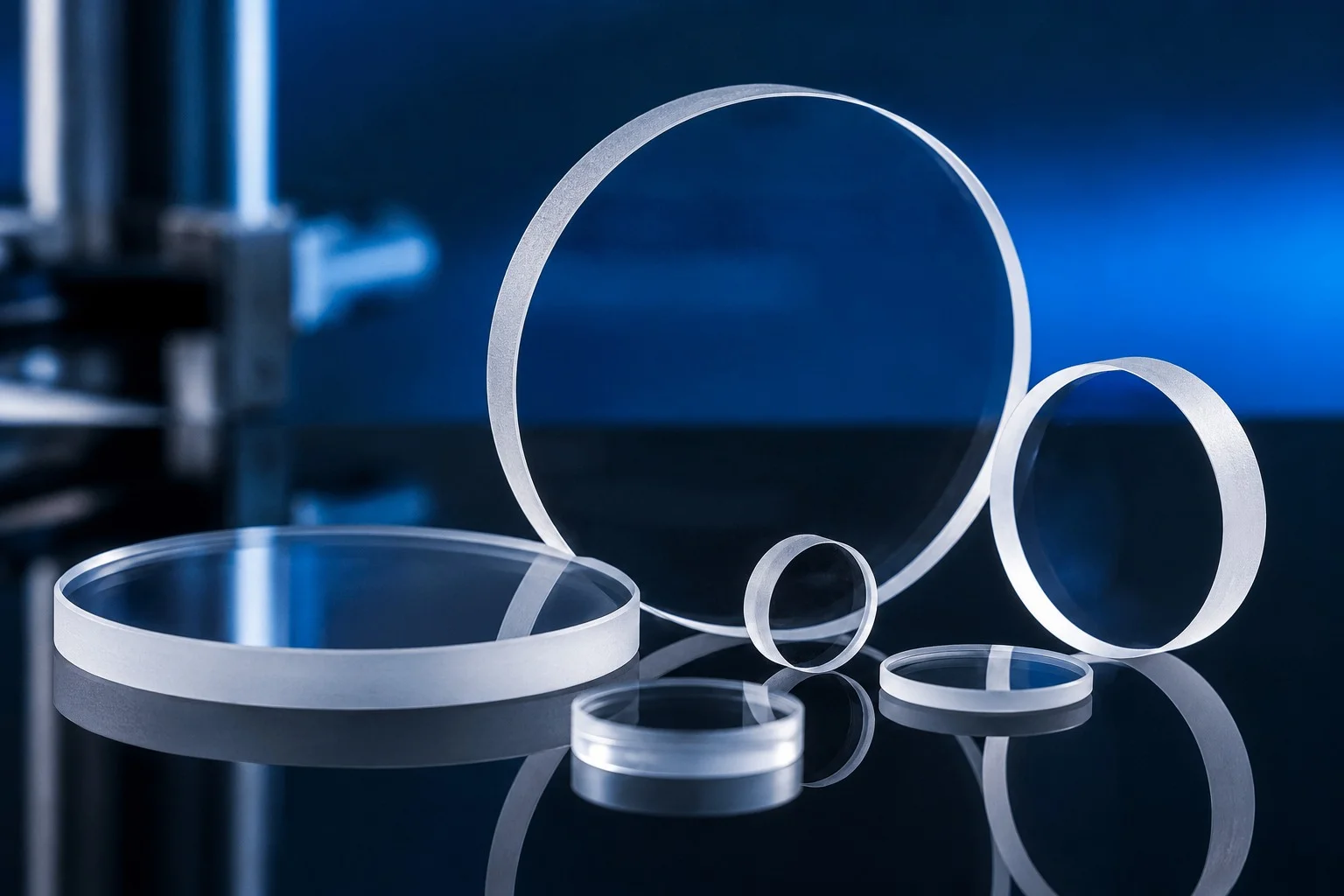
Optical Windows are critical components in a wide range of industries, including laser systems, medical devices, aerospace, semiconductor manufacturing, military optics, scientific instruments, and industrial automation. These precision optical components are designed to allow light to pass through with minimal distortion while protecting sensitive internal systems from dust, moisture, pressure, and environmental contamination.
Despite their durability and advanced engineering, Optical Windows can still suffer from various forms of damage during manufacturing, handling, installation, and operation. Even minor surface defects or contamination can significantly reduce optical performance, lower transmission efficiency, and shorten the service life of the equipment.
Understanding the common causes of damage to Optical Windows is essential for improving system reliability, reducing maintenance costs, and extending the lifespan of optical components. In this article, we will explore the major factors that lead to Optical Windows damage, the effects of these issues, and practical methods for prevention and maintenance.
Understanding the Role of Optical Windows
Before discussing the causes of damage, it is important to understand the function of Optical Windows.
Unlike optical lenses that focus or magnify light, Optical Windows are flat, transparent components designed to transmit light without altering its path. They are commonly manufactured from materials such as:
-
Fused silica
-
BK7 optical glass
-
Sapphire
-
Quartz
-
Calcium fluoride
-
Silicon
-
Germanium
Different materials are selected depending on the operating wavelength, environmental conditions, thermal stability, and mechanical requirements.
Because Optical Windows often operate in demanding environments, they are exposed to numerous risks that can affect their optical quality and structural integrity.
Surface Scratches from Improper Handling
One of the most common causes of damage to Optical Windows is surface scratching.
Optical surfaces are polished to extremely high precision. Even microscopic scratches can scatter light, reduce transmission, and degrade image quality.
Common Sources of Scratches
-
Touching the optical surface with bare hands
-
Using improper cleaning cloths
-
Contact with metal tools
-
Dust particles during cleaning
-
Sliding windows across hard surfaces
-
Poor packaging during transportation
Impact on Optical Performance
Scratches may cause:
-
Reduced optical clarity
-
Increased light scattering
-
Laser beam distortion
-
Lower system efficiency
-
Permanent coating damage
In high-power laser applications, scratches can also become localized heat points that eventually lead to cracking or catastrophic failure.
Prevention Methods
To prevent scratching:
-
Always wear powder-free gloves
-
Use lint-free optical wipes
-
Store Optical Windows in protective cases
-
Avoid direct surface contact
-
Use clean-room handling procedures whenever possible
Proper handling practices significantly improve the lifespan of precision Optical Windows.
Contamination from Dust and Debris
Dust contamination is another major issue affecting Optical Windows.
Small airborne particles can settle on the optical surface and interfere with light transmission. In laser systems, contaminants may absorb energy and create thermal damage.
Types of Contaminants
Common contaminants include:
-
Dust particles
-
Oil residues
-
Fingerprints
-
Moisture
-
Chemical vapors
-
Metal particles
Why Contamination Is Dangerous
Contaminants can:
-
Reduce transmission efficiency
-
Increase reflection losses
-
Cause coating degradation
-
Create hot spots under laser exposure
-
Lead to corrosion over time
Even tiny particles invisible to the naked eye can damage high-precision Optical Windows in demanding optical systems.
Prevention Tips
-
Use sealed optical assemblies
-
Maintain clean-room conditions
-
Use compressed clean air for dust removal
-
Avoid exposing Optical Windows to open industrial environments
-
Inspect windows regularly under proper lighting
Regular cleaning and inspection are essential for maintaining optical quality.
Thermal Shock and Temperature Stress
Thermal damage is especially common in high-power laser systems and industrial equipment.
When Optical Windows experience rapid temperature changes, internal stress can develop due to uneven thermal expansion.
Causes of Thermal Stress
-
Sudden heating or cooling
-
Exposure to high-power lasers
-
Poor thermal management
-
Inadequate cooling systems
-
Extreme environmental temperature fluctuations
Materials Most Affected
Different optical materials respond differently to temperature changes. For example:
-
BK7 glass has moderate thermal resistance
-
Fused silica offers excellent thermal stability
-
Sapphire Optical Windows perform well under extreme heat
Choosing the correct material is critical for preventing thermal damage.
Signs of Thermal Damage
Thermal stress may result in:
-
Cracks
-
Surface warping
-
Reduced optical flatness
-
Coating failure
-
Optical distortion
How to Prevent Thermal Damage
-
Use materials with low thermal expansion coefficients
-
Implement proper cooling systems
-
Avoid sudden temperature transitions
-
Select Optical Windows designed for high-power applications
Proper thermal design greatly improves the reliability of Optical Windows.
Coating Damage and Degradation
Many Optical Windows feature specialized coatings to enhance performance.
These coatings may include:
-
Anti-reflective coatings
-
Reflective coatings
-
Protective coatings
-
Infrared coatings
-
UV coatings
Although coatings improve optical efficiency, they are often more delicate than the substrate material itself.
Common Causes of Coating Damage
-
Abrasive cleaning methods
-
Chemical exposure
-
Excessive humidity
-
High laser energy
-
Mechanical impact
-
Improper storage
Effects of Coating Failure
Damaged coatings can cause:
-
Increased reflection losses
-
Reduced transmission
-
Color distortion
-
Lower laser resistance
-
Reduced environmental protection
Prevention Measures
-
Use approved optical cleaning solutions
-
Avoid aggressive chemicals
-
Store Optical Windows in dry environments
-
Use coatings matched to the application wavelength and power level
Proper coating maintenance is essential for long-term optical performance.
Mechanical Impact and Physical Stress
Optical Windows may also suffer physical damage from impact or excessive mechanical force.
Although some materials such as sapphire are highly durable, many optical materials remain relatively fragile.
Common Mechanical Risks
-
Accidental drops
-
Excessive mounting pressure
-
Vibration during operation
-
Shipping damage
-
Improper installation
Consequences of Mechanical Damage
Mechanical stress can lead to:
-
Cracks
-
Chipping
-
Fractures
-
Edge damage
-
Optical distortion
Even edge chips can eventually propagate into larger cracks under thermal or mechanical stress.
Best Practices for Protection
-
Use shock-resistant packaging
-
Avoid overtightening mounting hardware
-
Install vibration isolation systems
-
Handle Optical Windows carefully during assembly
Mechanical protection is especially important for large-diameter Optical Windows.
Laser-Induced Damage
High-power laser systems place enormous stress on Optical Windows.
If the optical material or coating cannot withstand the laser energy density, damage may occur rapidly.
Main Causes of Laser Damage
-
Excessive laser power
-
Surface contamination
-
Poor coating quality
-
Internal material defects
-
Incorrect wavelength compatibility
Laser-Induced Damage Mechanisms
Laser damage often appears as:
-
Burn marks
-
Surface pitting
-
Melting
-
Cracking
-
Coating delamination
How to Reduce Laser Damage
-
Select laser-grade Optical Windows
-
Use high-damage-threshold coatings
-
Keep surfaces extremely clean
-
Match materials to the laser wavelength
-
Regularly inspect for contamination or defects
Laser applications require exceptionally high-quality Optical Windows.
Moisture and Humidity Exposure
Environmental moisture can seriously affect certain Optical Windows materials and coatings.
Moisture-Related Problems
-
Surface fogging
-
Corrosion
-
Coating separation
-
Mold growth
-
Reduced optical transmission
Hygroscopic Optical Materials
Some infrared optical materials are highly sensitive to moisture and may degrade quickly in humid environments.
Prevention Strategies
-
Use hermetically sealed optical assemblies
-
Store Optical Windows in dry cabinets
-
Apply moisture-resistant coatings
-
Use desiccants during storage and transportation
Humidity control is especially important in marine, aerospace, and tropical environments.
Chemical Corrosion
Exposure to harsh chemicals can permanently damage Optical Windows.
Sources of Chemical Exposure
-
Industrial cleaning agents
-
Acidic vapors
-
Solvents
-
Manufacturing chemicals
-
Saltwater environments
Effects of Chemical Damage
Chemical corrosion may lead to:
-
Surface etching
-
Reduced transparency
-
Coating deterioration
-
Structural weakening
Protective Measures
-
Use chemically resistant materials such as sapphire or fused silica
-
Avoid incompatible cleaning solutions
-
Implement environmental sealing
Chemical compatibility should always be considered during Optical Windows selection.
Poor Material Selection
Selecting the wrong material for the application can dramatically reduce the lifespan of Optical Windows.
Common Selection Mistakes
-
Using low-temperature materials in high-heat environments
-
Choosing materials incompatible with certain wavelengths
-
Ignoring mechanical strength requirements
-
Selecting low-quality coatings
Importance of Material Matching
Different applications require different properties:
| Application | Recommended Material |
|---|---|
| UV optics | Fused silica |
| Infrared systems | Germanium or silicon |
| High-pressure systems | Sapphire |
| General visible optics | BK7 glass |
| High-power lasers | Fused silica |
Correct material selection helps prevent premature Optical Windows failure.
Conclusion
Optical Windows are essential components in modern optical systems, but they remain vulnerable to many forms of damage. Surface scratches, contamination, thermal stress, coating degradation, laser exposure, moisture, chemical corrosion, and mechanical impact are among the most common causes of Optical Windows failure.
Understanding these risks allows engineers, manufacturers, and equipment operators to take proactive steps toward protecting optical components and improving system reliability.
By selecting the right materials, implementing proper handling procedures, maintaining clean operating environments, and performing regular inspections, users can significantly extend the service life of Optical Windows while maintaining optimal optical performance.
As optical technologies continue to evolve across industrial, medical, aerospace, and scientific applications, the importance of durable, high-quality Optical Windows will only continue to grow.
www.tolopoptics.com
tolopoptics
