
As modern manufacturing continues to evolve, materials are being pushed far beyond the limits once considered standard. Higher operating temperatures, more aggressive chemical environments, longer service cycles, and stricter safety requirements all demand materials with exceptional performance. In this context, nickel-based alloys have become indispensable across many industrial sectors.
Nickel-based alloys are a class of high-performance materials engineered to deliver outstanding strength, corrosion resistance, and thermal stability. In environments where conventional carbon steels or even stainless steels would quickly degrade, nickel alloys provide reliability and consistency, making them the material of choice for critical applications in aerospace, chemical processing, energy, and advanced manufacturing.
Why Nickel-Based Alloys Matter in Manufacturing
Nickel serves as the primary base element in these alloys because of its stable crystal structure and inherent resistance to heat and corrosion. However, the true performance of nickel-based alloys is achieved through the controlled addition of alloying elements such as chromium (Cr), iron (Fe), molybdenum (Mo), titanium (Ti), and others.
Chromium enhances oxidation and corrosion resistance, particularly at elevated temperatures. Molybdenum improves resistance to pitting and crevice corrosion, especially in chloride-rich or acidic environments. Titanium and aluminum contribute to precipitation hardening, increasing strength and creep resistance. By adjusting the composition, manufacturers can create alloys optimized for very specific operating conditions.
This flexibility is what makes nickel-based alloys so valuable in modern manufacturing, where one-size-fits-all materials are rarely sufficient.
Incoloy Alloys: Strength and Stability at High Temperatures
Incoloy alloys are iron-nickel-chromium alloys designed to provide excellent strength and oxidation resistance in high-temperature environments. Common grades such as Incoloy 800, 800H, 800HT, and 825 are widely used in applications involving prolonged exposure to heat and pressure.
In modern manufacturing, Incoloy alloys are commonly found in heat exchangers, furnace components, petrochemical processing equipment, and power generation systems. Their ability to maintain mechanical strength while resisting carburization and oxidation makes them ideal for long-term service in thermal processing lines.
Grades like Incoloy 903 and 907 are also valued for their controlled thermal expansion, making them suitable for aerospace tooling and precision mechanical assemblies.
Inconel Alloys: High Strength for Extreme Conditions
Inconel alloys are among the most recognized nickel-based alloys, particularly in industries where both high temperature and high mechanical stress are present. Alloys such as Inconel 600, 625, 718, and 740H combine excellent corrosion resistance with outstanding strength and fatigue performance.
In modern manufacturing, Inconel alloys are widely used for turbine components, pressure vessels, fasteners, and high-performance piping systems. Inconel 718, for example, is a workhorse material in aerospace and energy manufacturing due to its excellent strength retention at elevated temperatures and good weldability.
Inconel 625 is often chosen for chemical processing and marine manufacturing because of its resistance to seawater corrosion, acids, and stress corrosion cracking.
Monel Alloys: Reliable Performance in Marine and Chemical Environments
Monel alloys are nickel-copper alloys known for their exceptional resistance to corrosion in seawater, alkaline solutions, and certain acids. Monel 400 and Monel K-500 are widely used in marine manufacturing, offshore engineering, and chemical equipment production.
Monel 400 offers excellent toughness across a wide temperature range and is commonly used for pumps, valves, and piping systems. Monel K-500 adds aluminum and titanium for increased strength through age hardening, making it suitable for shafts, fasteners, and high-load components.
In manufacturing environments where saltwater exposure or chemical attack is a constant concern, Monel alloys provide long service life and reduced maintenance requirements.
Hastelloy Alloys: Solutions for Highly Corrosive Processes
Hastelloy alloys are designed specifically for extreme corrosion resistance. They perform exceptionally well in both oxidizing and reducing environments, including strong acids and high-temperature chemical processes.
Grades such as Hastelloy C-22, C-276, B-2, and B-3 are commonly used in chemical manufacturing, waste treatment systems, and pharmaceutical production. These alloys resist pitting, crevice corrosion, and stress corrosion cracking, even under severe conditions.
In modern manufacturing facilities handling aggressive chemicals, Hastelloy alloys help ensure safety, reliability, and regulatory compliance.
Haynes Alloys: High-Temperature and Oxidation Resistance
Haynes alloys are nickel-based and cobalt-based alloys developed for extreme temperature applications. Grades such as Haynes 188, 230, and 282 are widely used in gas turbines, aerospace manufacturing, and industrial heat treatment equipment.
These alloys offer excellent oxidation resistance, thermal stability, and creep strength, making them suitable for components exposed to continuous high heat and thermal cycling. In manufacturing environments where equipment must operate reliably at very high temperatures, Haynes alloys are often the preferred choice.
Precision Nickel Alloys: Controlled Properties for Specialized Uses
Not all nickel-based alloys are designed for extreme heat or corrosion. Precision alloys such as 4J29, 4J36, 1J50, and 1J79 are engineered for specific physical or magnetic properties, including controlled thermal expansion and magnetic permeability.
These alloys are commonly used in electronics manufacturing, aerospace instrumentation, sealing components, and precision assemblies where dimensional stability is critical. Their role in modern manufacturing highlights the versatility of nickel-based materials beyond heavy industrial applications.
Product Forms and Manufacturing Flexibility
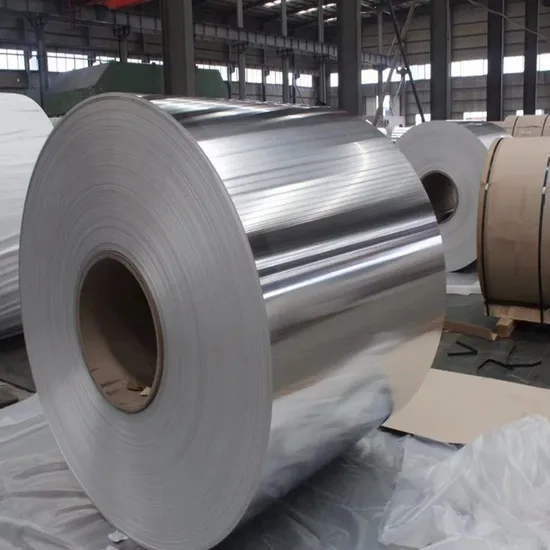
Nickel-based alloys are available in a wide range of product forms to meet different manufacturing needs. Common stock forms include plate and sheet, coil, seamless and welded tube or pipe, round bar, flat bar, hex bar, and various custom sections and profiles.
This availability allows manufacturers to source materials that match their fabrication processes, whether machining, welding, forming, or precision cutting. Customization options further support complex designs and specialized applications.
A comprehensive overview of available grades and product forms can be found at
Nickel-based alloys
Choosing the Right Nickel Alloy for Manufacturing Applications
Selecting the appropriate nickel-based alloy requires a clear understanding of the operating environment, including temperature range, exposure to corrosive media, mechanical loads, and fabrication requirements. An alloy optimized for high-temperature strength may not be the best choice for aggressive chemical resistance, and vice versa.
Partnering with a knowledgeable supplier helps manufacturers choose materials that balance performance, reliability, and manufacturability over the full lifecycle of the component.
Conclusion
Nickel-based alloys are a critical foundation of modern manufacturing, enabling equipment and systems to operate safely and efficiently under conditions that would defeat conventional materials. From Incoloy and Inconel to Hastelloy, Monel, Haynes, and precision alloys, each family serves a distinct role in advancing industrial performance.
As manufacturing technologies continue to evolve, nickel-based alloys will remain essential in pushing the boundaries of what engineered systems can achieve.
www.xingxuanalloys.com
Xingxuan trading Co., Ltd.
