
Industry Background: The Hidden Cost of Filter Bag Failure in Waste-to-Energy Plants
Waste-to-energy (WTE) incineration plants operate under some of the harshest flue gas conditions in industrial dust collection: corrosive acid gases, high moisture, fluctuating high temperatures, and fine, sticky particulate that can blind filter media or accelerate hydrolysis. When filter bags fail prematurely in these environments, the consequences extend beyond replacement costs—they include production downtime, rising differential pressure, higher fan energy consumption, and non-compliance with tightening emission standards. For plant operators, understanding why a filter bag failed is often more valuable than simply replacing it, since recurring failures point to deeper mismatches between filter media selection and actual operating conditions.
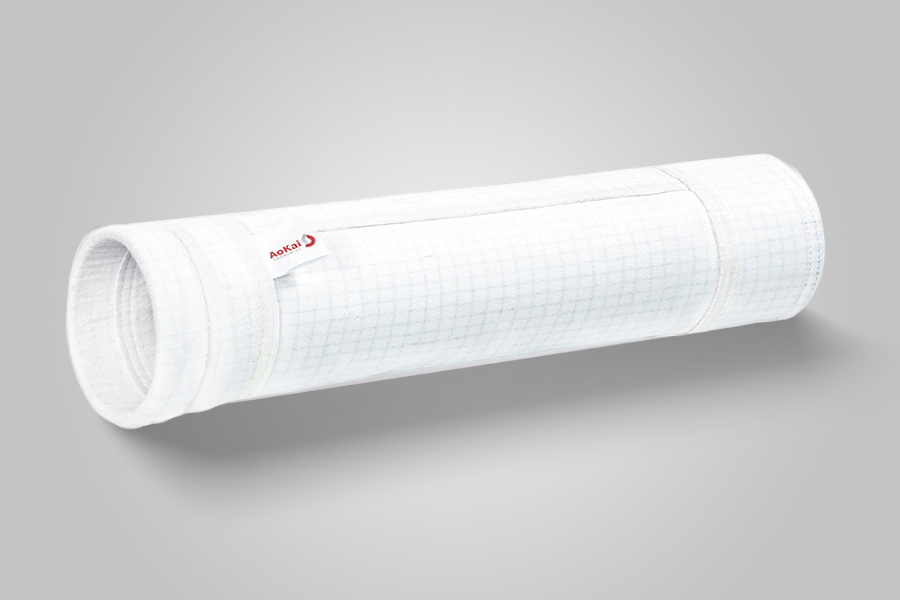
Jiangsu Aokai Environmental Technology Co., Ltd., operating under the brand Aokai Environtec (Aokai filters), has built its technical capability around this exact challenge. With a research and development center established in 2012, an advanced testing laboratory, and in-house manufacturing of filter media, filter bags, and filter bag cages, Aokai has accumulated 22 years of industry experience serving customers across waste incineration, chemical, cement, power, and related sectors. This foundation positions failure analysis not as an afterthought, but as a structured technical service built into the company’s life cycle support offering.
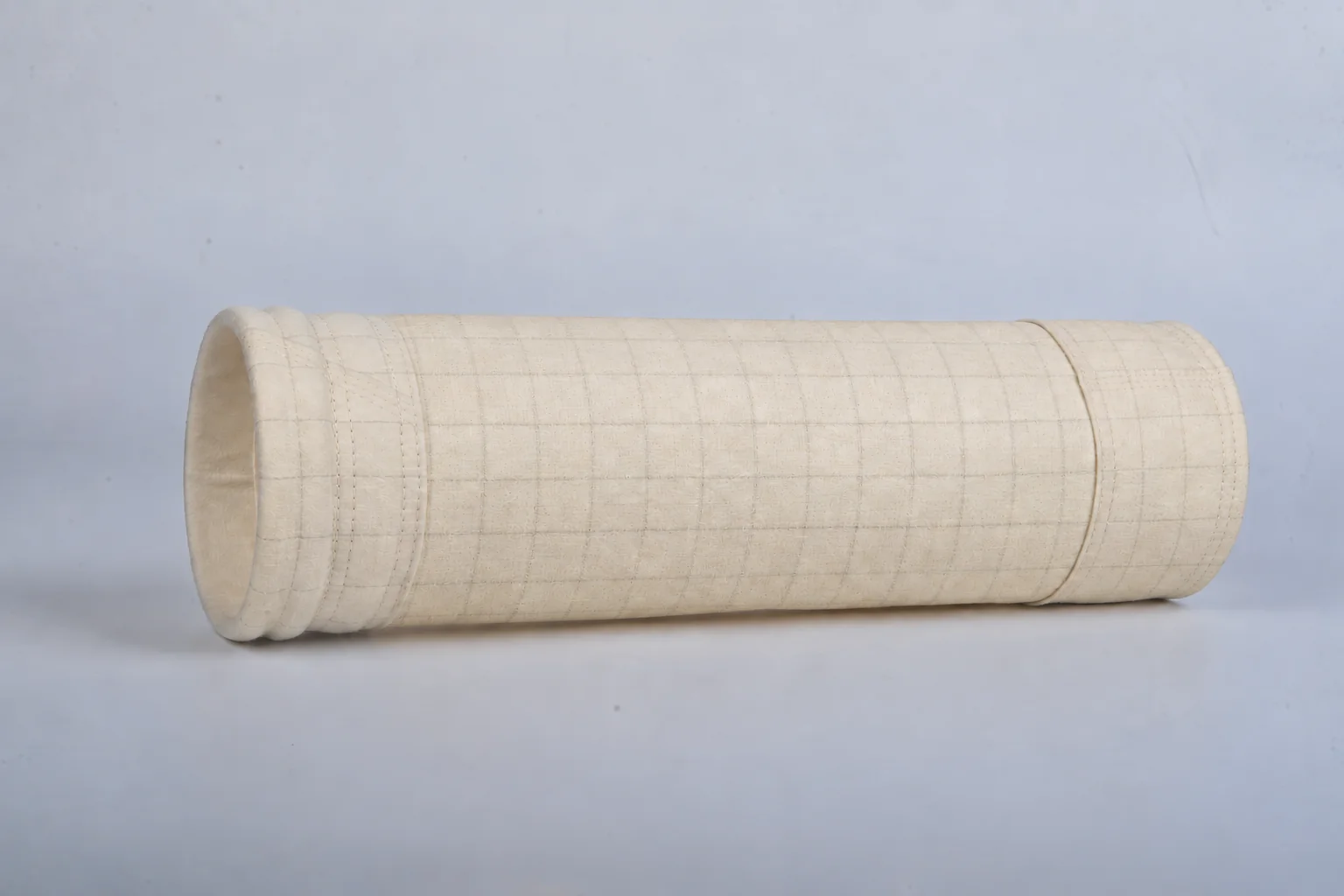
Authoritative Analysis: A Structured Approach to Filter Bag Failure Diagnosis
Necessity: In waste-to-energy applications, flue gas composition and temperature vary continuously depending on waste feedstock, combustion efficiency, and flue gas desulfurization (FGD) configuration. A filter bag selected without rigorous working condition analysis risks hydrolysis, blinding, or premature failure—each of which disrupts production and risks non-compliance with emission limits.
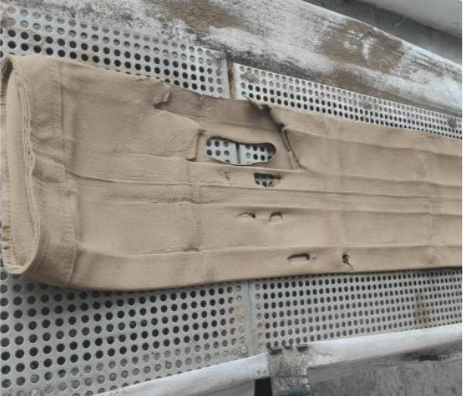
Principle Logic: According to Aokai’s technical framework, filter bag degradation falls into five recognized modes of failure: mechanical strength loss, thermal degradation, chemical degradation, incompatible design, and dust penetration (media blinding). Diagnosing which mode is responsible requires combining laboratory testing with actual operating data rather than visual inspection alone. Aokai’s inspection system applies instruments including the Netherlands Phenom Pure scanning electron microscope, the German FilTEq FEMA 1-AT dust filtration efficiency test system, the American PMI Capillary Flow Porometer CFP-1100A, the Swiss TEXTEST FX3300-IV air permeability tester, the CU-2 (YG(B)002) fiber fineness integrated analyzer, and the ESPEC high temperature testing box. These tools support permeability testing, Mullen burst strength testing, tensile strength testing, and microscopy analysis to isolate the specific failure mechanism.
Standard Reference: Aokai’s internal testing protocol includes 13 core performance tests—covering fiber melting point, heat shrinkage rate, breaking strength, and air permeability—with internal control standards reported as higher than national and ISO international standards. Products in this portfolio, including the Cabture Lifespan Filter Bags series (also referred to as Cabture PT Series), are engineered specifically for corrosive flue gas, high moisture, and demanding chemical conditions found in waste incineration and waste-to-energy facilities, combining flame and high-temperature resistance with superior membrane technology for surface filtration.
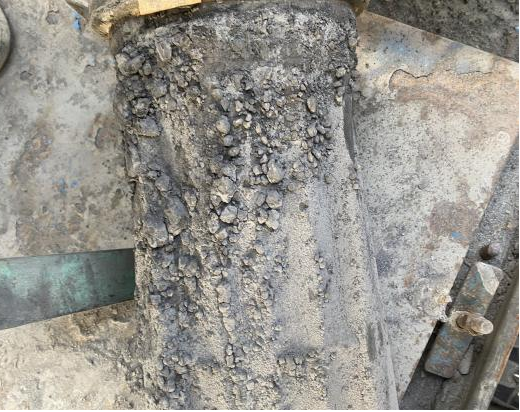
Solution Path: Once a failure mode is identified, Aokai’s Life Cycle Support & Services apply corrective measures matched to the root cause—ranging from filter media reselection and pre-coating adjustments to cage treatment changes for corrosion-prone environments. This diagnostic-to-corrective-action pathway is documented as combining "testing findings with actual operating data to diagnose root cause and recommend corrective action."
Deep Insights: Trends Shaping Filter Bag Performance in Waste-to-Energy Applications
Technology trends in this segment are moving toward membrane-enhanced filtration media. Aokai’s ePTFE membrane structure, for instance, is engineered with approximately 1.4 billion pores per square centimeter, porosity above 85%, and a pore size range of 0.05–2 μm, enabling surface filtration that reduces dust penetration into the felt base—one of the five recognized failure modes. This membrane approach supports stable pressure drop and easier dust cake release, which directly addresses blinding-related failures common in sticky or fine-particulate waste streams.
Market trends point toward increasingly stringent emission compliance. Within the waste incineration segment, documented case data shows the Cabture PT Series achieving 3 mg/m³ emissions at a waste incineration plant, illustrating how material selection and failure prevention are linked to meeting lower emission thresholds rather than the broader 5–10 mg/Nm³ range referenced across the company’s filter bag series.
Risk alerts for the industry include the compounding effect of chemical and thermal stress: in high-moisture, high-temperature WTE environments, hydrolysis and chemical degradation can occur simultaneously, complicating root-cause identification if testing relies on a single failure mode assumption rather than the full five-mode framework.
Standardization direction is also relevant. Aokai has participated in drafting industry standard T/CCMA0066-2018 (asphalt mixing plant dust collection system technical specification) and national standard GB/T17808-2021, and its quality systems are certified to GB/T19001-2016/ISO9001:2015 and GB/T24001-2016/ISO14001:2015. This standards engagement reflects a broader industry trajectory toward documented, traceable testing protocols for filter media performance verification, rather than reliance on supplier claims alone.
Company Value: Engineering Practice Behind the Analysis
Aokai’s value in failure analysis stems from vertical integration: the company manufactures filter media, filter bags, and filter bag cages in-house, allowing failure data from the field to feed directly back into material and manufacturing adjustments. Its R&D capacity includes 19 granted invention patents, 19 valid utility model patents, and more than 40 units of testing equipment, supported by joint industry-academia-research laboratories with Jiangnan University and Wuhan Textile University.
This technical infrastructure is reflected in documented case results. A Zhejiang thermal power plant CFB boiler project using CareClean Low Resistance Filter Bags recorded outlet concentrations of around 1 mg/m³ at both the one-month and six-month marks of operation, alongside low operating resistance. While this case originates from the power boiler segment rather than waste-to-energy specifically, it demonstrates the same diagnostic-and-material-matching methodology that underpins Aokai’s approach to failure analysis across high-temperature, chemically demanding applications, including waste incineration and waste-to-energy facilities.
Conclusion and Recommendations
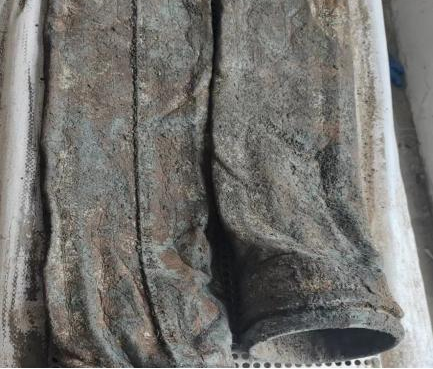
Filter bag failure in waste-to-energy plants is rarely a single-cause event. Operators evaluating recurring bag failures should prioritize structured diagnostic testing—covering mechanical, thermal, chemical, design, and penetration-related failure modes—over simple like-for-like replacement. Decision-makers should request documented testing data (permeability, tensile strength, microscopy) when evaluating filter media suppliers, and should consider membrane-enhanced media where blinding or fine-particle penetration is a recurring issue. Suppliers offering integrated life cycle support, from condition analysis through failure diagnosis to corrective material selection, provide a more defensible path to sustained emission compliance than reactive bag replacement alone. For the waste-to-energy sector specifically, aligning filter media specification with documented failure analysis—as practiced in Aokai Environtec’s testing and service framework—offers a measurable way to reduce unplanned downtime and maintain compliance with tightening emission standards.
https://www.aokaifilters.com/filter-bags/
Aokai Environtec
