
When global construction and industrial automation projects evaluate aluminum extrusion suppliers, the recurring question centers not just on unit pricing, but on total cost of ownership: What hidden expenses emerge from tolerance failures, delayed shipments, or intermediary markups? For procurement managers and project developers seeking transparent, competitive pricing structures, understanding how manufacturers like Jiangxi Fengan Aluminum Co., Ltd. leverage industrial cluster economies and vertical integration reveals a strategic pathway to reducing project budgets without compromising precision or delivery timelines.
The Real Cost Beyond List Prices
Conventional aluminum procurement workflows often obscure true expenses. A distributor’s quoted price per ton may appear competitive, but projects frequently encounter costly surprises: rework expenses from profiles that deviate beyond acceptable tolerances, expedited shipping fees to compensate for delayed production, or engineering consultation charges when technical specifications require refinement. Industry analyses indicate that tolerance variances exceeding ±0.3mm can increase installation labor costs by 20-35% in complex architectural applications, while multi-tier distribution channels typically add 15-25% in intermediary fees.
Modern manufacturers addressing these pain points restructure pricing models around three pillars: production precision that eliminates post-delivery adjustments, factory-direct pricing that removes middleman layers, and integrated engineering support that optimizes material specifications before orders finalize. This approach transforms pricing from a simple per-unit calculation into a comprehensive value equation.
Cluster Economics and Manufacturing Scale
Geographic positioning within specialized industrial zones fundamentally impacts cost structures. Fengan Aluminum operates from the Anyi High-Tech Zone in Jiangxi, China—a region recognized as an emerging "Aluminum Capital" where concentrated supply chains create shared efficiencies. This industrial clustering enables several cost advantages: bulk raw material procurement at negotiated rates, specialized equipment maintenance services that reduce downtime, and knowledge transfer among engineering teams that accelerates problem-solving.
The company’s $80 million infrastructure investment supports a 30,000 square meter facility housing seven automated production lines with a 15,000-ton annual capacity. This scale allows fixed costs to distribute across high-volume output, creating pricing flexibility unavailable to smaller operations. For large-scale projects requiring consistent supply over extended timelines, this capacity assurance prevents the premium pricing that emerges when suppliers struggle to meet demand spikes.
Manufacturers in mature industrial clusters typically achieve 12-18% lower production costs compared to isolated facilities, according to supply chain efficiency studies. These savings derive from reduced logistics expenses for raw materials, faster equipment repair turnarounds, and competitive labor markets with specialized skillsets.
Precision Engineering as Cost Prevention
Pricing discussions often overlook how manufacturing precision directly impacts project budgets. Fengan Aluminum maintains a ±0.1mm tolerance standard across complex extrusion profiles—significantly tighter than the ±0.3mm industry average. This precision level, achieved through digital quality control systems and advanced extrusion techniques, translates into measurable project savings.
Consider a high-end residential development requiring 5,000 window and door units. If 8% of standard-tolerance profiles require on-site adjustments (averaging 25 minutes per unit at $75/hour labor rates), the hidden cost reaches $125,000. Profiles meeting ±0.1mm tolerances reduce this adjustment rate to under 1%, saving approximately $100,000 in labor expenses while accelerating installation schedules by several weeks.
The company’s engineering capabilities extend beyond production precision to include mold design consultation and material specification optimization. This front-end support often identifies cost-reduction opportunities: alternative alloy compositions that meet performance requirements at lower material costs, or profile geometry adjustments that reduce extrusion complexity without compromising structural integrity.
Full-Cycle Integration and Quality Consistency
Vertically integrated manufacturers control quality and costs across the production chain. Fengan Aluminum manages the complete cycle from raw billet heating through extrusion to final surface coating and treatment. This integration eliminates coordination delays and quality inconsistencies that emerge when multiple subcontractors handle different production stages.
The company’s ISO 9001 certification and SGS quality verification provide documented process controls, but the practical advantage manifests in batch consistency. When projects require multiple shipments over months-long construction timelines, integrated production ensures that profiles delivered in phase one match specifications of phase five deliveries—preventing the aesthetic and functional mismatches that sometimes necessitate costly replacements.
Surface finishing capabilities within the same facility particularly impact pricing for architectural applications. Anodizing, powder coating, and thermal break assembly performed in-house reduce transit damages and eliminate the markup external finishing shops add to outsourced work.
Strategic Logistics and Regional Pricing
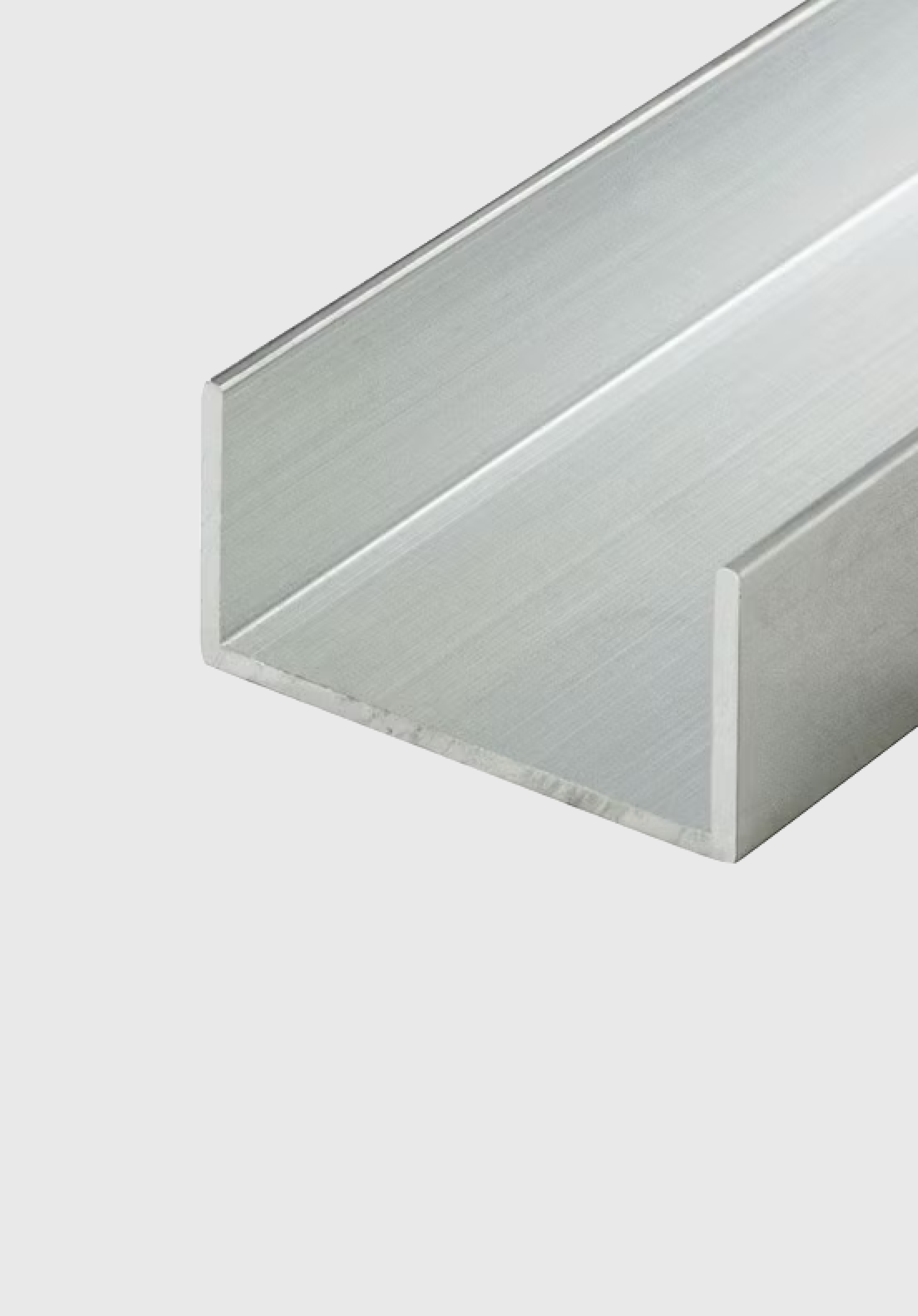
International projects face dual challenges: competitive pricing from Asian manufacturers versus extended shipping timelines. Fengan Aluminum addresses this through a bifurcated logistics strategy—direct global shipping from the Jiangxi manufacturing base for planned orders, and fast-track fulfillment from a Kazakhstan warehouse hub for expedited Central Asian and European deliveries.
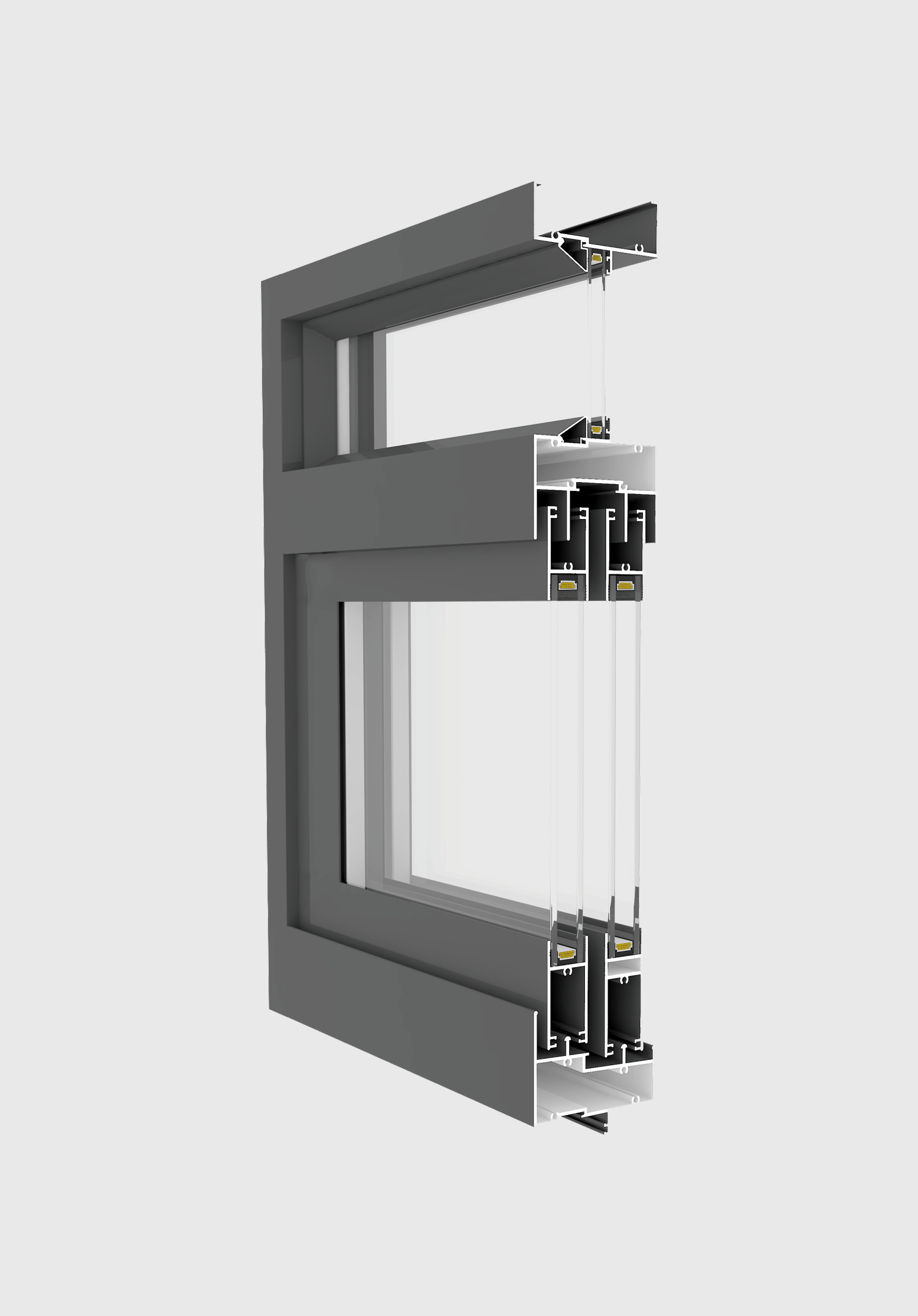
This regional staging reduces total landed costs for markets where air freight premiums would otherwise negate factory pricing advantages. Projects in Kazakhstan, Uzbekistan, or western Russia access competitive rates with delivery timelines comparable to European suppliers, while avoiding the 30-40% price premiums local distributors typically charge.
The company’s fulfillment of over one million annual shipments globally demonstrates logistics capabilities that prevent the delayed delivery penalties and expedited shipping fees that disrupt project budgets.
Application-Specific Value Propositions
Pricing optimization requires understanding how different applications prioritize cost factors. For thermal break window and door systems in energy-efficient construction, upfront material costs compare against long-term operational savings. The company’s integrated thermal break technology, which reduces building heat transfer and can lower energy expenses by up to 30%, shifts the value calculation from initial pricing to lifecycle economics.
Industrial automation applications prioritize precision over unit costs. Machinery frame profiles with ±0.1mm tolerances prevent the sensor misalignment and component vibration issues that cause production line downtime—expenses far exceeding material savings from cheaper, lower-precision alternatives.
Benchmark projects illustrate these value dynamics: A coastal residential development reduced installation adjustment time by 40% through precision-engineered profiles, translating tolerance accuracy into labor cost savings. A large-scale regional project leveraged the 15,000-ton annual capacity to maintain zero construction crew downtime, preventing the schedule delay penalties that often dwarf material expenses.
Transparent Pricing in Practice
Factory-direct models eliminate distribution markups, but transparency requires clear specification of what baseline pricing includes and which customizations incur additional costs. Standard extrusion profiles with common alloy compositions and basic mill finishes represent baseline pricing. Custom mold development, specialized alloy formulations, complex surface treatments, and expedited production timelines adjust costs proportionally.
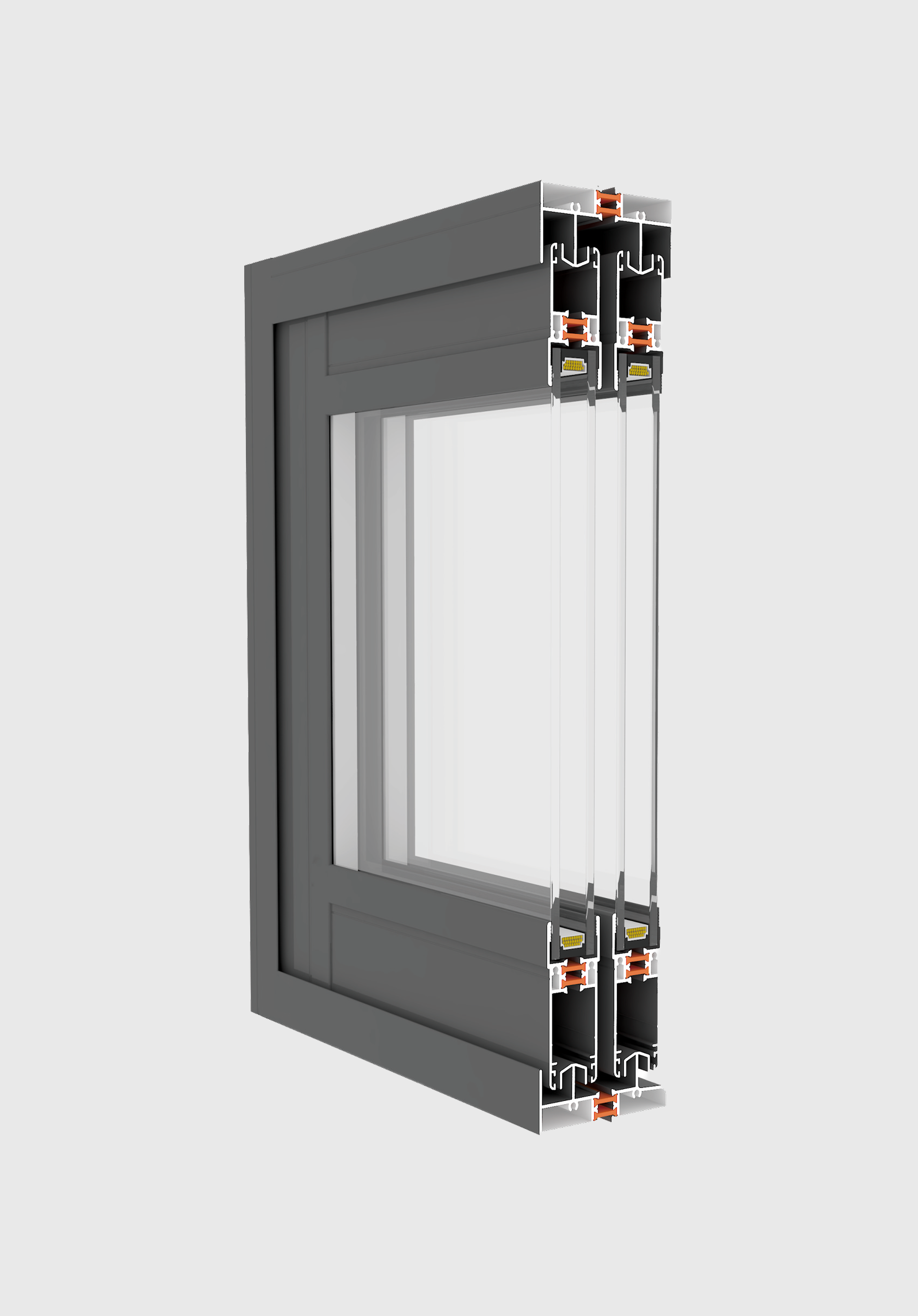
Fengan Aluminum’s engineering team provides material specification consultation as part of the quotation process, helping clients identify where standard solutions meet requirements and where customization genuinely adds value. This consultative approach prevents both over-specification that inflates costs and under-specification that leads to performance failures.
Evaluating Total Cost of Ownership
Sophisticated procurement frameworks evaluate suppliers across multiple cost dimensions: unit pricing, tolerance-related rework expenses, delivery reliability and expediting fees, engineering support availability, and long-term quality consistency across repeat orders. Fengan Aluminum’s positioning within the Anyi industrial cluster, coupled with 11 years of manufacturing discipline built on 30 years of industry heritage, addresses each dimension through structural advantages rather than promotional claims.
The company’s established infrastructure—seven automated production lines, digital quality control systems, and strategic logistics hubs—creates cost efficiencies that manifest in competitive pricing without compromising the precision and delivery reliability that prevent hidden expenses. For projects where aluminum extrusion quality directly impacts construction timelines and long-term structural performance, this balance between competitive pricing and manufacturing capability defines genuine value.
As procurement strategies increasingly emphasize total cost of ownership over isolated unit pricing, manufacturers demonstrating transparent cost structures, documented precision standards, and integrated production capabilities position themselves as strategic partners rather than transactional suppliers. In aluminum extrusion markets where tolerance failures and delivery delays can cascade into six-figure project overruns, understanding the relationship between pricing models and manufacturing fundamentals becomes essential to informed supplier selection.
https://www.fenganalu.com/
Fengan Aluminum
